Red Flags for Illicit Seafood in Supply Chains
Red flags for illicit seafood in supply chains signal potential issues in the seafood industry. From overfishing to fraudulent labeling, this post examines the various ways illegal seafood enters the market. We’ll explore the key characteristics that distinguish illicit seafood from legitimate options, and look at the red flags that alert us to these problems. This will involve identifying inconsistencies in pricing, documentation, and practices throughout the supply chain, from fishing vessels to processing plants to retail stores.
Understanding these red flags is crucial for consumers, businesses, and regulators alike. Identifying and combating illicit seafood is not just about protecting the environment and fish stocks, it’s also about upholding fair trade practices and ensuring the safety and quality of the food we eat. The potential consequences of consuming illicit seafood can be far-reaching and impact various stakeholders across the supply chain.
Defining Illicit Seafood: Red Flags For Illicit Seafood In Supply Chains
Illicit seafood poses a significant threat to global fisheries and food security. It undermines sustainable practices, fuels illegal activities, and can impact consumer health. Understanding the different forms and entry points of illicit seafood is crucial for effective prevention and control strategies. This exploration delves into the various aspects of this complex issue.Illicit seafood encompasses a broad range of activities that compromise the integrity of seafood supply chains.
Do not overlook the opportunity to discover more about the subject of cima ethics confidentiality rules.
It goes beyond simply catching fish; it includes the entire spectrum of practices that exploit and abuse the natural resources. This involves everything from overfishing and illegal fishing to fraudulent labeling and misrepresentation of origin, all contributing to a broader problem of environmental damage and economic harm.
Types of Illicit Seafood
Illicit seafood encompasses a variety of practices, each with distinct characteristics. Overfishing, the unsustainable capture of fish populations beyond their capacity to replenish, significantly impacts marine ecosystems. Illegal, unreported, and unregulated (IUU) fishing practices involve the capture of fish without the necessary licenses or permits, often resulting in severe damage to fish stocks and marine environments. Seafood from unsustainable practices, like those involving destructive fishing methods, also fall under the umbrella of illicit seafood.
These methods can damage marine habitats and endanger various marine species.
Methods of Illicit Seafood Entry into Supply Chains
Illicit seafood infiltrates legitimate supply chains through various avenues. Corruption plays a significant role, where individuals or organizations in the supply chain collude to facilitate the entry of illicit seafood. Fraudulent labeling is another common method, where the origin or species of the seafood is falsely represented on packaging or documentation. Misrepresentation of origin involves the deception of consumers about where the seafood originates, often to bypass regulations or exploit price differences.
This can range from using forged documents to deliberately concealing the true source of the fish.
Distinguishing Illicit from Legitimate Seafood
Legitimate seafood is characterized by strict adherence to regulations, transparent documentation, and traceable origins. Illicit seafood, in contrast, often lacks proper documentation, obscures the true origin, and lacks traceability throughout the supply chain. Key indicators include the absence of required permits, licenses, or certificates, discrepancies between the declared and actual species, and a lack of detailed information about the fishing methods and location.
Documented Cases of Illicit Seafood
Numerous documented cases illustrate the prevalence of illicit seafood in various regions. For example, in Southeast Asia, instances of IUU fishing targeting endangered species have been reported. In West Africa, fraudulent labeling of seafood products has been identified as a significant problem. These cases highlight the need for stronger regulations and enforcement mechanisms to combat the issue.
Comparison of Illicit Seafood Practices
| Illicit Seafood Practice | Description | Impact | Examples |
|---|---|---|---|
| Overfishing | Unsustainable fishing exceeding the capacity of fish stocks to replenish. | Depletes fish populations, damages marine ecosystems. | Overfishing of cod in the North Atlantic, tuna in the Pacific. |
| IUU Fishing | Fishing without proper licenses, permits, or compliance with regulations. | Damages fish stocks, undermines sustainable fisheries, often linked to corruption. | Illegal fishing in the Indian Ocean, targeting endangered species. |
| Unsustainable Practices | Fishing using destructive methods, such as bottom trawling, that harm marine habitats. | Damages coral reefs, seabeds, and other marine environments. | Destructive fishing methods in the Mediterranean Sea. |
| Fraudulent Labeling | Falsely representing the origin or species of seafood. | Deceives consumers, undermines market integrity. | False labeling of imported seafood in Europe. |
| Misrepresentation of Origin | Concealing the true origin of seafood to bypass regulations or exploit price differences. | Undermines traceability, hides unsustainable practices. | Misrepresenting the origin of farmed seafood. |
Identifying Red Flags in Supply Chains
Unmasking illicit seafood in global supply chains requires a keen eye for suspicious patterns. It’s not just about the fish itself; it’s about the entire journey from sea to plate. Spotting red flags is crucial to ensuring the legality and sustainability of the seafood we consume. This process involves careful scrutiny of documentation, fishing practices, and market trends.Understanding the potential presence of illicit seafood necessitates a proactive approach to identifying anomalies and inconsistencies.
This vigilance extends to every stage of the supply chain, from the initial catch to the final sale. By understanding the various red flags, we can better safeguard the integrity of our food systems and protect marine ecosystems.
Verifying Documentation and Certifications
Accurate documentation is fundamental to tracing the origin and legality of seafood. Fishing vessels and landing sites must possess valid licenses and permits. These documents should detail the species caught, the catch amount, and the methods employed. Verification of certifications, such as Marine Stewardship Council (MSC) or Aquaculture Stewardship Council (ASC) certifications, is essential to ensure the seafood meets sustainability standards.
The absence or discrepancies in these documents raise serious red flags, indicating potential illicit activity.
Auditing Fishing Vessels and Landing Sites
Regular audits of fishing vessels and landing sites are critical for detecting illegal fishing activities. Inspectors should verify the fishing gear used to ensure compliance with regulations. The presence of illegal fishing gear, such as those designed to catch endangered species or those exceeding permitted sizes, signals potential illicit practices. Documentation of catch, including species, quantities, and methods, should be meticulously reviewed.
Inspectors should also assess the conditions of the vessels and the handling of the fish at the landing sites. Poor handling practices and unsanitary conditions can indicate potential contamination or misrepresentation of the seafood.
Inconsistencies in Pricing, Quantities, or Market Trends
Unusual pricing, fluctuating quantities, or sudden shifts in market trends for certain seafood species can be indicators of illicit activity. An abnormally low price for a particular fish compared to its market value might suggest illegal fishing or unsustainable practices. Similarly, sudden surges in the availability of a particular species, especially one not typically abundant in that region, should raise suspicion.
Comparing these trends against historical data and industry benchmarks helps identify anomalies.
Identifying Suspicious Fishing Practices
Suspicious fishing practices are another critical area to monitor. Illegal, unreported, and unregulated (IUU) fishing, often characterized by the use of illegal fishing gear or targeting endangered species, can be detected through aerial surveillance, satellite imagery, and ship tracking data. Fishing in protected areas or known biodiversity hotspots without proper authorization warrants immediate investigation. Monitoring fishing vessels for excessive catches or those exceeding legal limits is also crucial.
Potential Red Flags in Different Stages of the Seafood Supply Chain
| Stage of Supply Chain | Potential Red Flags |
|---|---|
| Fishing | Illegal fishing gear, fishing in protected areas, excessive catch, targeting endangered species, lack of proper documentation |
| Processing | Inconsistencies in documentation, poor handling practices, evidence of mislabeling or adulteration, unsanitary conditions |
| Distribution | Unusually low prices, sudden surges in availability, discrepancies in quantities reported, lack of traceability, absence of required certifications |
Traceability and Documentation

Unmasking illicit seafood hinges on robust traceability systems. A clear understanding of the journey of fish from its origin to the consumer is crucial in detecting fraudulent practices and ensuring the legality of the product. Without comprehensive documentation and tracking mechanisms, the intricate web of the seafood supply chain becomes vulnerable to manipulation, making it difficult to identify and punish illegal activities.A well-established traceability system acts as a shield against illicit activities.
It provides a transparent and auditable record of every stage of the seafood journey, from capture to consumption. This transparency builds consumer trust and safeguards the integrity of the entire supply chain. It helps maintain sustainable fishing practices, preventing overfishing and the exploitation of marine ecosystems.
Do not overlook the opportunity to discover more about the subject of finance departments evolving while bracing for coronavirus second wave.
Importance of Robust Traceability Systems
Traceability systems are vital for combating illicit seafood because they provide a clear audit trail. This allows authorities to quickly identify the source of illegal catches, helping to disrupt criminal networks and prevent further exploitation. Comprehensive records help ensure compliance with regulations and protect the environment.
Methods for Tracking Seafood
Various methods are used to track seafood from origin to consumer, each with its strengths and limitations.
- Blockchain Technology: Blockchain’s immutable ledger technology can record every transaction in the supply chain, from fishing vessels to processing plants and retail outlets. This creates an unalterable record of the seafood’s journey, making it virtually impossible to tamper with the data. It offers high levels of transparency and accountability, providing an auditable trail for every step in the supply chain.
However, widespread adoption requires significant investment in infrastructure and training.
- QR Codes: QR codes can be printed on packaging, linking consumers directly to detailed information about the fish, including its origin, fishing method, and certifications. This method allows for easy access to information and can be cost-effective for smaller-scale operations. While effective for providing basic traceability, QR codes may not be as robust as blockchain technology in complex supply chains.
Verifying Certifications and Licenses
A crucial aspect of traceability involves verifying seafood certifications and licenses. This necessitates a standardized and easily accessible database of legitimate certifications and licenses. This database should be regularly updated and cross-referenced with information from fishing vessels and processing plants. This process can be streamlined using digital platforms for easy access and verification.
Successful Traceability Systems
Several regions have successfully implemented traceability systems. The Marine Stewardship Council (MSC) program in the US, for example, certifies sustainable fisheries, providing a clear label that consumers can trust. The EU has established comprehensive traceability systems for seafood imports, requiring detailed documentation of origin and handling.
Comparison of Traceability Methods
| Traceability Method | Effectiveness in Detecting Illicit Seafood | Advantages | Disadvantages |
|---|---|---|---|
| Blockchain | High | Immutable record, high transparency, secure | High implementation cost, requires significant infrastructure |
| QR Codes | Moderate | Cost-effective, easy access to information | Potentially less secure, less robust for complex supply chains |
| Traditional Documentation | Low | Relatively simple to implement | Susceptible to fraud, lack of transparency, less effective for large-scale operations |
Regulatory Frameworks and Enforcement
Combating illicit seafood trade requires a multifaceted approach, and robust regulatory frameworks are crucial. These frameworks, both international and national, provide the legal foundation for preventing and controlling illegal activities. They establish clear guidelines, penalties, and enforcement mechanisms to deter offenders and protect the integrity of the seafood supply chain.Effective regulations are not merely about establishing rules; they need to be consistently enforced and adapted to evolving challenges in the industry.
This requires collaboration between government agencies, industry stakeholders, and NGOs, as well as transparency and public awareness campaigns. Failure to enforce regulations effectively can lead to a significant increase in illicit activities, potentially jeopardizing marine ecosystems and economies.
International Regulations
International agreements and conventions play a pivotal role in setting standards and harmonizing efforts to combat illicit seafood trade globally. These agreements often establish common definitions of illegal, unreported, and unregulated (IUU) fishing, and provide frameworks for cooperation in monitoring and enforcement. The Food and Agriculture Organization of the United Nations (FAO) plays a critical role in developing and promoting these international standards.
For example, the FAO’s guidelines on IUU fishing aim to prevent and combat the trade of illegally caught fish.
National Regulations
National regulations often build upon international standards, tailoring them to specific national contexts. These regulations encompass a range of measures, including licensing requirements for fishing vessels, reporting obligations for fishers and processors, and import/export controls. For instance, some countries have implemented traceability systems to track seafood from the point of capture to the consumer. This can help authorities identify potential violations and monitor compliance.
Enforcement Mechanisms
Enforcement of regulations relies on various methods, including port state control, which involves inspecting vessels entering national ports to verify compliance with international and national regulations. Other methods include investigations into alleged illegal activities, audits of fishing operations, and cooperation with other countries. International collaborations are crucial for sharing information and coordinating efforts. Furthermore, there are specific units within government agencies dedicated to investigating IUU fishing and seafood fraud, enabling focused and effective responses.
Penalties and Consequences
Penalties for engaging in illicit seafood trade vary significantly across countries and depend on the severity of the offense. These penalties can range from fines to imprisonment, and they can also include the seizure of fishing vessels or processing facilities. The effectiveness of these penalties in deterring illegal activities is often influenced by their consistent application and public awareness.
For example, stringent penalties and transparent enforcement have been shown to decrease illegal fishing activities in certain regions.
Comparative Analysis of Regulatory Approaches
Regulatory approaches to combat illicit seafood trade vary across different regions. Some countries have implemented comprehensive traceability systems, while others focus on stricter import/export controls. A comparative analysis reveals varying levels of effectiveness, influenced by factors such as the level of corruption, the capacity of enforcement agencies, and the degree of political will. Countries with well-resourced and dedicated enforcement agencies, along with strong public awareness campaigns, often demonstrate greater success in combating illegal fishing.
Examples of Effective Enforcement, Red flags for illicit seafood in supply chains
Several regions have shown success in combating illicit seafood trade. One example is the EU, where regulations and traceability systems are considered strong. These regions typically have a combination of stringent regulations, effective enforcement mechanisms, and significant resources dedicated to monitoring and controlling the supply chain.
Consumer Awareness and Education
Combating illicit seafood requires a multifaceted approach, and consumer awareness plays a critical role. Informed consumers are empowered to make responsible choices, ultimately reducing demand for illegally caught or traded fish. This empowers them to become active participants in safeguarding marine ecosystems and ensuring sustainable seafood practices.Consumer education is not just about knowing what to look for; it’s about understanding the motivations behind illicit seafood and the far-reaching consequences of supporting unsustainable practices.
This understanding encourages a proactive approach to responsible seafood consumption, rather than simply identifying red flags.
Importance of Consumer Awareness
Consumer awareness is paramount in combating the illicit seafood trade. By educating consumers, we empower them to recognize and avoid purchasing illegally caught or traded seafood. This reduction in demand directly impacts the profitability of illegal operations, making them less attractive and sustainable in the long run. Furthermore, it fosters a culture of responsible seafood consumption, contributing to the protection of marine biodiversity and the health of our oceans.
Methods for Educating Consumers
Effective consumer education should be comprehensive, targeting various demographics and utilizing diverse communication channels. Educational materials should include clear, concise explanations of what constitutes illicit seafood, highlighting common red flags. Visual aids, such as infographics and images, can significantly enhance comprehension. Interactive tools, like quizzes and online games, can make learning engaging and memorable. Furthermore, partnerships with relevant organizations and community leaders can extend the reach and impact of educational campaigns.
Resources and Tools for Consumers
A plethora of resources and tools are available to help consumers identify red flags in seafood supply chains. These include online databases, apps, and educational websites. Many organizations dedicated to sustainable seafood provide detailed information on responsible seafood choices, often offering specific guidance on how to identify red flags. These resources typically list commonly encountered red flags in supply chains and suggest actions consumers can take to address them.
Examples of Consumer Campaigns
Numerous consumer campaigns have successfully raised awareness about illicit seafood. These campaigns often use compelling narratives, showcasing the environmental and economic damage caused by illegal fishing. For instance, some campaigns highlight the devastating impact on marine ecosystems and the loss of livelihoods for communities reliant on sustainable fishing practices. These campaigns also emphasize the positive impact of choosing sustainably sourced seafood.
You also will receive the benefits of visiting association gaa support ifrs foundation sustainability reporting standards board proposal today.
Tailoring Consumer Education Campaigns to Specific Demographics
Consumer education campaigns should be tailored to specific demographics to maximize their impact. This involves considering factors such as age, cultural background, and socioeconomic status. For example, campaigns targeting younger generations might focus on social media engagement and interactive content, while those directed at older consumers might employ traditional media outlets and community events. Tailored messages ensure that the information resonates with each group, effectively communicating the significance of their choices in supporting responsible seafood practices.
Reliable Resources for Consumers
| Organization | Website/Resource |
|---|---|
| Seafood Watch | www.seafoodwatch.org |
| Monterey Bay Aquarium Seafood Watch | www.montereybayaquarium.org/ |
| The Marine Stewardship Council (MSC) | www.msc.org |
| World Wildlife Fund (WWF) | www.worldwildlife.org |
These organizations provide valuable information on sustainable seafood choices and help consumers identify red flags. Their resources offer detailed guidance on responsible seafood consumption, contributing to a greater understanding of the issues and the choices available to consumers.
Technological Solutions
Technology is rapidly evolving, offering powerful tools to combat illicit seafood practices. From advanced tracking systems to sophisticated data analysis, technology provides a critical layer of defense against fraud and illegal fishing. By integrating these tools into supply chains, we can enhance transparency and accountability, fostering a more sustainable and ethical seafood industry.Technological solutions are essential to address the complexities of illicit seafood trafficking.
They provide a means to monitor fishing activities, track seafood movement, and identify suspicious patterns in real-time. This data-driven approach empowers authorities and stakeholders to proactively combat illegal practices, ultimately protecting marine ecosystems and consumer interests.
Monitoring Fishing Vessels
Real-time tracking of fishing vessels is crucial for preventing illegal fishing activities. Global Positioning System (GPS) technology, combined with satellite communication, allows for constant monitoring of vessel location and activity. This data can be used to identify unauthorized fishing in protected areas, enforce fishing quotas, and track vessel movements for compliance with regulations.
Tracking Seafood Movements
Advanced technologies like blockchain can create a transparent and tamper-proof record of seafood throughout the supply chain. Each stage, from capture to consumption, is digitally logged, providing a complete audit trail. This enhanced traceability allows for quick identification of any inconsistencies or suspicious activity. Furthermore, the immutability of blockchain makes it exceptionally difficult to alter or falsify records.
Data Analytics for Supply Chain Analysis
Data analytics plays a critical role in identifying patterns and anomalies within complex seafood supply chains. By analyzing large datasets encompassing vessel movements, catch reports, and market prices, algorithms can detect unusual fluctuations or discrepancies. These insights can highlight potential red flags, such as unusual volumes of fish arriving in markets outside normal trading patterns or suspicious pricing structures.
Artificial Intelligence for Fraud Detection
Artificial intelligence (AI) can be applied to detect fraudulent labeling and other illicit practices. AI algorithms can be trained on massive datasets of legitimate seafood characteristics, including species, size, and origin. Any deviation from these patterns can be flagged as potential fraud, significantly enhancing the ability to identify mislabeling and other deceptive activities. This technology can analyze images of seafood to identify species or detect inconsistencies in labeling, helping authorities to verify the authenticity of products.
Comparison of Technological Solutions
Different technological solutions offer varying levels of effectiveness in addressing illicit seafood. Real-time GPS tracking is particularly useful for immediate intervention and enforcement, while blockchain technology provides a comprehensive, tamper-proof record of the entire supply chain. Data analytics, combined with AI, excels at identifying complex patterns and anomalies, highlighting potential risks that might otherwise go unnoticed. The most effective approach often involves a combination of these technologies, leveraging the strengths of each to create a robust system for combating illicit seafood.
Case Studies of Successful Initiatives
Fighting the illicit seafood trade requires a multifaceted approach, and successful initiatives demonstrate the power of collaboration and innovative strategies. These examples offer valuable lessons for strengthening supply chains, fostering transparency, and ultimately, protecting our oceans. Real-world applications showcase how diverse stakeholders can work together to combat this pervasive issue.
Examples of Successful Regional Initiatives
Various regions have implemented programs to tackle the illicit seafood trade, achieving varying degrees of success. These programs often combine education, technology, and enforcement to create a comprehensive approach.
- The Southeast Asian region has seen successful programs aimed at combating illegal, unreported, and unregulated (IUU) fishing. These efforts often focus on improving traceability throughout the supply chain, employing technology to track fishing vessels and catches. Collaboration between governments, NGOs, and the private sector is critical in these programs. Stronger regulatory frameworks and increased enforcement are crucial to deterring illegal activities.
- West Africa has experienced success with initiatives focusing on community-based monitoring and enforcement. These initiatives engage local communities in identifying and reporting illegal fishing activities, leveraging their knowledge of the area. Capacity building for local enforcement agencies is often a key element in these programs. This approach emphasizes local ownership and accountability.
- The Mediterranean region has implemented strategies to combat illegal fishing practices, particularly focusing on the overfishing of certain species. These initiatives combine international cooperation with stricter enforcement mechanisms. Public awareness campaigns about the impacts of illegal fishing play a key role in changing consumer behavior and promoting sustainable seafood choices.
Methods Used and Outcomes Achieved
Successful initiatives often employ a combination of strategies, including improving traceability, increasing transparency, and strengthening regulatory frameworks. The specific methods and outcomes vary depending on the region and the specific challenges faced.
- Improved Traceability: Implementing technologies like GPS tracking on fishing vessels and utilizing blockchain technology to track seafood products from source to consumer helps reduce opacity in supply chains. This leads to increased accountability and reduced opportunities for illicit activities. The result is greater transparency and confidence in the seafood supply.
- Enhanced Transparency: Publicly available information about fishing licenses, vessel registrations, and catch data fosters greater transparency in the supply chain. This discourages illicit practices and empowers consumers to make informed choices. The effect is a stronger market demand for sustainable seafood.
- Strengthened Regulatory Frameworks: Clearer regulations and stricter enforcement mechanisms for fishing operations, import-export procedures, and seafood processing significantly reduce the scope for illegal activities. Outcomes include a reduction in IUU fishing and a greater compliance with sustainability standards.
Collaboration Between Stakeholders
Effective initiatives often involve collaboration between governments, NGOs, and the private sector. These partnerships leverage diverse expertise and resources, leading to more sustainable outcomes.
- Government agencies provide legal frameworks, enforcement mechanisms, and funding for programs.
- NGOs bring expertise in research, advocacy, and community engagement.
- Private sector companies implement technological solutions and contribute to market-based solutions.
Table of Successful Initiatives
| Region | Initiative | Methods | Outcomes | Key Collaborators |
|---|---|---|---|---|
| Southeast Asia | Improved traceability program | GPS tracking, blockchain technology | Reduced IUU fishing, increased transparency | Government, NGOs, private sector |
| West Africa | Community-based monitoring | Local community engagement, capacity building | Reduced illegal fishing, increased local ownership | Government, NGOs, local communities |
| Mediterranean | International cooperation program | International agreements, stricter enforcement | Reduced overfishing, promoted sustainable seafood | International organizations, governments |
Final Thoughts
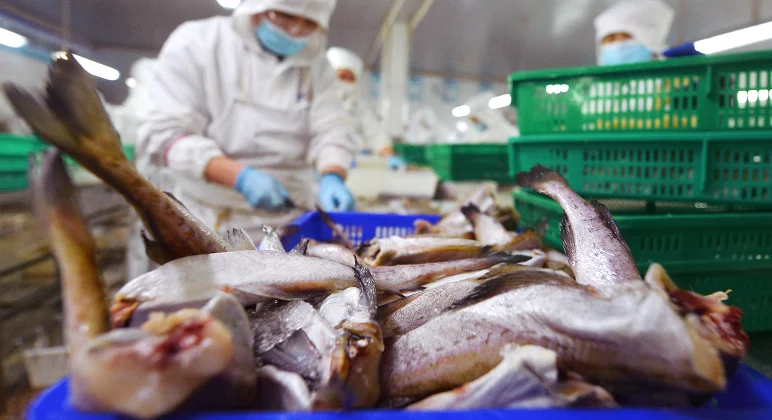
In conclusion, the issue of illicit seafood is a complex challenge requiring a multi-faceted approach. From strengthening traceability systems to implementing stricter regulations and raising consumer awareness, collaborative efforts are essential to combat this pervasive problem. We’ve explored the red flags, the traceability methods, and the regulatory frameworks, and seen how technology can play a role in preventing and detecting illicit activities.
Ultimately, combating illicit seafood requires a combination of vigilance, transparency, and innovative solutions. The future of sustainable and ethical seafood depends on our collective commitment to rooting out these red flags.