How To Build Confidence In A Time Of Anxiety 4
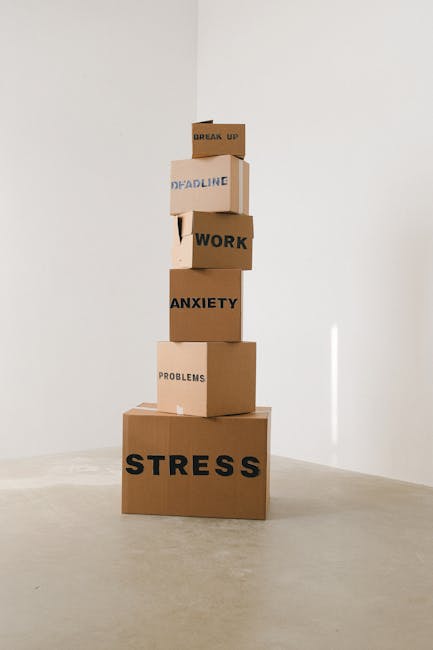
Building Confidence When Anxiety Takes Hold: Strategies for Navigating Uncertainty
Anxiety, a pervasive feeling of unease, worry, or fear, can significantly erode self-confidence. It breeds self-doubt, paralyzes action, and fosters a sense of inadequacy, leaving individuals feeling incapable of facing challenges or achieving their goals. This article explores practical, actionable strategies for rebuilding and strengthening confidence even when anxiety feels overwhelming, focusing on a proactive and sustained approach to mental well-being. The core principle is that confidence isn’t an innate trait; it’s a muscle that can be developed and strengthened through consistent practice and intentional effort.
Understanding the Anxiety-Confidence Feedback Loop is Crucial. Anxiety often triggers a vicious cycle where the fear of failure or negative outcomes leads to avoidance. This avoidance, in turn, reinforces the belief that one is incapable, thus diminishing confidence. Conversely, successfully navigating a challenging situation, even a small one, provides evidence of competence, boosting confidence and making future challenges less daunting. Recognizing this dynamic is the first step to disrupting it. When anxiety arises, instead of immediately succumbing to the urge to retreat, consciously identify the underlying fear. What is the worst-case scenario you are envisioning? Is it realistic? Often, the imagined threat is far greater than the actual potential outcome. By dissecting the anxiety, you begin to gain a more objective perspective, which is foundational to rebuilding confidence.
Embrace Small Wins: The Power of Incremental Progress. The most effective way to combat anxiety-induced low confidence is to actively seek out and celebrate small victories. These don’t need to be monumental achievements. They can be as simple as completing a task that you’ve been procrastinating on, making a difficult phone call, or engaging in a brief social interaction. The key is to deliberately set achievable goals and then acknowledge their successful completion. Keep a "wins journal" or a digital list where you meticulously record these accomplishments. Reviewing this journal regularly serves as tangible proof of your capabilities and resilience, counteracting the negative self-talk that anxiety often amplifies. Each recorded win acts as a brick in the foundation of renewed confidence.
Challenge Negative Thought Patterns: Cognitive Restructuring in Action. Anxiety is fueled by distorted thinking. Cognitive Behavioral Therapy (CBT) principles offer a powerful framework for addressing these thought patterns. When an anxious thought arises, practice "thought challenging." Ask yourself: Is this thought based on fact or feeling? What evidence supports this thought? What evidence contradicts it? What is a more balanced or realistic perspective? For example, if you’re feeling anxious about a work presentation and thinking, "I’m going to bomb this," challenge it. Evidence for bombing might be a past minor mistake. Evidence against it could be your preparation, your knowledge of the subject, and positive feedback on previous presentations. A more balanced thought might be, "I’m feeling anxious, but I’ve prepared well, and I’m capable of delivering this presentation effectively, even if there are minor hiccups." This active interrogation of negative thoughts weakens their hold and allows for more empowering beliefs to emerge.
Develop a Stronger Sense of Self-Efficacy Through Skill Development. Confidence is intrinsically linked to perceived competence. When anxiety makes you feel less capable, proactively invest in acquiring new skills or honing existing ones. This could involve taking an online course, attending a workshop, practicing a hobby that requires skill, or even learning a new recipe. The process of learning, practicing, and gradually mastering a skill provides undeniable evidence of your ability to learn and grow. Each step forward in skill development directly translates to a more robust sense of self-efficacy, making you feel more prepared to handle a wider range of situations, thus reducing anxiety and increasing confidence. Focus on skills relevant to areas that trigger your anxiety, or areas where you desire greater confidence.
Prioritize Self-Care as a Cornerstone of Confidence. Anxiety often leads to neglecting basic self-care, which further erodes well-being and confidence. Consistent self-care is not a luxury; it’s a necessity for maintaining emotional resilience. This includes adequate sleep, a nutritious diet, regular physical activity, and mindful relaxation techniques like meditation or deep breathing exercises. When you prioritize your physical and mental health, you are sending a powerful message to yourself that you are worthy of care and attention. This intrinsic self-worth is a vital component of lasting confidence, making you less susceptible to external validation or the crippling effects of anxiety. Establishing a self-care routine provides structure and predictability, which can be incredibly calming for an anxious mind.
Set Realistic Expectations and Embrace Imperfection. A significant driver of anxiety and low confidence is the pursuit of unattainable perfection. When you set impossibly high standards for yourself, any deviation from that ideal will inevitably lead to disappointment and self-criticism. Instead, cultivate realistic expectations. Understand that mistakes are a natural part of the learning process and that everyone experiences setbacks. Embrace imperfection as a sign of humanity and growth. By shifting your focus from achieving flawlessness to making progress, you create a more forgiving and encouraging internal environment that fosters resilience and boosts confidence. Celebrate effort and learning, not just flawless execution.
Practice Assertive Communication. Anxiety can make it difficult to express your needs and boundaries clearly, leading to feelings of resentment and a diminished sense of self-respect, which undercuts confidence. Assertive communication involves expressing your thoughts, feelings, and needs directly and respectfully, without infringing on the rights of others. This might involve learning to say "no" to requests that overload you, expressing your opinions in meetings, or articulating your boundaries in relationships. Practicing assertiveness, even in small ways, empowers you and reinforces the belief that your voice and needs are valid and important, directly contributing to increased confidence. Start with low-stakes situations to build your comfort level.
Build a Supportive Network. Social connection is a powerful antidote to anxiety and a significant confidence booster. Surround yourself with people who uplift, support, and believe in you. Share your struggles and celebrate your successes with trusted friends, family members, or a therapist. A strong support system provides a buffer against anxiety, offers different perspectives, and reminds you of your inherent worth. Engaging in activities with supportive individuals also provides opportunities to practice social skills and build positive relational experiences, further enhancing your confidence. Seek out groups or communities that align with your interests, as this naturally fosters connection.
Mindfulness and Grounding Techniques for Immediate Anxiety Relief. When anxiety strikes intensely, grounding techniques can bring you back to the present moment and create a sense of calm, allowing you to regain control and thus, confidence. Mindfulness involves paying attention to the present moment without judgment. Simple mindfulness exercises include focusing on your breath, noticing the sensations in your body, or engaging your senses (e.g., what do you see, hear, smell, taste, touch?). Grounding techniques can involve the "5-4-3-2-1 method" (identifying five things you can see, four things you can touch, three things you can hear, two things you can smell, and one thing you can taste) or simply feeling your feet on the ground. These techniques interrupt the anxious spiral and create space for more rational thought and confident action.
Seek Professional Guidance When Necessary. For persistent or debilitating anxiety, seeking help from a mental health professional is a sign of strength, not weakness. Therapists can provide evidence-based strategies, such as CBT or Acceptance and Commitment Therapy (ACT), tailored to your specific needs. They can help you identify the root causes of your anxiety, develop coping mechanisms, and build lasting confidence. Don’t hesitate to reach out for professional support; it’s a proactive step towards reclaiming your well-being and self-assurance. A therapist can offer objective insights and tools that are invaluable in navigating complex emotional landscapes.
