China Economic Recovery Quickens
China Economic Recovery Accelerates: Driving Global Growth Through Robust Domestic Demand and Strategic Investments
China’s economic engine is demonstrating renewed vigor, with recent data signaling a significant acceleration in its recovery trajectory. This rebound, characterized by robust domestic demand, a resurgence in industrial production, and strategic government interventions, is not only re-establishing China’s position as a key global growth driver but also influencing international markets and supply chains. The narrative of a protracted downturn has been replaced by one of dynamic expansion, fueled by a combination of post-pandemic normalization, policy support, and a persistent capacity for adaptation in the face of evolving global economic headwinds. Understanding the multifaceted drivers of this quickening recovery is crucial for policymakers, businesses, and investors worldwide seeking to navigate the contemporary economic landscape.
A primary catalyst for China’s accelerated economic recovery is the robust resurgence of domestic consumption. Following prolonged periods of pandemic-induced restrictions and consumer caution, pent-up demand has been unleashed, particularly in sectors such as retail, hospitality, and travel. Government initiatives, including tax rebates, consumption vouchers, and subsidies for durable goods purchases, have further stimulated spending. The Spring Festival holiday period, a traditional peak consumption season, witnessed remarkable growth in tourism and retail sales, exceeding pre-pandemic levels in many instances. This surge is indicative of a renewed consumer confidence, driven by a stable employment market and a gradual easing of inflationary pressures in certain segments. The sheer scale of China’s domestic market provides a powerful internal engine for growth, insulating it to a degree from external volatilities. As Chinese households continue to increase their discretionary spending, the ripple effects are felt across numerous industries, from manufacturing to services, creating a virtuous cycle of economic activity.
Industrial production has also emerged as a significant pillar of China’s economic resurgence, with key sectors exhibiting strong output growth. Manufacturing activity, as measured by official purchasing managers’ indices (PMIs), has consistently remained in expansionary territory, signaling increased factory orders and production levels. The automotive sector, particularly electric vehicles (EVs), has been a standout performer, with China solidifying its position as the world’s largest EV producer and exporter. Investment in advanced manufacturing, green technologies, and infrastructure projects continues to be a strategic priority, supported by government incentives and favorable financing conditions. This focus on upgrading China’s industrial base not only enhances its competitive edge but also contributes to higher-value economic output. Supply chain resilience, a critical concern in recent years, is also being addressed through domestic sourcing and diversification strategies, further bolstering the manufacturing sector’s ability to meet demand. The renewed dynamism in industrial output is directly linked to increased domestic and international orders, highlighting the interconnectedness of China’s internal economic strength with its role in global trade.
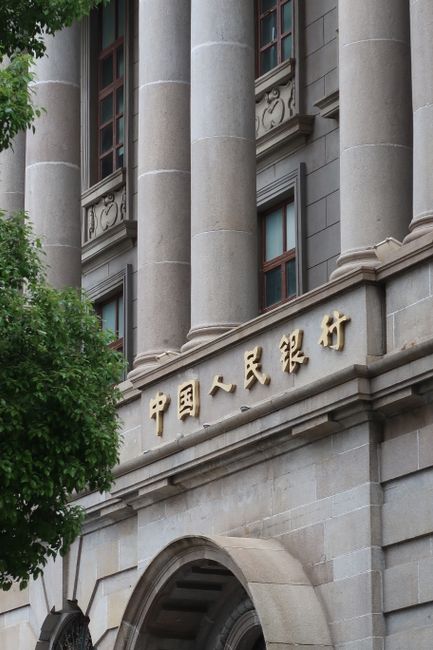
The Chinese government’s proactive fiscal and monetary policies have played a pivotal role in facilitating and accelerating the economic recovery. Targeted fiscal stimulus, including increased infrastructure spending, tax breaks for businesses, and direct support for key industries, has injected liquidity and fostered investment. Monetary policy has been cautiously accommodative, with interest rate adjustments and reserve requirement ratio (RRR) cuts aimed at lowering borrowing costs and encouraging credit expansion for businesses and consumers. The People’s Bank of China (PBOC) has demonstrated a commitment to maintaining financial stability while supporting growth. Furthermore, the government’s focus on stabilizing the property market, a sector that has faced considerable challenges, through regulatory adjustments and financial support for developers, is gradually yielding positive results, contributing to a more stable economic foundation. These policy interventions are designed to address specific economic bottlenecks and create a more conducive environment for sustained growth. The strategic deployment of these tools underscores Beijing’s commitment to navigating economic complexities and ensuring a robust recovery.
Investment remains a crucial driver of China’s economic momentum. While foreign direct investment (FDI) has experienced some fluctuations, domestic investment, particularly in fixed assets, has shown resilience and strategic direction. Government-backed infrastructure projects, including high-speed rail networks, renewable energy installations, and digital infrastructure, continue to attract substantial capital. This investment not only creates jobs and stimulates economic activity in the short term but also enhances China’s long-term productive capacity and competitiveness. Moreover, there has been a notable shift in investment towards innovation and technology sectors, reflecting China’s ambition to move up the global value chain and reduce reliance on external technological dependencies. The emphasis on research and development (R&D) and the commercialization of cutting-edge technologies are key components of this strategy. This forward-looking investment approach positions China for sustained growth in emerging industries.
The global implications of China’s accelerated economic recovery are profound and far-reaching. As the world’s second-largest economy, China’s robust growth has a significant multiplier effect on global demand for commodities, manufactured goods, and services. Countries that are major trading partners with China, particularly those in Asia, Africa, and Latin America, are likely to benefit from increased export opportunities. The resurgence in Chinese consumption directly translates to higher demand for imported goods, providing a welcome boost to economies that have been grappling with sluggish global trade. Furthermore, China’s increased economic activity supports global supply chains, helping to alleviate some of the pressures experienced in recent years. However, this recovery also presents challenges, including potential inflationary pressures in certain commodity markets and increased competition for global resources. Businesses worldwide are keenly observing China’s economic trajectory to recalibrate their supply chain strategies, market entry plans, and investment decisions. The interconnectedness of the global economy means that China’s economic performance is a critical indicator for overall global economic health.
Challenges, though present, are being actively managed by China’s economic policymakers. While the recovery is accelerating, certain sectors, such as the property market, continue to require careful monitoring and targeted interventions. Global geopolitical tensions and trade frictions can also introduce external risks that may impact export growth and foreign investment. However, China’s economic policymakers have demonstrated a capacity for adaptive and pragmatic responses to evolving circumstances. The government’s emphasis on "dual circulation," a strategy that prioritizes domestic demand while also engaging with international markets, provides a framework for navigating these complexities. Furthermore, efforts to deepen reforms, promote market liberalization, and foster a more predictable business environment are crucial for sustaining long-term growth and attracting both domestic and foreign investment. The government’s commitment to innovation and technological self-reliance is a strategic imperative for future economic development and global competitiveness.
Looking ahead, the trajectory of China’s economic recovery is expected to remain positive, albeit with a focus on quality and sustainability. The emphasis is shifting from sheer speed of growth to more balanced and inclusive development, with a greater focus on environmental protection, technological advancement, and social welfare. Continued investment in human capital, education, and healthcare will be critical for fostering long-term productivity and innovation. The digital economy is poised to play an increasingly significant role, with advancements in artificial intelligence, big data, and e-commerce creating new avenues for growth and efficiency. China’s proactive approach to global economic engagement, coupled with its strong domestic fundamentals, suggests that it will continue to be a pivotal force in shaping the global economic landscape for the foreseeable future. The intricate interplay of domestic demand, industrial strength, strategic policy, and investment will continue to define the narrative of China’s economic resurgence and its impact on the world stage. The speed and resilience of this recovery underscore the adaptability and inherent strengths of the Chinese economy in navigating both domestic and international economic complexities.
