Tag Money Laundering
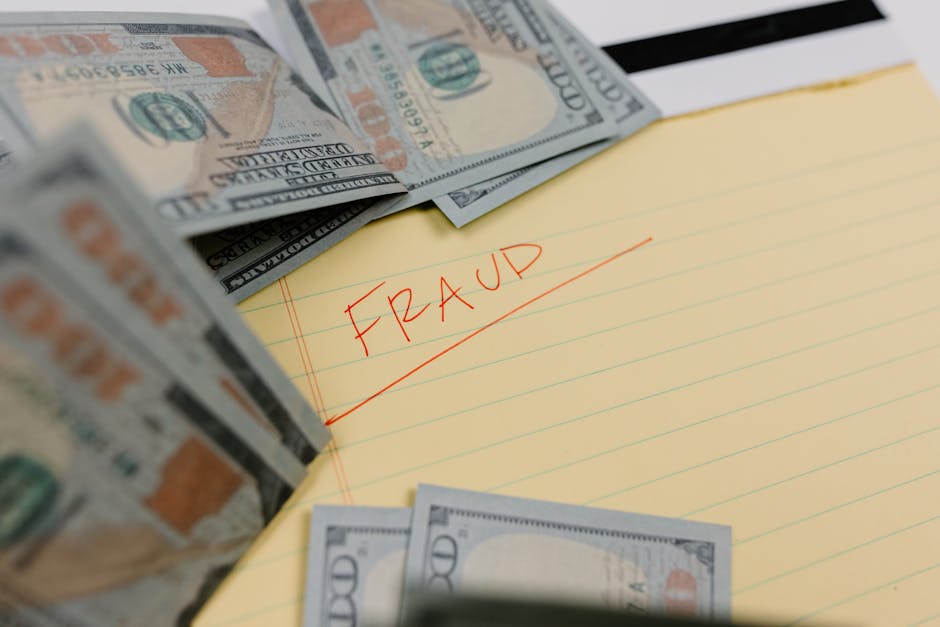
Combating Tag Money Laundering: A Deep Dive into Illicit Finance and Enforcement Strategies
Money laundering, the process of disguising the origins of illegally obtained money by introducing it into the legitimate financial system, poses a significant threat to global economic stability and security. While often associated with large-scale criminal enterprises, a less visible but equally damaging facet of this illicit activity involves what can be broadly termed "tag money laundering." This refers to the sophisticated methods used to integrate proceeds from various criminal activities, often disguised as legitimate business transactions or financial instruments, into the mainstream economy. Understanding the nuances of tag money laundering is crucial for developing effective countermeasures and safeguarding the integrity of financial markets. The core objective is to make illicit funds appear legitimate, obscuring their criminal source through a series of complex financial maneuvers. This can involve layering transactions, creating shell corporations, utilizing offshore financial havens, and leveraging emerging technologies like cryptocurrencies. The ultimate goal for perpetrators is to achieve ‘clean’ money that can be freely used without attracting the attention of law enforcement or regulatory bodies. This process is not static; it constantly evolves as criminals adapt to new regulations and exploit loopholes in existing financial systems, making continuous vigilance and adaptive strategies paramount.
The spectrum of money laundering techniques is broad and constantly evolving, encompassing both traditional and increasingly sophisticated methods. At its most basic, it involves the three classic stages: placement, layering, and integration. Placement is the initial introduction of illicit cash into the financial system. This can manifest in numerous ways, from depositing small amounts of cash into multiple bank accounts to avoid detection thresholds (structuring or smurfing) to purchasing high-value assets like real estate or luxury goods that can later be resold. Businesses that handle large volumes of cash, such as restaurants, car washes, or casinos, are frequently exploited for this purpose, as they can absorb illicit funds by overstating revenue or understating expenses. The criminal essentially "washes" the dirty money by mixing it with legitimate earnings.
Layering is the most complex stage, designed to distance the illicit funds from their original source through a series of intricate financial transactions. This can involve transferring money between various accounts, often across multiple jurisdictions, to create a confusing audit trail. Shell corporations, particularly those registered in secrecy jurisdictions, are instrumental in this stage. These entities exist only on paper and are used to move funds without any underlying legitimate business activity. Complex financial instruments, such as derivatives, offshore trusts, and even the creation of fake invoices and loan agreements, are employed to further obfuscate the money’s origin. The aim is to create so much movement and so many legitimate-looking transactions that it becomes virtually impossible for investigators to trace the money back to its criminal roots. The sheer volume and complexity of these transactions are intended to overwhelm scrutiny and deter investigation.
Integration is the final stage, where the laundered money is reintroduced into the legitimate economy, appearing as normal business earnings or investments. This can involve investing in legitimate businesses, purchasing luxury assets that can be enjoyed or sold, or funding further criminal activities. The funds, now seemingly clean, can be used by criminals to enjoy their ill-gotten gains or to expand their illicit operations. For instance, laundered money might be used to acquire property, invest in the stock market, or even to make legitimate business loans that are then repaid with the laundered funds, further embedding them into the economy. The success of the integration stage means the criminal effectively has access to their wealth without suspicion.
Beyond these core stages, specific tactics within tag money laundering are continuously refined. Trade-based money laundering (TBML) is a particularly insidious method where the value of goods or services in international trade is manipulated to disguise the movement of illicit funds. This can involve over-invoicing or under-invoicing goods, creating phantom shipments, or misrepresenting the quality or quantity of traded items. For example, a shipment of textiles might be invoiced at twice its actual value, with the difference representing the laundered funds. Alternatively, payment for goods never actually shipped could be made, with the accompanying documentation appearing legitimate. The complexity of international trade and the vast number of transactions make TBML a challenging area for regulators to police effectively.
Bulk cash smuggling remains a prevalent method, especially in regions with less sophisticated financial infrastructure or where physical barriers are less effective. Criminals physically transport large sums of cash across borders, often using private vehicles, cargo shipments, or even couriers. This method bypasses the formal financial system entirely at the initial stages, but it still requires eventual placement and integration into the legitimate economy. The risk of physical seizure is high, but for certain types of criminal enterprises, it is considered a manageable risk.
Real estate is a favored asset for money launderers due to its high value, relatively illiquid nature (which can deter quick investigation), and potential for significant appreciation. Illicit funds can be used to purchase properties outright, often through shell companies or nominees. Once acquired, these properties can be rented out, generating seemingly legitimate income, or sold at a profit, with the proceeds appearing as legitimate capital gains. The use of cash for property transactions, especially in certain jurisdictions, can further obscure the source of funds. The ability to generate rental income or realize capital gains provides a clear path for integration.
The advent of cryptocurrencies and decentralized finance (DeFi) has introduced new avenues for tag money laundering, presenting significant challenges for traditional anti-money laundering (AML) and counter-terrorist financing (CTF) regimes. Cryptocurrencies, with their pseudo-anonymity, cross-border accessibility, and rapid transaction speeds, can be used to move illicit funds quickly and with a degree of privacy that can be difficult to trace. Services known as "mixers" or "tumblers" are specifically designed to obfuscate the trail of cryptocurrency transactions by commingling funds from multiple sources. DeFi platforms, with their complex smart contracts and decentralized governance, can further complicate the identification and tracing of illicit activities. While cryptocurrencies offer legitimate financial innovation, their anonymity features are also exploited by criminals.
The global nature of tag money laundering necessitates a multi-faceted and collaborative approach to enforcement. International cooperation between law enforcement agencies, financial intelligence units (FIUs), and regulatory bodies is paramount. Information sharing, mutual legal assistance treaties, and joint investigations are essential for dismantling transnational criminal networks involved in money laundering. The Financial Action Task Force (FATF) plays a crucial role in setting global standards for AML/CTF and encouraging countries to implement robust frameworks. Compliance with FATF recommendations is essential for countries to avoid being placed on blacklists, which can have severe economic consequences.
Domestically, robust AML/CTF legislation is the bedrock of combating tag money laundering. This legislation typically includes provisions for customer due diligence (CDD) and know your customer (KYC) requirements for financial institutions and designated non-financial businesses and professions (DNFBPs). These regulations mandate that institutions verify the identity of their customers, understand the nature of their business, and assess the risk of money laundering. Enhanced due diligence (EDD) measures are required for higher-risk customers or transactions. Financial institutions are also required to report suspicious transactions (SARs) to their respective FIUs, triggering investigations.
Technological solutions are increasingly vital in the fight against tag money laundering. Advanced data analytics, artificial intelligence (AI), and machine learning (ML) are being employed to identify suspicious patterns and anomalies in vast datasets that would be impossible for humans to process. These technologies can detect unusual transaction volumes, suspicious counterparties, and other red flags indicative of illicit financial activity. Predictive analytics can help identify emerging risks and vulnerabilities in the financial system. The continuous development of these tools is crucial to stay ahead of evolving criminal tactics.
The role of financial institutions and DNFBPs as the first line of defense cannot be overstated. They are legally obligated to implement robust AML/CTF programs, which include risk assessments, internal controls, independent audits, and comprehensive employee training. Failure to comply with these regulations can result in severe penalties, including hefty fines, reputational damage, and even criminal charges. Proactive engagement and a strong culture of compliance within these entities are critical.
The regulatory landscape surrounding tag money laundering is constantly evolving to address new threats and technologies. Regulators are increasingly focusing on the risks posed by virtual asset service providers (VASPs), including cryptocurrency exchanges and wallet providers, mandating they adhere to AML/CTF obligations. The expansion of beneficial ownership transparency initiatives aims to shed light on the ultimate individuals who control and benefit from legal entities, making it harder for criminals to hide behind shell companies. The push for more comprehensive data collection and analysis by regulators is also a growing trend.
Educating the public and raising awareness about the dangers of money laundering are also important components of a comprehensive strategy. By understanding how money laundering undermines society and fuels crime, individuals and businesses can be more vigilant and report suspicious activities. Financial literacy programs can empower individuals to make informed decisions and avoid becoming unwitting participants in money laundering schemes.
In conclusion, tag money laundering is a pervasive and evolving threat that requires a sustained and adaptive response from governments, law enforcement, financial institutions, and the international community. The sophisticated techniques employed by criminals, from traditional layering schemes to the exploitation of emerging technologies, necessitate continuous innovation in detection, prevention, and enforcement strategies. A robust regulatory framework, coupled with effective international cooperation and the strategic application of technology, is essential to disrupt illicit financial flows and safeguard the integrity of the global financial system. The ongoing arms race between criminals and those seeking to combat them underscores the critical need for vigilance, collaboration, and a commitment to a secure and transparent financial future.