Uk Surge Empty Shops Offices Coronavirus Pandemic Rics 4
UK Surge in Empty Shops and Offices Post-Pandemic: A RICS Analysis of Commercial Property Vacancy
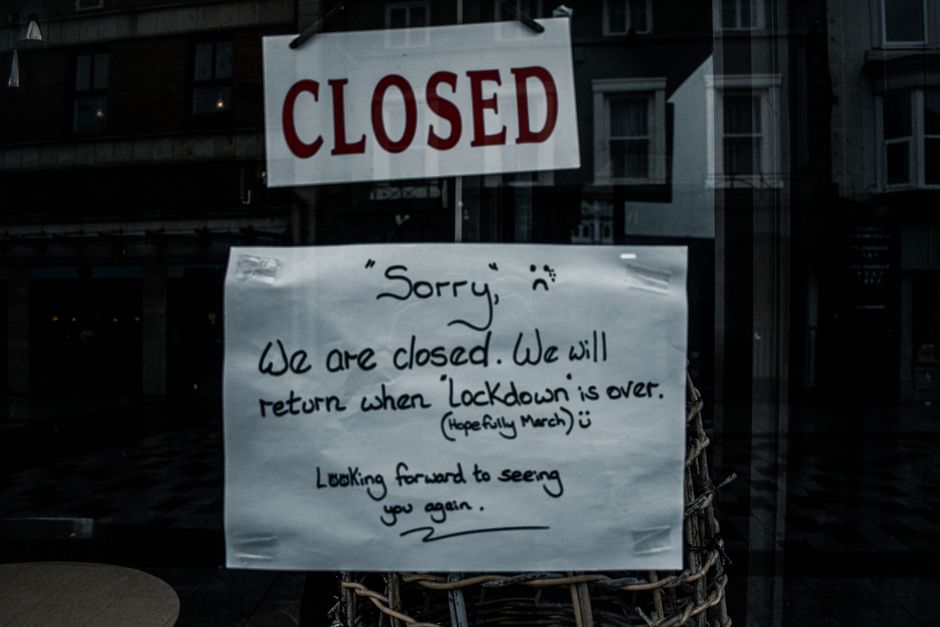
The COVID-19 pandemic has precipitated a significant surge in empty shops and offices across the United Kingdom, profoundly impacting the commercial property sector. This widespread vacancy is not a monolithic issue but a complex interplay of evolving consumer behaviour, necessitated operational shifts, and long-term structural changes exacerbated by the health crisis. The Royal Institution of Chartered Surveyors (RICS) has consistently provided critical data and analysis on this trend, highlighting its multifaceted nature and the urgent need for adaptive strategies. The rise in empty commercial units is directly linked to the economic shockwaves of lockdowns, social distancing measures, and the accelerated adoption of remote working and e-commerce. Retail, in particular, has borne the brunt of this transformation, with high streets and shopping centres experiencing unprecedented levels of unoccupancy.
The retail sector’s pre-existing vulnerabilities were amplified by the pandemic. The ongoing shift towards online shopping, a trend that predates COVID-19, was dramatically accelerated. With physical stores forced to close for extended periods and consumers increasingly accustomed to the convenience of online purchasing, many retail businesses found their business models unsustainable. Footfall declined sharply, not only during lockdowns but also in the subsequent recovery period as consumer habits solidified. This decline in footfall directly translates to reduced sales for brick-and-mortar establishments, leading to rent arrears, business closures, and ultimately, an increase in vacant properties. RICS surveys have consistently reported a deterioration in the retail leasing market, with a significant net balance of surveyors expecting to see a decrease in demand for retail space and a corresponding increase in void properties. This has a ripple effect on town centres, diminishing their vibrancy and economic activity, and necessitating a fundamental rethinking of their purpose. The rise of "ghost town" narratives, while perhaps an exaggeration, reflects the tangible reality of empty storefronts in many urban and suburban areas.
The office sector, while initially thought to be more resilient, has also witnessed a substantial increase in vacancy rates. The widespread adoption of remote working, driven by government mandates and company policies to ensure employee safety, fundamentally altered the traditional office paradigm. Many businesses discovered that their operations could continue, and in some cases even improve, with employees working from home. This has led to a reassessment of office space requirements. Companies are now questioning the necessity of large, centralized office hubs, opting instead for smaller, more flexible arrangements. This includes hybrid working models, where employees split their time between home and the office, and a greater reliance on co-working spaces and satellite offices in more accessible locations. RICS data has indicated a decline in demand for conventional office leases, with an increasing number of landlords facing difficulties in re-letting vacant space. The cost of maintaining empty office buildings, coupled with reduced rental income, presents a significant financial challenge for property owners and investors.
The implications of this surge in empty shops and offices extend far beyond the immediate real estate market. It impacts local economies by reducing employment opportunities and tax revenues. The decline in high street activity can lead to a decrease in ancillary businesses such as cafes, restaurants, and service providers that rely on office workers and shoppers. Furthermore, the visual blight of empty properties can negatively affect property values in surrounding areas and deter future investment. RICS reports frequently highlight the negative sentiment within the commercial property sector, with surveyors expressing concerns about falling rents and capital values, particularly in sectors heavily impacted by vacancy. This cyclical effect can create a downward spiral, making it even more challenging to attract new businesses and revive struggling areas.
Addressing the surge in empty commercial properties requires a multi-pronged approach involving government, local authorities, property owners, and businesses. RICS advocates for policies that encourage adaptation and diversification of commercial spaces. For retail, this could involve repurposing vacant units for alternative uses such as residential, community facilities, or leisure activities. The "living over the shop" initiative, for instance, aims to bring residential units back into town centres, increasing footfall and supporting local businesses. For offices, the focus is on creating more flexible and collaborative workspaces that cater to hybrid working models. This might involve investing in better technology, enhancing amenities, and designing spaces that foster interaction and innovation.
The role of technology in both contributing to and mitigating this crisis is undeniable. The pandemic accelerated digital transformation across all sectors. E-commerce platforms have become more sophisticated, offering wider selections and faster delivery. Simultaneously, technology has enabled remote working, facilitating seamless communication and collaboration among dispersed teams. For commercial property, this means a need to integrate technology into physical spaces to enhance their appeal and functionality. This could include smart building technologies for energy efficiency, improved connectivity, and enhanced user experience. RICS analysis often touches upon the importance of investing in digital infrastructure and promoting digital literacy among businesses to navigate the evolving landscape.
The economic repercussions of widespread commercial vacancy are substantial. Property owners face increased holding costs and reduced rental income. This can lead to financial distress, impacting banks and other lending institutions that have exposure to the commercial property market. Furthermore, local authorities may see a reduction in business rates, impacting their ability to fund public services. The RICS surveys often delve into the financial health of the property sector, quantifying the extent of rent arrears, lease terminations, and changes in property valuations. This granular data is crucial for policymakers to understand the scale of the economic challenge and to formulate appropriate support mechanisms.
The future of commercial property hinges on its ability to adapt to these profound changes. The traditional model of large, single-use spaces is increasingly being challenged. There is a growing demand for mixed-use developments that integrate retail, residential, office, and leisure components, creating vibrant and resilient urban environments. This diversification can help to mitigate the risks associated with over-reliance on a single sector. RICS research often points towards the growing importance of sustainability and environmental, social, and governance (ESG) factors in commercial property. Buildings that are energy-efficient, promote well-being, and have a positive social impact are likely to be more attractive to tenants and investors in the long term.
The impact of the pandemic on the retail landscape has been particularly severe, leading to a significant number of shop closures. This has been driven by a combination of factors, including the structural shift towards online retail, which was accelerated by lockdowns, and the financial strain placed on businesses by reduced footfall and trading restrictions. RICS has consistently reported a sharp decline in retail leasing demand, with surveyors anticipating further increases in vacancy rates. The types of retail units most affected include those in secondary locations or those that were already struggling pre-pandemic. The repurposing of these vacant units is a key challenge, with potential for conversion into residential, leisure, or community spaces.
The office sector is undergoing a similar, albeit different, transformation. The widespread adoption of remote and hybrid working models has led many businesses to re-evaluate their office space needs. While the complete demise of the office is unlikely, there is a clear trend towards reduced space requirements and a greater emphasis on flexibility and amenity. RICS surveys indicate a softening of demand for traditional office leases, with a rise in shorter-term lettings and a growing interest in serviced offices and co-working spaces. The appeal of central business districts may also be affected as companies seek to locate offices closer to where their employees live. This shift necessitates a redesign of office spaces to cater to collaborative work and employee well-being.
The surge in empty commercial properties presents a significant challenge for local authorities and urban regeneration efforts. Vacant units can detract from the visual appeal of town centres and contribute to a decline in economic activity. This can lead to a reduction in business rates, impacting the ability of local councils to fund essential services. RICS often highlights the need for proactive intervention and policy support to address these issues. This could include incentives for landlords to re-let vacant properties, grants for businesses to adapt their spaces, and investment in public realm improvements to enhance the attractiveness of commercial areas.
The long-term outlook for the UK commercial property market will depend on its ability to adapt to these fundamental shifts. The pandemic has acted as a catalyst, accelerating pre-existing trends and forcing a re-evaluation of established business models. The RICS analysis consistently underscores the need for innovation, flexibility, and a focus on sustainability. Businesses that can embrace hybrid working, e-commerce, and flexible space solutions will be better positioned to thrive. Property owners that can adapt their portfolios to meet these evolving demands, and local authorities that can facilitate regeneration and diversification, will be crucial in mitigating the negative impacts of this surge in empty shops and offices and building a more resilient commercial property landscape. The data and insights provided by RICS are invaluable in understanding the complexities of this post-pandemic landscape and in informing strategies for recovery and future growth.
