Artificial Intelligence Reshapes Project Management: A Deep Dive into Emerging Trends and Future Outlook


The landscape of project management is undergoing a profound transformation, driven by rapid advancements in artificial intelligence (AI) and generative AI (GenAI). What was once considered a futuristic concept is now an integral part of how projects are conceived, executed, and analyzed, fundamentally altering the roles and responsibilities of project professionals worldwide. This comprehensive analysis, drawing upon insights from over 57 leading statistics and two decades of project management experience, examines the multifaceted impact of AI, from its potential to streamline routine tasks to its influence on job markets and the skills imperative for the next generation of project leaders.
The Genesis of Transformation: AI’s Inroads into Project Management
For decades, project management methodologies have evolved, adapting to new technologies and global complexities. From waterfall to agile, each paradigm shift introduced tools and practices designed to enhance efficiency and success rates. However, the advent of AI, particularly over the last five years and significantly accelerated by the rise of GenAI models like ChatGPT in late 2022, marks a pivotal moment. This technological leap offers unprecedented capabilities for data processing, pattern recognition, and predictive analytics, promising to revolutionize project delivery. Project managers, while aware of this potential, are now navigating the practicalities of adoption, seeking tangible benefits amidst the hype.
The core promise of AI in project management lies in its ability to automate, augment, and optimize various stages of the project lifecycle. Gartner, a leading research and advisory company, famously predicted that 80% of project management tasks will be eliminated by AI by 2030. This startling statistic does not, however, portend a mass displacement of human project managers. Instead, it signals a significant shift in the nature of project work, liberating professionals from mundane, administrative duties such as data collection, status reporting, and routine tracking. By offloading this "busywork," AI enables project managers to redirect their focus towards strategic oversight, complex problem-solving, stakeholder engagement, and innovative leadership—areas where human intelligence, emotional acumen, and critical thinking remain indispensable.
Current Adoption Landscape and Emerging Trends

The integration of AI tools into organizational workflows is still in its nascent stages, exhibiting varied adoption levels across industries and regions. According to Capterra, 22% of project managers report that AI tools are currently deployed and in use within their organizations. This figure is corroborated and expanded upon by other industry bodies: the Project Management Institute (PMI) indicates that a third of practitioners’ organizations have adopted AI in at least a moderate capacity. However, the depth of this adoption varies, with only 12% of organizations having embraced AI in a truly substantial way. Unsurprisingly, tech-forward companies lead this charge, with 34% demonstrating significant AI integration.
Regional differences also play a role, with Latin America, for instance, showing high AI maturity levels and a proactive approach to preparing employees for AI tool usage (PMI). Conversely, Oceania is noted for its efforts in building or recruiting AI competence into organizations (PMI). These statistics highlight a clear trend: early adopters are gaining experience, but widespread, deep integration is still a future state for many.
The Evolving Role of the Project Manager: Jobs, Skills, and Compensation
The pervasive question surrounding AI’s impact on any profession is whether it will lead to job displacement. In project management, the consensus among experts leans towards augmentation rather than wholesale replacement. While AI can handle data-intensive and repetitive tasks, the human elements of leadership, negotiation, empathy, and strategic vision remain irreplaceable. As one analyst noted, "human intelligence will never be completely removed from project delivery."
AI’s potential to foster fairness in hiring processes is also noteworthy; 47% of people believe AI would treat all job applicants more equally than humans (Pew Research). This perception could lead to more objective candidate assessments for project management roles.
The shift, therefore, is not about jobs disappearing but about roles transforming. Project managers will increasingly become orchestrators of AI tools, leveraging them to enhance their capabilities. Key skills for the future project manager will include:

- AI Literacy: Understanding AI capabilities, limitations, and ethical considerations.
- Data Interpretation: Moving beyond data collection to deriving actionable insights from AI-generated analytics.
- Strategic Thinking: Focusing on higher-level planning, innovation, and alignment with organizational goals.
- Emotional Intelligence (EQ): Crucial for navigating complex stakeholder relationships, team dynamics, and conflict resolution, areas where AI falls short.
- Adaptability: The ability to continuously learn and integrate new AI technologies into workflows.
While a dedicated "AI Project Manager" role is still emerging, preliminary salary data suggests a premium for these specialized skills. For instance, the average salary for an AI project manager in London, UK, was estimated at £75,000, with Glassdoor reporting a range of £41k to £77k for an AI project leader. In the US, Salary.com indicates that an AI project manager at a company like Wells Fargo could earn between $90,629 and $124,401. These figures often surpass the average project manager salaries, reflecting the high demand for professionals who can bridge the gap between AI technology and project delivery. However, there is an ongoing debate about whether the long-term impact of AI, by automating administrative work and potentially reducing the need for extensive human oversight in routine tasks, might eventually lead to a stabilization or even reduction in average project management salaries as companies seek cost efficiencies.
Key Applications and Benefits of AI in Project Delivery
AI is already being deployed across various project management domains, offering tangible benefits:
- Enhanced Planning and Scheduling: AI algorithms can analyze vast datasets of historical projects, identify optimal pathways, predict potential delays, and create more accurate schedules. This moves beyond traditional predictive analytics towards prescriptive analytics, offering actionable recommendations for course correction.
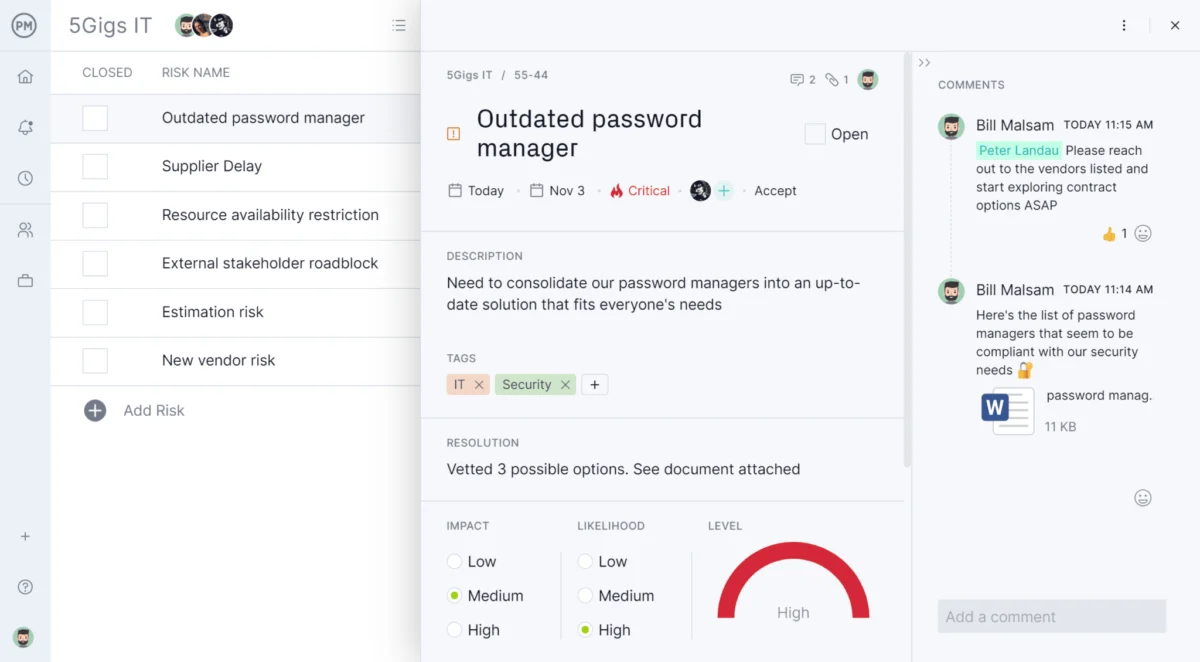
- Risk Management: AI tools excel at identifying patterns and anomalies that might indicate emerging risks. They can proactively flag potential issues, assess their likelihood and impact, and even suggest mitigation strategies. This is a significant improvement over manual risk assessments, which can be time-consuming and prone to human bias.
- Resource Optimization: Managing resource availability and capacity is a perennial challenge for project managers. AI can optimize resource allocation by analyzing skills, availability, and project demands, ensuring the right people are on the right tasks at the right time.
- Quality Assurance: AI can monitor project deliverables for quality, detect defects, and ensure compliance with standards, leading to higher quality outcomes.
- Performance Monitoring and Reporting: AI can automate the collection and analysis of project data, generating real-time performance dashboards and reports, freeing project managers from tedious manual reporting.
- Stakeholder Analysis: While direct stakeholder management and communication are still largely human-driven, AI can provide sentiment analysis from communication data, offering insights into stakeholder attitudes and helping tailor engagement strategies.
Interestingly, domains such as stakeholder management, project communication, and project budgeting are currently perceived to have a lower immediate impact from AI. This underscores the enduring importance of human soft skills and strategic financial oversight that AI, in its current form, cannot fully replicate.
Barriers to Adoption: Navigating the Complexities
Despite the clear benefits, the widespread adoption of AI in project management faces several significant hurdles, many of which are "classic" barriers to any new technology, amplified by AI’s unique complexities:

- Limited Funding and Investment: Implementing AI solutions, especially custom-built ones, can be costly, requiring substantial investment in technology, infrastructure, and skilled personnel.
- User Adoption and Training: A lack of adequate training is a pervasive issue. Many project managers report not having been provided with the necessary education to effectively use AI tools. This leads to skepticism and underutilization.
- Lack of Senior Leadership Support: Without strong advocacy from top management, AI initiatives can falter due to insufficient resources and organizational prioritization.
- Data Quality and Preparation: AI models are only as good as the data they are trained on. Many organizations struggle with "dirty" or unstructured data, making it difficult to leverage AI effectively. Extensive data cleansing and preparation are often required, adding to project timelines and costs.
- Cybersecurity and Data Privacy Concerns: Integrating AI tools, particularly those that handle sensitive project data, raises significant cybersecurity risks and privacy concerns. The lack of complete ownership or control over data fed into third-party AI models (like public GenAI tools) is a major deterrent, especially in regulated industries.
- Ethical Implications and Bias: AI models can perpetuate or even amplify existing biases if trained on biased data. Ensuring ethical AI use and preventing discriminatory outcomes is a complex challenge requiring careful oversight and robust governance.
- Regulatory Lag: The rapid pace of AI development has outstripped regulatory frameworks. In highly regulated industries like healthcare and financial services, the absence of clear guidelines can hinder adoption due to compliance risks.
- Environmental Impact: Training large language models (LLMs) is incredibly energy-intensive. One study by Stanford suggested that training an LLM can emit 25 times more carbon than a one-way air trip between New York and San Francisco. This significant carbon footprint raises sustainability concerns and may deter companies from developing their own extensive AI solutions.
Project Managers’ Sentiment and the Future Outlook
Despite the challenges, the overall sentiment among project managers regarding AI is largely positive and optimistic. A significant majority view AI as a valuable helper rather than a threat:
- 78% of project managers believe AI will positively impact their jobs.
- 73% are optimistic about the future of project management with AI.
- 60% believe AI will make project management easier.
- 58% feel excited about using AI in their work.
However, this optimism is tempered by a clear call for support: 75% of project managers state that their organization has not provided sufficient training on AI tools. This gap between perceived potential and practical enablement highlights a critical area for organizational investment.
The future of project management is poised for continued evolution, with AI playing an increasingly central role. The profession will likely see AI-driven solutions become embedded in every stage, from initial scoping to final analysis. This integration promises to remove administrative burdens, enhance decision-making through data-driven insights, and ultimately contribute to higher project success rates.
Strategic Takeaways for Organizations and Professionals
Based on current trends and expert analysis, several strategic takeaways emerge:
- AI as an Augmentor, Not a Replacer: The most crucial insight is that AI is not designed to replace human project managers but to augment their capabilities. The unique human skills—business acumen, systems thinking, cultural understanding, emotional intelligence, and leadership—are beyond the current scope of AI. Project managers must focus on developing these inherently human strengths while leveraging AI for analytical and administrative tasks.
- Benefits for Complex Projects and Data-Rich Environments: AI’s true power shines in managing complex projects with vast datasets. Industries such as IT, technology, legal, and construction, which generate enormous amounts of data, stand to benefit significantly from AI’s ability to sift through, analyze, and derive insights from this information. However, this necessitates a commitment to data cleansing and preparation as a foundational step.
- Empowering Less Experienced Professionals: Generative AI, in particular, can democratize access to project management knowledge and best practices. By analyzing historical project data and providing guidance, GenAI can support less experienced project professionals in planning, executing, and monitoring projects, effectively acting as an intelligent assistant. This is vital for a profession facing challenges like burnout and the loss of experienced practitioners.
- Prioritizing AI Literacy and Training: Organizations must invest proactively in comprehensive AI training programs for their project professionals. This includes not only technical proficiency with AI tools but also an understanding of ethical AI use, data governance, and critical evaluation of AI-generated outputs.
- Addressing Barriers Holistically: Overcoming adoption barriers requires a multi-pronged approach, including strategic investment, robust cybersecurity measures, clear data governance policies, and proactive engagement with evolving regulatory landscapes.
Conclusion
Artificial intelligence is irrevocably reshaping project management, moving it towards a more data-driven, efficient, and strategically focused discipline. While the journey is fraught with challenges related to data quality, ethical considerations, and organizational readiness, the overwhelming consensus points to a future where AI empowers project managers to achieve greater success. The pertinent question is not merely how AI will impact project management, but rather how the project management community can actively shape AI’s development and application to deliver the best possible outcomes for projects, organizations, and society at large. The call to action is clear: embrace AI, adapt to its evolving demands, and leverage its potential to lead projects into a new era of unprecedented efficiency and innovation.