Samsung Galaxy Watch 8 Classic LTE Model Sees Unprecedented 51% Price Drop One Year Post-Launch

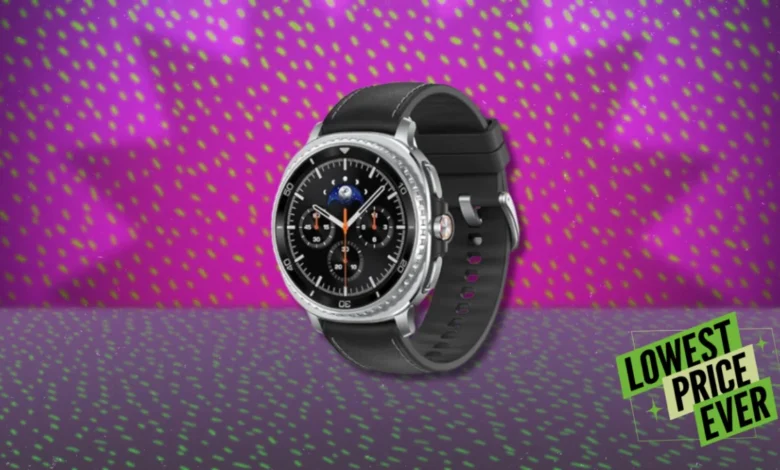
The premium Samsung Galaxy Watch 8 Classic LTE model has become significantly more accessible to consumers, with an unprecedented price reduction making it cheaper than its more budget-oriented counterpart, the standard Galaxy Watch 8. Released just last summer, the high-end smartwatch is now available for $269.99, a substantial markdown from its original price of $549.99. This 51% discount marks the lowest price recorded for the LTE version of the Galaxy Watch 8 Classic since its debut in July 2025, according to comprehensive price-tracking data. The deal, highlighted by Lifehacker’s Shopping Editor Daniel Oropeza on July 21, 2026, presents a compelling opportunity for consumers seeking advanced wearable technology at a mid-range price point.
Context of the Significant Price Adjustment
The technology market is characterized by rapid innovation and aggressive pricing strategies, especially in the competitive wearables segment. Smartwatches, in particular, often see price adjustments within a year or two of their release as manufacturers prepare for new generations or aim to expand market share. The Galaxy Watch 8 Classic’s substantial price drop, occurring precisely one year after its launch, aligns with typical industry cycles. This timing suggests Samsung, possibly in collaboration with retailers like Woot (credited for the deal imagery), is either clearing inventory in anticipation of a forthcoming model or employing a strategic move to capture a broader segment of the market by offering premium features at a more competitive price. The irony of the Classic model, originally positioned as the more expensive, feature-rich option, now being more affordable than the base Galaxy Watch 8, underscores the dynamic nature of tech pricing. This shift empowers consumers to access higher-tier specifications without the usual premium cost.
Key Features and Enhancements of the Galaxy Watch 8 Classic
The Galaxy Watch 8 Classic distinguishes itself from the standard model primarily through its design and additional functionalities. Its most iconic feature is the physical rotating bezel, a hallmark of Samsung’s Classic series. This tactile navigation tool allows users to effortlessly scroll through menus, notifications, and apps with a satisfying click, offering a tangible and intuitive alternative to touch-only interaction, especially useful during workouts or when wearing gloves. Lifehacker Senior Health Editor Beth Skwarecki praised this bezel in her first impressions, noting its contribution to an intuitive user experience.
Beyond the bezel, the LTE connectivity is a critical differentiator for this particular model. Unlike GPS-only smartwatches that require a paired smartphone for full functionality, the LTE version allows users to make calls, send messages, stream music, and access cloud-based apps directly from their wrist, even when their phone is not nearby. This feature offers unparalleled freedom for runners, hikers, or anyone who prefers to leave their phone behind during certain activities, ensuring continuous connectivity for emergencies or entertainment. This independence is a significant draw for active individuals and those who value uninterrupted communication.
In terms of physical attributes, the Galaxy Watch 8 Classic is exclusively available in a larger 46mm screen size. This provides ample display real estate for detailed health metrics, clear notifications, and immersive watch faces. The larger form factor also typically accommodates a bigger battery, contributing to the advertised 30 hours of use on a single charge. While real-world battery life can vary based on usage intensity (e.g., constant GPS tracking or LTE calls), 30 hours positions it competitively within the premium smartwatch segment. The display itself is expected to be a vibrant Super AMOLED panel, offering excellent contrast, deep blacks, and high brightness, ensuring readability even in direct sunlight. Durability features like sapphire crystal glass and water resistance (typically 5ATM) are also standard for a watch of this caliber, making it suitable for swimming and harsh conditions.
Advanced Health and Fitness Ecosystem
Samsung’s Galaxy Watch series has consistently focused on comprehensive health and fitness tracking, and the Watch 8 Classic builds upon this legacy with a sophisticated suite of sensors and software. The device goes beyond basic step counting, offering in-depth analysis of various physiological metrics.
- Running Dynamics: As noted by Beth Skwarecki, the watch provides intuitive running dynamics, analyzing metrics such as ground contact time, vertical oscillation, and asymmetry. This data helps runners understand their form, identify potential inefficiencies, and work towards improving their running economy and reducing injury risk. The integration with fitness apps like iFIT or Zwift, or through Bluetooth FTMS (Fitness Machine Service) and NFC tap-to-sync, further enhances its utility for structured workouts, allowing seamless data transfer between the watch and compatible gym equipment or virtual training platforms.
- Heart Rate Zones: The watch intelligently tailors heart rate zones to the user’s maximum heart rate, providing personalized guidance for different workout intensities (e.g., fat burn, cardio, peak). This feature is crucial for targeted training, whether an athlete is aiming for endurance, speed, or recovery. Continuous heart rate monitoring also provides insights into resting heart rate and unusual fluctuations, which can be indicators of overall cardiovascular health.
- Antioxidant Index: A more novel feature, the antioxidant index, offers a glimpse into a user’s dietary health. While the precise methodology for measuring this through a wearable might involve complex algorithms based on various physiological signals and user-input data, its inclusion highlights Samsung’s ambition to provide holistic health insights beyond traditional fitness metrics. It encourages users to be more mindful of their nutritional intake and its impact on their body’s oxidative stress levels.
- Body Composition Analysis (BIA): Premium Samsung watches typically include Bioelectrical Impedance Analysis (BIA) sensors, allowing users to measure body fat percentage, skeletal muscle mass, body water, and BMI directly from their wrist. This provides a more detailed picture of body composition than just weight, assisting users in tracking their fitness progress more effectively.
- ECG and Blood Oxygen Monitoring (SpO2): Essential for health monitoring, the Galaxy Watch 8 Classic is expected to feature an Electrocardiogram (ECG) sensor to detect signs of atrial fibrillation (Afib) and a SpO2 sensor to measure blood oxygen levels. These features provide critical data points for monitoring cardiac health and respiratory function, especially relevant for individuals with certain health conditions or those training at altitude.
- Sleep Tracking and Stress Monitoring: Comprehensive sleep tracking analyzes sleep stages (REM, light, deep), duration, and quality, offering personalized coaching and insights to improve sleep habits. Stress monitoring, often measured through heart rate variability, helps users identify stress triggers and provides guided breathing exercises to manage stress levels throughout the day.
- GPS and Route Tracking: Built-in GPS is standard, enabling precise tracking of outdoor activities without needing a phone. This includes distance, pace, elevation, and route mapping, which can be reviewed post-workout to analyze performance.
Comparison with the Standard Galaxy Watch 8

The Galaxy Watch 8 series was launched with two distinct design philosophies: the standard Galaxy Watch 8 and the premium Galaxy Watch 8 Classic. The base model, offered in 40mm and 44mm sizes, typically caters to users who prefer a more minimalist, streamlined design without the physical bezel. It generally comes at a lower price point, making it the "budget-friendly" option. However, with the current deal, the 46mm LTE Classic model at $269.99 is now considerably cheaper than the typical retail price of even the smaller standard Galaxy Watch 8. This pricing anomaly makes the Classic a significantly more attractive proposition for those who might have initially considered the base model but now have access to premium features like the rotating bezel and larger display at a reduced cost. The Classic’s larger size and more robust aesthetic also appeal to users who prefer a traditional watch feel.
Broader Market Implications and Competitive Landscape
The smartwatch market is a fiercely contested arena, dominated by major players like Apple, Samsung, and Google, with strong competition from brands like Garmin, Fitbit, and Huawei. Apple typically holds a leading market share, particularly in regions where iPhone penetration is high. Samsung, with its robust ecosystem of Android devices, is a strong contender, especially for Android users. The release of the Google Pixel Watch has also intensified competition, pushing manufacturers to innovate and differentiate their offerings.
Such aggressive pricing on a premium model like the Galaxy Watch 8 Classic could have several implications:
- Increased Market Share: By making a high-end device more affordable, Samsung can attract new users who might have previously found the price prohibitive. This could help expand its market share against competitors.
- Pressure on Competitors: A significant price drop on a flagship device puts pressure on rivals to adjust their own pricing or enhance their value propositions, benefiting consumers in the long run.
- Consumer Value: For consumers, this deal represents exceptional value, offering features typically found in devices costing upwards of $500 for nearly half the price. This makes advanced health tracking, seamless connectivity, and premium design more accessible.
- Future Product Strategy: This sale could be a strategic move to clear existing inventory ahead of the potential launch of the Galaxy Watch 9 series, which is typically unveiled alongside Samsung’s new foldable smartphones. Such a move would allow Samsung to transition smoothly to its next generation of wearables without significant leftover stock.
Chronology of Samsung Galaxy Watch Development
Samsung has been a pioneer in the smartwatch space, consistently evolving its wearable technology.
- 2013: Samsung launched one of the first mainstream smartwatches, the Galaxy Gear, running on its Tizen OS.
- Mid-2010s: The company continued to refine its Tizen-based smartwatches, introducing features like rotating bezels (Gear S2 onwards) and robust fitness tracking.
- 2021: A pivotal shift occurred with the Galaxy Watch 4, which marked Samsung’s return to Google’s Wear OS, co-developed with Samsung’s One UI Watch interface. This collaboration aimed to combine the strengths of both platforms, enhancing app compatibility and overall user experience.
- 2022-2024: Subsequent iterations, including the Galaxy Watch 5 and Watch 6 series, continued to refine the Wear OS experience, focusing on improved sensors, battery life, and software integrations.
- July 2025: The Galaxy Watch 8 series was launched, comprising the standard Galaxy Watch 8 and the Galaxy Watch 8 Classic. This generation likely brought further enhancements in processing power, sensor accuracy, and software capabilities, building on the foundation of Wear OS 4 (or a later iteration). The Classic maintained its signature rotating bezel and premium aesthetics.
- July 2026: The current significant price reduction on the Galaxy Watch 8 Classic LTE model is observed, approximately one year after its initial market release.
This chronology illustrates Samsung’s consistent commitment to the smartwatch segment, marked by continuous innovation and strategic platform development, culminating in devices like the Galaxy Watch 8 Classic that blend advanced technology with user-centric design.
Official Responses and Industry Observations
While Samsung has not issued an official statement specifically on this particular retail price drop, the company’s broader strategy consistently emphasizes making advanced technology accessible to a wider audience. Retailers like Woot often engage in aggressive promotional activities, particularly for popular tech products nearing their anniversary or preceding a new model launch. The consistent tracking by tech news outlets such as Lifehacker, with dedicated shopping editors like Daniel Oropeza, plays a crucial role in informing consumers about these fleeting but significant deals. The detailed reviews and first impressions from Lifehacker’s health editor, Beth Skwarecki, further attest to the product’s capabilities, providing independent validation of its features and performance. Such editorial coverage helps consumers make informed purchasing decisions amidst a flood of market promotions.
Conclusion: A Prime Opportunity for Smartwatch Enthusiasts
The current offer on the Samsung Galaxy Watch 8 Classic LTE at $269.99 represents an exceptional confluence of timing and value. For consumers in the market for a high-performance smartwatch, this deal effectively lowers the barrier to entry for a device packed with premium features. The combination of a beloved physical rotating bezel, comprehensive LTE connectivity for phone-free independence, advanced health monitoring capabilities, and a robust fitness ecosystem makes the Galaxy Watch 8 Classic a compelling choice. This significant discount, occurring a year after its initial release, provides an opportune moment to acquire a top-tier wearable at a price point typically reserved for mid-range devices. As with all such limited-time offers, prospective buyers are advised to act promptly, as pricing and availability are subject to rapid change.