Construction projects are inherently complex, sprawling endeavors fraught with challenges ranging from stringent regulatory requirements and critical safety protocols to intricate equipment rentals and the delicate coordination of multiple specialized teams. To navigate this labyrinth of tasks and ensure projects remain on schedule and within budget, robust and dynamic construction scheduling software is no longer a luxury but a fundamental necessity. This article delves into the leading solutions for 2026, offering an in-depth analysis of their capabilities, benefits, and limitations for construction professionals.
Understanding Construction Scheduling Software: A Digital Backbone
Construction scheduling software refers to a category of digital tools designed to empower project teams in the creation, management, and optimization of construction timelines. These platforms leverage a suite of functionalities, including interactive Gantt charts, comprehensive project calendars, detailed task lists, and intuitive dashboards, to provide a centralized hub for project oversight. The right software facilitates seamless task assignment, real-time progress tracking, efficient resource management, and proactive reporting of potential delays, consolidating critical project data in one accessible location. Industry data consistently shows that projects utilizing dedicated scheduling tools experience fewer delays and cost overruns, underscoring their value in an sector where margins are often tight.

Essential Features for Modern Construction Scheduling Solutions
Before evaluating specific platforms, it is crucial to understand the core functionalities that define best-in-class construction scheduling software for 2026. Our assessment criteria focused on planning, scheduling, tracking, and collaboration capabilities, scrutinizing how each tool addresses the unique demands of construction projects. The following features represent the benchmarks used for comparison:
- Advanced Planning & Scheduling: Support for Critical Path Method (CPM), task dependencies (e.g., finish-to-start, start-to-start), baseline management, and comprehensive work breakdown structures (WBS).
- Resource Management: Tools to visualize team availability, assign labor and equipment to tasks, balance workloads to prevent over-allocation, and track resource costs.
- Cost Tracking & Budgeting: Integration with project financials, ability to track actual costs against planned budgets, and report on cost variances in real-time.
- Real-time Progress Tracking: Mechanisms for teams to update task status from the field, allowing managers to monitor project progress against the schedule instantly.
- Collaboration & Communication: Centralized platforms for team communication, document sharing, RFI (Request for Information) and submittal management, and stakeholder engagement.
- Reporting & Analytics: Customizable dashboards and reports to visualize key performance indicators (KPIs), identify trends, and provide actionable insights into project health.
- Mobile Accessibility: Robust mobile applications for field teams to access plans, update tasks, and communicate on-site, enhancing productivity and data accuracy.
- Integration Capabilities: Ability to connect with other essential construction software, such as BIM (Building Information Modeling) platforms, accounting systems, and CRM tools.
Top Construction Scheduling Software for 2026: An In-Depth Review
The landscape of construction scheduling software is diverse, offering solutions tailored to various project sizes, complexities, and budget constraints. Here’s a detailed look at the leading options:
1. ProjectManager: Real-Time Command and Control
ProjectManager stands out as an award-winning online project management software designed for teams seeking real-time planning, scheduling, and tracking. Construction teams widely adopt it for a broad spectrum of functions, from team assignments and task dependencies to comprehensive resource allocation and meticulous cost tracking, all consolidated within a single, accessible cloud-based platform.

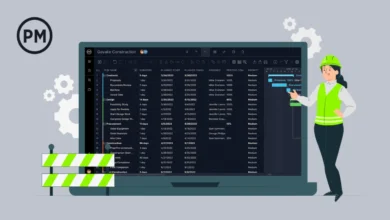
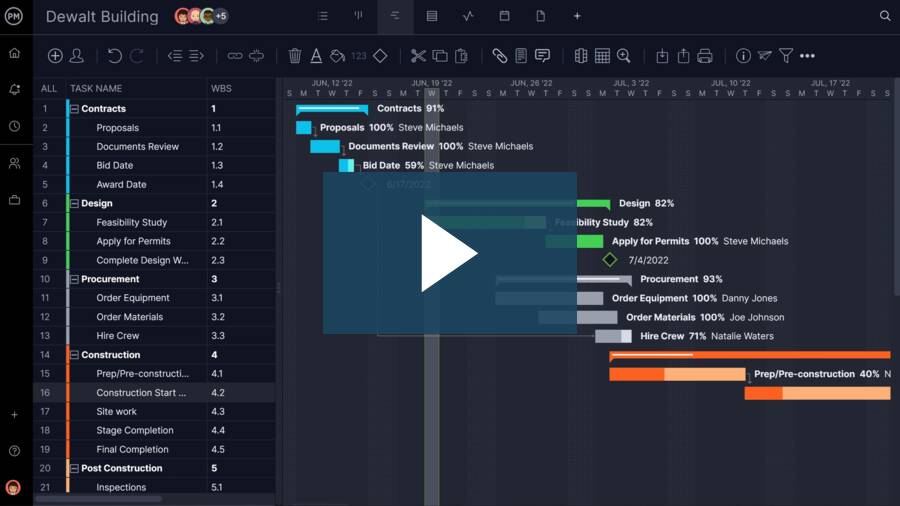
At the heart of ProjectManager’s construction scheduling capabilities is its intuitive online Gantt chart. Tasks are visually represented on a dynamic timeline, with customizable start and end dates and durations that can be adjusted via drag-and-drop functionality. Users can link dependent tasks to proactively prevent bottlenecks, establish milestones for critical project phases, and activate automated critical path detection to continuously identify activities that govern the project timeline. This precision in scheduling is vital for construction projects, where a delay in one task can cascade through the entire build.
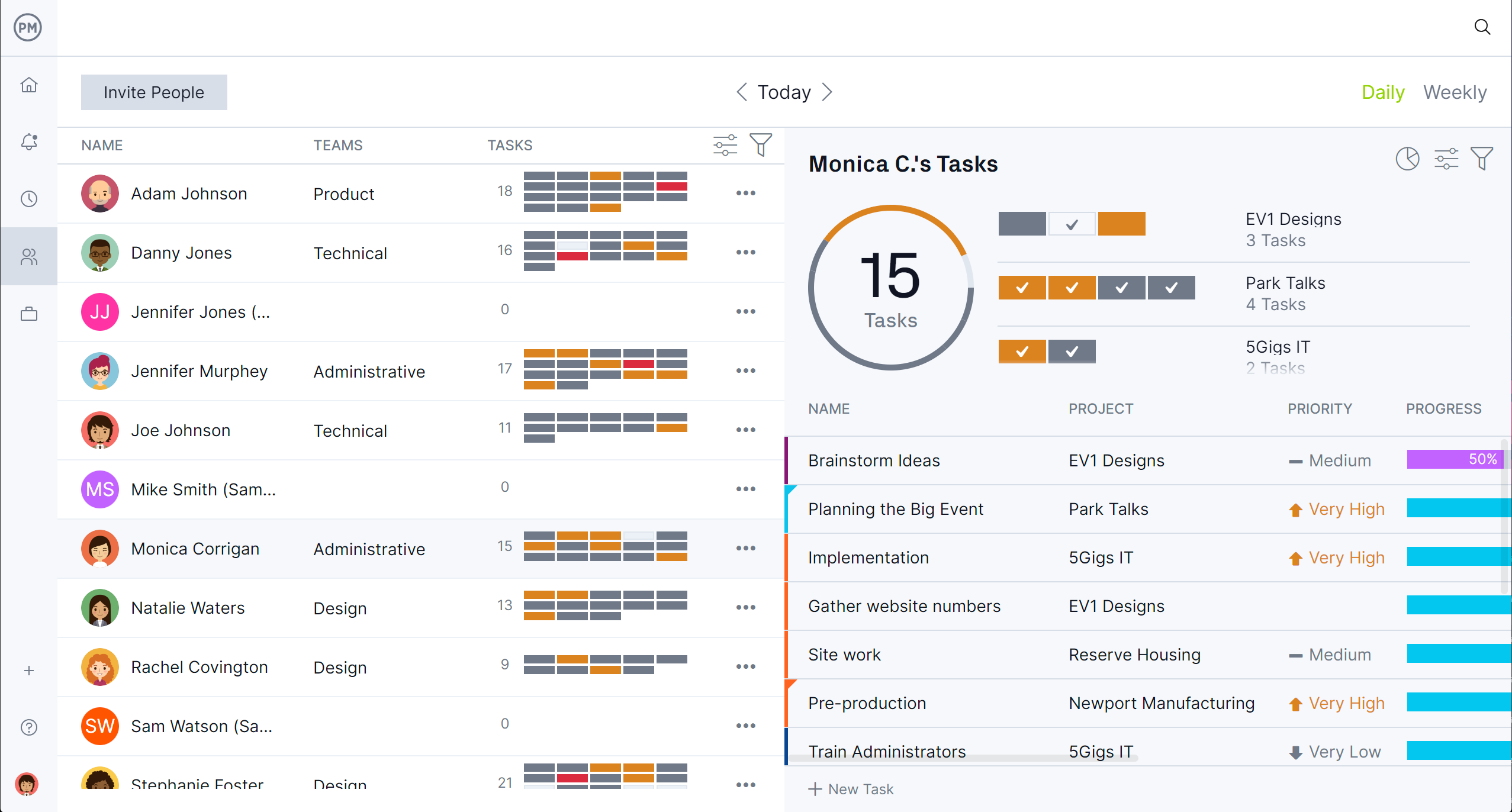
Beyond scheduling, ProjectManager excels in managing the resource-intensive aspects of construction. Its resource management tools offer clear visualization of team availability, enabling project managers to efficiently assign personnel and equipment to specific tasks. The platform facilitates balancing workloads to preemptively address potential overloads, a common challenge in the dynamic construction environment.
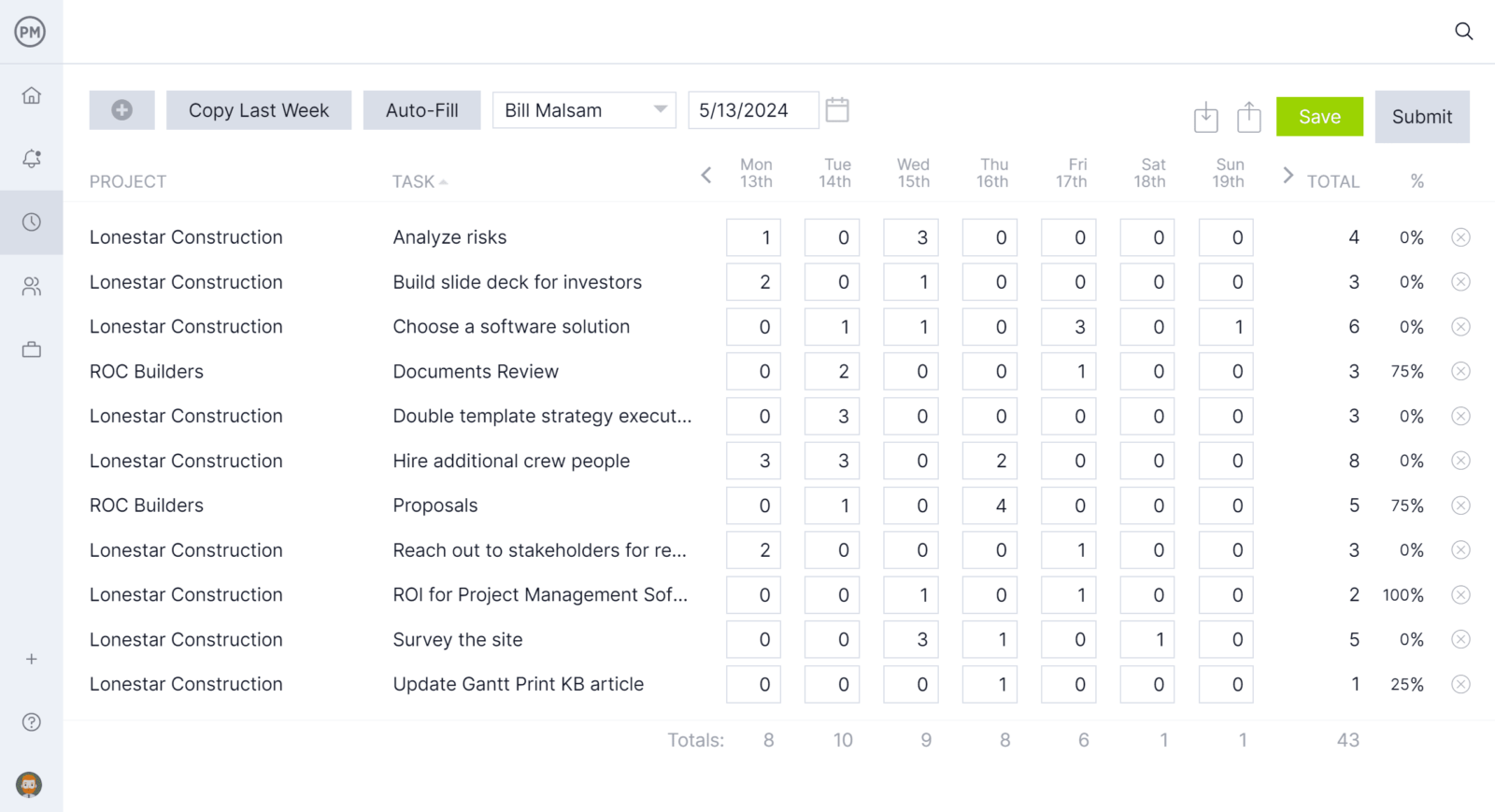
Once the schedule is established, ProjectManager provides robust time tracking features, including timesheets that can be updated directly from the construction site. These updates seamlessly integrate into project cost tracking, offering a holistic view of financial performance. Real-time dashboards deliver live overviews of schedule performance, cost variances, and progress against baseline plans, eliminating the need for manual reporting and empowering managers with instant, data-driven insights. ProjectManager offers a free 30-day trial, allowing prospective users to experience its full suite of features.

Advantages and Key Features:
- Dynamic online Gantt charts with drag-and-drop functionality.
- Automated critical path identification to maintain schedule integrity.
- Comprehensive resource management and workload balancing.
- Integrated timesheets for accurate labor cost tracking.
- Real-time dashboards for instant project performance insights.
- Baseline management for tracking deviations from the original plan.
- Robust collaboration tools for enhanced team communication.
Disadvantages and Limitations:
- May require some initial setup for complex, multi-project portfolios.
- Advanced reporting customization might have a learning curve for new users.
- While comprehensive, some highly specialized construction integrations might need third-party connectors.
Pricing: Offers tiered plans, including a Team plan (starting at $13/user/month), Business plan (starting at $24/user/month), and Enterprise (custom pricing).
Ratings: G2: 4.6/5, Capterra: 4.6/5
Conclusion: ProjectManager is the premier choice for construction scheduling, offering a powerful blend of real-time project tracking, intuitive scheduling tools, and comprehensive resource and cost management capabilities. Its ability to centralize complex project data and provide instant insights makes it invaluable for maintaining project momentum and profitability.
2. Procore: The Enterprise Field-to-Office Ecosystem
Procore is a widely adopted construction project management platform, favored by large general contractors for orchestrating the entire project lifecycle, from initial bidding to final closeout. This robust platform consolidates project control, documentation, field processes, budgets, RFIs, change orders, and scheduling into a single, cloud-based environment.
As a construction scheduling software, Procore delivers fundamental to intermediate scheduling functionalities through Gantt charts, calendar views, and real-time task updates. While its planning features are generally sufficient for most general contractors, it doesn’t achieve the depth of dedicated CPM (Critical Path Method) tools. For advanced resource leveling, variance analysis, and intricate critical path functionalities, users typically need to import data from external tools like Microsoft Project or Primavera P6. However, for large teams seeking a comprehensive platform to manage every facet of a construction project, Procore remains one of the most exhaustive options available.
Users frequently praise Procore for its extensive feature set, though many point to a steep learning curve and its high cost. Pricing is customized based on annual construction volume, which can make it a significant investment for smaller enterprises.
Advantages and Key Features:
- Comprehensive project lifecycle management (bidding to closeout).
- Integrated platform for documents, financials, and field processes.
- Gantt charts and calendar views for scheduling.
- Real-time task updates from the field.
- Strong collaboration and communication tools.
- Mobile access for field teams.
Disadvantages and Limitations:
- Lacks advanced native CPM capabilities (requires external imports for deep analysis).
- Steep learning curve due to its extensive feature set.
- High cost, particularly for smaller companies.
- Customizable pricing can be opaque without direct consultation.
- Interface can be overwhelming for new users.
Pricing: Custom pricing based on annual construction volume.
Ratings: G2: 4.0/5, Capterra: 4.5/5
Conclusion: Procore is an excellent choice for large general contractors and enterprises that require an all-encompassing platform to manage complex construction projects across their entire lifecycle, despite its limitations in advanced native CPM scheduling.
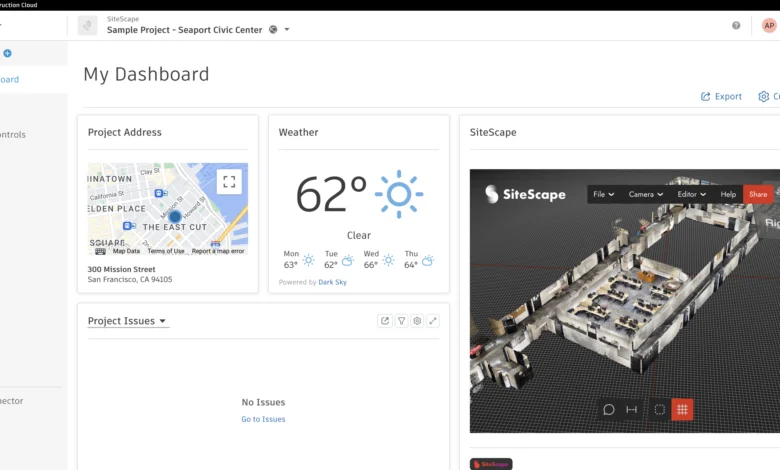
3. Autodesk Construction Cloud: Integrating Design and Execution
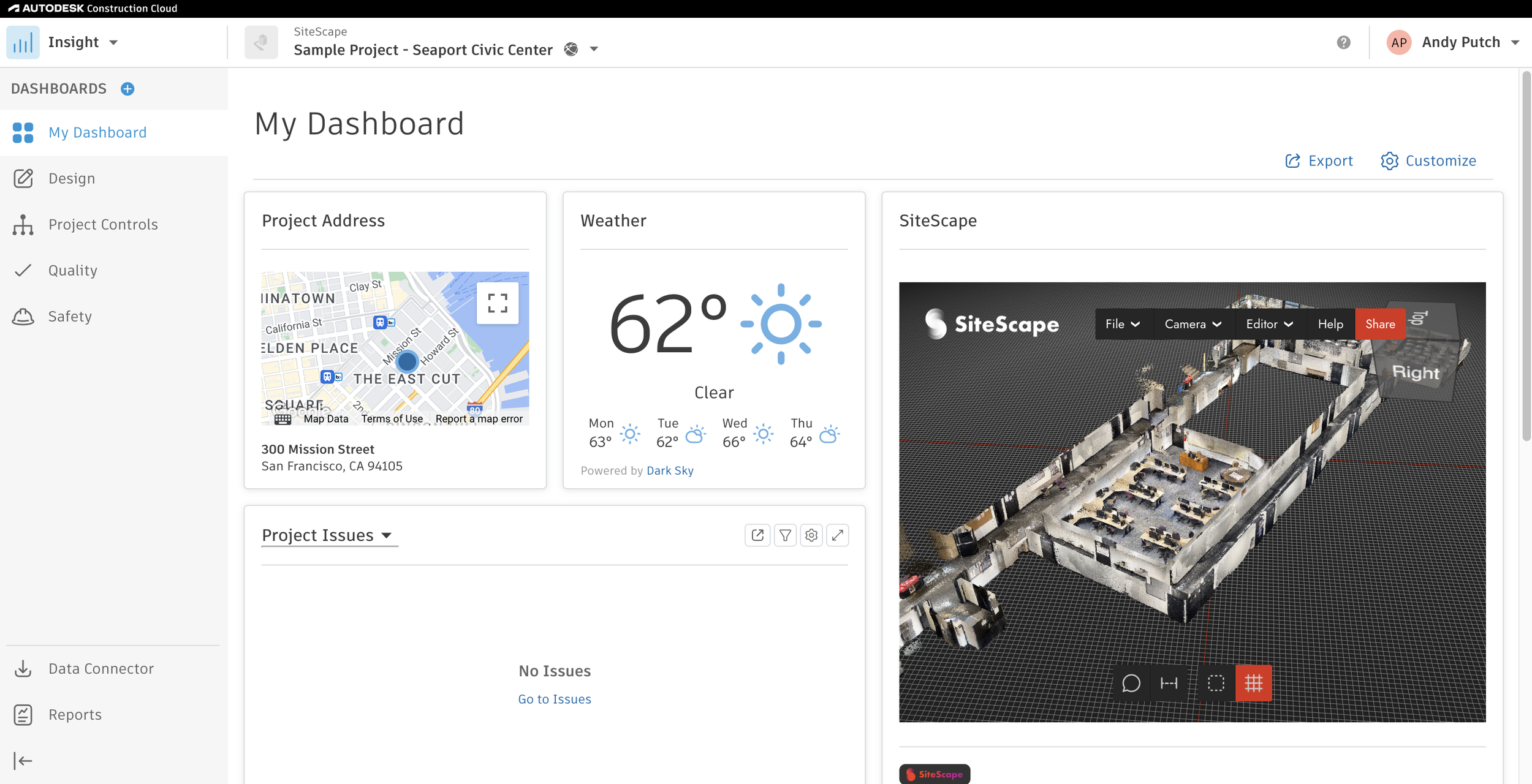
Autodesk Construction Cloud (ACC) is a cloud-based platform that bridges planning, coordination, document management, field execution, and cost control throughout the entire construction project lifecycle. It is primarily utilized by general contractors, owners, and design-build teams who need a unified environment for managing construction data from pre-construction through handover.
In terms of construction scheduling, ACC offers task-based coordination rather than a true native scheduling engine. It notably lacks native CPM logic, advanced Gantt functionalities, baseline capabilities, and resource-driven planning. Teams with significant CPM requirements typically integrate ACC with specialized tools like Primavera P6 or Microsoft Project. Nevertheless, for large organizations already embedded within the Autodesk ecosystem, ACC serves as a powerful hub for connecting design and planning with on-site execution.
Users often report a steep learning curve, complex navigation, and high costs associated with ACC. The platform is best suited for large organizations, with smaller teams frequently finding it overly complex for their needs.
Advantages and Key Features:
- Centralized platform for design, planning, and execution data.
- Strong document management and version control.
- Collaboration tools for design-build teams.
- Integration with Autodesk’s design software (Revit, AutoCAD).
- Field execution features (punch lists, inspections).
- Cost control modules.
Disadvantages and Limitations:
- Lacks native, robust CPM scheduling capabilities.
- Requires integration with external tools for advanced Gantt and baseline management.
- Steep learning curve and complex navigation.
- High cost, often better suited for large enterprises.
- Can be overwhelming for smaller projects or teams.
Pricing: Modular pricing, available upon request.
Ratings: G2: 4.2/5, Capterra: 4.2/5
Conclusion: Autodesk Construction Cloud is an ideal solution for large design-build firms and enterprises deeply integrated with Autodesk products, providing a comprehensive data environment, though it relies on external tools for advanced scheduling.

4. Microsoft Project: The Classic for Detailed CPM
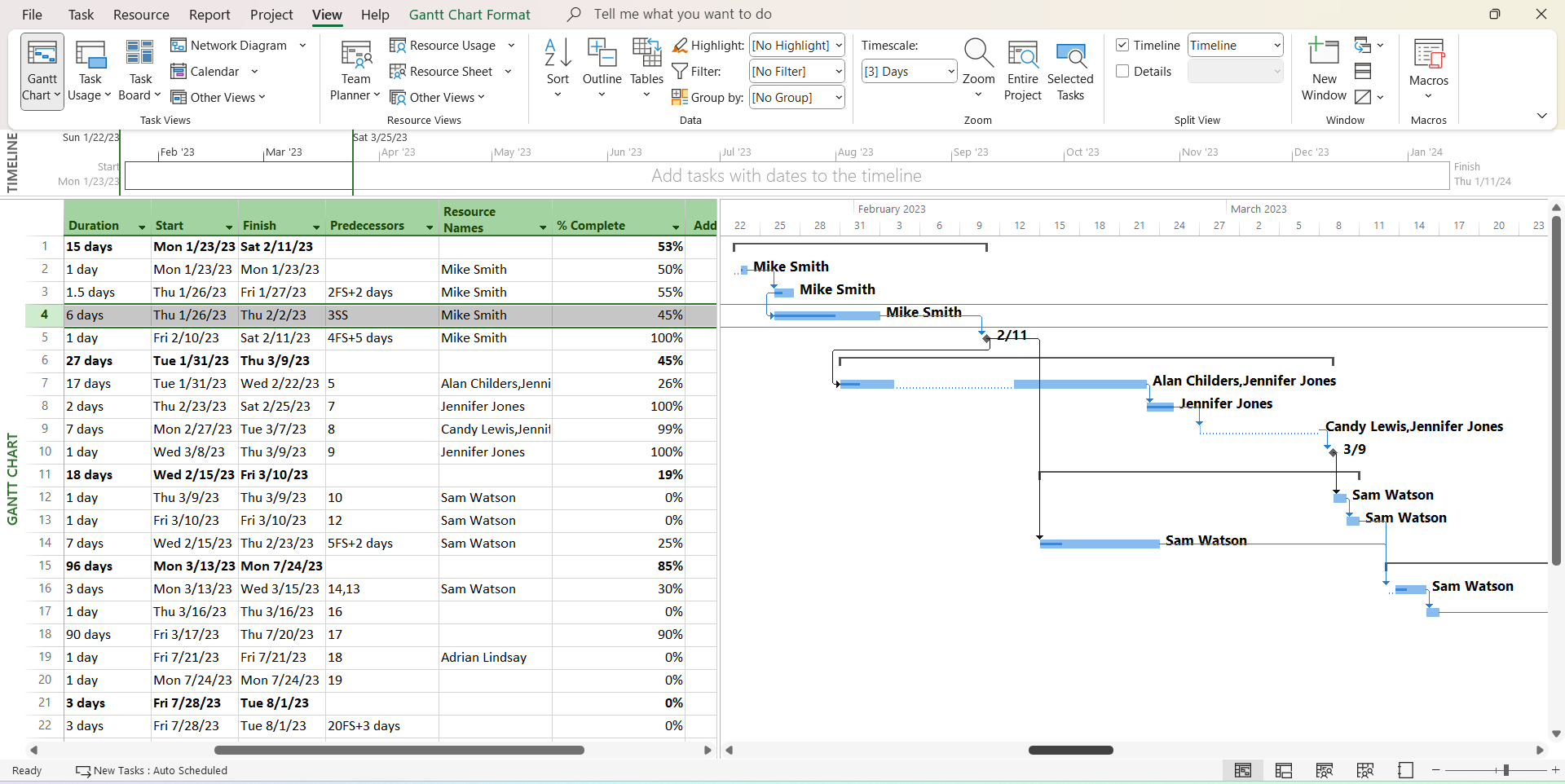
Microsoft Project is a professional-grade project management and scheduling tool, renowned for its ability to create detailed schedules, manage tasks, resources, and costs, and apply CPM-based planning. For decades, it has been a benchmark tool for formal project planning, remaining a prevalent choice in construction, engineering, and infrastructure sectors.
As construction scheduling software, Microsoft Project excels in traditional CPM planning. It offers robust support for task dependencies, baseline creation, progress tracking, and detailed resource management. Its strengths lie in its powerful scheduling engine, allowing for precise control over project timelines. However, its generalist design, somewhat dated user interface, and limited construction-specific field integration represent its weaknesses.
Users frequently cite a steep learning curve, an interface that can feel antiquated compared to modern cloud solutions, and constrained collaboration capabilities, especially for on-site construction teams.
Advantages and Key Features:
- Robust CPM scheduling engine.
- Comprehensive task dependency management.
- Detailed baseline tracking for performance monitoring.
- Advanced resource management capabilities.
- Integration with other Microsoft Office applications.
- Powerful reporting and analysis tools.
Disadvantages and Limitations:
- Steep learning curve for new users.
- Outdated desktop interface compared to cloud-native tools.
- Limited built-in collaboration features for field teams.
- Can be complex for simpler projects.
- Lack of construction-specific field integration.
- Requires additional tools for comprehensive field management.
Pricing: Project Plan 1 ($10/user/month), Project Plan 3 ($30/user/month), Project Plan 5 ($55/user/month), and an on-premise desktop version (one-time purchase).
Ratings: G2: 4.0/5, Capterra: 4.4/5
Conclusion: Microsoft Project is the go-to solution for construction firms that require extensive control over their project timelines and complex CPM analysis, particularly those with dedicated planning teams familiar with its powerful, albeit traditional, capabilities.

5. Primavera P6: The Gold Standard for Complex Capital Projects
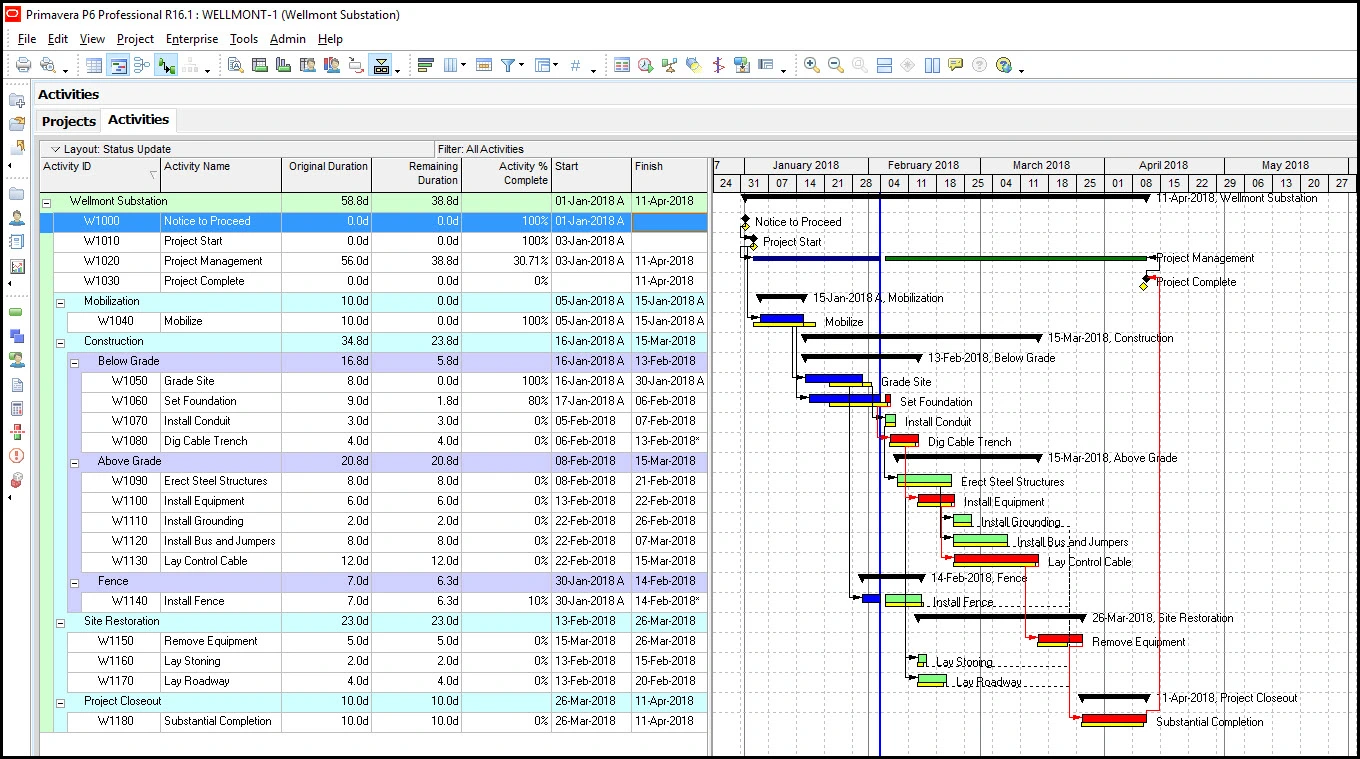
Primavera P6, developed by Oracle, is an enterprise-level scheduling and portfolio management tool widely utilized across the construction, engineering, and infrastructure industries. Designed for critical path method (CPM) scheduling, intricate schedule modeling, and the management of large-scale multi-project programs, it is often regarded as the ultimate benchmark for professional construction schedulers.
As construction scheduling software, Primavera P6 excels in CPM logic, dependency management, baseline control, and portfolio-level planning. These formidable strengths, however, come with inherent trade-offs: significant complexity, a notoriously steep learning curve, limited user-friendliness, and a heavy reliance on highly trained schedulers. For massive infrastructure, oil and gas, or capital projects where schedule precision is paramount, P6 is virtually unrivaled. For the majority of mainstream construction companies, however, it is often considered over-engineered and costly.
Users consistently point out that Primavera P6 is challenging to operate and expensive. Its interface is often described as outdated, the training requirements are substantial, and productivity can suffer without a dedicated scheduling team.
Advantages and Key Features:
- Unparalleled CPM scheduling capabilities.
- Robust dependency management and critical path analysis.
- Comprehensive baseline management and version control.
- Powerful portfolio and program management features.
- Advanced resource and cost loading capabilities.
- Industry-standard for large-scale, complex projects.
Disadvantages and Limitations:
- Extremely steep learning curve and high complexity.
- Dated user interface.
- High acquisition and maintenance costs.
- Requires highly specialized and trained schedulers.
- Limited collaboration features compared to modern cloud platforms.
- Not suitable for small to medium-sized projects.
Pricing: Annual subscription, custom quotes available from Oracle sales.
Ratings: G2: 4.0/5, Capterra: 4.3/5
Conclusion: Primavera P6 remains the definitive choice for mega-projects and large enterprises demanding the highest level of schedule precision and comprehensive portfolio management, provided they have the resources for dedicated, highly skilled schedulers.

6. Buildertrend: Tailored for Residential Builders
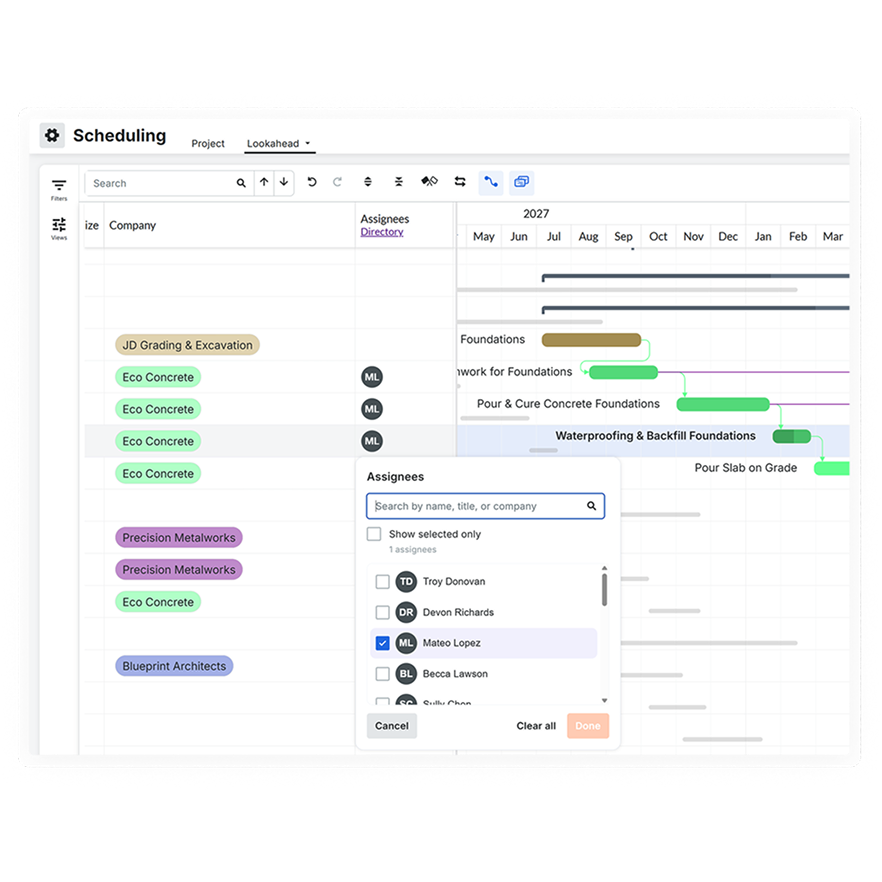
Buildertrend is a leading cloud-based construction project management platform specifically designed for residential builders, remodelers, and specialty contractors. With a substantial user base and a presence in over half of all new residential construction projects in the U.S., it unifies scheduling, financials, client communication, daily logs, and project documentation onto a single platform.
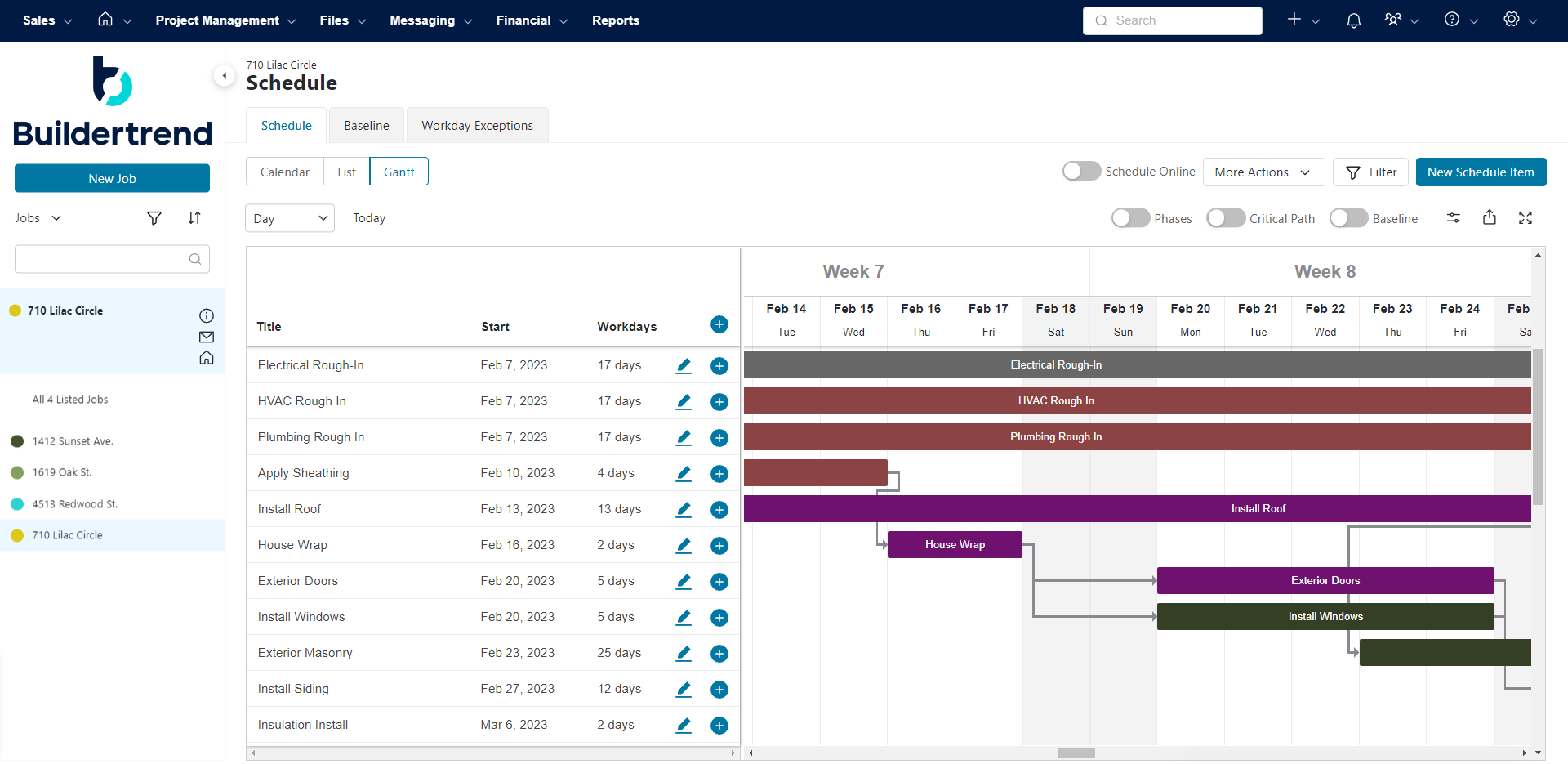
As a construction scheduling tool, Buildertrend offers basic to intermediate scheduling functionalities, including task dependencies, critical path visualization, customizable templates, and multi-view options (Gantt/Calendar). While it lacks advanced CPM features such as full dependency types, in-depth variance analysis, cross-project resource transparency, and robust baseline tracking, it capably addresses the essential requirements of residential construction projects.
Users frequently commend Buildertrend for its extensive feature set and responsive customer service. However, some note a complex interface, a significant amount of manual data input required, and high costs that might be prohibitive for very small contractors.
Advantages and Key Features:
- Comprehensive platform tailored for residential construction.
- Integrated scheduling, financials, and client management.
- Gantt charts, calendar views, and critical path visualization.
- Templates for common residential projects.
- Strong client communication and portal features.
- Mobile app for field updates.
Disadvantages and Limitations:
- Lacks advanced CPM features for highly complex projects.
- Can have a steep learning curve due to its breadth of features.
- High cost for smaller businesses.
- Some users report a need for extensive manual data entry.
- Limited cross-project resource management.
Pricing: Essential ($399/month), Advanced ($699/month), Complete ($999/month). Annual billing often offers discounts.
Ratings: G2: 4.2/5, Capterra: 4.5/5
Conclusion: Buildertrend is an excellent all-in-one solution for residential builders and remodelers, providing a robust set of tools for managing projects from start to finish, with scheduling capabilities that meet the needs of this specific market segment.
7. Monday.com: Agile Work Management for Construction Teams
Monday.com is a globally popular work management platform utilized by teams across various industries to plan projects, assign tasks, track progress, and automate workflows. With a dedicated construction use case, ready-to-use templates, and highly customizable project boards, it has emerged as a favored option for construction teams seeking flexibility without the complexity often associated with traditional scheduling tools.
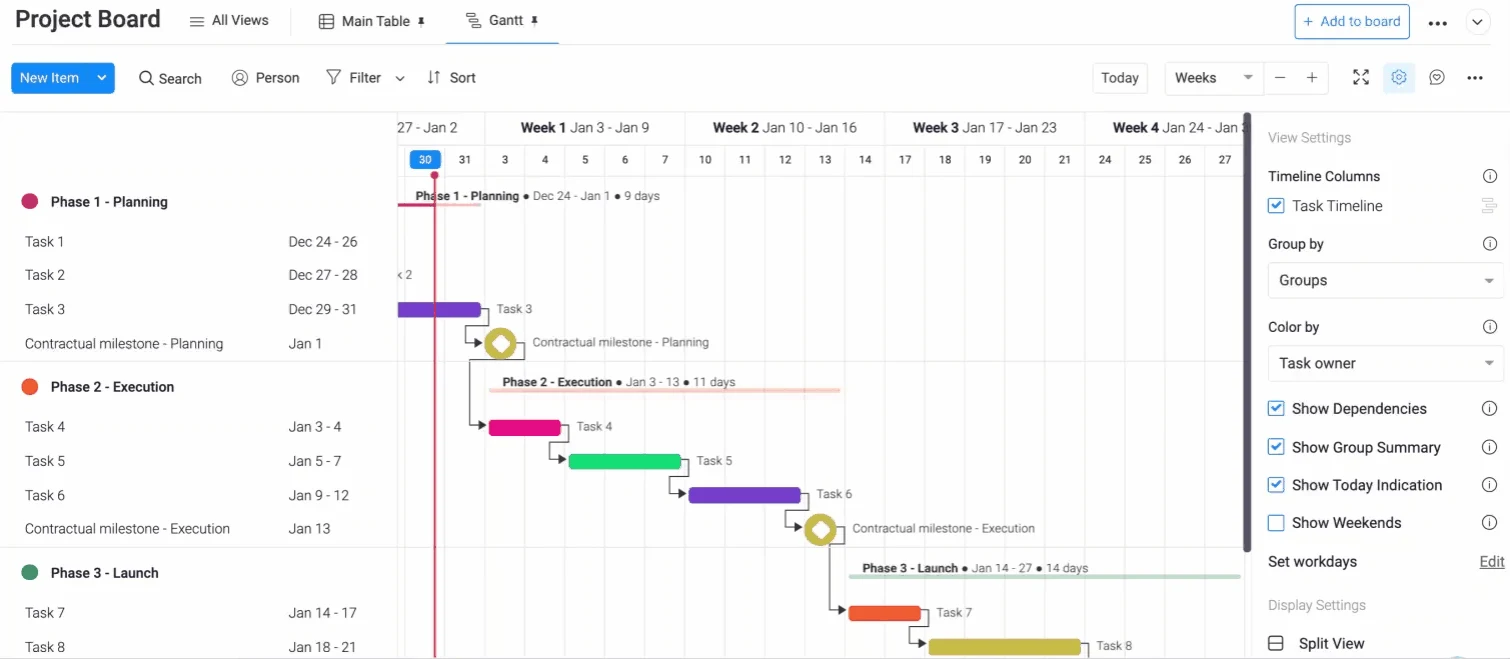
As construction scheduling software, Monday.com offers Gantt-like timelines with drag-and-drop planning, task dependencies, critical path visualization, and baseline comparisons. While it is not a dedicated CPM tool (lacking features like buffer analysis, cost-loaded scheduling, and advanced resource management), it provides a solid and intuitive scheduling experience for teams that prioritize user-friendliness and collaborative features.
Users regularly commend Monday.com for its clean interface, rapid onboarding, and adaptability. Common limitations cited include potential performance degradation with very large boards and some core functionalities being locked behind higher-priced plans.
Advantages and Key Features:
- Highly intuitive and customizable interface.
- Gantt-like timelines with drag-and-drop scheduling.
- Task dependencies and critical path visualization.
- Baseline comparisons for progress monitoring.
- Extensive automation capabilities.
- Robust collaboration and communication features.
- Numerous integrations with other business tools.
Disadvantages and Limitations:
- Not a full-fledged CPM tool (lacks advanced features like buffer analysis).
- Performance can slow down with extremely large project boards.
- Some advanced features are only available in higher-tier plans.
- Can be less specialized for complex construction workflows.
Pricing: Individual (free for up to 2 users), Basic ($10/user/month), Standard ($12/user/month), Pro ($20/user/month), Enterprise (custom pricing). Billed annually.
Ratings: G2: 4.7/5, Capterra: 4.6/5
Conclusion: Monday.com is an ideal choice for construction teams seeking a flexible, user-friendly, and highly collaborative work management platform that offers solid scheduling capabilities without the steep learning curve of more traditional CPM tools.

8. Smartsheet: Spreadsheet Power with Project Management Features
Smartsheet is a cloud-based work management platform employed by a significant portion of Fortune 500 companies. Inspired by spreadsheets but considerably more powerful, it is utilized by construction, operations, and IT teams to plan projects, track tasks, report progress, and automate workflows.
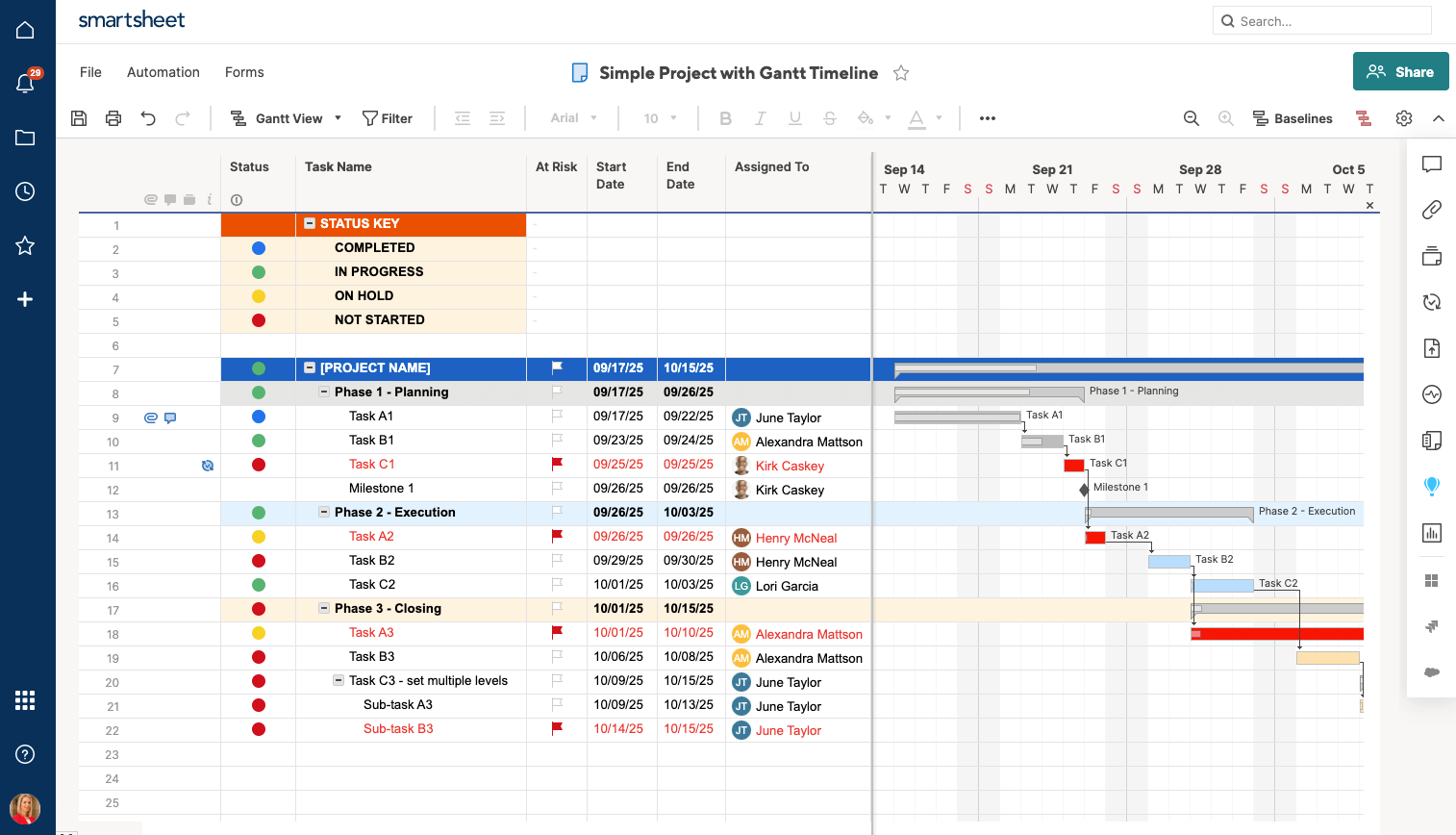
As construction scheduling software, Smartsheet offers intermediate, table-based planning with Gantt charts, task dependencies, and baseline capabilities. While it doesn’t match the full capabilities of professional CPM tools (lacking buffer visualization, advanced resource planning, and deep construction-specific cost integration), it provides an excellent entry point for teams migrating from Excel or those requiring flexible project tracking, bolstered by robust automation and collaboration features.
Users frequently report a steep learning curve for mastering its advanced functionalities, potential performance issues with very large sheets, and sometimes complex licensing structures. Smartsheet integrates seamlessly with platforms like Procore, DocuSign, Google Workspace, and Microsoft 365.
Advantages and Key Features:
- Familiar spreadsheet-like interface with enhanced project management capabilities.
- Gantt charts, task dependencies, and baseline tracking.
- Powerful automation features for workflows.
- Robust collaboration and communication tools.
- Extensive reporting and dashboard customization.
- Strong integration ecosystem.
Disadvantages and Limitations:
- Steep learning curve for advanced features.
- Can experience performance issues with very large datasets.
- Lacks the depth of dedicated CPM tools.
- Licensing can be complex and costly as teams scale.
- Not specifically built for construction, requiring some customization.
Pricing: Pro ($9/user/month, min 1 user), Business ($32/user/month, min 3 users), Enterprise (custom pricing).
Ratings: G2: 4.4/5, Capterra: 4.5/5
Conclusion: Smartsheet is best suited for construction teams transitioning from traditional spreadsheets or those needing a highly flexible, table-based planning tool with strong automation and collaboration features, provided they are willing to invest in its learning curve.
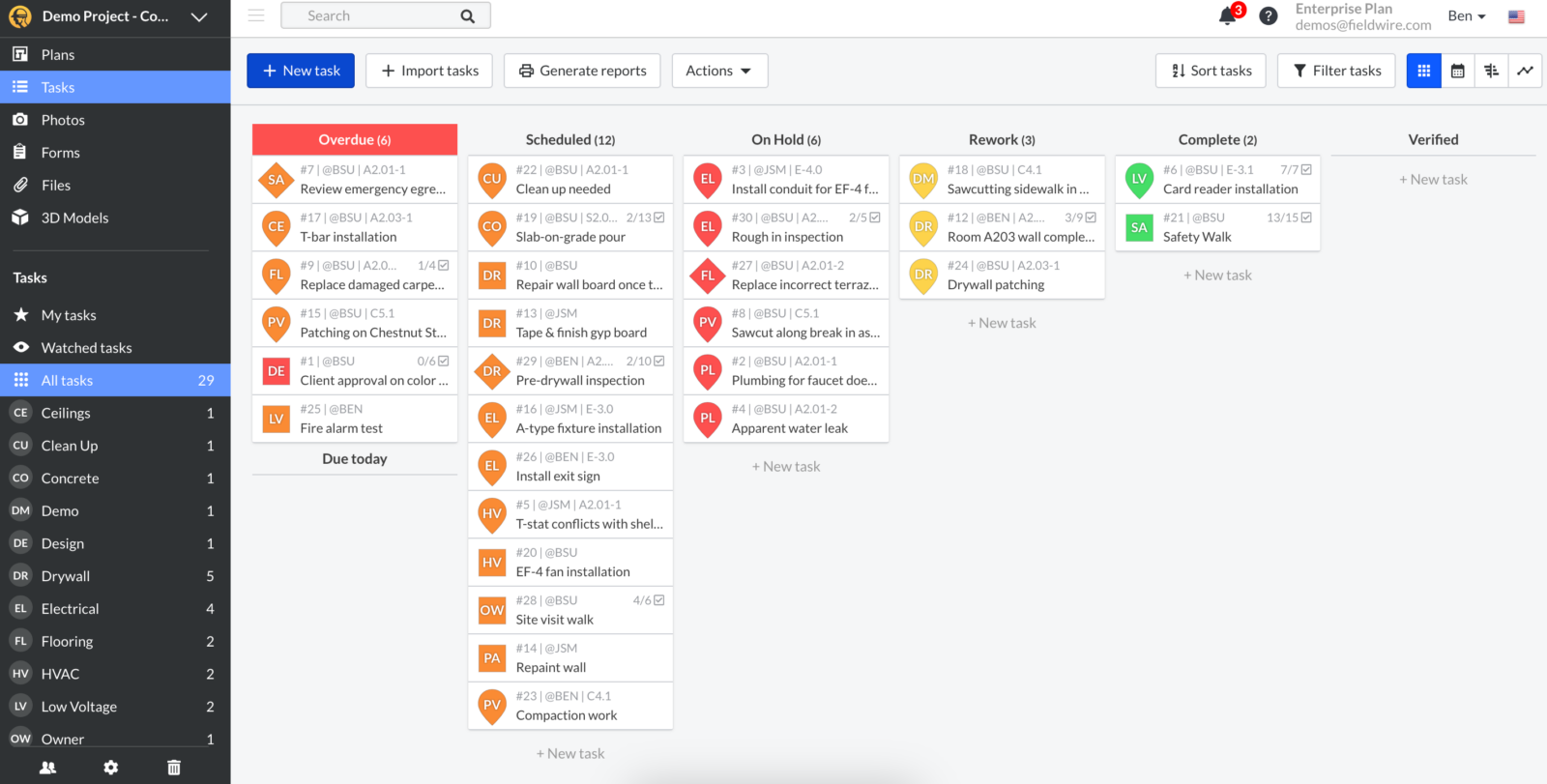
9. Fieldwire: On-Site Task Coordination and Plan Management
Fieldwire, now part of Hilti, is a field management platform primarily used for task coordination, plan viewing, inspections, and site checklists. It is specifically designed to support construction site teams in collaborating around plans, deficiencies, and daily work execution, a function it performs exceptionally well.
As construction scheduling software, Fieldwire is not a comprehensive planning tool. It supports task assignments and due dates but lacks CPM logic, Gantt charts, baselines, detailed dependency management, and schedule analysis. Its scheduling functionality is task-oriented and operational, making it excellent for on-site coordination but unsuitable for building or managing formal, intricate construction schedules. Most teams utilize Fieldwire as a complementary tool alongside a dedicated scheduling platform.
Users consistently rate Fieldwire highly for its plan viewing capabilities, real-time collaborative markups, and ease of use. Common concerns include the cost per user, which can escalate for teams beyond five or six individuals, and limited depth in reporting.

Advantages and Key Features:
- Excellent for on-site task management and coordination.
- Real-time plan viewing and collaborative markups.
- Efficient punch list management and inspections.
- User-friendly interface for field teams.
- Offline access to plans and tasks.
- Strong document management for drawings.
Disadvantages and Limitations:
- Not a true project scheduling tool (lacks CPM, Gantt, baselines).
- Limited functionality for complex schedule creation and analysis.
- Cost per user can become expensive for larger teams.
- Reporting capabilities are basic.
- Primarily focused on field execution, not strategic planning.
Pricing: Basic (free for up to 5 users), Pro ($54/user/month), Business ($74/user/month), Premier ($94/user/month).
Ratings: G2: 4.5/5, Capterra: 4.6/5
Conclusion: Fieldwire is an invaluable tool for on-site construction coordination and daily task management, particularly for field teams needing real-time access to plans and efficient communication, but it should be paired with a more robust scheduling solution for comprehensive project planning.
10. Workyard: Workforce Optimization with GPS Tracking
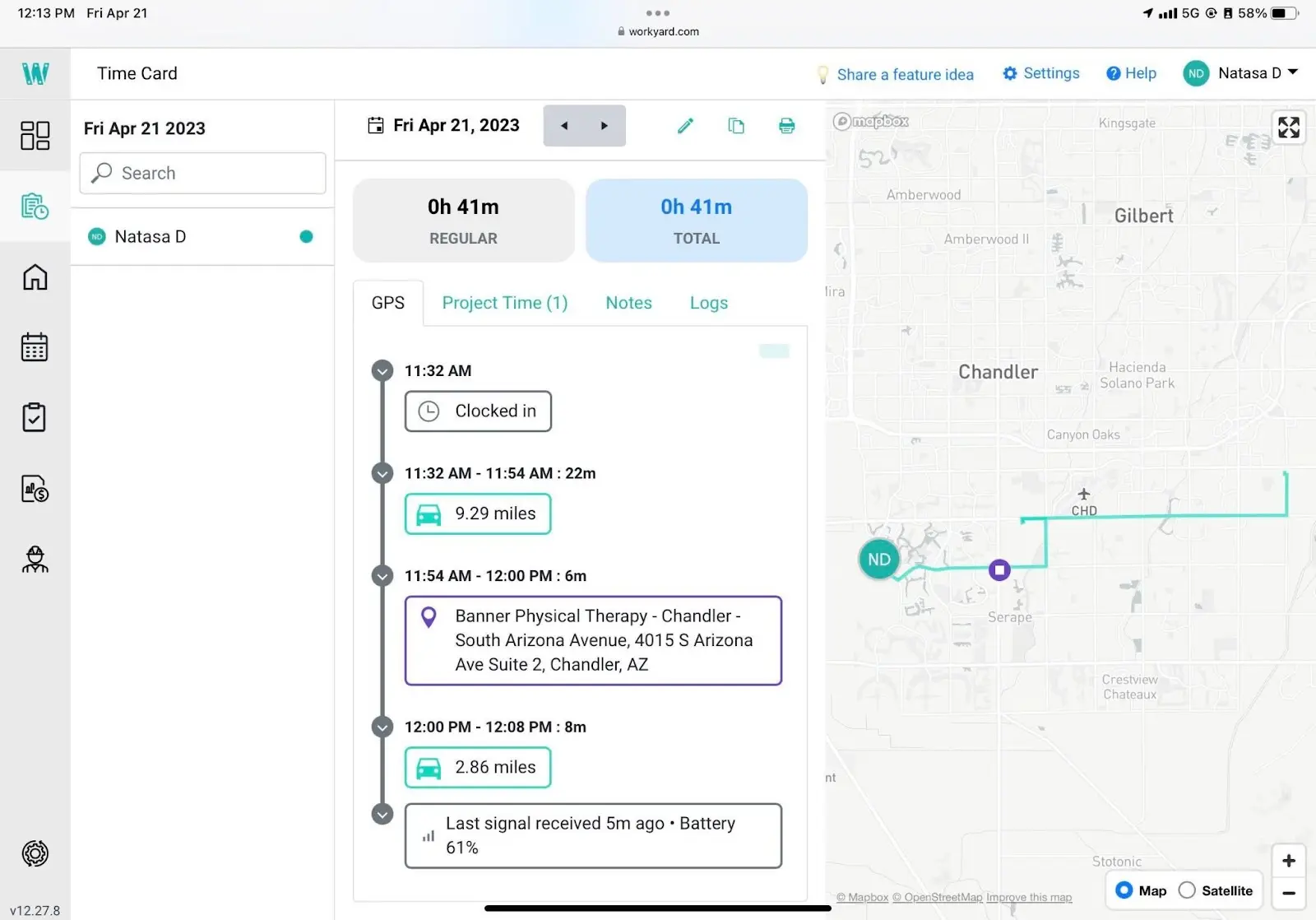
Workyard is a workforce management platform specifically tailored for the construction industry, focusing on team scheduling, GPS-based time tracking, and labor cost data capture. Contractors use it to assign work, monitor team locations in real-time, and transfer time and cost data from the field to the office.
As construction scheduling software, Workyard offers basic planning tools geared towards team assignments and workforce deployment. It lacks formal CPM logic, Gantt chart visualization, baseline capabilities, and portfolio-level planning. Its scheduling is limited to construction site team deployment and calendar views, not formal project scheduling. For contractors who require precise labor cost tracking and GPS accountability, it fulfills a genuine need but does not serve as a replacement for a comprehensive project scheduling tool.
Users praise Workyard for its GPS accuracy, efficient time tracking, and user-friendliness. Some reports mention occasional GPS issues, limited feature depth beyond workforce tracking, and that its scheduling functions are more focused on deployment rather than detailed project planning.
Advantages and Key Features:
- Accurate GPS-based time tracking.
- Efficient team scheduling and dispatch.
- Real-time monitoring of workforce location.
- Streamlined labor cost data capture.
- User-friendly mobile app for field workers.
- Integrates with payroll systems.
Disadvantages and Limitations:
- Lacks formal CPM scheduling and Gantt charts.
- Not designed for complex project scheduling or dependency management.
- Limited features beyond workforce tracking.
- Some users report occasional GPS discrepancies.
- Planning functionality is focused on resource deployment, not project timeline.
Pricing: Starts at $15/user/month. Custom pricing for larger teams.
Ratings: G2: 4.8/5, Capterra: 4.8/5
Conclusion: Workyard is an excellent solution for construction contractors prioritizing accurate workforce tracking, labor cost management, and efficient team deployment, making it ideal for managing field crews, though it should be supplemented with a dedicated project scheduling tool.
11. InEight: Comprehensive Project Controls for Large-Scale Ventures
In