The Hidden Crisis of Inertia Why Wealthy Seniors Face Unnecessary Health Risks Due to Frugality and Activation Energy Gaps

The paradox of personal finance often manifests most visibly in the living conditions of the elderly, where a lifetime of disciplined saving can eventually transition into a dangerous form of frugal neglect. Recent observations from family caregivers and financial analysts highlight a growing concern: a significant portion of the wealthiest demographic in the United States and Europe is living in physical discomfort or facing preventable health hazards, not due to a lack of liquidity, but because of psychological inertia and the rising "activation energy" required to maintain modern standards of living.
This phenomenon is particularly evident in the management of climate-related risks, such as extreme heat, and the maintenance of essential safety equipment. While many retirees possess the capital to resolve these issues, a combination of sensory adaptation, cognitive barriers, and the logistical complexity of home and vehicle repairs often leads to a state of "functional poverty" in an environment of actual wealth.
The Honolulu Case Study: A Microcosm of Preventable Discomfort
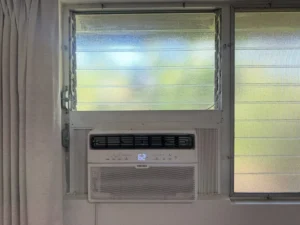
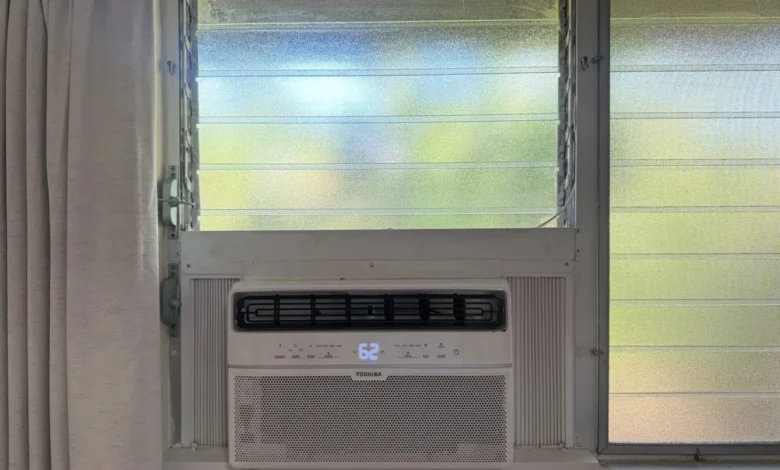
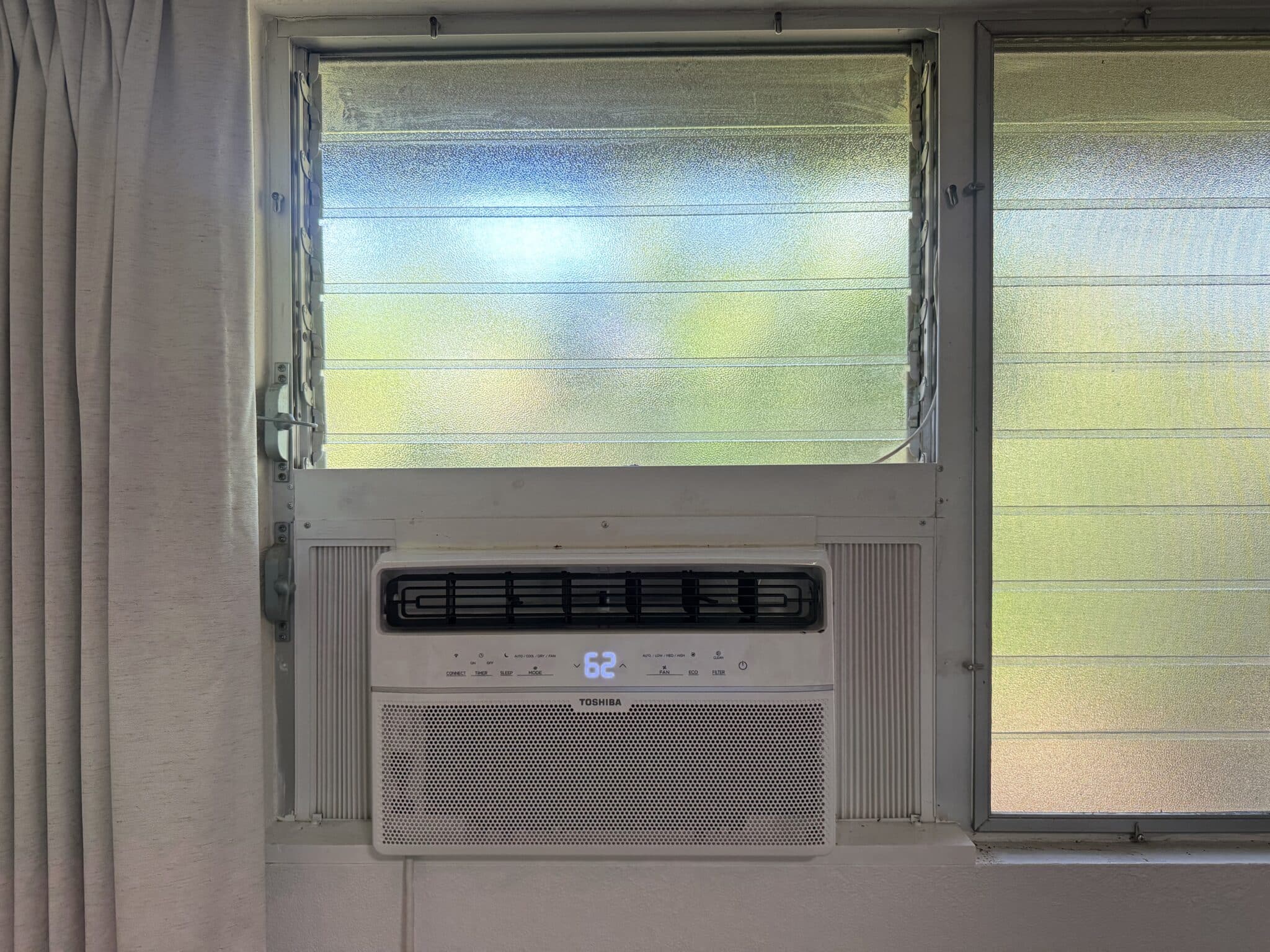
In a recent analysis of elderly living conditions in high-temperature environments, specifically Honolulu, Hawaii, observers noted a stark contrast between available financial resources and actual quality of life. In one instance, a two-bedroom residence utilized by retirees was found to have a non-functional, 42-year-old through-the-wall air conditioning unit. Despite local summer temperatures ranging from 83 to 90 degrees Fahrenheit with high humidity, the occupants had not sought a replacement.
The resolution of this issue required a mere $510 investment—$260 for a new unit and approximately $250 in labor. The intervention resulted in a significant reduction in the risk of heat-related illness. However, the occupants themselves had not initiated the fix, illustrating a common trend where the elderly adapt to deteriorating conditions rather than seeking solutions.

This pattern extended to vehicular safety. A 28-year-old Toyota Avalon, driven by an 81-year-old individual, was found to have a non-functional air conditioning system. For three years, the occupants endured cabin temperatures exceeding 100 degrees Fahrenheit. The eventual fix, which restored the vehicle to a safe operating temperature, cost only $80 for a refrigerant recharge. The three-year delay in this minor repair represents a significant period of unnecessary physical strain and potential medical risk, underscoring that the barrier to safety was not the cost, but the initiative required to coordinate the repair.
Global Statistics: The Lethal Impact of Extreme Heat on the Elderly
The consequences of this inertia are not merely matters of comfort; they are increasingly matters of mortality. Data from the World Health Organization (WHO) indicates that heat stress is now the leading cause of climate-related death in the European Region. Annually, more than 175,000 lives are claimed by extreme heat across the broader WHO European Region, with over 60,000 deaths occurring in Europe each summer alone.
Demographic analysis reveals that approximately 85% to 90% of these heat-related fatalities involve individuals over the age of 65. The vulnerability of this group is rooted in biological factors:
- Reduced Thermoregulation: As the human body ages, the efficiency of sweat glands decreases, and the cardiovascular system becomes less capable of pumping blood to the skin’s surface for cooling.
- Pre-existing Conditions: Heat stress severely aggravates chronic respiratory and cardiovascular diseases, which are more prevalent in older populations.
- Cognitive and Sensory Adaptation: Many seniors report not "feeling" the heat as intensely as younger individuals, even as their internal body temperatures reach dangerous levels.
Despite being the wealthiest demographic in many developed nations—holding the vast majority of private savings and pension assets—this group remains the most susceptible to environmental hazards that could be mitigated by relatively inexpensive technological interventions, such as air conditioning and proper home insulation.
The Psychology of Inertia and the Activation Energy Barrier
Financial experts and geriatricians point to "activation energy" as the primary obstacle to improving the living standards of the elderly. Activation energy, in a psychological context, refers to the mental and physical effort required to initiate a task. For an individual in their 80s, the logistical chain required for a simple repair can be daunting.
The process of fixing a home appliance or a vehicle involves:
- Identifying a reputable service provider.
- Coordinating schedules and appointments.
- Managing the physical intrusion of contractors into the home.
- Supervising the work and navigating potential billing disputes.
For a younger person, these are minor inconveniences. For a senior, they are significant hurdles that often lead to the "path of least resistance": doing nothing. This is compounded by "sensory adaptation," where the individual becomes accustomed to a blurry television screen, a leaking pipe, or a sweltering room, eventually perceiving these defects as part of the normal background of their environment.
Case Study: The Tragic Intersection of Isolation and Neglect
The dangers of this "wealthy neglect" are perhaps most tragically illustrated by the 2025 case of legendary actor Gene Hackman and his wife, Betsy Arakawa. Despite a reported net worth of approximately $80 million, the couple was found deceased in their Santa Fe home, having remained undiscovered for over a week.
Investigations revealed that the property had fallen into a state of severe disrepair, with evidence of rodent infestations in outbuildings and vehicles. Arakawa succumbed to hantavirus pulmonary syndrome, a rare but fatal respiratory disease contracted through exposure to infected rodent droppings. Hackman, 95 and suffering from advanced Alzheimer’s, lived alongside his deceased wife for several days before his own heart failed.
This case highlights a critical failure point: wealth cannot provide safety if the "activation energy" to hire cleaners, pest control, or caretakers is absent. The presence of significant financial assets did not prevent the couple from living in conditions that directly contributed to their deaths, emphasizing that monitoring by family or professional advocates is more vital than the balance of a bank account.

Strategies for Intervention by Adult Children and Caregivers
As the "Sandwich Generation"—adults who are simultaneously raising children and caring for aging parents—grows, the responsibility for breaking the cycle of elderly inertia falls increasingly on adult children. Experts suggest a proactive "playbook" for maintaining the safety and dignity of aging parents:
- Extended Observational Visits: Short visits often only reveal a "highlight reel" of a parent’s life. Staying for several days or weeks allows caregivers to notice subtle signs of neglect, such as expired food, broken appliances, or poor climate control.
- Eliminating the "Committee Meeting": Rather than asking for permission to fix a minor issue—which often triggers a defensive frugal response—caregivers should simply execute the repair. Handling the logistics and the cost removes the activation energy barrier for the senior.
- Gradual Introduction of Convenience: Implementing services such as grocery delivery, ride-sharing apps, or professional landscaping can reduce the daily physical and mental load on seniors, allowing them to focus their energy on health and social engagement.
- Establishing Routine Check-ins: A consistent rhythm of daily texts or weekly calls serves as a low-cost insurance policy against the risk of a medical emergency going unnoticed.
Broader Economic and Social Implications
The failure to address the "activation energy" gap has broader implications for the healthcare system and the economy. Preventative home maintenance and climate control are significantly less expensive than the emergency medical interventions required for heat stroke, respiratory failure, or falls in the home.
From a public policy perspective, there is an increasing argument for "social prescriptions," where healthcare providers can authorize home improvements—such as the installation of AC units or the removal of mold—as part of a preventative care plan covered by insurance.
Furthermore, the "frugality-to-neglect" pipeline suggests that the traditional focus on wealth accumulation for retirement may be incomplete. Financial planning must also account for the management of that wealth in later years, ensuring that assets are used to purchase the labor and logistics necessary to sustain a safe environment when the individual is no longer capable of managing those tasks themselves.
Ultimately, the goal of personal finance is the preservation of life and the enhancement of comfort. When frugality begins to shorten a life rather than secure it, the fundamental purpose of saving is subverted. Addressing the hidden crisis of inertia is the next great challenge for a society with a rapidly aging, and historically wealthy, population.
Related posts: