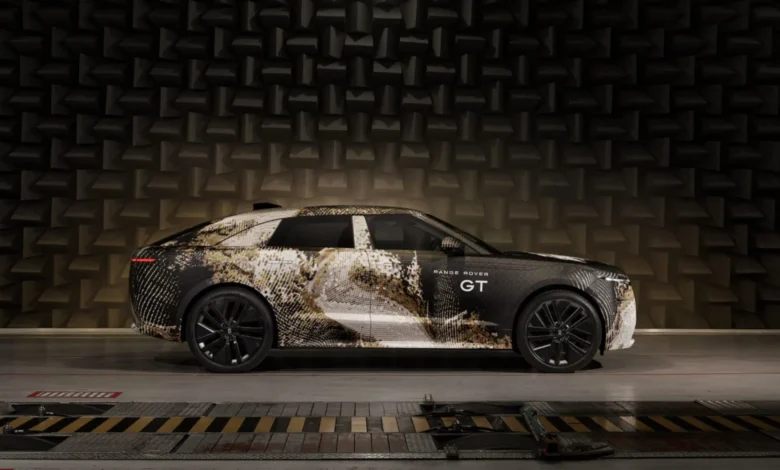
The automotive industry is currently witnessing a paradigm shift as traditional luxury manufacturers pivot toward full electrification, and Range Rover is positioning itself at the forefront of this transition with the announcement of its upcoming Grand Tourer (GT). This new model represents a significant departure from the brand’s traditional SUV-centric lineup, aiming to blend the high-performance characteristics of a grand tourer with the rugged, all-terrain DNA that has defined the marque for over half a century. Martin Limpert, the managing director of Range Rover, recently provided insights into the development process, emphasizing that the company has spent several years refining the fundamentals of the GT formula to ensure it meets the exacting standards of the modern luxury consumer.
According to Limpert, the objective was to reinterpret the grand tourer through a sophisticated and uniquely Range Rover lens. The result of this intensive development period is described as the most "car-like" vehicle the brand has ever produced, yet one that remains "unmistakably capable." This balance is made possible by the introduction of the Electrified Modular Architecture (EMA), a dedicated platform designed to support the brand’s next generation of battery electric vehicles (BEVs). The GT is intended to complement Range Rover’s existing powertrain portfolio, which currently includes internal combustion engines (ICE) and plug-in hybrid electric vehicles (PHEV), thereby offering a comprehensive suite of options to a global clientele with varying infrastructure needs.
The Strategic Importance of the EMA Platform
The EMA platform is a cornerstone of Jaguar Land Rover’s (JLR) broader "Reimagine" strategy, a multi-billion-dollar investment aimed at transforming the company into an electric-first luxury manufacturer. EMA serves as the company’s third electrifiable platform, sitting alongside the existing Modular Longitudinal Architecture (MLA)—which supports the current Range Rover and Range Rover Sport—and the Jaguar-exclusive JEA platform. While the MLA platform is designed to be "power of choice," accommodating everything from diesel engines to full electric drivetrains, the EMA is specifically engineered with an electric-first mindset.
The engineering focus of the EMA platform allows for optimized packaging of battery cells and electric motors, which in turn enables a lower center of gravity and more interior space relative to the vehicle’s footprint. For the Range Rover GT, this architecture is critical in achieving the "effortless EV performance" promised by Limpert. By utilizing a dedicated EV platform, engineers can move away from the constraints of traditional engine bays, allowing for a more aerodynamic silhouette—a necessity for a grand tourer intended for high-speed, long-distance travel.
The relationship between the Range Rover GT and its corporate siblings is also noteworthy. Jaguar is currently developing its own four-door grand tourer, known internally as the Type 01, which will utilize the JEA platform. While both vehicles share a grand touring philosophy and a four-door configuration, they are being developed to cater to distinct market segments. The Jaguar is expected to lean more toward high-performance road dynamics, while the Range Rover GT will maintain the brand’s legendary go-anywhere capability, even in a lower, more streamlined form factor.
Interior Design and the "Digital Detox" Philosophy
In a move that challenges the current industry trend of "screen-heavy" interiors, Range Rover has opted for an ultraminimalist approach for the GT’s cabin. This design philosophy, often referred to as a "digital detox," aims to reduce cognitive load on the driver while maintaining a high level of technological sophistication. Preliminary viewings of the interior reveal a clear departure from the rugged, upright cabins found in the Range Rover Defender or the classic Range Rover SUV.
The GT’s cockpit features two primary OLED screens: one for the main instrument display and another for the central infotainment touchscreen. OLED technology was selected for its high contrast ratios and deep blacks, which allow the screens to blend more seamlessly into the dashboard materials when not in use. Notably, Range Rover has made the decision to include a head-up display (HUD) as standard equipment across the GT range, further emphasizing the driver-centric nature of the vehicle.
A significant point of differentiation for the Range Rover GT is the absence of a third screen for the front passenger, a feature that has become increasingly common in luxury EVs from competitors like Porsche and Mercedes-Benz. Range Rover designers reportedly eschewed this option to maintain the minimalist aesthetic and focus on material quality. However, the interior is not devoid of tactile interaction. In response to evolving safety regulations in Europe and Australia, which now require physical controls for critical functions to achieve top safety ratings, Range Rover has integrated physical switchgear for essential operations. This ensures that the vehicle remains compliant with Euro NCAP standards, which have recently begun penalizing manufacturers for over-reliance on touchscreens for functions such as turn signals, windshield wipers, and emergency lights.
Technical Specifications and Performance Expectations
While full technical specifications are yet to be released, industry analysts and JLR’s own roadmaps suggest that the EMA-based GT will feature an 800-volt electrical architecture. This system is essential for high-speed DC fast charging, potentially allowing the vehicle to add significant range in under 20 minutes. Given the grand touring nature of the car, a range of at least 300 to 400 miles (480 to 640 kilometers) on a single charge is expected to remain competitive with the likes of the Porsche Taycan and the Lucid Air.
The "all-terrain capability" mentioned by Limpert suggests that the GT will feature an advanced dual-motor or tri-motor all-wheel-drive system. Range Rover’s sophisticated terrain management software will likely be adapted for the EV’s instant torque delivery, allowing the GT to navigate surfaces that would be impassable for traditional low-slung grand tourers. This "unmistakable capability" is a key brand pillar that JLR refuses to sacrifice, even as it explores more "car-like" silhouettes.
Chronology of Development and Market Context
The development of the Range Rover GT has been a closely guarded project within JLR’s Gaydon engineering center. The timeline of the project reflects the broader shifts within the global automotive market:
- 2021: JLR announces the "Reimagine" strategy, outlining the transition to an electric future and the separation of Range Rover, Defender, Discovery, and Jaguar into distinct brands.
- 2022-2023: Engineering mules for the EMA platform are spotted undergoing cold-weather testing in the Arctic Circle and high-speed testing at the Nürburgring.
- Early 2024: Martin Limpert confirms the existence of the GT and its focus on being the most road-biased Range Rover to date.
- Mid-2024: First glimpses of the "ultraminimalist" interior are shared with select media outlets, highlighting the use of OLED technology and physical safety controls.
- Late 2024 (Expected): The full unveiling of the Range Rover GT, including the removal of its camouflage and the release of final performance data.
The GT arrives at a time when the luxury EV market is becoming increasingly crowded. Range Rover is not just competing with traditional rivals like Bentley (which is also preparing an EV) but also with high-tech newcomers. The decision to enter the GT market rather than simply producing another SUV indicates a desire to capture a different demographic—one that values the prestige and comfort of a Range Rover but prefers a more aerodynamic and efficient body style for long-distance highway travel.
Broader Impact and Industry Implications
The introduction of the Range Rover GT on the EMA platform has significant implications for the future of the JLR group. It serves as a proof of concept for how the brand can evolve without losing its core identity. By successfully integrating off-road capability into a grand tourer, Range Rover is creating a new niche in the market: the "all-terrain GT."
Furthermore, the focus on physical controls and minimalist design could signal a turning point in automotive UI/UX design. As more regulators express concern over driver distraction caused by complex touchscreen menus, Range Rover’s balanced approach may become a blueprint for other luxury manufacturers. The insistence on high-quality materials and a "calming interior" also aligns with the growing trend of "quiet luxury," where brand value is communicated through refinement and subtlety rather than overt technological displays.
As the industry moves toward the 2030s, the success of the Range Rover GT will be a critical indicator of whether traditional luxury brands can maintain their dominance in an electrified world. With its blend of heritage, new-age architecture, and a focused design philosophy, the GT is positioned to be more than just a new model; it is a statement of intent for the future of the Range Rover brand. More details regarding the vehicle’s exterior design and final pricing are expected to be revealed in the final quarter of the year, marking a new chapter in the history of one of the world’s most recognized luxury marques.