The Urgent Imperative of Sleep Optimization: A Comprehensive Guide to Restoring Health and Well-being


The profound impact of sleep on human health and performance is no longer a niche wellness topic but a fundamental pillar of daily survival and long-term well-being. In a world characterized by incessant digital stimulation, demanding schedules, and pervasive stress, optimizing sleep has transitioned from an optional pursuit to an essential component of human maintenance. Many individuals grapple with chronic fatigue, diminished cognitive function, and compromised physical health, often unaware that inadequate or poor-quality sleep is at the root of their struggles. This article delves into the critical importance of sleep optimization, offering evidence-based strategies to foster restorative rest and unlock a cascade of health benefits.
The Pervasive Crisis of Sleep Deprivation

Modern society often valorizes relentless productivity and round-the-clock availability, inadvertently fostering a culture of sleep deprivation. The notion of "hustle" frequently comes at the expense of adequate rest, leading to a population that is increasingly under-slept and over-stressed. The Centers for Disease Control and Prevention (CDC) reports that over one-third of American adults consistently fail to obtain the recommended seven to nine hours of sleep per night. This widespread deficiency is not merely an inconvenience; it represents a public health crisis with far-reaching implications for individual well-being, public safety, and economic productivity. Chronic sleep loss significantly impairs mood regulation, cognitive clarity, attentional focus, and patience, contributing to irritability, forgetfulness, and daytime drowsiness. Beyond immediate symptoms, neglecting sleep sets the stage for a multitude of serious health complications, making sleep optimization a non-negotiable aspect of preventative healthcare.
Why Sleep Optimization is a Modern Necessity
Sleep optimization extends beyond simply logging more hours in bed; it prioritizes the quality and depth of rest to ensure a truly restorative experience. In our hyper-connected environment, the constant barrage of artificial light, noise, and information disrupts the body’s natural sleep-wake cycle, known as the circadian rhythm. This internal biological clock, finely tuned over millennia to respond to natural light-dark cycles, requires protection and deliberate planning to function optimally.

When individuals achieve high-quality sleep, the benefits are immediate and profound. Cognitive functions such as memory consolidation, problem-solving abilities, and decision-making are significantly enhanced. Physical reactions become quicker, and emotional resilience improves, allowing individuals to navigate daily challenges with greater composure and effectiveness. This shift from caffeine-induced panic to calm, sustained focus underscores the transformative power of proper sleep optimization. As leading sleep researchers consistently demonstrate, adequate sleep is indispensable for feeling refreshed, functioning well, and maintaining overall vitality. If one consistently wakes up tired, it is a clear indicator that their current sleep strategy is fundamentally flawed and requires immediate attention.
Long-Term Health Implications of Inadequate Sleep
The long-term health consequences of chronic sleep deprivation are sobering and well-documented. Consistently poor sleep significantly elevates the risk of developing numerous chronic diseases and disorders. These include:
- Cardiovascular Disease: Insufficient sleep is linked to higher blood pressure, increased risk of heart attacks, strokes, and irregular heartbeats.
- Type 2 Diabetes: Sleep deprivation impairs glucose metabolism and insulin sensitivity, increasing the likelihood of developing insulin resistance and type 2 diabetes.
- Obesity: Poor sleep disrupts hunger-regulating hormones (ghrelin and leptin), leading to increased appetite and a greater propensity for weight gain.
- Weakened Immune System: During sleep, the body produces protective proteins called cytokines. Lack of sleep can reduce the production of these vital compounds, making individuals more susceptible to infections.
- Neurodegenerative Diseases: Emerging research highlights a strong link between chronic sleep problems and an increased risk of dementia, including Alzheimer’s disease, as sleep plays a crucial role in clearing metabolic waste products from the brain.
- Mental Health Disorders: There is a bidirectional relationship between sleep and mental health. Chronic sleep problems often exacerbate symptoms of depression, anxiety, and other mood disorders, and vice versa.
Ignoring sleep optimization is not a sign of resilience or ambition; it is a reckless gamble with one’s physical and mental capital. The scientific consensus is unequivocal: prioritizing quality sleep is a critical investment in sustained health, longevity, and overall quality of life.
The Core Rules of Effective Sleep Optimization
Effective sleep optimization isn’t merely about extending time in bed; it’s about enhancing the depth and restorative quality of sleep. The primary objective is to wake up feeling genuinely refreshed and to experience consistent energy throughout the following day. For most healthy adults, this translates to aiming for at least seven hours of high-quality sleep per night, a recommendation consistently supported by organizations like the American Academy of Sleep Medicine and the Sleep Research Society.

1. The Primacy of a Consistent Sleep Schedule
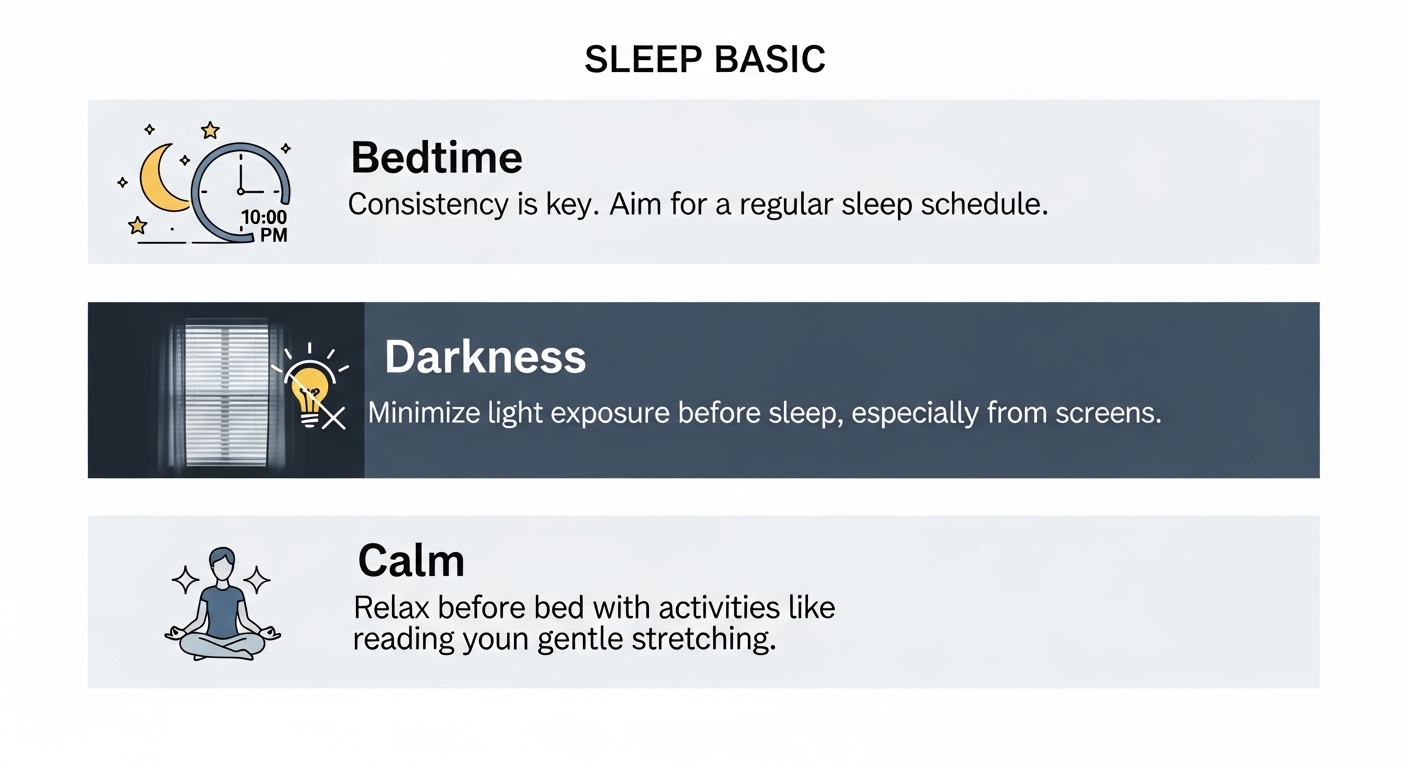
The cornerstone of successful sleep optimization is unwavering consistency. The human brain thrives on routine, and a predictable sleep-wake cycle is essential for regulating the body’s natural circadian rhythm. Going to bed and waking up at roughly the same time every day, including weekends, sends clear and consistent signals to the internal clock, reinforcing healthy sleep patterns. Erratic sleep schedules confuse this delicate system, making it harder to fall asleep and achieve deep, uninterrupted rest. While the allure of sleeping in on weekends is strong, maintaining a relatively consistent wake-up time, even if it means a slightly shorter "weekend lie-in," is crucial for preserving circadian alignment. Small, steady adjustments towards a regular schedule yield far greater benefits than sporadic attempts at "catching up" on lost sleep.
2. Harnessing the Power of Light Exposure
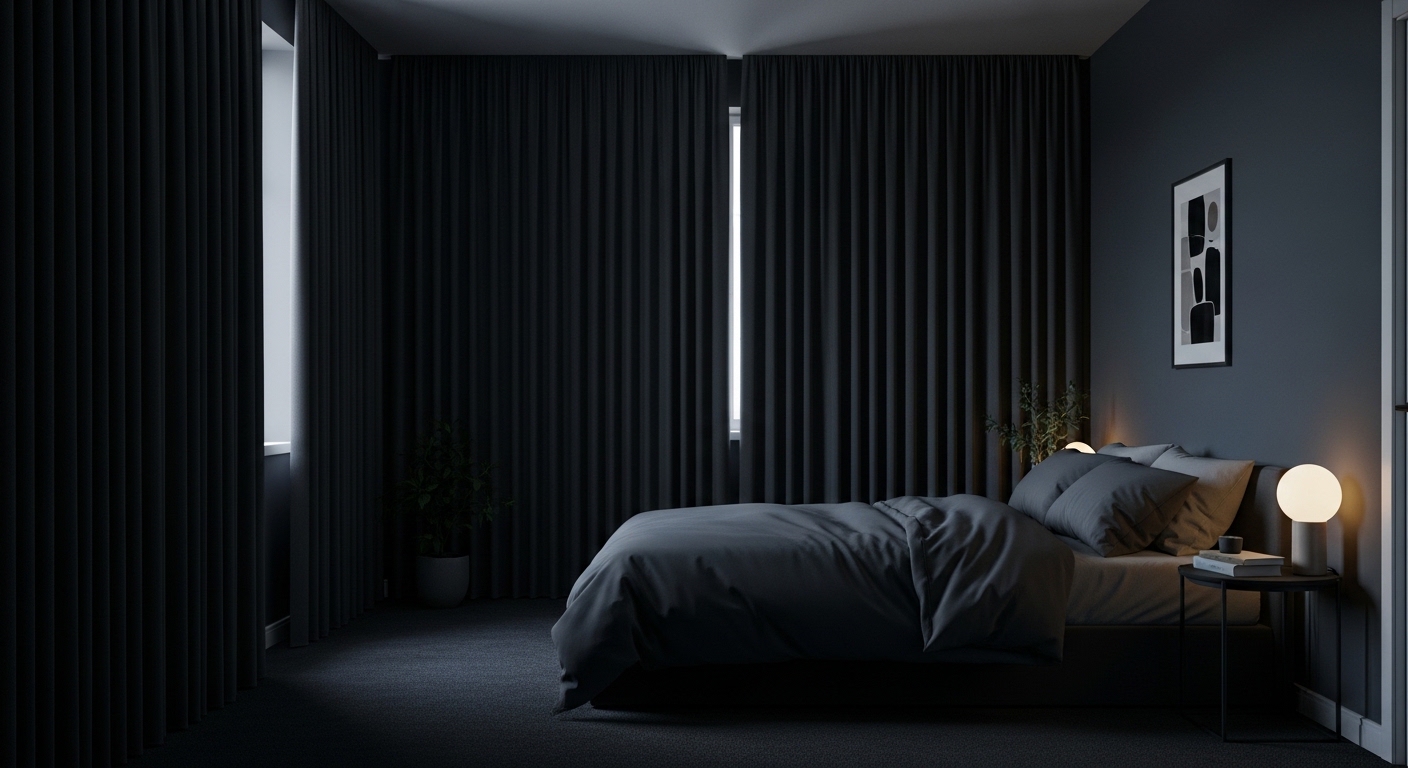
Light is the most potent external regulator of the circadian rhythm. Its strategic management is paramount for sleep optimization.
- Evening Light Control: Exposure to artificial light, particularly blue light emitted from electronic screens (phones, tablets, computers, televisions), in the evening hours signals to the brain that it is still daytime. This suppresses the production of melatonin, the hormone responsible for inducing sleepiness, thereby delaying sleep onset and disrupting sleep architecture. To mitigate this, experts strongly advise avoiding screens and bright overhead lighting for at least one to two hours before bedtime. Instead, transitioning to warm, dim lamps creates a soothing environment conducive to melatonin release. Utilizing blackout curtains or sleep masks can further enhance darkness in the bedroom, protecting sleep quality throughout the night.
- Morning Light Exposure: Equally important is exposure to natural sunlight in the morning. Stepping outside shortly after waking, even for a brief period, helps to reinforce the "wake" signal to the brain, effectively resetting the circadian clock for the day. This morning light exposure helps to regulate various physiological processes, including body temperature, and significantly contributes to better nighttime sleep quality.
3. Cultivating an Optimal Sleep Environment
The physical environment of the bedroom profoundly influences the ability to fall and stay asleep. A calm, dark, quiet, and cool bedroom signals safety and relaxation to the brain, facilitating deeper and more stable sleep.

- Temperature: The body’s core temperature naturally dips as part of the sleep initiation process. A bedroom that is too warm can impede this essential cooling, leading to fragmented sleep. Most sleep experts recommend maintaining a bedroom temperature between 65 and 68 degrees Fahrenheit (18-20 degrees Celsius) for optimal comfort and sleep quality.
- Noise and Light: A dark and quiet room is crucial. Blackout curtains are highly effective in blocking external light sources. For noise, strategies include using earplugs, investing in soundproofing, or employing a white noise machine to mask disruptive sounds.
- Comfort: A supportive mattress and pillows are vital for proper spinal alignment and pressure relief, preventing discomfort that can interrupt sleep. Breathable bedding materials, such as cotton or linen, are preferable to heavy, heat-trapping fabrics, as they help regulate body temperature throughout the night.
4. The Role of Diet and Lifestyle in Sleep Quality
What and when one consumes significantly impacts sleep quality. The "10-3-2-1-0 rule" offers a simple yet effective framework for dietary and lifestyle adjustments:
- No caffeine 10 hours before bed: Caffeine, a stimulant, has a half-life of approximately 5-6 hours, meaning it can remain active in the system for many hours after consumption. Even if one feels capable of falling asleep, caffeine can disrupt deep sleep cycles, reducing overall sleep quality.
- Avoid alcohol or heavy meals 3 hours before bed: Alcohol, while initially inducing sleepiness, fragments sleep later in the night by disrupting REM sleep and increasing awakenings. Heavy, rich meals close to bedtime can burden the digestive system, leading to discomfort, heartburn, and an elevated body temperature, all of which interfere with sleep.
- Stop working 2 hours before bed: Engaging in mentally stimulating work or stressful activities too close to bedtime keeps the brain in an aroused state, making it difficult to transition to rest.
- No screens 1 hour before bed: As discussed, blue light from electronic devices suppresses melatonin production.
- Do not hit the snooze button: While tempting, hitting snooze can lead to sleep inertia, making one feel groggier than if they had woken up with the first alarm.
A balanced diet rich in plants, fiber, and whole foods supports overall health, including sleep. Certain nutrients like magnesium (found in leafy greens, nuts, seeds) and tryptophan (found in poultry, dairy) are precursors to sleep-promoting neurotransmitters. While melatonin supplements can be used, they are not regulated by the FDA and should only be taken under professional guidance, as their efficacy and safety vary.

5. Calming the Mind and Nervous System
Even with perfect habits, a stressed or overactive mind can sabotage sleep. The sympathetic nervous system, responsible for the "fight or flight" response, keeps the brain alert, making relaxation elusive.
- Stress Reduction Techniques: Incorporating relaxation techniques into the evening routine is crucial. Deep breathing exercises, such as slow, diaphragmatic breathing with longer exhales, activate the parasympathetic nervous system, promoting a state of calm. Mindfulness meditation and gentle yoga can also help quiet racing thoughts and physical tension.
- Mental Decluttering: For those prone to "brain dump" at night, keeping a journal by the bed to write down worries, tasks, or ideas can be immensely helpful. This allows for a mental release, preventing thoughts from cycling endlessly during attempts to sleep.
- Exercise Timing: Regular physical activity significantly improves sleep depth and quality. However, the timing is critical. Intense workouts too close to bedtime can elevate core body temperature and stimulate adrenaline, making sleep difficult. Morning or early afternoon exercise is generally most beneficial for sleep. Naps, if taken, should be short (20-30 minutes) and early in the day to avoid disrupting nighttime sleep.
Overcoming Sleep Disorders: When to Seek Professional Help

While implementing healthy sleep habits is crucial, sometimes persistent sleep problems indicate an underlying sleep disorder. Conditions such as chronic insomnia (difficulty falling or staying asleep), sleep apnea (interrupted breathing during sleep), and restless leg syndrome (uncomfortable sensations in the legs leading to an irresistible urge to move them) can severely disrupt sleep quality, leaving individuals fatigued despite spending sufficient time in bed.
If an individual consistently experiences trouble falling asleep, frequent awakenings, unrefreshing sleep, or excessive daytime sleepiness for several months, it is imperative to consult a healthcare provider. A doctor can recommend diagnostic tools, such as a sleep diary to track habits and symptoms, or a formal sleep study (polysomnography) to accurately diagnose the issue.
Treatment for sleep disorders can range from specialized lifestyle modifications, such as Cognitive Behavioral Therapy for Insomnia (CBT-I), which helps individuals identify and change thoughts and behaviors that hinder sleep, to medical interventions. For sleep apnea, Continuous Positive Airway Pressure (CPAP) therapy is a common and effective treatment. In some cases, sleep medicine or specific dietary supplements may be prescribed, but these should always be administered and monitored by a qualified professional due to potential side effects and interactions. It is also important to consider and address any underlying health conditions, such as heart disease or diabetes, which can contribute to poor sleep quality. Resources from organizations like the Sleep Research Society and the Journal of Clinical Sleep Medicine provide up-to-date information and recommendations for managing various sleep disorders. With proper diagnosis and tailored treatment, individuals can overcome sleep disorders, significantly improve their sleep quality, and reclaim their energy and overall well-being.

Implementing a Personalized Sleep Strategy
Achieving optimal sleep is a journey, not a destination. It requires honesty, patience, and a willingness to experiment. While tracking sleep patterns using wearables or apps can provide useful data, it’s essential to focus on long-term trends and how one feels, rather than becoming fixated on nightly scores or striving for unattainable perfection.
The initial steps towards sleep optimization can be simple:

- Establish a consistent bedtime and wake-up time, even on weekends.
- Dim lights and put away all electronic devices at least an hour before bed.
- Ensure the bedroom is cool, dark, and quiet.
- Incorporate a relaxing pre-sleep routine, such as reading, light stretching, or deep breathing.
- Be mindful of caffeine and alcohol intake, particularly in the evening.
Sleep optimization is a continuous investment in health. It’s about cultivating respect for rest and understanding its foundational role in human performance and vitality. Tonight is not merely another night; it is an opportunity to embark on a transformative journey towards enhanced well-being through intentional, optimized sleep.