Comprehensive Review: Brain Sensei and The PM PrepCast Offerings for Project Management Professional (PMP) Certification Exam Preparation

The Project Management Professional (PMP) certification, administered by the Project Management Institute (PMI), stands as a globally recognized credential for project managers, signifying proven competence in leading and directing projects. As the demand for skilled project managers continues to grow across various industries, evidenced by PMI’s own statistics projecting 2.3 million new project-oriented roles annually through 2030, the pathway to obtaining this prestigious certification has become a critical focus for many professionals. This has led to a burgeoning market for PMP examination preparation courses, with online platforms emerging as dominant providers due to their flexibility and accessibility. Among the prominent names in this competitive landscape are The Project Management PrepCast, a long-established entity associated with Cornelius Fichtner, and Brain Sensei, a newer but increasingly recognized player. This article delves into a detailed comparison of these two leading PMP training providers, drawing on extensive user experience and insights into their respective methodologies, packages, user interfaces, support systems, and guarantees, to inform prospective certification candidates.
The Landscape of PMP Certification and Online Learning

The PMP certification’s significance dates back to its inception by PMI, evolving over decades to reflect the dynamic nature of project management practices. The certification is rigorously aligned with the PMBOK® Guide (Project Management Body of Knowledge), which serves as a foundational standard, although the exam itself now encompasses a broader spectrum including agile and hybrid methodologies. To be eligible for the PMP exam, candidates must meet specific educational and professional experience requirements, including 35 hours of project management education, often referred to as ‘contact hours.’ This mandatory educational component is where online training providers like The PM PrepCast and Brain Sensei play a crucial role, offering structured curricula designed to cover the extensive PMP exam content outline.
The rise of online learning platforms, particularly over the last decade, has democratized access to professional development, enabling individuals worldwide to pursue certifications like the PMP without geographical or time constraints. This shift has also fostered innovation in teaching methodologies, with providers experimenting with interactive content, gamification, and diverse instructional styles to cater to varied learning preferences. The global e-learning market, valued at over $250 billion in 2023, underscores the widespread adoption and effectiveness of digital education, making the choice of an online PMP preparation course a critical decision for aspiring project managers.
The Project Management PrepCast: A Legacy of Comprehensive Instruction
The Project Management PrepCast, spearheaded by Cornelius Fichtner, has long been a stalwart in the PMP training arena. Fichtner himself has cultivated a reputation as a highly respected figure in project management education, known for his clear, methodical approach to teaching complex concepts. The PrepCast’s offerings are designed to provide a thorough and traditional learning experience, catering to individuals who thrive in a structured, lecture-based environment.
- Training Methodology: The core of The PM PrepCast’s instructional approach centers around video lectures. These videos feature Cornelius Fichtner delivering presentations, typically resembling a PowerPoint-style slide deck, guiding students through each topic of the PMP exam content outline. The emphasis is on comprehensive coverage and detailed explanations, breaking down intricate project management processes and knowledge areas. While the visual design of the slides might be perceived as less contemporary compared to some newer platforms, the depth of content and Fichtner’s expertise are consistently highlighted by users. The modules are segmented into shorter lessons, allowing for focused study. Each module typically concludes with a review question, prompting learners to pause and reflect, although engagement with these is self-directed. This non-interactive format suits learners who prefer to absorb information passively, taking their own notes, and processing the material at their own pace without constant digital prompts.
- Course Packages: The PM PrepCast offers a variety of packages, providing flexibility for different budgets and learning needs. For the purpose of direct comparison with Brain Sensei’s self-paced offerings, the PM PrepCast Elite package is often considered the benchmark, as it includes both the extensive video lessons and a robust exam simulator. This simulator is a critical component, offering practice questions that mirror the PMP exam format and difficulty, allowing students to gauge their readiness and identify areas for improvement. Other packages might include additional resources or varying durations of access to the materials.
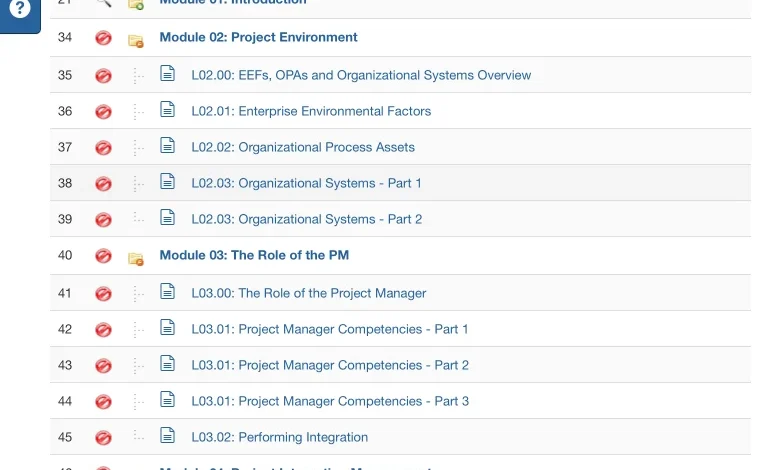
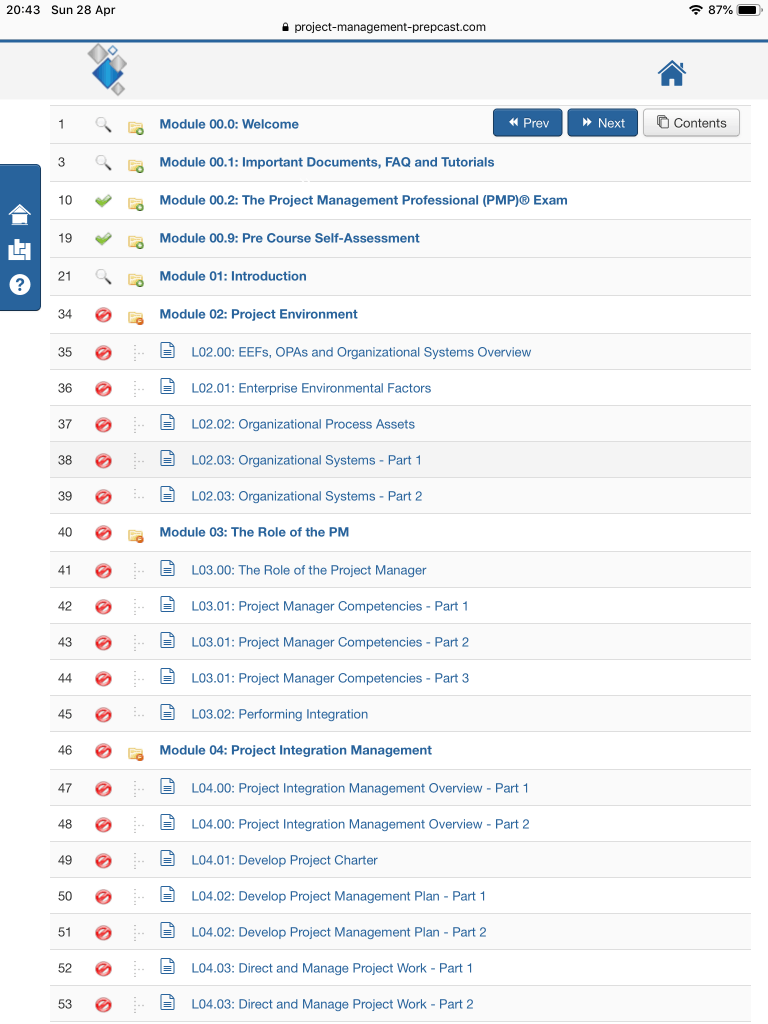
- User Interface and Platform: The learning management system (LMS) utilized by The PM PrepCast, while functional, is described by some users as having a slightly more traditional or "old-fashioned" feel. It features a nested lesson structure, which, given the vast amount of content, requires navigation through multiple menus. Despite this, its primary function is to deliver content effectively, and users typically adapt to its layout over time. The platform prioritizes content delivery, ensuring that all necessary study materials, from videos to supplementary documents, are readily accessible.
- Support and Community: A significant strength of The PM PrepCast lies in its vibrant and active community. It boasts extensive forums moderated by experienced project management professionals, including individuals like Elizabeth Harrin, the author of the original review. This community aspect provides an invaluable resource for students to ask questions, discuss concepts, and seek clarification, fostering a collaborative learning environment. Beyond the forums, the platform offers responsive support via a dedicated team and maintains an active presence on various social media channels, ensuring multiple avenues for assistance.
- Refund Policy: The PM PrepCast offers a 30-day refund period, subject to specific conditions designed to prevent misuse. These conditions typically stipulate that the learner must not have started or completed the final exam, printed their contact hours certificate, claimed any contact hours, or taken a significant number of quizzes or exams. This policy allows prospective students a reasonable window to assess if the teaching style and resources align with their learning preferences.
- Guarantee: Unlike some competitors, The PM PrepCast does not offer a direct "pass guarantee" tied to a monetary refund if a student fails the PMP exam. However, it demonstrates commitment to student success by offering extensions to its PM Exam Simulator product for students who have failed their PMP exam once or twice. This ensures continued access to critical practice resources during subsequent retake preparations.
Brain Sensei: An Innovative and Interactive Approach
Brain Sensei, while a more recent entrant compared to The PM PrepCast, has quickly distinguished itself through its innovative and highly interactive training methodology. The company’s approach leans heavily into engaging, animated content and a storytelling narrative, aiming to make the often-dense PMP material more digestible and enjoyable.
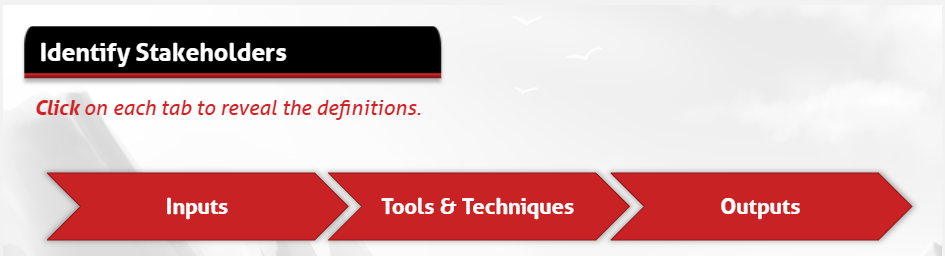
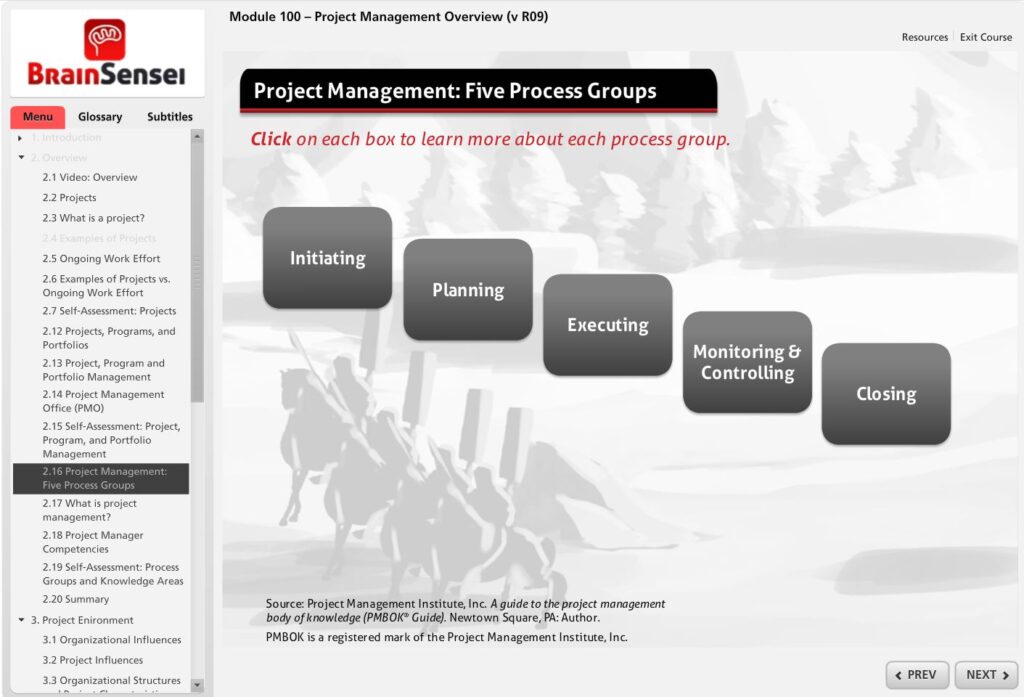
- Training Methodology: The cornerstone of Brain Sensei’s appeal is its animated and interactive video content. Instead of traditional lectures, students are immersed in a narrative-driven learning experience, often presented through engaging animations and scenarios. This method incorporates frequent interactive elements, such as clickable sections to reveal definitions or advance through material, mini-quizzes, and exercises integrated directly into the lessons. This active engagement is designed to maintain learner attention and reinforce understanding, particularly beneficial for those who find traditional lecture formats less stimulating. However, some portions of the course may still include slides with text directly derived from the PMBOK® Guide without narration, which might require learners to engage in self-study for those specific segments.
- Course Packages: Brain Sensei offers a streamlined set of packages, with its self-paced PMP course typically featuring the animated videos and an exam simulator. This consolidated approach simplifies the choice for students, ensuring that essential components for exam preparation are included. Their focus is on delivering a comprehensive package that integrates their unique interactive learning style with necessary practice tools.
- User Interface and Platform: Brain Sensei’s platform is built on Articulate, a widely used e-learning development tool. This choice contributes to its modern and responsive user experience, though users are advised to use compatible browsers like Chrome for optimal performance. While some users might still find navigating extensive course material challenging on any LMS, Brain Sensei’s interface is generally perceived as clean and intuitive, supporting its interactive content effectively.
- Support and Community: While Brain Sensei does not host a dedicated student forum within its platform, it fosters a highly active and supportive community through its Facebook group. This external social media platform serves as a hub for students to connect, share insights, ask questions, and receive peer and instructor support. The company also provides responsive online help and maintains a presence on other social media channels, ensuring that students can easily reach out for assistance.
- Military Scholarship: A notable distinguishing feature of Brain Sensei is its commitment to supporting military personnel. The company offers a scholarship program for active duty and retired military members, which can provide either a 10% or a full 100% discount on course fees. This initiative demonstrates a dedication to social responsibility and provides a valuable opportunity for service members seeking professional development.
- Refund Period: Similar to The PM PrepCast, Brain Sensei offers a 30-day refund period. The conditions for this refund are also structured to ensure fairness, typically stating that a refund is possible as long as the student has not taken more than one practice exam for either the PMP or CAPM courses. This allows students to experience the interactive methodology and determine its suitability for their learning style.
- Pass Guarantee: Brain Sensei provides a robust 100% pass guarantee, a significant differentiator. If a student fails the PMP exam within one year of purchasing the course, they are granted an additional 90 days of access to the materials. Should they fail a second time (within six months of the first attempt), another 90-day extension is provided. If a third failure occurs (also within six months of the first attempt), Brain Sensei offers a full refund. This multi-tiered guarantee underscores the company’s confidence in its product and provides a strong reassurance for students concerned about exam difficulty and preparation effectiveness.
Comparative Analysis of Key Features
The choice between The PM PrepCast and Brain Sensei ultimately hinges on individual learning preferences and priorities. Both providers offer comprehensive PMP training designed to fulfill the 35 contact hours requirement and prepare candidates for the rigorous exam, but their approaches differ significantly.
- Teaching Methodologies: The most pronounced difference lies in pedagogy. The PM PrepCast employs a traditional, instructor-led video lecture format, which appeals to learners who prefer a didactic approach, enjoy taking detailed notes, and can maintain focus through extended presentations. This method is often favored by those accustomed to academic or corporate training environments. Brain Sensei, conversely, caters to learners who benefit from active engagement, visual storytelling, and frequent interaction. Its animated, gamified approach can make the learning process more enjoyable and is particularly effective for those who struggle with maintaining focus in passive learning settings or prefer a more dynamic educational experience.
- Course Packages and Inclusions: Both offer packages that combine video content with exam simulators, essential tools for PMP preparation. The PM PrepCast has a broader array of options, potentially allowing for more customized choices, while Brain Sensei offers a more consolidated, all-inclusive primary package. The quality and breadth of the exam simulators are critical for both, providing realistic practice and performance analytics.
- User Interface and Platform Experience: While both LMS platforms are functional, Brain Sensei’s Articulate-based system often presents a more modern and fluid user experience, aligning with its interactive content. The PM PrepCast’s LMS, while robust in content delivery, might feel less aesthetically current. However, for many users, the effectiveness of content delivery outweighs minor interface preferences.
- Student Support and Community Engagement: Both providers excel in offering robust support, albeit through different channels. The PM PrepCast’s integrated forums provide a direct, structured platform for community interaction and expert moderation, fostering a dedicated learning ecosystem. Brain Sensei leverages external social media, particularly Facebook, to cultivate a highly active and responsive community, which can feel more informal and immediate for some users. Both offer responsive direct customer support.
- Financial Considerations (Refunds, Guarantees, Scholarships): Both offer a standard 30-day refund policy with similar conditions, providing a trial period. Brain Sensei’s 100% pass guarantee is a significant value proposition, offering substantial reassurance and a safety net for students concerned about exam failure. The PM PrepCast, while not offering a direct refund for failure, provides valuable extensions to its exam simulator, demonstrating ongoing support. Brain Sensei’s military scholarship is also a unique and commendable offering, providing financial assistance to a specific demographic.
Broader Market Implications and Learner Choice
The project management education market is diverse, reflecting the varied needs and learning styles of professionals globally. The availability of high-quality, distinct offerings like those from The PM PrepCast and Brain Sensei allows for a more tailored approach to PMP preparation. The increasing complexity of the PMP exam, which now integrates agile, hybrid, and traditional project management principles, necessitates training that is not only comprehensive but also adaptable to different learning modalities.
For individuals with a strong academic background or those who thrive in structured, self-directed study, The PM PrepCast’s traditional video lectures and deep dive into PMBOK® Guide principles might be the preferred choice. Its established reputation and robust community support further solidify its position for such learners. Conversely, professionals who are digital natives, prefer visual and interactive content, or find traditional lectures challenging may find Brain Sensei’s animated, narrative-driven approach more effective and engaging. The added reassurance of a pass guarantee also makes Brain Sensei particularly attractive to those seeking maximum security in their investment.
Ultimately, the decision between these two esteemed providers boils down to a deeply personal assessment of one’s preferred learning style and what support mechanisms are most conducive to success. Both companies have proven track records in helping thousands of professionals achieve PMP certification, contributing significantly to the global pool of qualified project managers. Prospective candidates are encouraged to explore demo content, read detailed reviews, and consider their own learning habits before committing to either program, ensuring that their chosen path aligns perfectly with their educational journey towards PMP certification.
Related posts: