The intricate world of construction, characterized by sprawling projects, complex logistics, stringent regulatory hurdles, and diverse operational demands, necessitates robust and dynamic scheduling solutions. As the industry hurtles towards 2026, the reliance on advanced digital tools has become not merely an advantage but a fundamental requirement for project success. This article delves into the top 15 construction scheduling software platforms poised to define efficiency and productivity in the coming years, evaluating their capabilities across planning, tracking, resource management, and collaboration to provide a comprehensive outlook for industry professionals.

The Evolving Landscape of Construction Project Management
Construction projects, whether towering skyscrapers, expansive infrastructure, or intricate residential developments, are inherently multifaceted. They involve a delicate balance of human resources, heavy machinery, raw materials, subcontractor coordination, and strict adherence to safety protocols and environmental regulations. Historically, scheduling relied on manual charts and basic spreadsheets, often leading to communication breakdowns, resource misallocation, and costly delays. However, the digital transformation sweeping through the construction sector has ushered in an era where sophisticated software is central to mitigating these challenges.

The global construction project management software market, valued at approximately $1.8 billion in 2023, is projected to grow significantly, reaching over $3.5 billion by 2030, driven by the increasing demand for real-time data, enhanced collaboration, and predictive analytics. This growth underscores a critical industry shift: from reactive problem-solving to proactive, data-driven management. Modern construction scheduling software is at the forefront of this evolution, offering capabilities far beyond simple task allocation. It provides a centralized digital hub where teams can craft intricate schedules using Gantt charts, leverage project calendars, manage task lists, and monitor progress through intuitive dashboards. Crucially, the right platform empowers users to assign tasks, track their status, manage resources effectively, and flag potential delays instantaneously, ensuring projects remain on budget and on time.
Core Features Defining Best-in-Class Solutions for 2026

For a construction scheduling software to be considered best-in-class for 2026, it must transcend basic functionality and offer a comprehensive suite of tools designed for the unique demands of the industry. The evaluation criteria for the leading platforms focus on several key areas:
- Advanced Planning & Scheduling: Beyond simple task lists, this includes robust Gantt chart functionality with drag-and-drop interfaces, support for various dependency types (finish-to-start, start-to-start, etc.), critical path method (CPM) analysis, baseline management for performance tracking, and milestone setting.
- Real-time Tracking & Visibility: Dashboards providing live updates on project status, progress against baselines, cost variance, and resource utilization are essential. Mobile accessibility for field teams to update tasks and log hours is also paramount.
- Resource & Cost Management: Tools to allocate and track labor, equipment, and materials, manage their availability, prevent over-allocation, and integrate directly with project cost tracking and timesheets.
- Collaboration & Communication: Centralized platforms for team communication, document sharing, RFI (Request for Information) and submittal management, and stakeholder engagement.
- Scalability & Integration: The ability to scale from small projects to large, multi-project programs and seamless integration with other essential construction technologies (BIM, ERP, accounting software).
- User Experience (UX): Intuitive interfaces, ease of onboarding, and comprehensive support are vital for widespread adoption across diverse skill levels.
Leading Construction Scheduling Software for 2026
Based on comprehensive testing against real-world criteria and a forward-looking perspective towards 2026, the following platforms stand out:
1. ProjectManager: The Apex of Real-Time Project Tracking
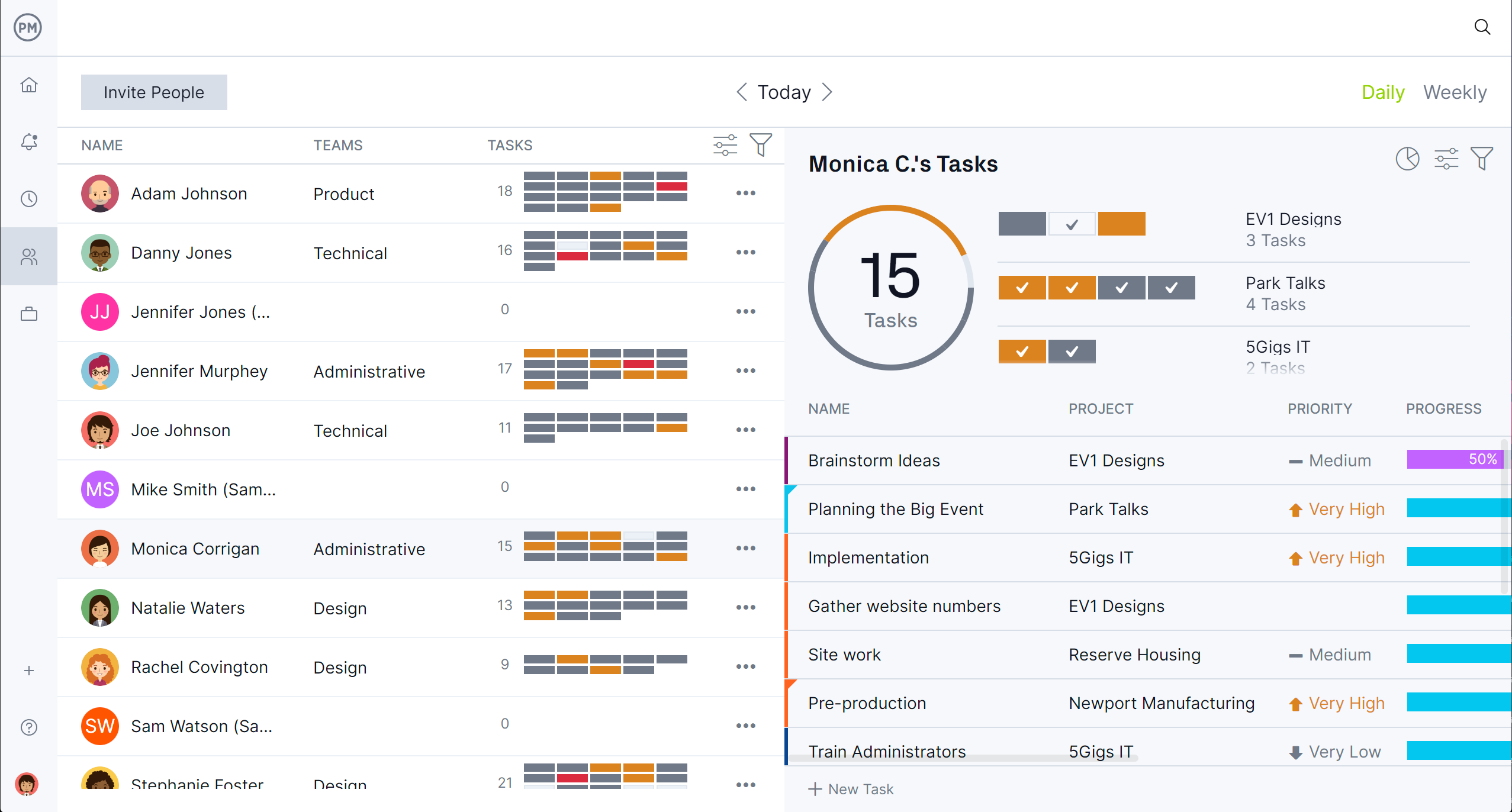
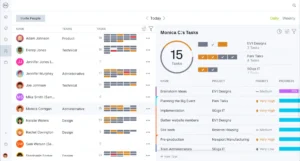
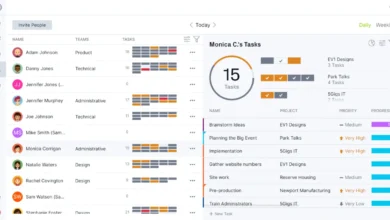
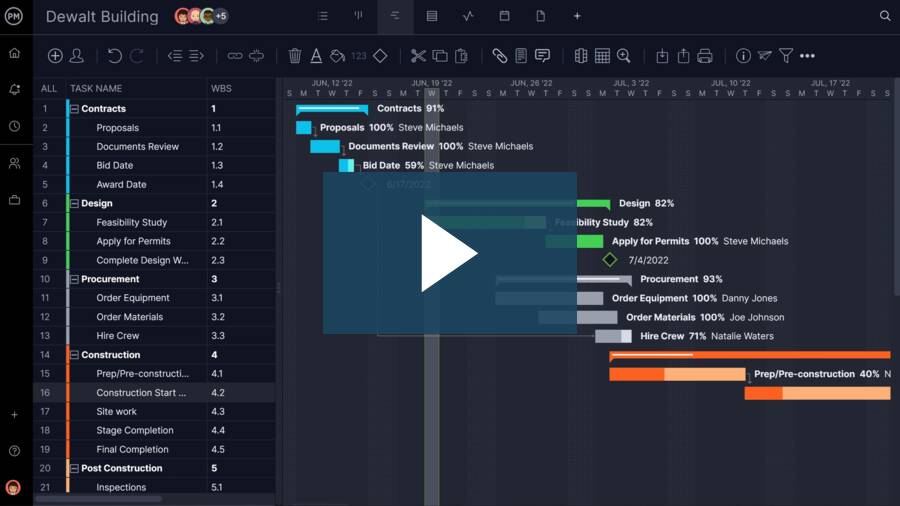
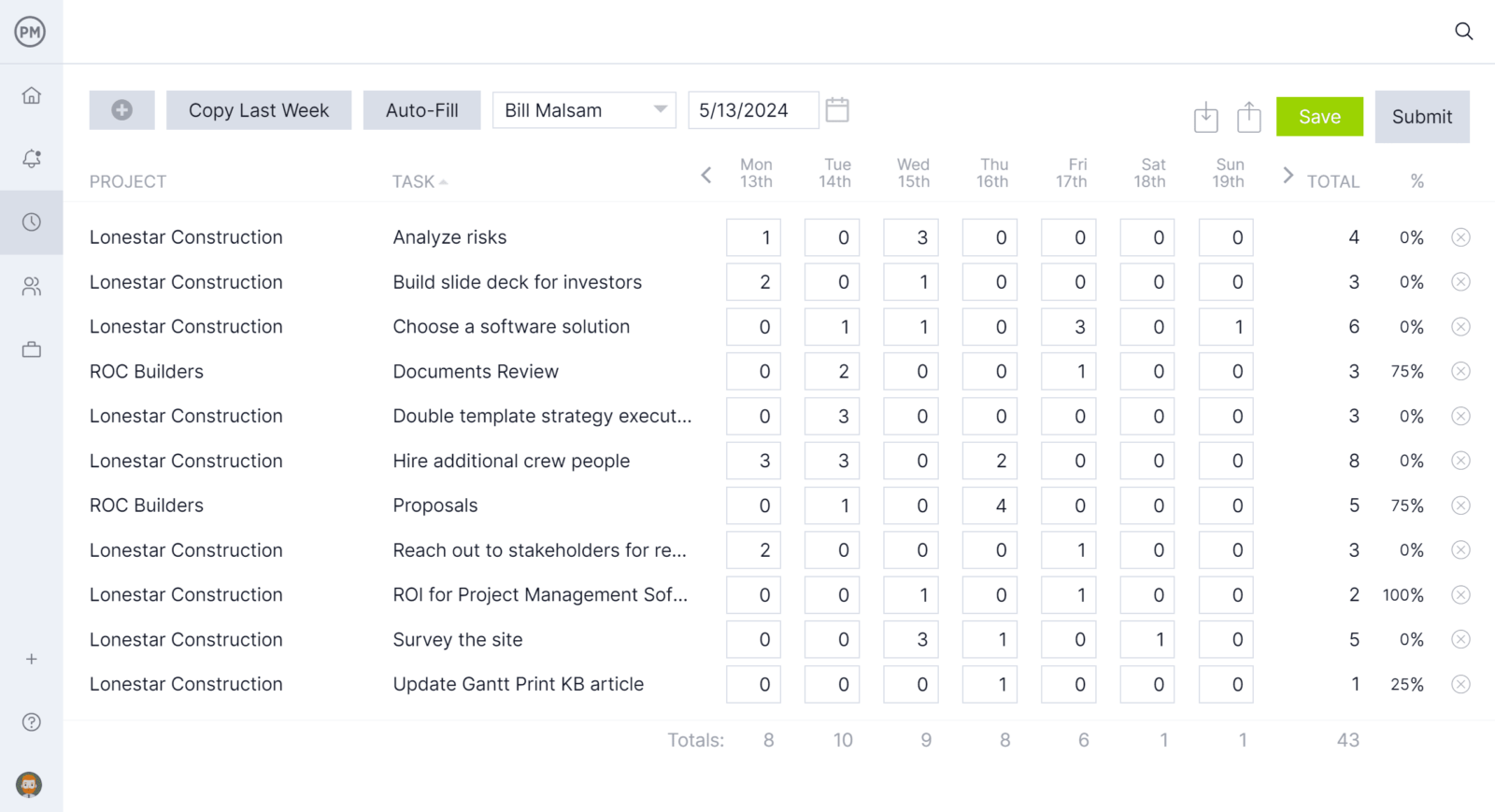
ProjectManager has emerged as an award-winning online project management software, purpose-built for teams requiring real-time planning, scheduling, and tracking. Its strength lies in its comprehensive feature set, making it invaluable for construction teams managing everything from crew assignments and task dependencies to resource allocation and cost tracking from a single, accessible platform. The online Gantt chart is the cornerstone of its scheduling prowess, visually mapping tasks with adjustable durations, linking dependent activities to avert bottlenecks, setting milestones for key phases, and automatically detecting the critical path. Beyond scheduling, ProjectManager’s resource management tools allow charting crew availability, assigning labor and equipment, and balancing workloads. Field teams can update hours via timesheets that feed directly into project cost tracking, while real-time dashboards offer managers a live view of schedule performance and cost variance, eliminating manual reporting. A 30-day free trial allows users to experience its capabilities firsthand.
- Verdict: Best Construction Scheduling Software for Real-Time Project Tracking.
2. Procore: The Comprehensive Platform for Large General Contractors
Procore stands as one of the most widely adopted construction management platforms, trusted by large general contractors for managing the entire project lifecycle, from pre-bid to close-out. It centralizes project controls, documentation, field workflows, budgets, RFIs, submittals, and scheduling. While offering functional scheduling through Gantt charts and calendar views, its native CPM capabilities are intermediate, often requiring imports from Microsoft Project or Primavera P6 for advanced resource leveling or variance analysis. Its strength lies in its all-encompassing nature, providing a single source of truth for large teams, though it comes with a steep learning curve and custom, often high, pricing based on annual construction volume.
- Verdict: Best Construction Scheduling Software for Large Construction Teams.
3. Autodesk Construction Cloud (ACC): Bridging Design and Field Execution
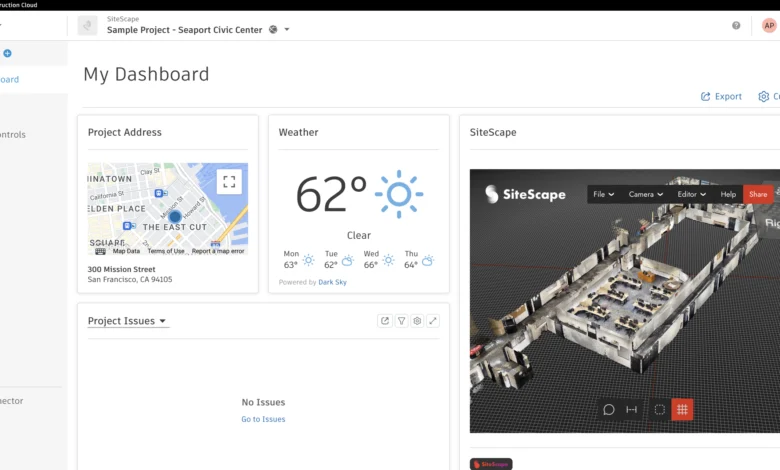
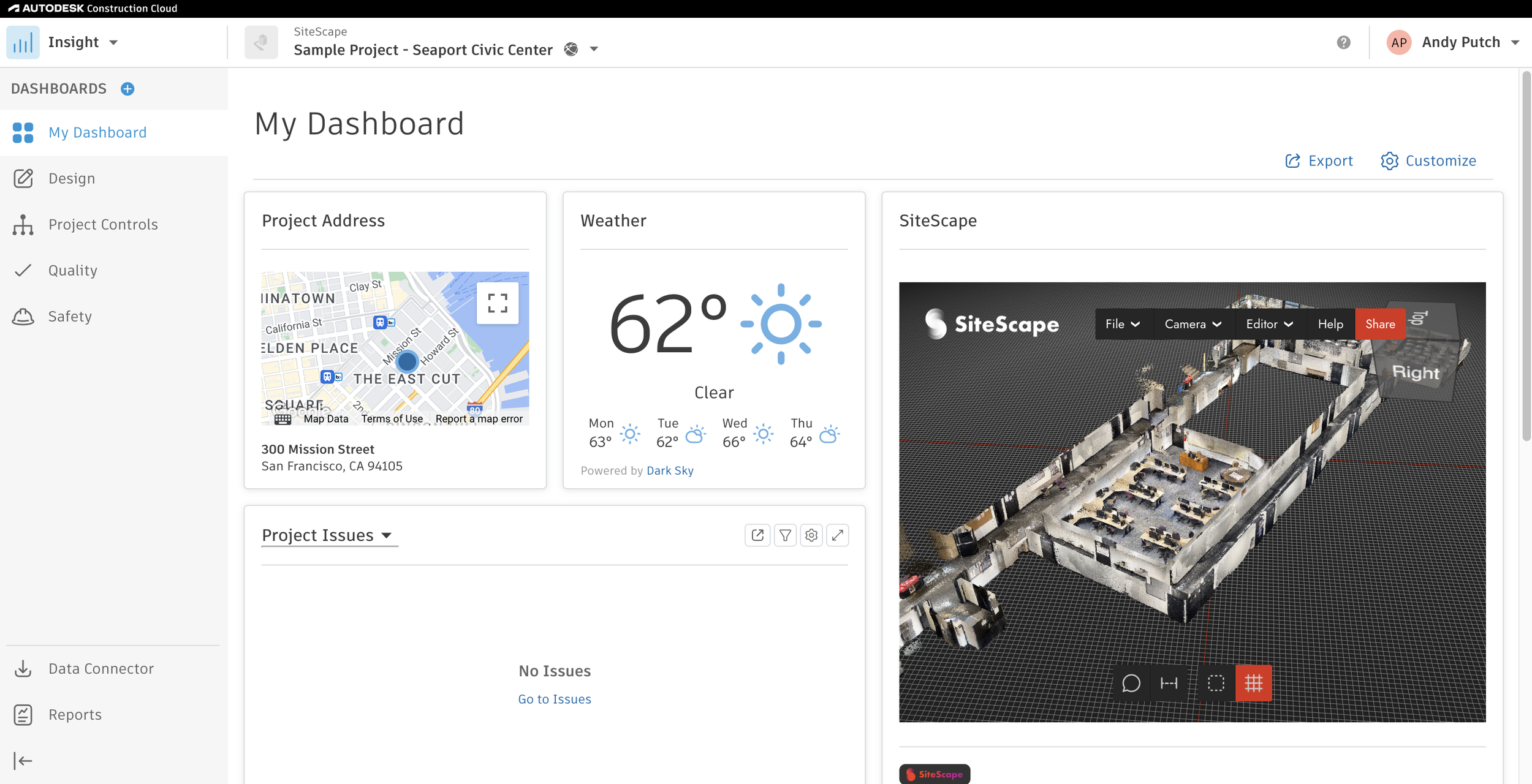
Autodesk Construction Cloud (ACC) is a powerful cloud-based platform connecting design, coordination, document management, field execution, and cost controls. Popular among general contractors, owners, and design-build teams, ACC serves as a central environment for managing construction data. As a scheduling tool, ACC focuses on coordination-oriented task management rather than a full CPM engine, lacking native CPM logic, deep Gantt functionality, and resource-driven scheduling. Organizations already deeply invested in the Autodesk ecosystem find it a valuable hub for integrating design and field operations, though it typically requires pairing with dedicated CPM tools for complex planning. Users note a steep learning curve and high cost, making it better suited for large enterprises.
- Verdict: Best Construction Scheduling Software for Design-Build Projects.
4. Microsoft Project: Advanced Scheduling Control for Traditional CPM

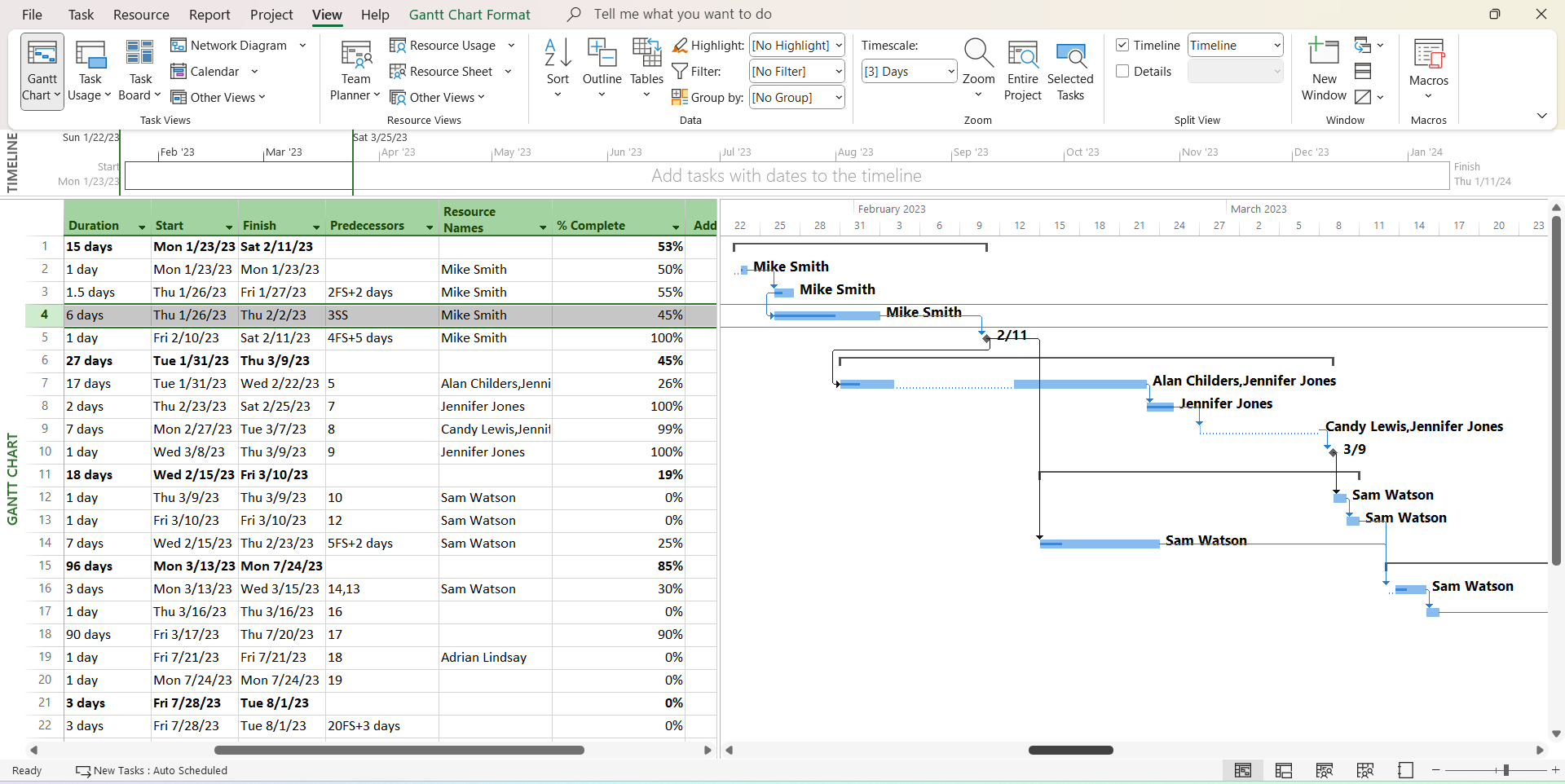
Microsoft Project has long been an industry standard for formal project scheduling, widely used across construction, engineering, and infrastructure. It excels in traditional CPM scheduling, supporting detailed dependencies, baselines, progress tracking, and robust resource management. Its strength lies in its rigorous CPM capabilities, making it suitable for teams needing precise planning without the enterprise cost of tools like Primavera P6. However, its general-purpose design, dated interface, and limited construction-specific field integration can be drawbacks. Despite a steep learning curve and less collaborative features compared to cloud-native solutions, it remains a capable option for advanced scheduling control.
- Verdict: Best Construction Scheduling Software for Advanced Scheduling Control.
5. Primavera P6: The Gold Standard for Complex Construction Schedules
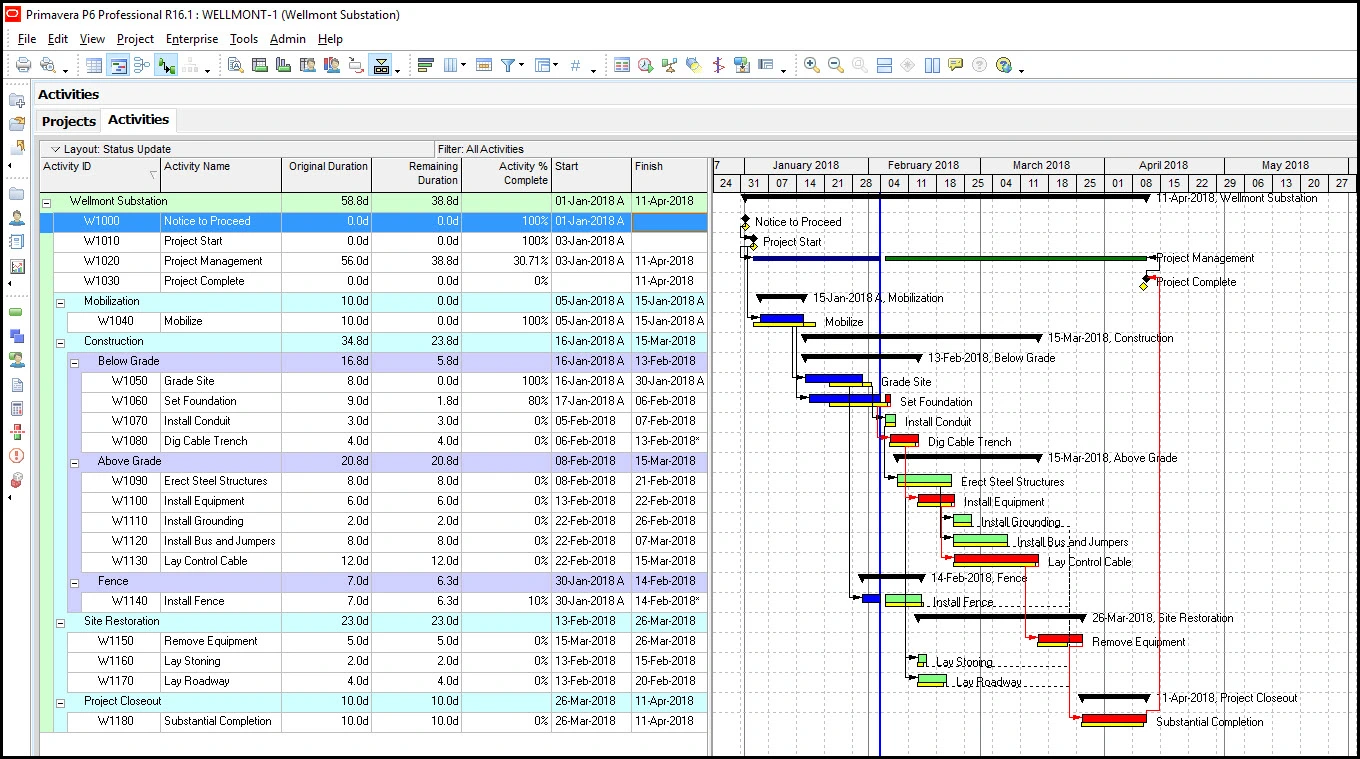
Primavera P6, an enterprise-grade scheduling and portfolio management tool from Oracle, is considered the "gold standard" for professional construction schedulers, particularly for large-scale, multi-project programs and complex capital projects in infrastructure, oil and gas. It offers unparalleled depth in CPM logic, dependency management, baseline tracking, and portfolio scheduling. This precision, however, comes with high complexity, a steep learning curve, and an outdated interface, often requiring dedicated, trained schedulers. While overkill for most contractors, its unmatched scheduling precision makes it indispensable for highly complex projects where schedule integrity is paramount.
- Verdict: Best Construction Scheduling Software for Complex Construction Schedules.
6. Buildertrend: Tailored for Home Builders and Remodelers

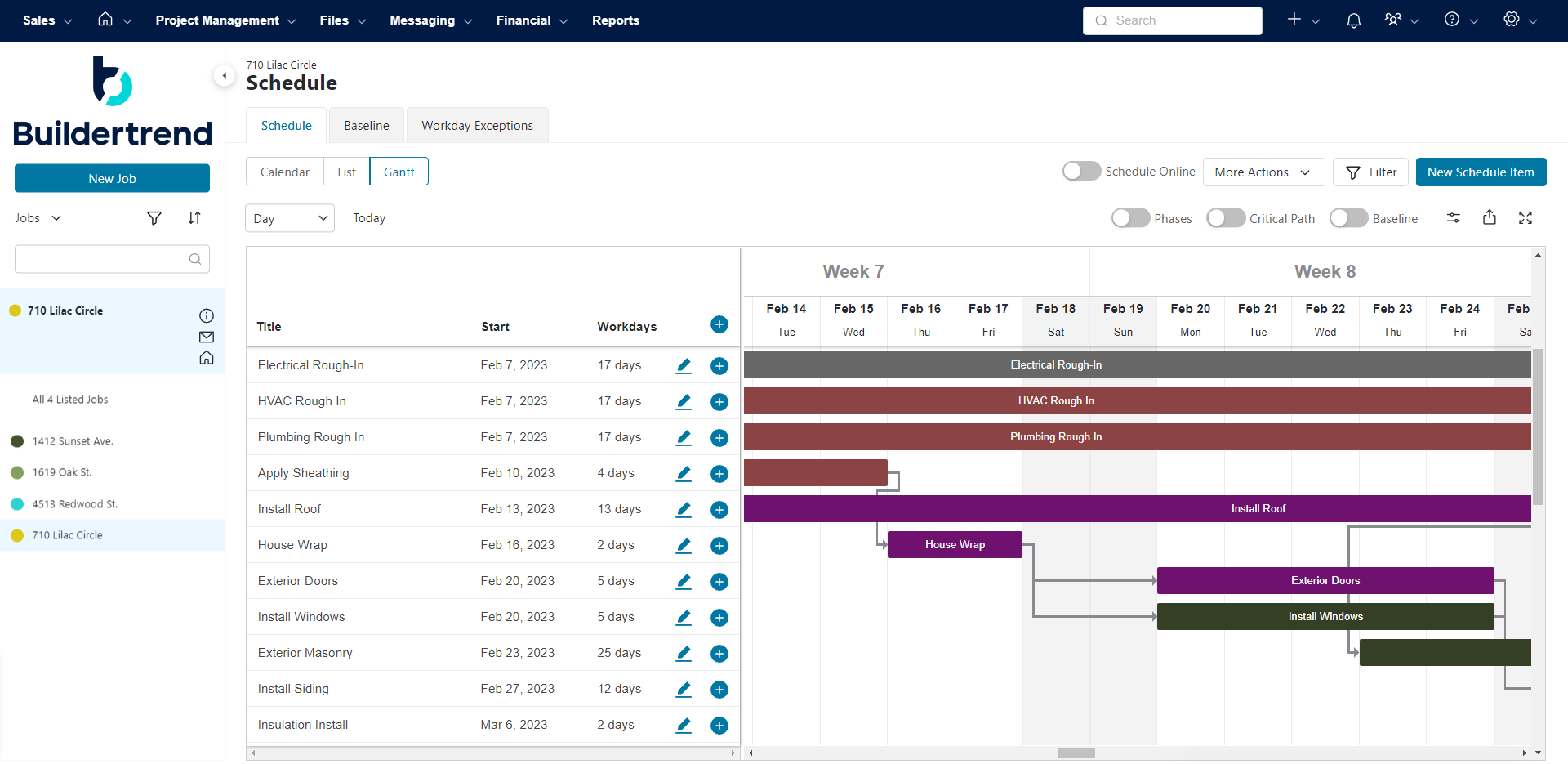
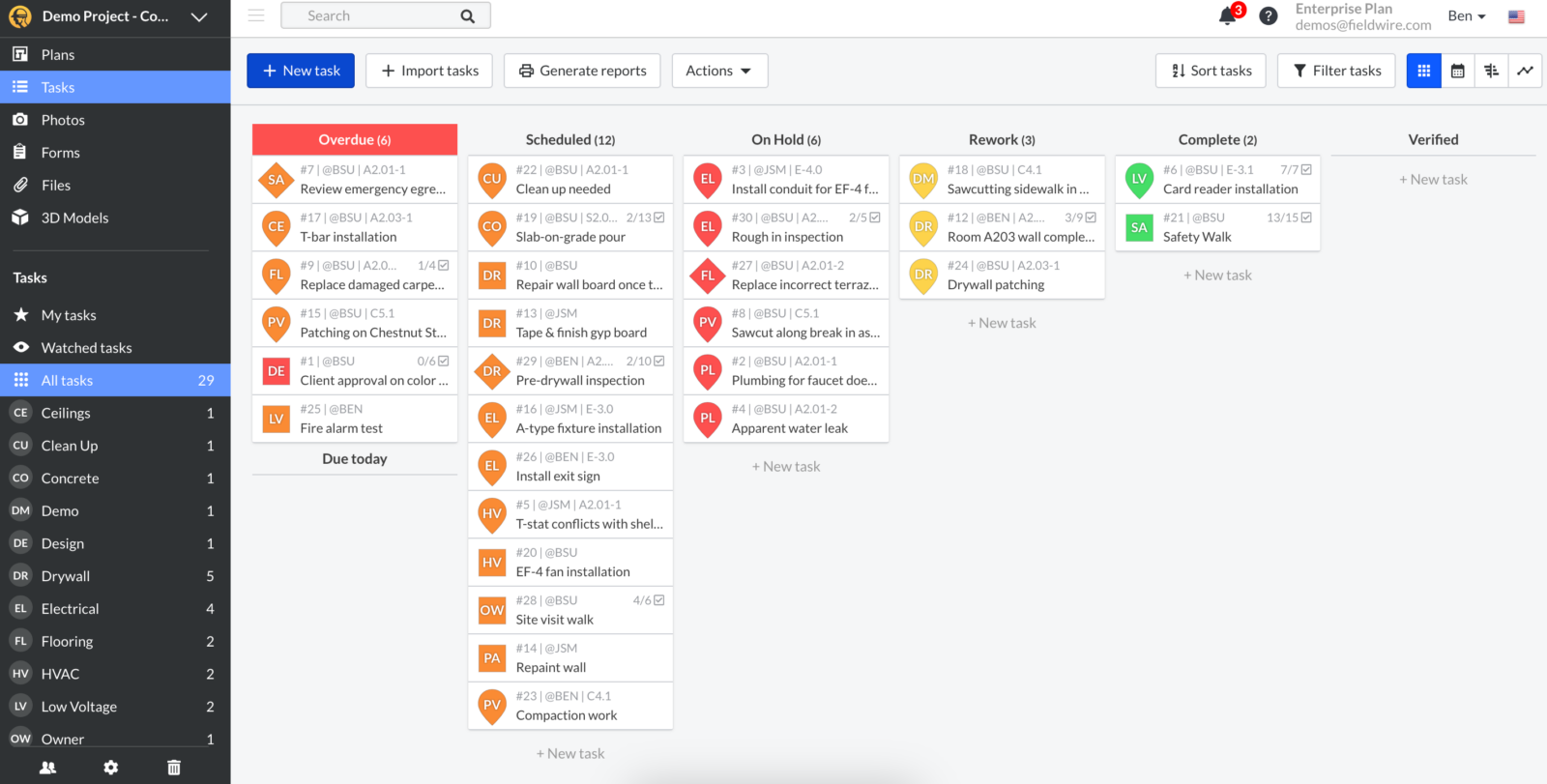
Buildertrend is a leading cloud-based construction management platform specifically designed for home builders, remodelers, and specialty contractors. It integrates scheduling, financials, client communication, daily logs, and project documentation into one platform. For scheduling, Buildertrend provides intermediate management with task dependencies, critical path visualization, templates, and multi-view functions (Gantt/Calendar). While it covers the essentials for residential construction, it lacks advanced CPM features like full dependency types and deep variance analytics. Its comprehensive nature and strong customer support are frequently praised, though some find the interface complex and the cost potentially high for smaller firms.
- Verdict: Best Construction Scheduling Software for Home Builders.
7. Monday.com: Flexible Team Collaboration for Construction
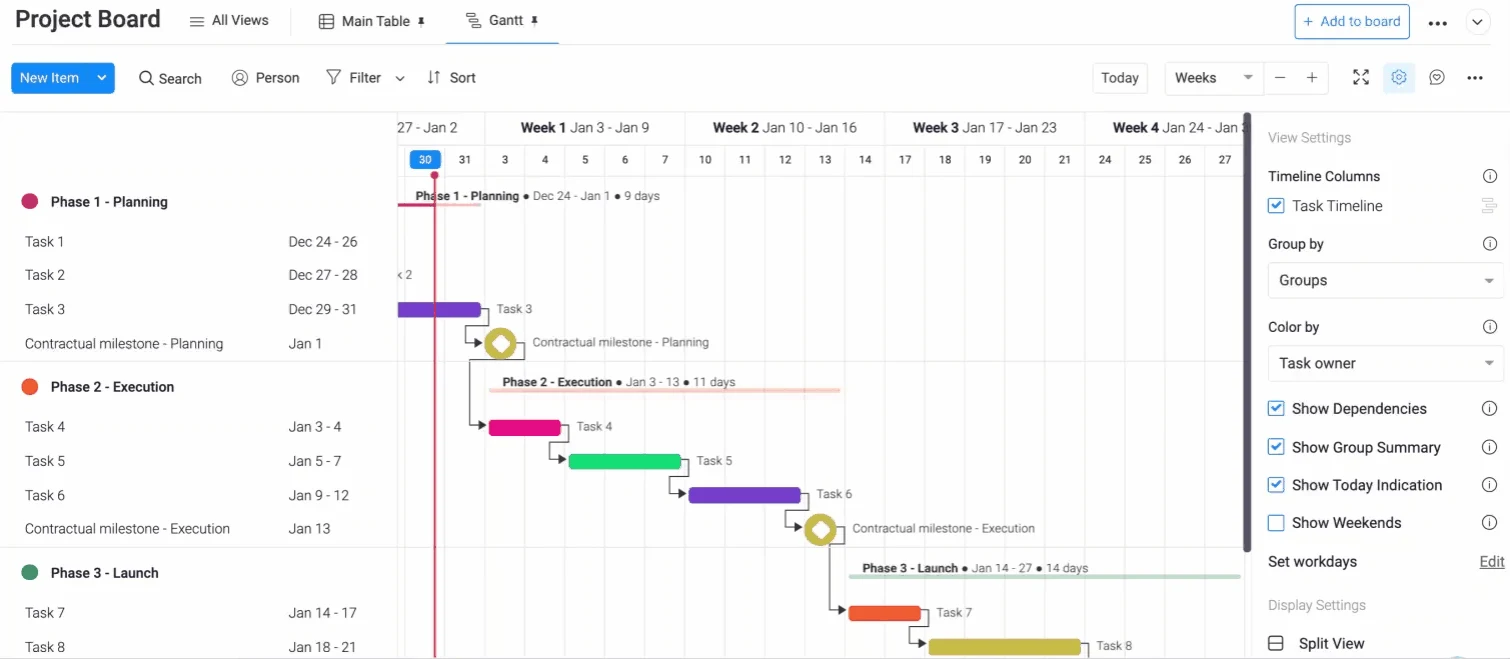
Monday.com is a popular work management platform adaptable to construction, offering flexibility without the complexity of traditional scheduling tools. Its dedicated construction use case, pre-built templates, and customizable project boards make it a go-to for teams prioritizing ease of use and collaboration. It provides Gantt-style timelines with drag-and-drop scheduling, task dependencies, critical path visualization, and baseline comparisons. While not a dedicated CPM tool (lacking float analysis or cost-loaded scheduling), its intuitive interface and robust collaboration features, backed by a large platform, deliver a strong scheduling experience for cross-functional construction teams.
- Verdict: Best Construction Scheduling Software for Flexible Team Collaboration.
8. Smartsheet: Spreadsheet-Based Scheduling with Enhanced Power

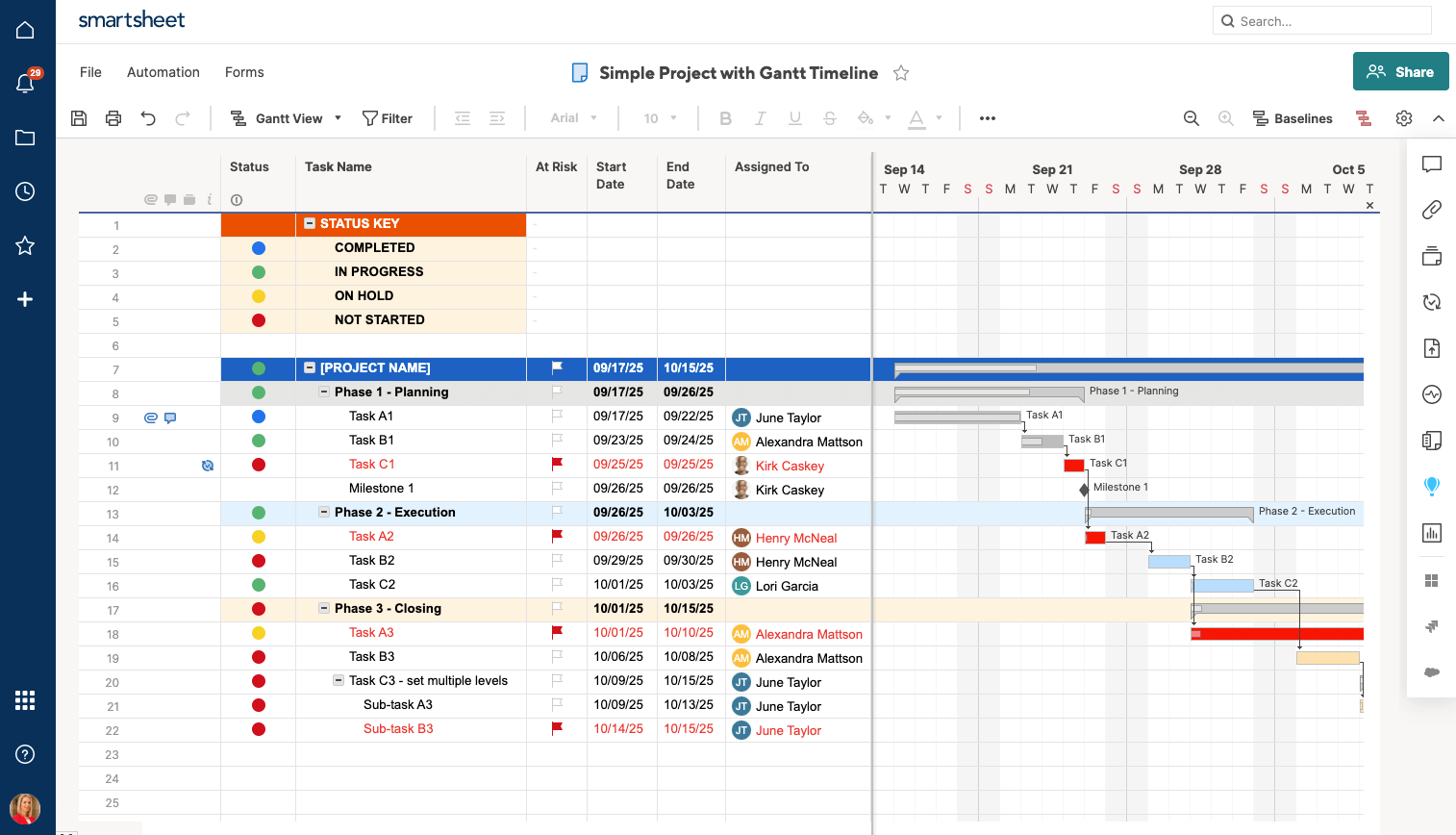
Smartsheet, a cloud-based work management platform, offers a more powerful, spreadsheet-inspired approach to project management, widely adopted across various industries, including construction. It provides intermediate, spreadsheet-driven scheduling with Gantt charts, dependencies, and baselines. While it doesn’t match professional CPM tools in terms of float visualization or advanced resource scheduling, it offers a clean entry point for teams migrating from Excel, combining strong automation and collaboration features. Users often cite a learning curve for advanced features and potential performance slowdowns on very large sheets.
- Verdict: Best Construction Scheduling Software for Spreadsheet-Based Scheduling.
9. Fieldwire: Optimized for On-Site Coordination
Fieldwire, now part of Hilti, is a construction field management platform focused on task coordination, plan viewing, inspections, and punch lists. It excels at facilitating collaboration among field teams around drawings and daily work execution. However, it is not a true scheduling tool in the CPM sense, lacking Gantt charts, baselines, dependency management, and schedule analytics. Its scheduling is task-centric and operational, ideal for on-site coordination but typically used in conjunction with a dedicated scheduling tool for formal project schedule development. Users praise its plan viewing and real-time markup, though note per-user costs can add up.
- Verdict: Best Construction Scheduling Software for On-Site Coordination.
10. Workyard: Precision Labor Tracking and Crew Scheduling
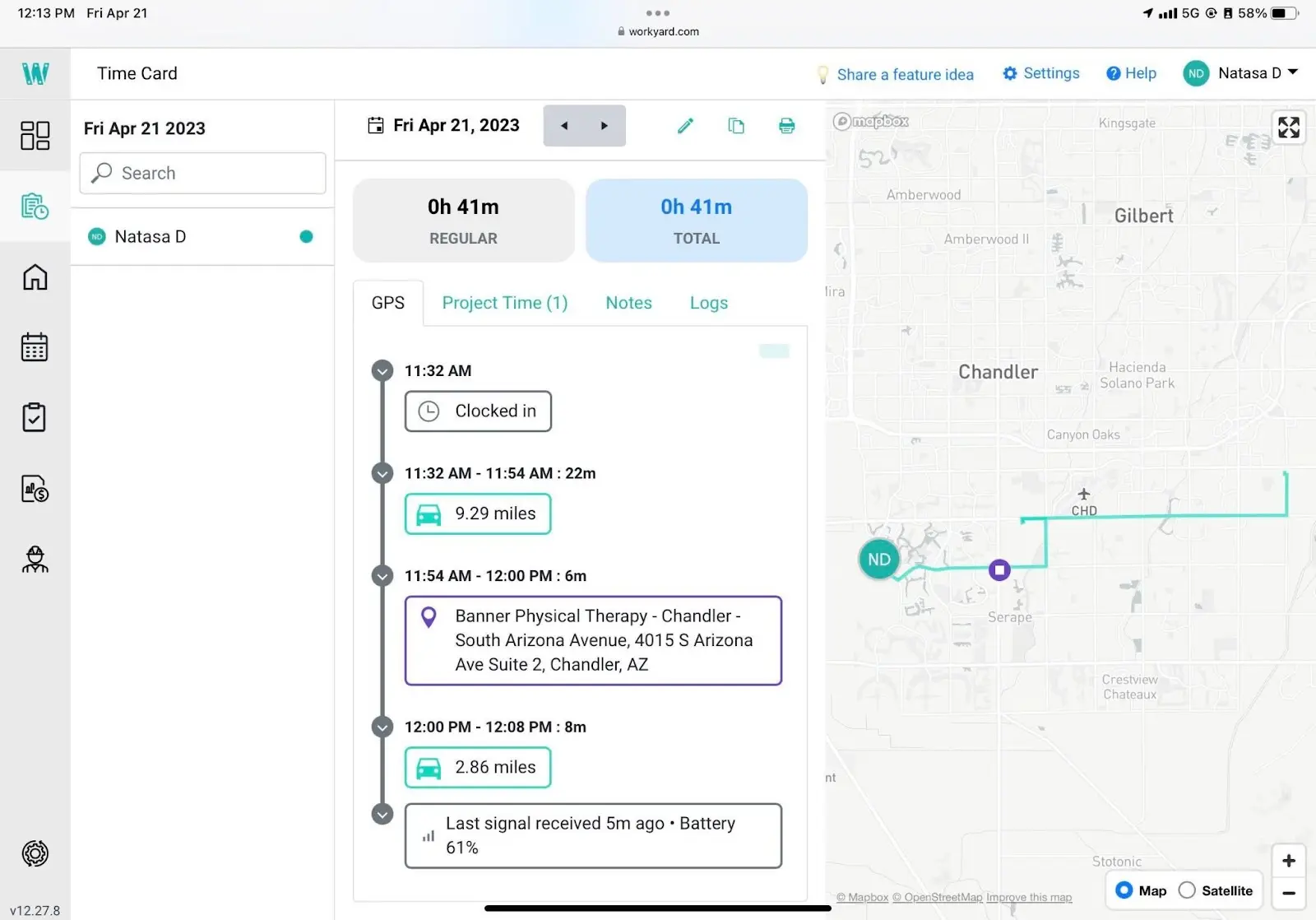
Workyard is a construction workforce management platform that zeroes in on scheduling crews, tracking labor hours via GPS, and capturing job cost data. It’s built for the day-to-day operational side of managing a crew, allowing contractors to assign work, monitor crew locations in real-time, and link field time and cost data to the office. While providing basic scheduling for crew assignment and dispatch via calendar views, it lacks formal CPM logic, Gantt visualization, and baselines for detailed project schedule development. It fills a crucial gap for contractors needing precise labor cost tracking and GPS accountability but serves as a complement rather than a replacement for a full scheduling tool.
- Verdict: Best Construction Scheduling Software for Labor Tracking.
11. InEight: Enterprise Construction Project Controls
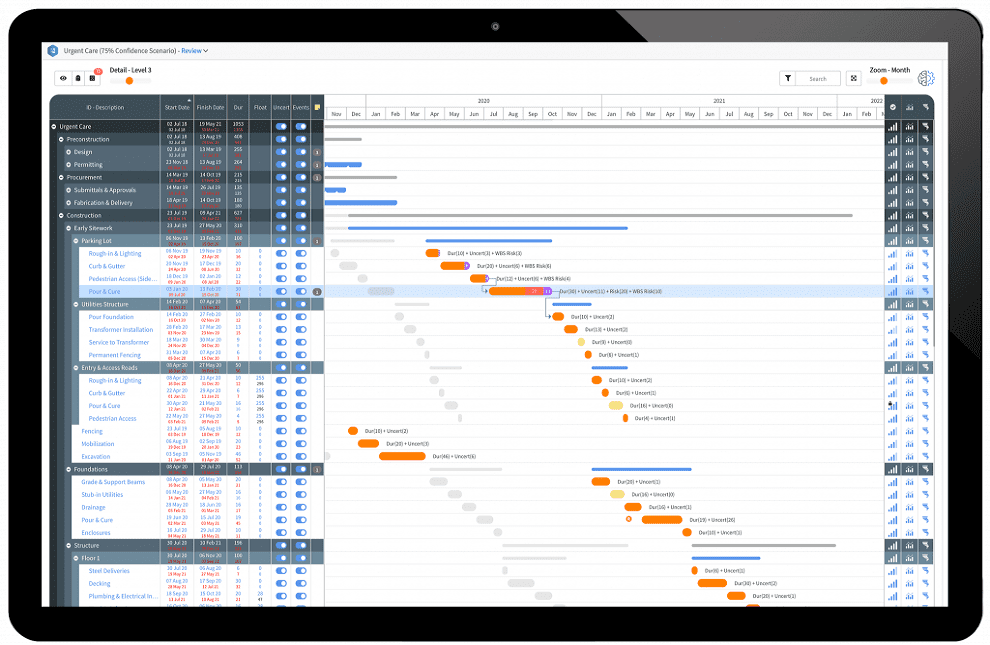
InEight is an enterprise construction project controls platform utilized by hundreds of companies globally to manage projects exceeding a trillion dollars. It targets large contractors in infrastructure, transportation, power, and oil & gas, focusing on capital planning, cost management, estimating, scheduling integration, risk, and performance controls. As a scheduling software, InEight is more controls-centric than scheduling-centric. It integrates imported schedules for forecasting and analysis but doesn’t function as a standalone CPM scheduling engine. Teams typically pair it with Primavera P6 or Microsoft Project for schedule authoring. Its high cost, long implementation cycles, and steep learning curve make it best suited for large enterprises with complex project control needs.
- Verdict: Best Construction Scheduling Software for Enterprise Construction Projects.
12. Jobber: Field Service Management for Small Contractors

Jobber is a field service management platform popular with over 250,000 service businesses, including plumbers, electricians, landscapers, and small construction contractors. It streamlines client communication, quoting, invoicing, scheduling, and basic work planning, making it highly efficient for managing recurring jobs. Its schedule module focuses on calendar views and appointment management rather than advanced project schedule management with Gantt charts or critical path analysis. For simple job assignments and crew dispatch, it is effective, but it falls short for complex, multi-week construction project schedules. Users appreciate its ease of use and client communication features, but note its limitations for scaling complex projects.
- Verdict: Best Construction Scheduling Software for Field Service Contractors.
13. Contractor Foreman: Value-Oriented for Small to Mid-Sized Contractors
Contractor Foreman offers an affordable, all-in-one construction management platform for small to mid-sized contractors, starting at a competitive price point. It integrates scheduling, estimating, job costing, time tracking, documents, and client communication, aiming to replace multiple disconnected applications. As a scheduling tool, it provides basic to intermediate capabilities with Gantt charts, task dependencies, milestones, and progress tracking. While it may lack the depth of advanced CPM tools like float visualization or portfolio-level scheduling, it offers reliable everyday scheduling for smaller contractors without enterprise-level pricing. Users rate it highly for value, though some find the interface busy and note a learning curve.
- Verdict: Best Construction Scheduling Software for Small Contractors.
14. Microsoft Planner: Simple Task Planning within Microsoft 365
Microsoft Planner is a lightweight task management tool included with Microsoft 365 subscriptions, primarily used for team task tracking, to-do lists, and simple work planning via boards, buckets, and due dates. Its tight integration with Teams and Outlook makes it a natural choice for Microsoft-heavy organizations seeking basic task organization. However, as a construction scheduling software, it is far below professional standards, lacking CPM logic, Gantt charts, baselines, dependencies, and advanced resource scheduling. It functions as a task list and light collaboration aid, not a comprehensive tool for building or managing complex construction schedules. Its main appeal is the zero added cost for very small teams needing basic tracking.
- Verdict: Best Construction Scheduling Software for Simple Task Planning.
15. Wrike: Cross-Functional Team Project Management

Wrike is a cloud-based work management and collaboration platform used across various industries, including those that can adapt it for construction scheduling. It offers a strong feature set, including Gantt charts, dependencies, baselines, and resource management, making it popular with marketing, operations, and professional services teams. As a construction scheduling software, Wrike provides general-purpose scheduling rather than construction-grade CPM. While it includes essential project management features, it lacks the CPM rigor, float visualization, advanced resource scheduling, and construction-specific cost integration found in specialized tools. For cross-functional construction teams needing robust project tracking and reporting without a steep learning curve, it’s a solid option, but dedicated schedulers may find its CPM capabilities too light.
- Verdict: Best Construction Scheduling Software for Cross-Functional Teams.
Choosing the Right Construction Scheduling Software
Selecting the optimal construction scheduling software is a strategic decision that profoundly impacts project outcomes. There is no one-size-fits-all solution; the "best" tool is inherently subjective and depends entirely on an organization’s specific needs, project complexity, team structure, budget, and existing technological ecosystem.
Before committing to a platform, construction firms should thoroughly assess their operational workflows, the typical scale and complexity of their projects, the required level of reporting detail, and their team’s technical proficiency. Key considerations for construction scheduling tools and features include:
- CPM Capabilities: Does the software support critical path analysis, various dependency types, and float management?
- Resource Management: Can it effectively track and allocate labor, equipment, and materials to prevent over-allocation?
- Cost Integration: Does it seamlessly link scheduling data with project budgets and financial tracking?
- Field Mobility: Are there robust mobile applications for on-site updates, communication, and progress tracking?
- Collaboration Tools: How well does it facilitate communication, document sharing, and RFI management among diverse stakeholders?
- Reporting & Analytics: Does it provide customizable dashboards and comprehensive reports for performance monitoring and forecasting?
- Scalability: Can the software grow with the company, supporting an increasing number of projects and users?
- Integration Ecosystem: Does it integrate with other essential software like BIM, ERP systems, and accounting platforms?
Engaging in free trials and demonstrations is crucial to evaluate the user experience and feature fit before making a significant investment.
The Broader Impact and Future Outlook
The widespread adoption of sophisticated construction scheduling software has profound implications for the industry. It leads to enhanced project predictability, significant reductions in delays and cost overruns, improved resource utilization, and elevated communication across project teams and stakeholders. By providing real-time visibility and proactive risk identification, these tools empower project managers to make informed decisions swiftly, fostering greater accountability and transparency.
Looking ahead to 2026 and beyond, the integration of Artificial Intelligence (AI) and Machine Learning (ML) is expected to further revolutionize construction scheduling. Predictive analytics will enable more accurate forecasting of project timelines and potential risks, while AI-driven optimization could dynamically adjust schedules in response to unforeseen events, supply chain disruptions, or weather patterns. The increasing use of IoT devices on job sites will provide richer, real-time data feeds, enabling more granular tracking of equipment, materials, and personnel, feeding into digital twins for comprehensive project visualization and management. As the industry embraces these technological advancements, construction scheduling software will continue to evolve, becoming even more intelligent, integrated, and indispensable for navigating the complexities of modern construction.

Frequently Asked Questions About Construction Scheduling Software
What is the best construction scheduling software?
ProjectManager is widely recognized as a leading construction project scheduling software. It offers a comprehensive suite of scheduling, resource, and cost-tracking tools tailored for construction teams, complemented by a free 30-day trial for evaluation.
How much does construction scheduling software cost?
The pricing of construction scheduling software varies significantly based on features, user count, and complexity. Entry-level tools or basic task managers may be free or cost less than $20 per user per month. Mid-range platforms offering Gantt charts, collaboration, and foundational scheduling capabilities typically range from $9 to $30 per user per month. Advanced enterprise-grade solutions with CPM, portfolio management, and extensive controls are usually priced via custom quotes, potentially costing thousands annually depending on the number of users, modules, and project volume.
How does construction scheduling software work?
Construction project scheduling software functions by organizing all project activities into a structured timeline, illustrating sequences, durations, and dependencies between tasks. Teams create these schedules using visual tools like Gantt charts, project calendars, or detailed task lists, then assign necessary labor, equipment, and associated costs to each activity. As work progresses on-site, updates from field teams are logged, automatically adjusting the digital timelines in real-time. More advanced platforms incorporate Critical Path Method (CPM) calculations, track variances against established baselines, and provide intuitive dashboards. This comprehensive system enables managers to forecast potential delays, efficiently coordinate different trades, and keep all stakeholders informed and aligned throughout the project lifecycle.

Construction project management is a demanding field that requires robust and dynamic project management software to handle its myriad moving parts. ProjectManager, with its comprehensive suite of tools, is uniquely equipped to plan, monitor, and report on every phase of a project’s life cycle. Its visual workflow features, including online Gantt charts and kanban boards, facilitate efficient scheduling and foster seamless team collaboration. Experience its capabilities firsthand by taking a free 30-day trial.