Buffer Unveils ‘Insights,’ a Reimagined Analytics Platform Empowering Marketers with Actionable Data and AI-Driven Guidance

Buffer, a prominent player in social media management solutions, today announced the comprehensive overhaul and launch of its new analytics platform, "Insights." This significant development marks a strategic pivot for the company, focusing on providing marketers, content creators, and agencies with an intuitive, powerful, and actionable data solution designed to inform creative strategy rather than dictate it. The platform is engineered to address a long-standing challenge in the marketing landscape: the struggle to translate raw data into clear, strategic next steps.
The new "Insights" platform is built from the ground up, reflecting Buffer’s commitment to innovation and user-centric design. It promises to deliver a distinct analytics experience, emphasizing the critical balance between quantitative data and qualitative creativity. In a market often saturated with either overly simplistic or excessively complex and costly analytics tools, Buffer aims to carve out a niche by offering sophisticated, actionable intelligence that is accessible to a broad spectrum of users, including a robust free tier.
The Evolving Landscape of Social Media Analytics
The journey to "Insights" is rooted in the dynamic evolution of social media marketing. Over the past decade, social media has transformed from a supplementary communication channel into a cornerstone of brand building and customer engagement. As platforms like Meta (Facebook, Instagram), LinkedIn, and X (formerly Twitter) matured, so did the demand for sophisticated tools to measure performance and optimize strategies. Early social analytics often focused on vanity metrics such as follower counts and basic likes, offering little in the way of strategic direction.
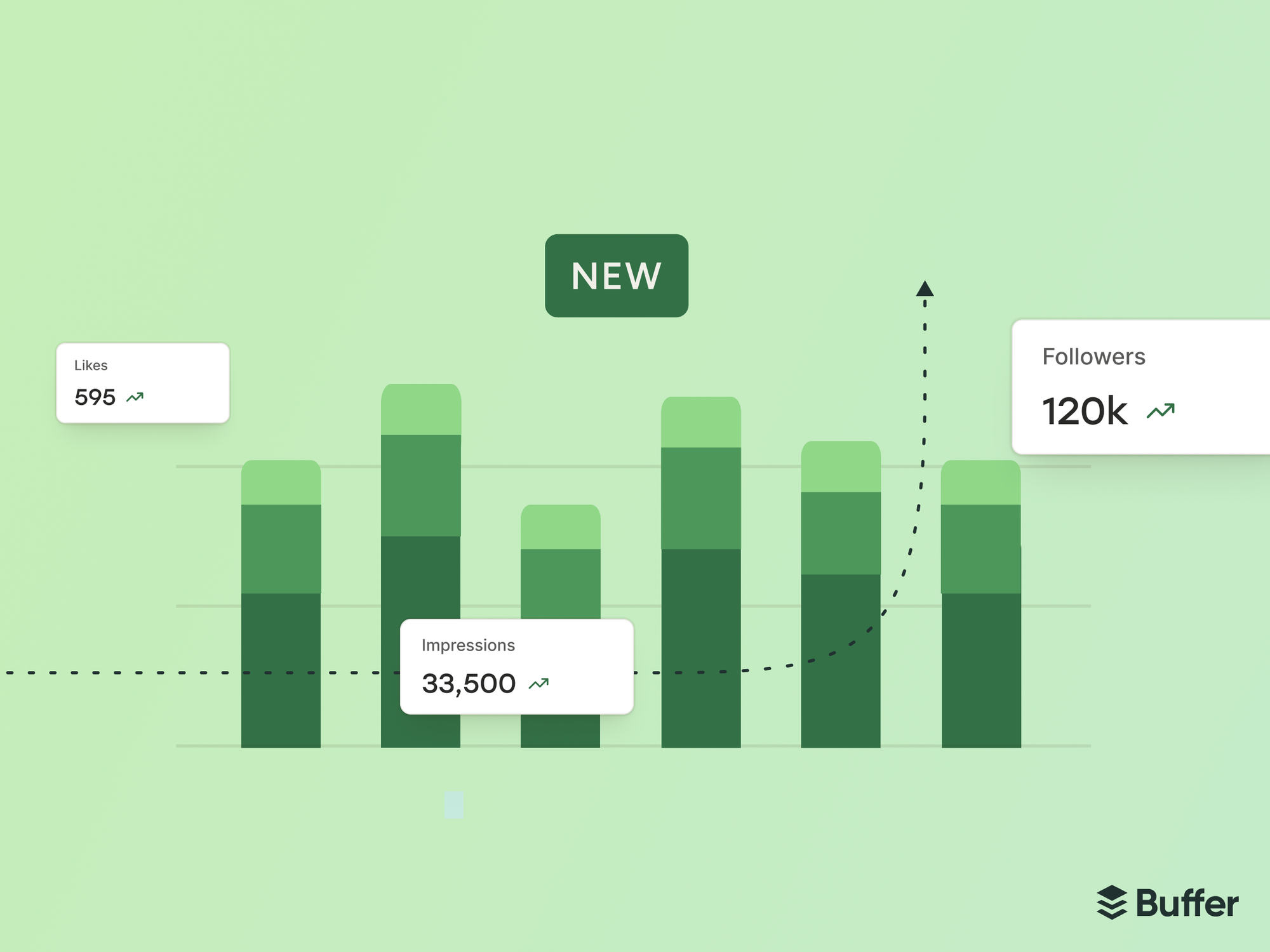
However, the sheer volume of data generated by social media interactions quickly led to a new problem: data overload. Marketers found themselves drowning in dashboards and reports, struggling to identify meaningful patterns or derive actionable intelligence. According to a 2023 report by HubSpot, over 60% of marketers identify measuring ROI and proving the value of social media efforts as their biggest challenges. This highlights a critical gap between data availability and data utility. Furthermore, the increasing importance of authentic content and original thought has underscored the need for tools that augment human creativity, rather than supplant it with purely data-driven directives.
Buffer, which has been a staple in social media scheduling and management for years, recognized this evolving need. Its internal teams, comprised of marketers and content creators, experienced these challenges firsthand. The vision for "Insights" was born from a desire to create a tool that not only presented data but actively helped users understand "what to do next," fostering a data-informed approach where creativity remains paramount.
Insights for Everyone: Democratizing Advanced Analytics
One of the most disruptive aspects of Buffer’s new offering is its commitment to providing powerful, actionable insights on a free plan. This strategy aims to democratize advanced social media analytics, making it accessible to a wider audience, from individual creators managing a single channel to burgeoning small businesses and even agencies handling multiple client accounts.
Historically, the choice for social media analytics has been a stark one: either settle for rudimentary data provided by free tools, which often lack depth and context, or invest heavily in enterprise-level platforms that, while comprehensive, can be prohibitively expensive and often overwhelming. These high-end solutions frequently present a deluge of metrics without clear guidance, leaving users to decipher complex data sets on their own. Buffer’s "Insights" seeks to bridge this gap, offering a middle ground that provides genuine value without the steep price tag or the analytical paralysis.
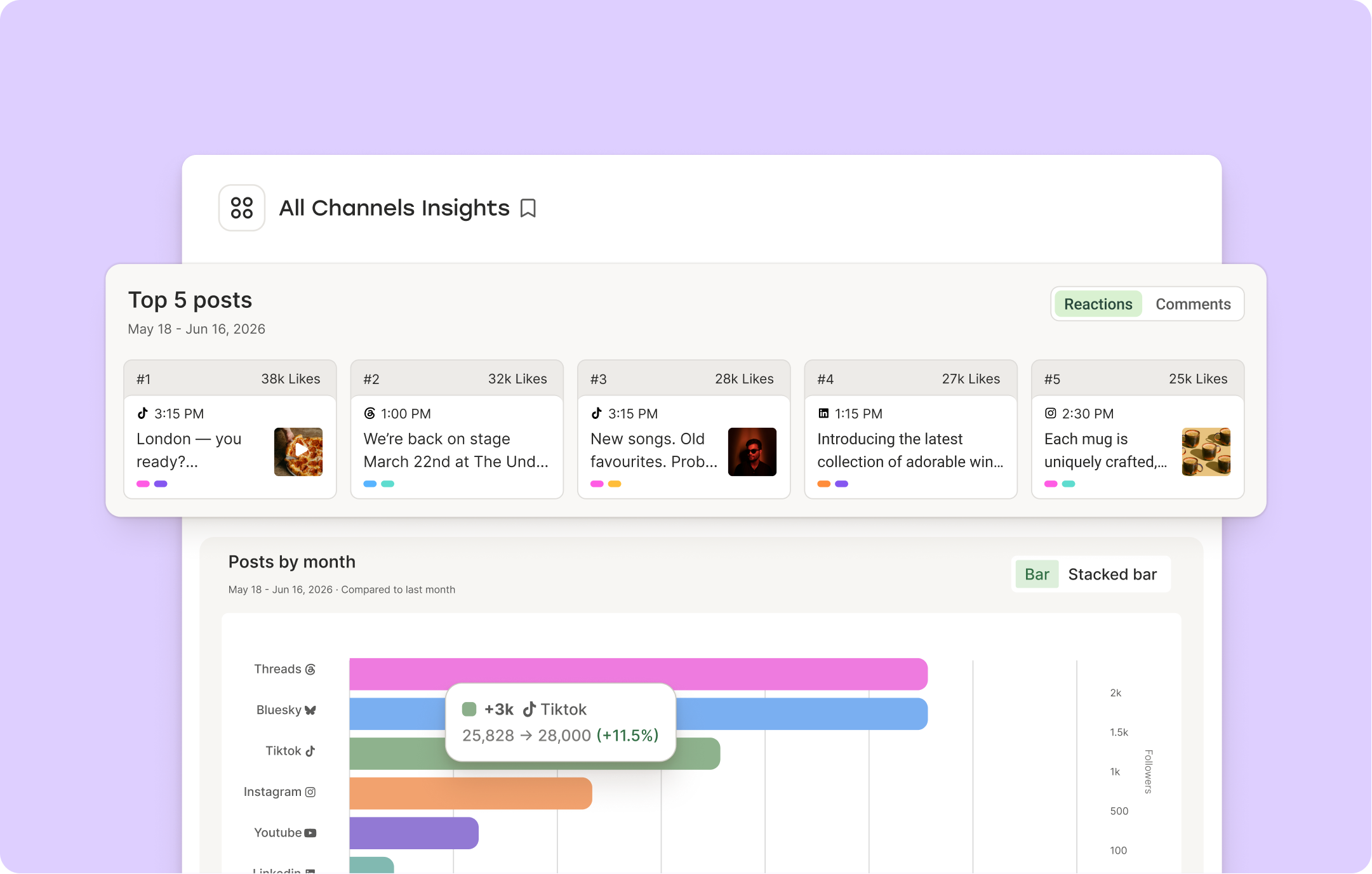
The design philosophy behind "Insights" caters to this diverse user base. For a solo creator, the tool can simplify performance tracking across their chosen platform, highlighting content that resonates most effectively. For an agency, it offers aggregated views and detailed breakdowns across multiple client brands, streamlining reporting and strategy development. The underlying principle is clear: actionable intelligence should not be a luxury reserved for those with large budgets but a fundamental right for anyone serious about social media growth.
Unlocking Data Portability and Integration with AI
A significant advancement within the "Insights" platform is its emphasis on data portability and integration. Buffer has launched a public API and an MCP (Multi-Channel Publishing) server in conjunction with "Insights," enabling users to access and manipulate their social media data beyond the confines of the Buffer dashboard. This feature is particularly pertinent in today’s interconnected digital ecosystem, where marketers often rely on a stack of diverse tools for reporting, analysis, and automation.
The ability to query data directly via an API means that users are no longer "trapped" with their numbers. They can pull performance metrics into custom dashboards, integrate them with business intelligence tools, or feed them into broader marketing automation systems. This open approach aligns with a growing industry trend towards API-first strategies, which empower users with greater control and flexibility over their data assets.
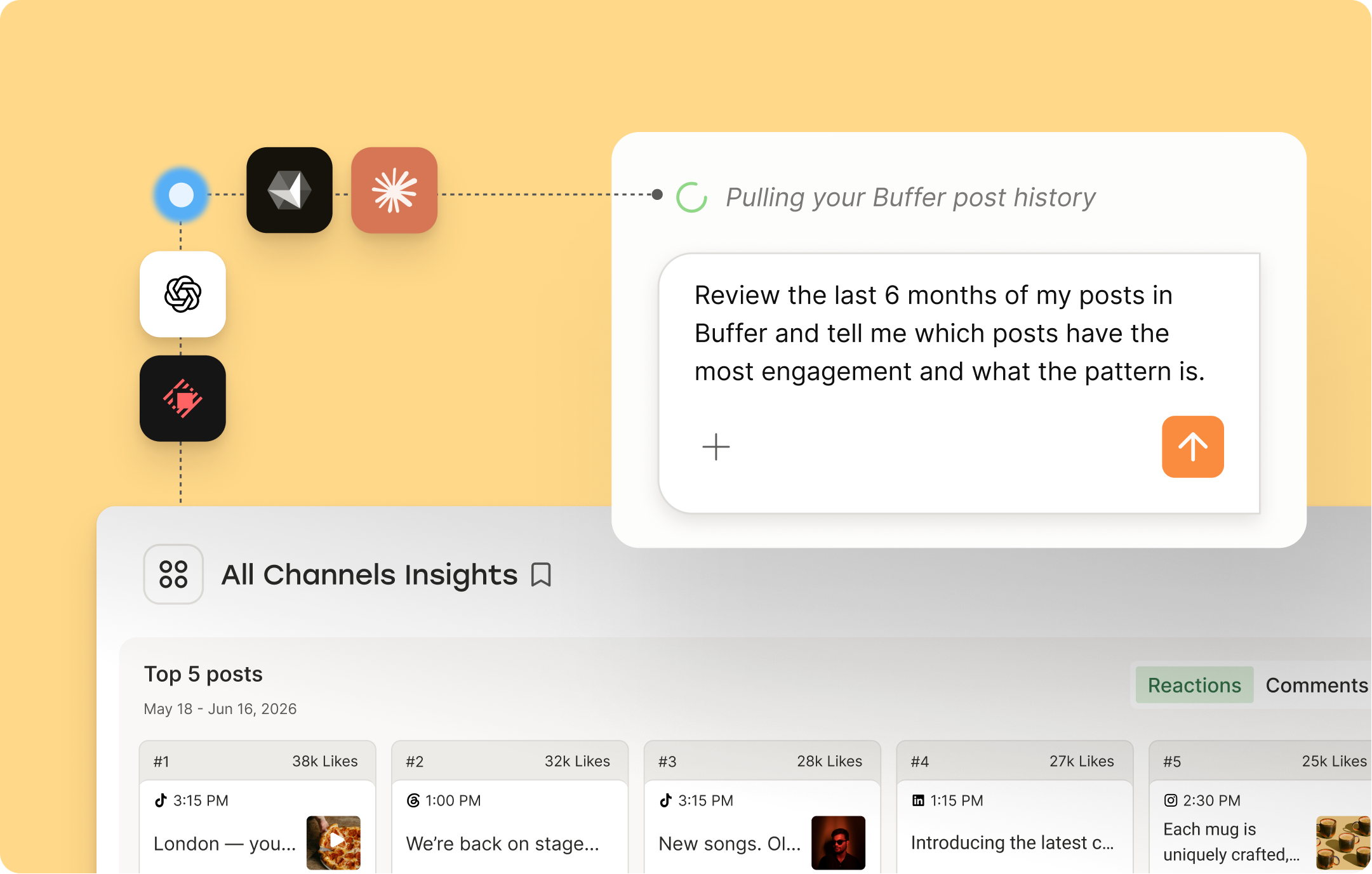
Furthermore, this data liberation facilitates seamless integration with emerging technologies, notably AI agents. By making data accessible programmatically, Buffer is positioning "Insights" as a future-proof solution that can leverage the power of artificial intelligence for advanced analysis and automation. Marketers can now hand off data directly to an AI agent for heavy lifting – perhaps to identify subtle trends, predict future performance, or generate detailed reports without manual intervention. This moves beyond merely presenting data; it enables intelligent systems to work with it, amplifying human analytical capabilities.
AI as a Creative Partner, Not a Replacement
Central to the philosophy of "Insights" is the role of artificial intelligence. Buffer has integrated AI that operates subtly in the background, acting as a supportive partner rather than an autonomous decision-maker. The AI in "Insights" is designed to analyze what is already performing well across a user’s social channels and offer guidance on how to build upon those successes. It functions as a catalyst for human creativity, not a substitute.
For instance, the AI might identify that posts featuring behind-the-scenes content consistently generate higher engagement rates on Instagram, or that tweets containing specific keywords tend to perform better on X. Instead of generating content itself, the AI provides these types of "takeaways" – clear, plain-language observations and suggestions. This empowers marketers to channel their creative energies more effectively, focusing on developing original content ideas that align with proven performance patterns.
This approach addresses a common concern among creative professionals regarding AI’s role in marketing: the fear that it will stifle originality. Buffer’s implementation aims to alleviate this by positioning AI as an analytical assistant that highlights opportunities and validates creative hunches, ultimately elevating the impact of human-generated content. By focusing on "what’s already working," the AI helps refine strategies, allowing marketers to spend less time on guesswork and more time on innovative execution.
Comprehensive Functionality for Strategic Decision-Making
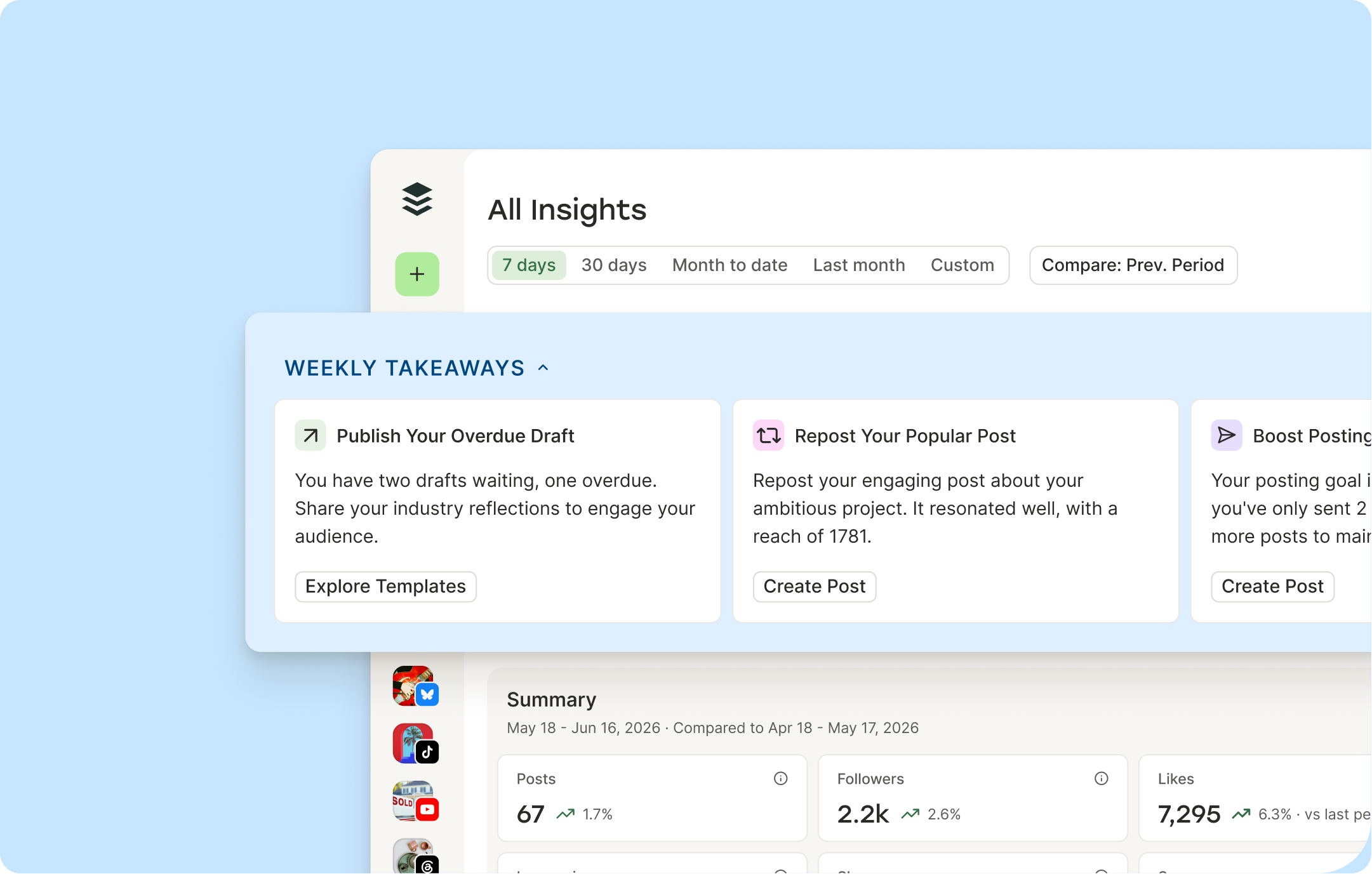
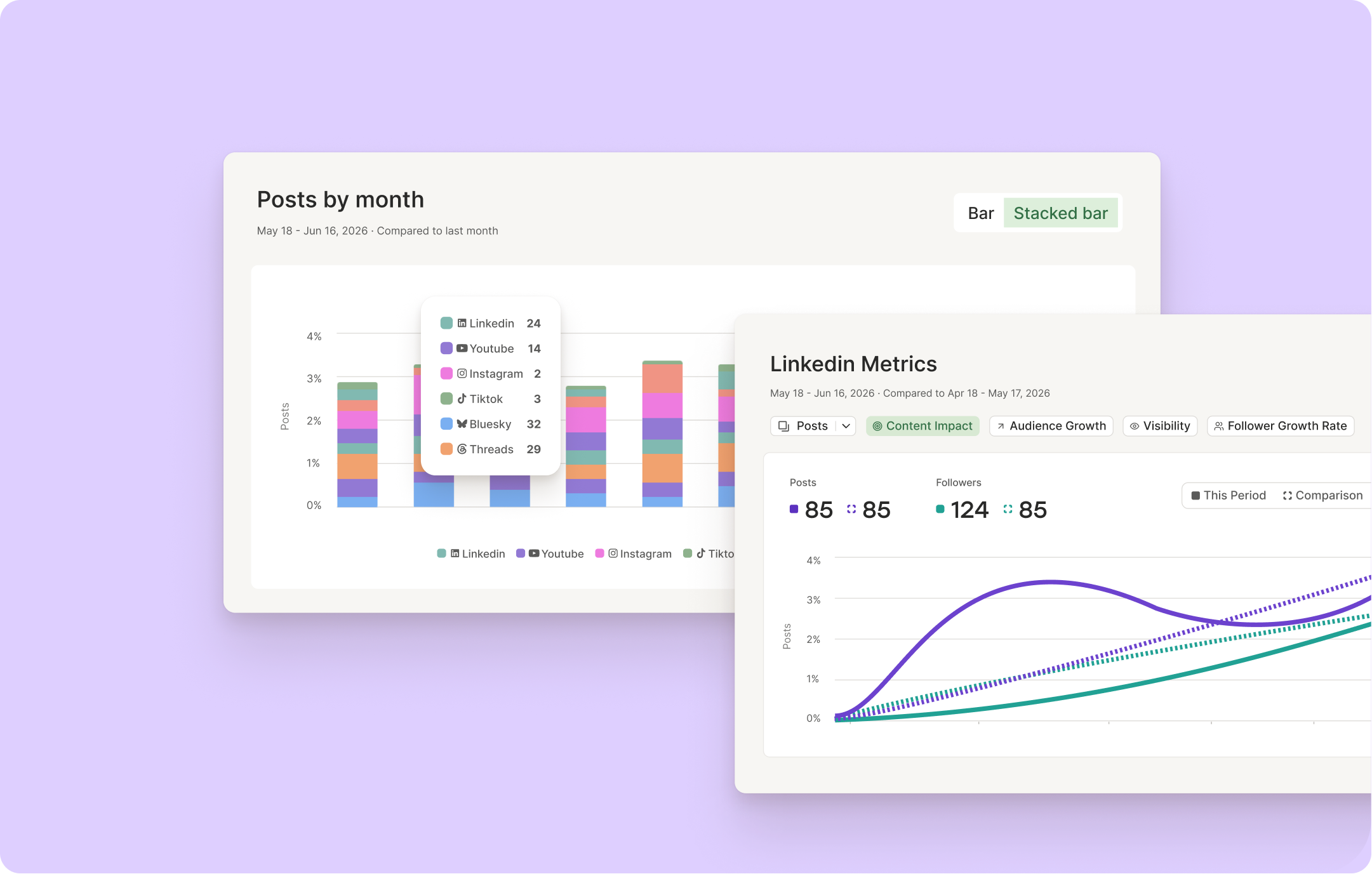
"Insights" offers a robust suite of functionalities designed to provide everything needed to make informed strategic decisions. While a full list of features was not detailed, the article hints at several key capabilities:
- Performance Tracking: Monitoring essential metrics across various social platforms.
- Content Analysis: Identifying top-performing posts, content types, and themes.
- Audience Insights: Understanding engagement patterns and audience demographics.
- Trend Identification: Spotting emerging trends in content performance.
- Actionable Recommendations: Converting data points into clear, implementable suggestions for future content.
- Cross-Channel Comparisons: Enabling brands and agencies to compare performance across different social networks.
- Customizable Reporting: Likely offering flexibility in generating reports tailored to specific needs.
These capabilities are critical for anyone looking to move beyond basic reporting to truly strategic content planning. The platform’s emphasis on "plain-language takeaways for creators who’d rather make things than read charts" underscores its user-friendly approach, ensuring that even those less analytically inclined can benefit from its intelligence.
A Foundation of Trust and Future-Proofing
Buffer’s credibility in the social media space is further bolstered by its status as an official partner to major platforms including Meta, LinkedIn, and X. This partnership status is not merely a badge of honor; it provides tangible benefits for users. Official partnerships ensure:
- Account Safety and Security: Users can trust that their social media accounts are managed securely and in compliance with platform guidelines, minimizing risks of bans or data breaches.
- Access to Latest Features: Partners typically receive early access to new APIs, features, and platform updates. This means Buffer can quickly integrate the latest functionalities into "Insights," ensuring users always have access to the most current data and tools.
- Data Accuracy and Reliability: Official integrations often guarantee more reliable and accurate data feeds directly from the source platforms, which is crucial for meaningful analysis.
This commitment to official partnerships ensures that "Insights" is not only powerful today but also resilient and adaptable to the ever-changing landscape of social media.
Broader Implications for the Social Media Marketing Industry
The launch of Buffer’s "Insights" platform is poised to have several significant implications for the social media marketing industry:
- Democratization of Advanced Analytics: By offering powerful, actionable insights on a free tier, Buffer is lowering the barrier to entry for sophisticated social media strategy. This could empower countless small businesses and individual creators who previously couldn’t afford enterprise solutions, fostering greater competition and innovation in content creation.
- Shift Towards Data-Informed Creativity: The platform’s philosophy of "data-informed, not data-driven" could influence a broader industry shift. Marketers may increasingly look for tools that support and guide their creative processes rather than rigid tools that attempt to automate or replace them entirely. This reinforces the enduring value of human ingenuity in content creation.
- Pressure on Competitors: Buffer’s move may compel other social media management tools to enhance their own analytics offerings, particularly in terms of AI integration, actionable recommendations, and data portability. This competitive pressure could lead to a net positive outcome for marketers, driving innovation across the sector. The global social media management market is projected to reach over $30 billion by 2030, and offerings like "Insights" will be key differentiators in this expanding landscape.
- Enhanced Role of AI in Marketing Workflows: While AI has been a buzzword, Buffer’s practical application of it in "Insights" demonstrates how it can be seamlessly integrated into daily marketing workflows to provide genuine value without overwhelming users. This could serve as a model for other SaaS companies looking to leverage AI effectively.
- Empowerment for Agencies: Deeper reporting capabilities and cross-channel comparisons will enable agencies to provide more robust analyses and strategic recommendations to their clients, potentially increasing efficiency and client satisfaction. The ability to pull data into custom reports further streamlines agency operations.
The "rebuilt from the ground up" nature of "Insights" suggests a substantial investment in research and development, a testament to Buffer’s long-term vision for its product suite. This iterative development process, likely spanning months if not years, underscores the complexity involved in creating an analytics platform that is both comprehensive and user-friendly. The initial positive reception, inferred from the company’s confident announcement, points towards a tool that resonates with the practical needs of today’s marketers.
Buffer’s "Insights" platform is now live and available for users to explore at buffer.com/insights. It represents not just a new feature, but a significant step forward in making sophisticated social media analytics accessible, actionable, and aligned with the creative spirit of modern marketing. As 200,000+ creators, small businesses, and marketers already utilize Buffer to grow their audiences monthly, this new offering is set to further solidify Buffer’s position as a vital tool in the digital marketing arsenal.