Travelers often operate under the misconception that the quality of a destination experience is directly proportional to the amount of money spent on entry fees, guided tours, and premium attractions. However, urban planners and tourism economists increasingly argue that the most authentic cultural interactions and structural insights are found within the public sphere, requiring no financial transaction. By shifting focus from high-cost, ticketed venues to public infrastructure, travelers can cultivate a more nuanced understanding of a city’s history, social fabric, and architectural evolution.
The Economic Shift Toward Public Access
The global museum sector has undergone a significant transformation over the past three decades. While private institutions rely on ticket revenue to cover operational costs, major national museums in cities like Washington, D.C., and London have long maintained a policy of free access. The Smithsonian Institution, established by an Act of Congress in 1846, operates on a mandate to increase and diffuse knowledge, ensuring that its 19 museums remain free to the public.
Data from the Association of Leading Visitor Attractions (ALVA) suggests that museums with free entry policies consistently see higher foot traffic and higher levels of repeat visitation among local populations. This democratization of culture serves as a catalyst for urban development; when a city invests in free-to-access cultural spaces, the surrounding neighborhoods often experience a measurable increase in economic activity through foot traffic, independent of the museum itself.
Chronology of the "Free-to-Access" Movement
The rise of the "free-to-access" travel philosophy can be traced back to the mid-20th century, coinciding with the expansion of public transit and urban renewal projects.
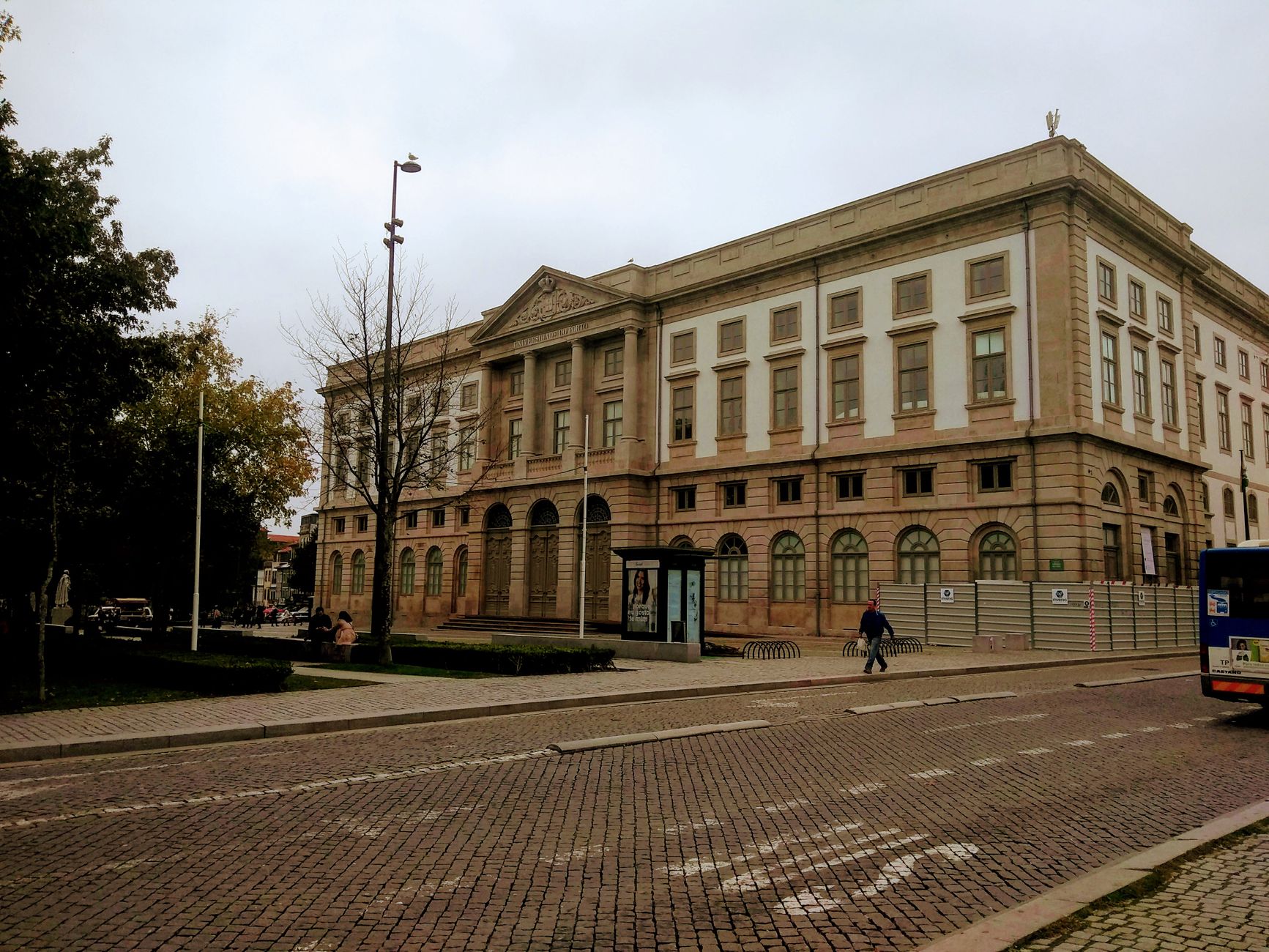
- 1950s–1970s: European cities, particularly in the UK and Scandinavia, solidified policies making national museums free to the public, viewing them as essential to civic education.
- 2001: The UK government famously abolished entry fees for national museums, leading to a documented surge in attendance figures, which rose by over 70% in the years immediately following the policy change.
- 2010s: The emergence of digital platforms like Eventbrite and Meetup transformed how local governments and community organizers distributed information about free, pop-up events.
- 2020s: The post-pandemic travel landscape has seen a rise in "slow travel" trends, where the emphasis has shifted from ticking off "must-see" landmarks toward deep-immersion experiences in specific neighborhoods.
The Methodology of Urban Exploration
To maximize a budget-neutral trip, experts suggest a structured, pre-arrival research phase. This involves moving beyond top-ten listicles and engaging with local government tourism portals, which often contain lists of public walking tours and free festivals that do not appear in mainstream commercial guides.
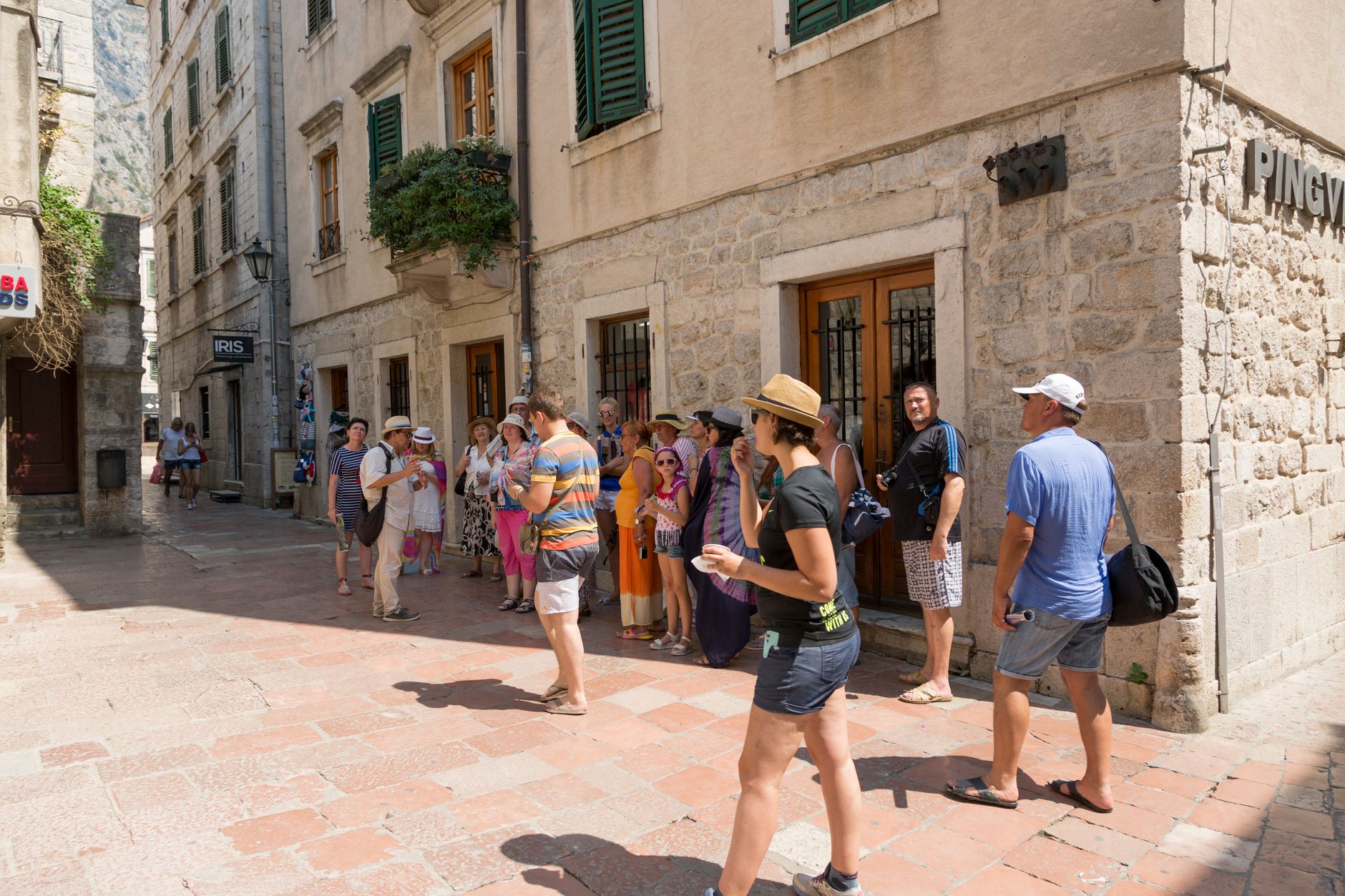
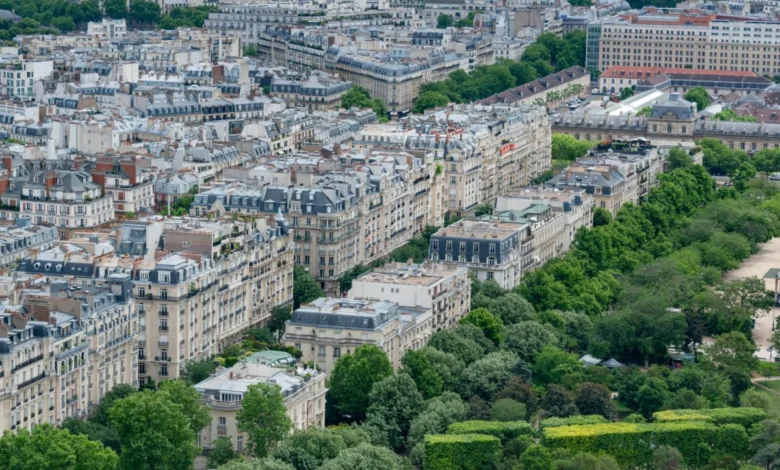
For instance, the "Self-Guided Neighborhood Walk" is a tactical approach to urban exploration. By selecting a single district—rather than attempting to visit three or four distant landmarks in one day—travelers can observe the granular details of local commerce. This includes identifying community-run markets, street art corridors, and local architecture. Economic studies show that neighborhoods with high "walkability scores" correlate with a higher density of independent businesses, making these areas ideal for travelers seeking authentic, low-cost experiences.
The Role of Public Markets as Socio-Economic Indicators
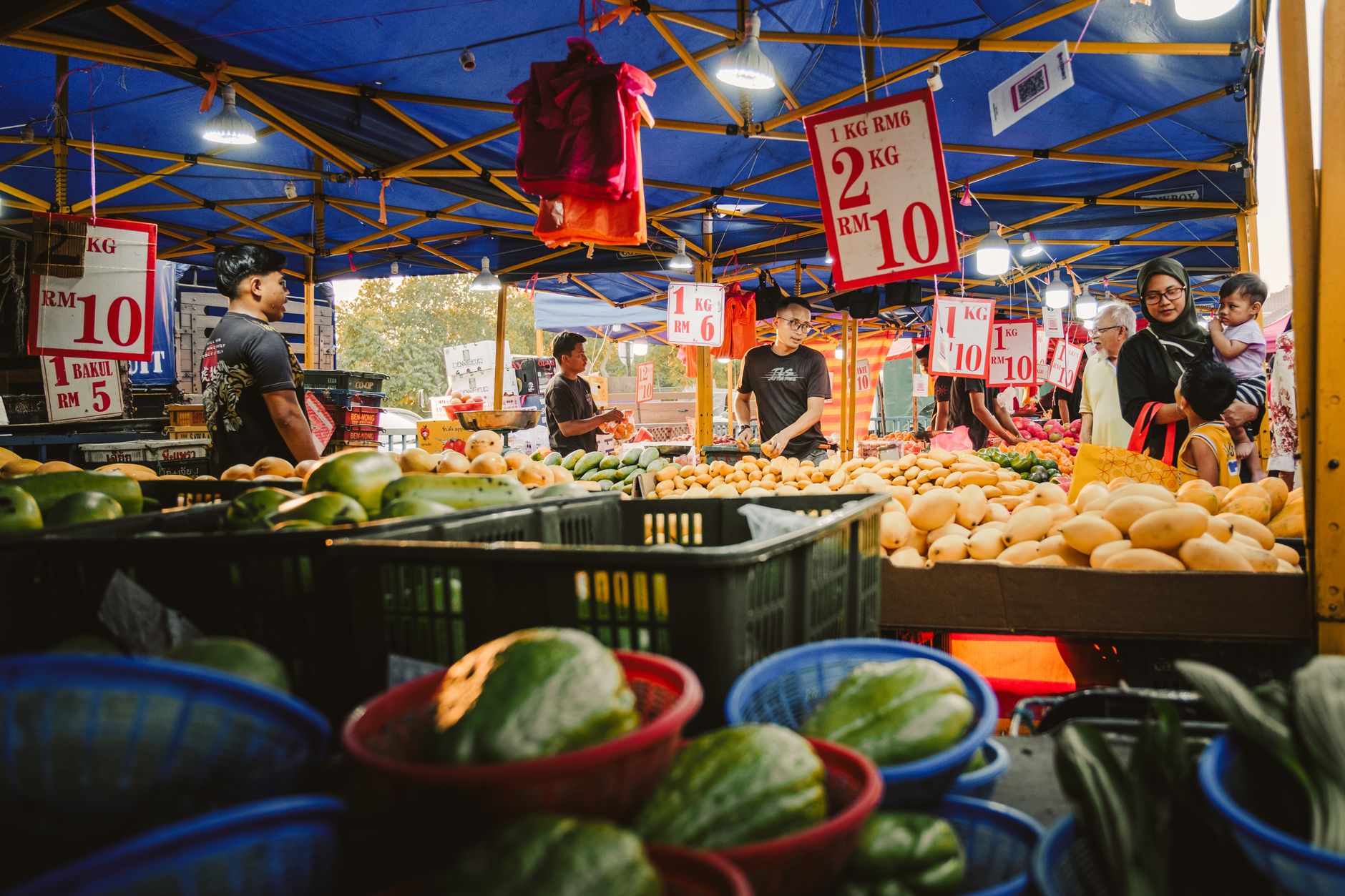
Public markets function as the heartbeat of urban social life. Whether it is a traditional farmers’ market in the United States, a bustling night market in Southeast Asia, or a weekend flea market in Europe, these spaces provide a lens into the local economy.
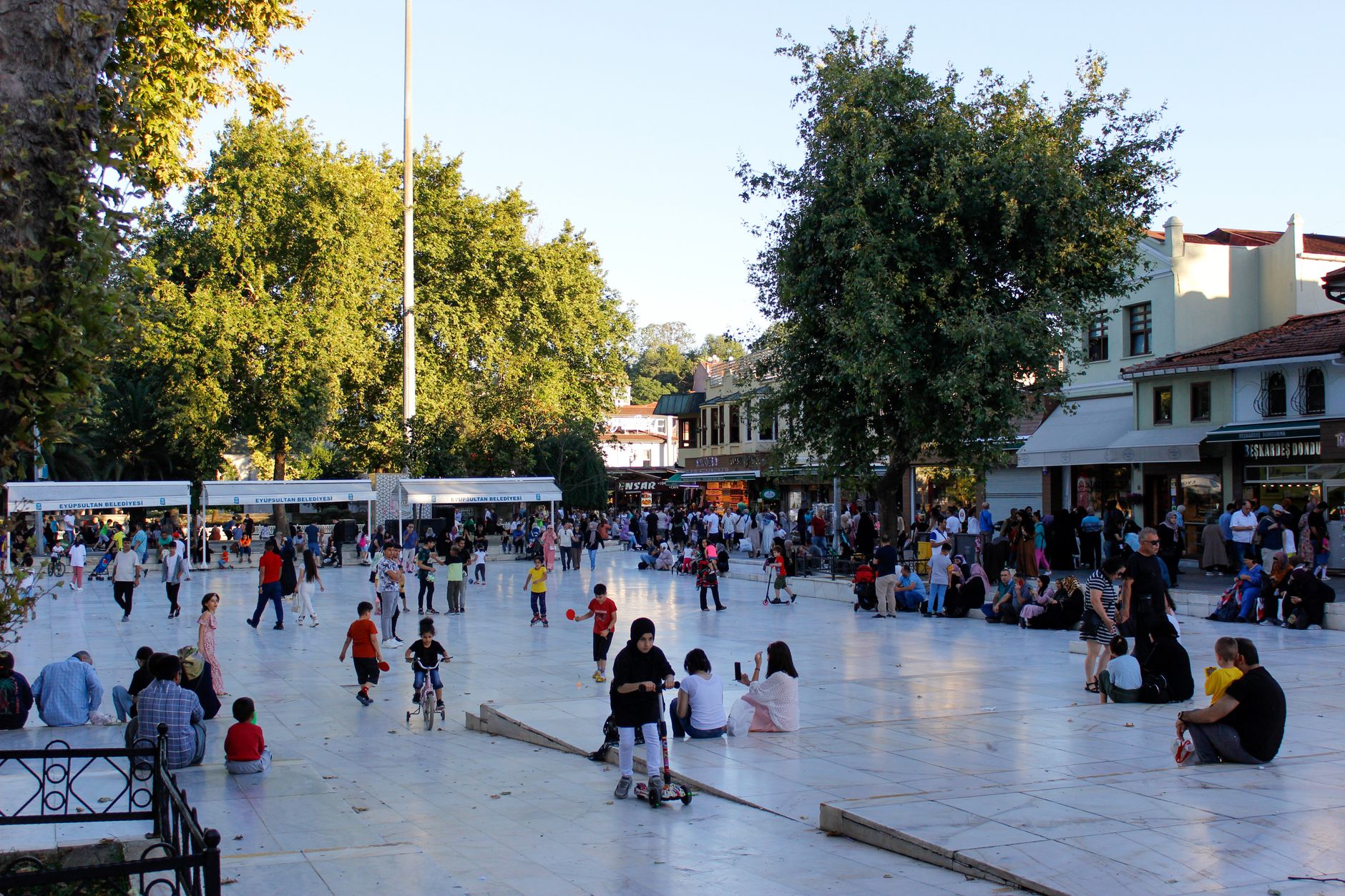
According to research from the Project for Public Spaces, a nonprofit dedicated to urban design, markets are not merely retail hubs; they are vital social infrastructure. They foster intergenerational and cross-cultural communication. For the traveler, these markets offer a unique, sensory-rich environment that requires no investment. The key to navigating these spaces effectively is timing: arriving within the first hour of operation allows for a more meaningful interaction with vendors, who are generally more inclined to discuss their goods before the peak of the daily rush.
Leveraging Public Infrastructure and Topography
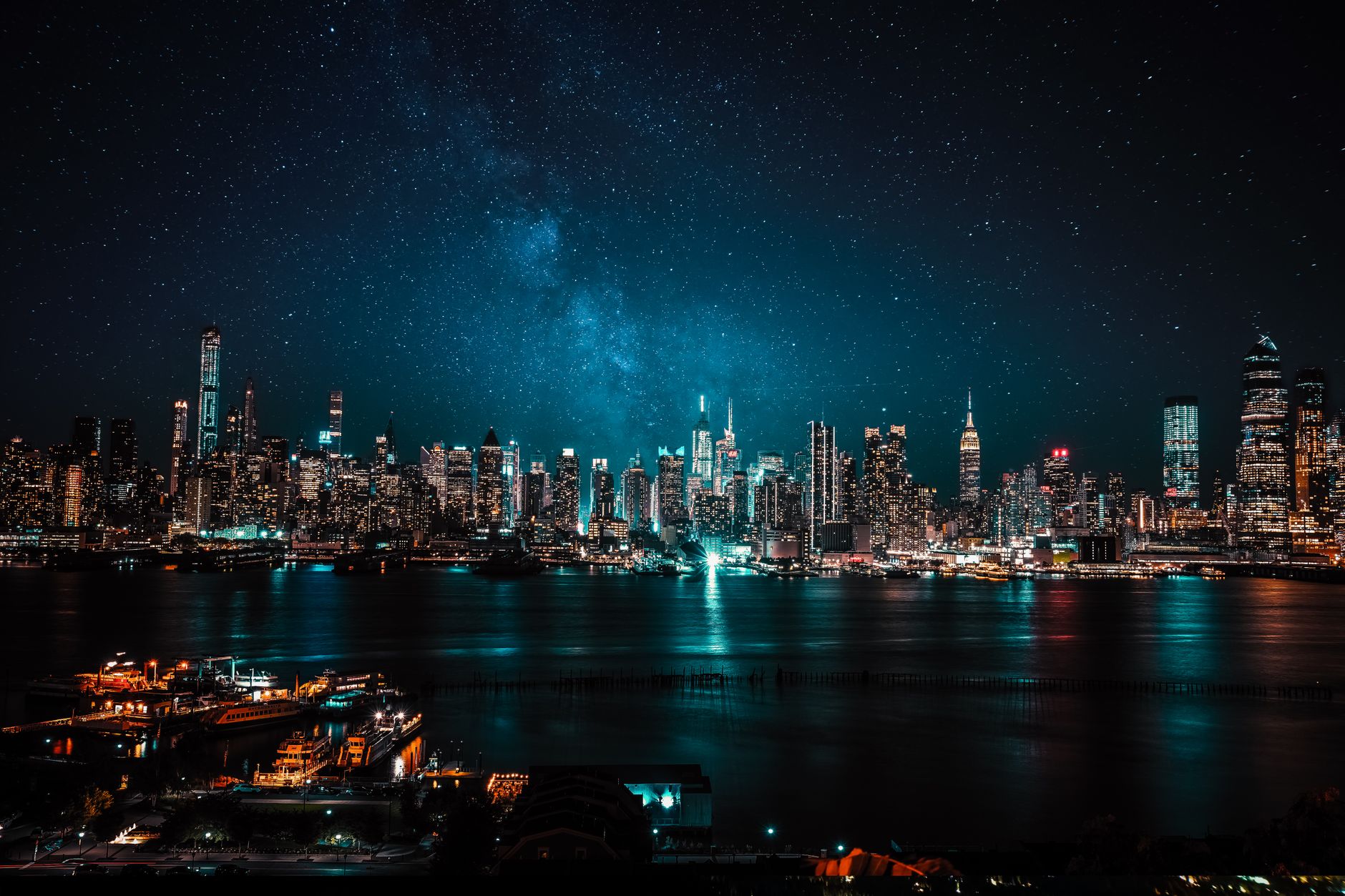
Every major city possesses a unique topography that, when utilized correctly, offers panoramic views without the price tag of a private observation deck. In cities like New York, the repurposing of industrial infrastructure into public parks—such as the High Line—demonstrates how a city can provide high-value, aesthetic experiences for free.
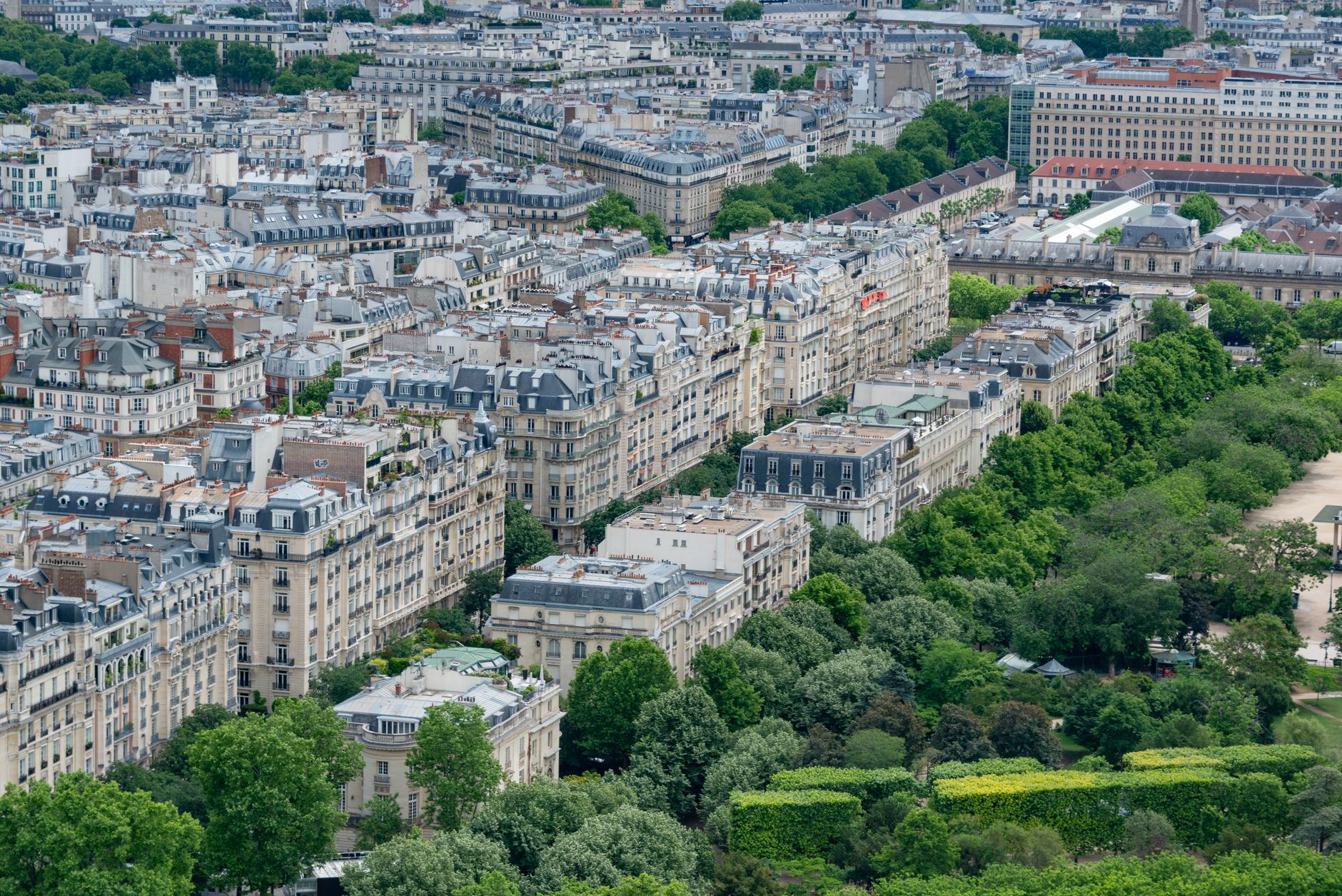
The National Park Service and similar global agencies maintain vast networks of green spaces that serve as both environmental sanctuaries and historical markers. Travelers who prioritize these sites often find themselves at the intersection of local history and modern leisure. Furthermore, public transit systems, particularly those that run above ground or through scenic corridors, provide a cost-effective alternative to expensive city tour buses, offering a vantage point that is both genuine and accessible.
Strategic Planning and Digital Literacy
The effectiveness of a zero-spend travel itinerary relies heavily on digital literacy. The current digital ecosystem provides several tools for the modern traveler:
- Geolocation Filters: Using platforms like Eventbrite or local community Facebook groups to find neighborhood-specific events, such as free gallery openings or library-hosted lectures.
- Cultural Calendars: Most major cities publish a seasonal events calendar detailing free concerts, festivals, and public screenings. These are often managed by the municipal department of cultural affairs.
- Local Tourism Boards: Official city websites often host downloadable, self-guided walking tour maps that are curated by local historians.
Broader Implications and Future Outlook
The shift toward low-cost, high-immersion travel has significant implications for the tourism industry. It challenges the traditional model of "mass tourism" that relies on high-turnover, high-fee attractions. As environmental and economic pressures increase, cities that prioritize free, accessible public spaces are likely to see more sustainable forms of tourism.
Urban planners suggest that this shift also benefits the local population, as it encourages the maintenance and improvement of public spaces for the benefit of the community, rather than solely for visitors. By adopting a "no-spend" approach, travelers are not merely saving money; they are participating in a more sustainable, equitable, and historically grounded form of tourism.

As professional travel researchers have noted, the most memorable aspects of a journey—a sunset from a public vantage point, a conversation at a local market, or the discovery of a neighborhood’s unique architectural history—are rarely, if ever, found on a paid ticket. The future of travel lies in the recognition that the most profound experiences are those that belong to everyone.