The SaaS Landscape Evolves: Layoffs at Mixpanel and Optimizely Signal a Shift from Hyper-Growth to Sustainable Profitability

In 2014, Mixpanel’s Series B pitch deck outlined ambitious expansion plans over the subsequent two years, underpinned by a $65 million funding round. The company’s strategy was clear: rapid scaling, particularly within its sales department. Starting the year with just five sales representatives, Mixpanel aimed to grow this team to 33 by the end of 2014 and projected a substantial sales force of 100 by 2016. However, this aggressive growth trajectory met a stark reality at the dawn of 2016. The company announced layoffs affecting 18 employees, primarily from its sales division, signaling a significant recalibration of its strategy.
This move was not an isolated incident within the high-growth Software as a Service (SaaS) sector. Shortly after Mixpanel’s announcement, fellow fast-scaling SaaS startup Optimizely also implemented workforce reductions. The impetus behind these layoffs, as explained by industry leaders, was a confluence of factors, including a necessary reduction in operational costs and a broader industry-wide reevaluation of growth strategies.
Dan Siroker, CEO of Optimizely, articulated this shift in a widely read Quora post. He explained that Optimizely’s decision, made in March 2016, stemmed from a strategic commitment initiated in August 2015 to achieve sustained growth and profitability without further reliance on venture capital. "It ultimately became clear that we were over-invested in some parts of the business," Siroker stated, "and as a result, let go of 10% of our employees." This statement underscored a critical point: the previous playbook for SaaS success, characterized by aggressive scaling fueled by venture capital, was becoming increasingly untenable.
The "Last Wave" SaaS Success Formula
The SaaS industry had, for years, followed a seemingly foolproof three-step formula for rapid expansion, a model exemplified by companies like HubSpot and New Relic. This formula typically involved:
- Aggressive Customer Acquisition: Utilizing significant venture capital to fund expansive sales and marketing teams.
- Rapid Feature Development: Prioritizing the addition of new features to capture market share and differentiate from competitors.
- Focus on Growth Metrics: Emphasizing top-line revenue growth and user acquisition above all else, often at the expense of short-term profitability.
However, as the experiences of Mixpanel and Optimizely demonstrated, this model was faltering for newer entrants. The prevailing sentiment among some industry observers was that the SaaS market had become saturated, leading to the question: "Have we hit peak SaaS?"
The Rise of SaaS and the Intensifying Competitive Landscape
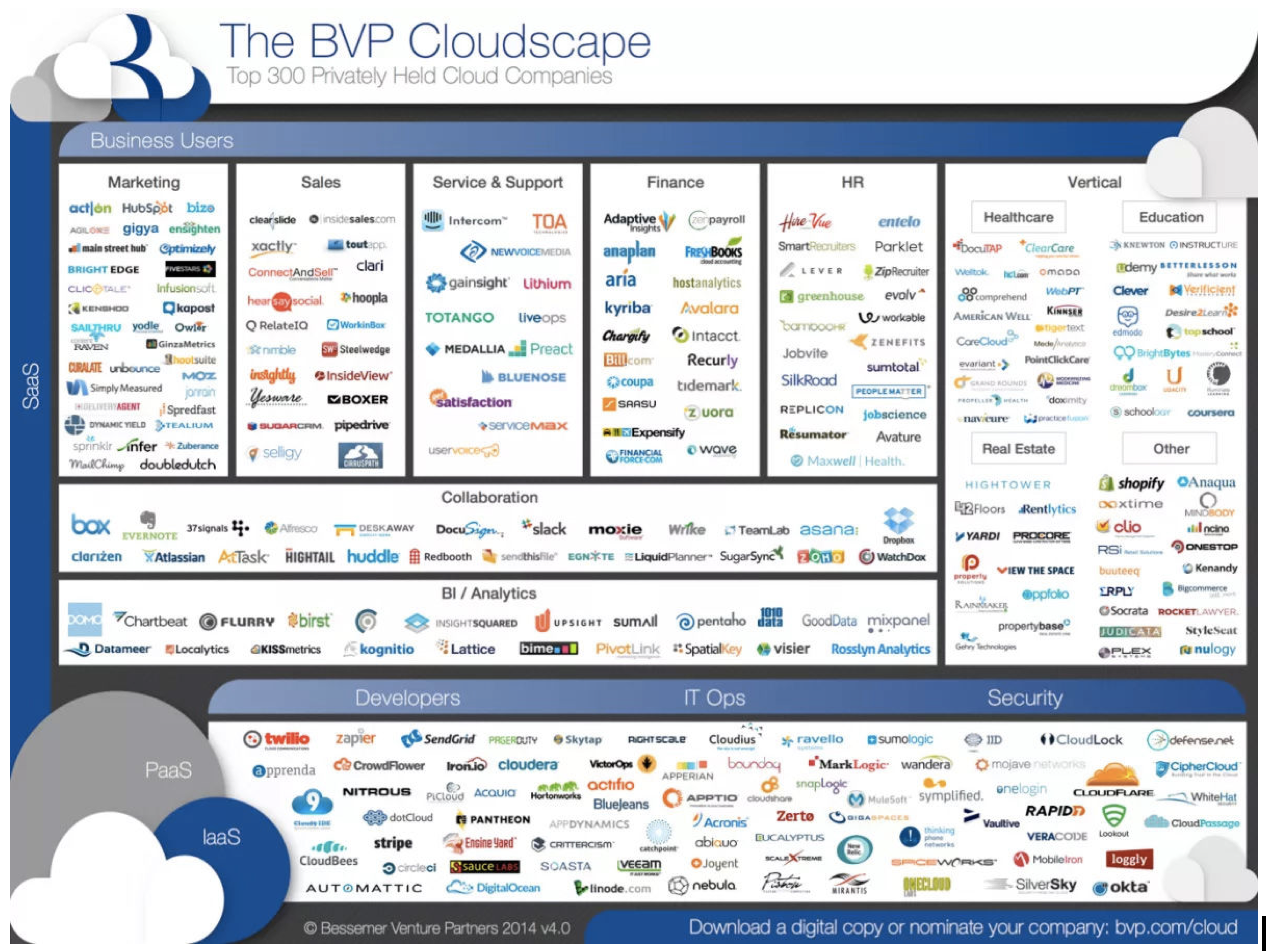
The SaaS market has experienced exponential growth. Venture capital investment in SaaS companies surged from approximately $1.5 billion in 2010 to an estimated $7 billion in 2016. This boom was facilitated by technological advancements, most notably the widespread availability of cloud infrastructure like Amazon Web Services (AWS). These services allowed startups to build and deploy software much more rapidly and cost-effectively, eliminating the need for substantial upfront investment in physical servers.
Furthermore, the proliferation of readily available tools and the rise of self-service SaaS models empowered companies to achieve rapid distribution and growth. This democratization of software development and deployment, while beneficial for innovation, inevitably led to a hyper-competitive landscape. In such an environment, customer attention became a scarce and invaluable resource. SaaS products were compelled to become significantly more polished and compelling to capture and retain user engagement, moving beyond mere functionality to deliver exceptional user experiences.
The logical consequence of this intensified competition and market efficiency was a perceived reduction in profit margins. As markets mature and become more crowded, the cost of acquiring and retaining customers tends to rise, while the ability to command premium pricing may diminish. This economic reality began to challenge the assumptions that underpinned the hyper-growth strategies of the previous SaaS generation.
A Shift in Perspective: Not Peak SaaS, But Commoditization
Industry analysis, including commentary from prominent figures like Hiten Shah, suggested a nuanced view. Rather than a peak, Shah posited in a November 2016 tweet that the industry was at the "start of SaaS commoditization," implying that the bar for achieving product-market fit was rising significantly. This perspective suggested that while SaaS itself was not in decline, the nature of success within the sector was undergoing a fundamental transformation. The era of "easy" SaaS growth, characterized by readily available capital and less intense competition, was drawing to a close.
The Next Wave of SaaS: Adapting to New Realities
SaaS companies could no longer rely on the old formulas. The consumer internet’s success with models like those employed by Facebook, Snapchat, and Instagram—offering free services and monetizing attention—began to influence the B2B SaaS space. The key takeaway was that SaaS was not dying, but evolving. Companies that wished to thrive needed to adapt to a new set of operating constraints and strategic imperatives.
To win customer attention in a crowded market, products needed to be demonstrably better, faster, and more cost-effective. Crucially, retaining that attention required a more profound commitment to building lasting customer relationships and continuously proving value. This meant moving beyond transactional sales to fostering genuine brand loyalty and engagement.

Strategies for the Evolving SaaS Landscape
The contemporary SaaS landscape necessitates a departure from the established norms. Several emergent strategies are defining the next wave of successful SaaS companies:
1. Diversifying Target Markets: Building SaaS Beyond the SaaS Ecosystem
Historically, many SaaS companies found their initial success by selling to other technology firms. This approach is becoming increasingly challenging due to the saturation of the market with SaaS solutions tailored for software companies. A more viable path forward involves identifying and serving niche markets that have been historically underserved by technology.
Companies like HubSpot and New Relic succeeded by being early entrants into burgeoning markets. The current generation of SaaS innovators can replicate this by focusing on industries with a high demand for digital transformation but limited existing software solutions.
Consider ATI, a physical therapy company operating over 600 clinics across the United States. ATI has integrated SaaS principles into its business model to streamline operations and enhance patient care. Their marketing website highlights key features that resonate with their target audience:
- Online Appointment Booking: Providing a convenient way for patients to schedule appointments, a significant improvement over traditional phone-based systems.
- Therapist Discovery: Enabling patients to easily find specialized therapists based on their needs.
- Health Insurance Navigation: Offering tools to help patients understand and manage their insurance coverage, a common pain point in healthcare.
By leveraging software to make the business of physical therapy more efficient and accessible, ATI addresses the specific needs of small business owners in this sector. While ATI currently thrives in this underserved niche, the long-term strategy will require continuous innovation to stay ahead as competition inevitably increases. This illustrates how SaaS can be applied to traditional industries, creating value and capturing market share by addressing unmet needs.
2. Strategic Market Entry: Sidestepping Incumbents with Value-Driven Approaches
In a market saturated with similar offerings, competing head-on with established players through aggressive marketing, large sales teams, and substantial venture capital is often a losing proposition. Incumbent companies benefit from entrenched market positions, comprehensive product suites, and significant brand recognition.
A more effective strategy is to find an innovative "lever" into the market that bypasses direct confrontation. Offering free tools that provide tangible value is emerging as a powerful method for capturing attention and demonstrating product efficacy. While paid acquisition and content marketing focus on educating potential customers, free tools deliver immediate utility, directly aiding users in their daily tasks.

Clearbit, a company specializing in lead generation and data enrichment through APIs, exemplifies this approach. They offer a suite of free tools that showcase the capabilities of their paid API services. These include:
- Company Name to Domain: A tool to quickly identify a company’s website based on its name.
- Company Domain to Logo: Automatically retrieves a company’s logo.
- Company Domain to IP: Provides the IP address associated with a company’s domain.
Matt Sornson, Clearbit’s Head of Growth, emphasized the marketing power of this strategy in a blog post: "There’s no better marketing than building an incredibly useful and valuable tool that people use every day, and then giving it away for free. That generates an insane amount of brand awareness, which makes your company the most visible provider of the underlying data."
This strategy is highly effective because it bakes distribution directly into the product. Clearbit has reportedly generated over 100,000 inbound leads through these free tools. These are not just marketing-qualified leads who downloaded an ebook; they are product-qualified leads who have actively engaged with and validated a need for the free offering, making them far more likely to recognize the value of Clearbit’s paid services. This approach allows new entrants to build trust and demonstrate expertise without the prohibitive costs of traditional marketing campaigns.
3. Business Model Innovation: Monetizing Value, Not Just Access
The conventional SaaS model, often characterized by a 30-day free trial leading to a recurring subscription, can be a blunt instrument. It compels potential customers to commit financially before they may have fully realized the product’s value. Increasingly, customers are disengaging from this model, preferring solutions that align monetization with actual value delivery.
Consumer-facing products often monetize by capturing value at specific moments within the user experience. Business-to-business SaaS companies are beginning to adopt similar, more targeted, value-focused monetization strategies.
Dotloop, a SaaS platform designed for the real estate industry, illustrates this innovative approach. The platform operates around "loops," which are collaborative online workspaces where real estate agents, brokers, clients, and service providers can manage documents, tasks, and communications. The network effect is central to Dotloop’s model; users invite others to a loop much like adding friends on social media.
While Dotloop offers premium subscription plans for advanced features, its core functionality remains accessible to free users. This strategy encourages wider network adoption and increases transaction volume across the platform. As more participants engage with Dotloop, the incentive to spend more time on the platform grows.
This model allows Dotloop to monetize attention in ways that traditional SaaS companies might not. It can potentially take a percentage of transactions, or even offer advertising opportunities to real estate service providers. In essence, Dotloop is evolving to resemble a network-based platform, akin to social media, rather than a purely transactional SaaS provider. This shift in business model allows them to capture value from a larger user base and a higher volume of activity, aligning revenue with demonstrated utility.

The Future of SaaS: An Era of Diversified Innovation
The challenges faced by companies like Mixpanel and Optimizely do not signify an end to the SaaS era, but rather an inflection point. The increasing competition and market maturity demand a more sophisticated and adaptable approach to building and scaling software businesses. The future of SaaS is not a monolithic continuation of past successes, but a diverse landscape of innovative models.
Success in the coming decade will likely hinge on a company’s ability to excel across multiple critical execution areas. This includes:
- Product Development: Creating solutions that are not only functional but also deeply integrated into user workflows and provide tangible, ongoing value.
- Customer Acquisition: Employing creative and cost-effective strategies, such as freemium models and community building, to attract users.
- Customer Retention: Fostering strong customer relationships through exceptional support, continuous value delivery, and proactive engagement.
- Business Model Innovation: Exploring monetization strategies that align with user value and market dynamics, moving beyond traditional subscription models.
- Brand Building: Cultivating a strong brand identity and reputation through consistent value delivery and authentic customer interactions.
The landscape is shifting towards a future where SaaS companies may not resemble the giants of the past like Salesforce or HubSpot. We can anticipate the emergence of more specialized market network companies, products built entirely on APIs, and solutions that blur the lines between traditional software and platform businesses. The companies that will achieve significant success in the next ten years will likely be those that embrace this evolution, demonstrating agility, innovation, and a deep understanding of how to capture and retain value in an increasingly complex and competitive digital economy. The "everything as SaaS" paradigm is not just about software delivery; it’s about reimagining how value is created, delivered, and monetized across all sectors of business.