Civic Duty Meets Digital Innovation: Alexander Vindman and Jeff Atwood Tackle the American Dream at Cooper Union

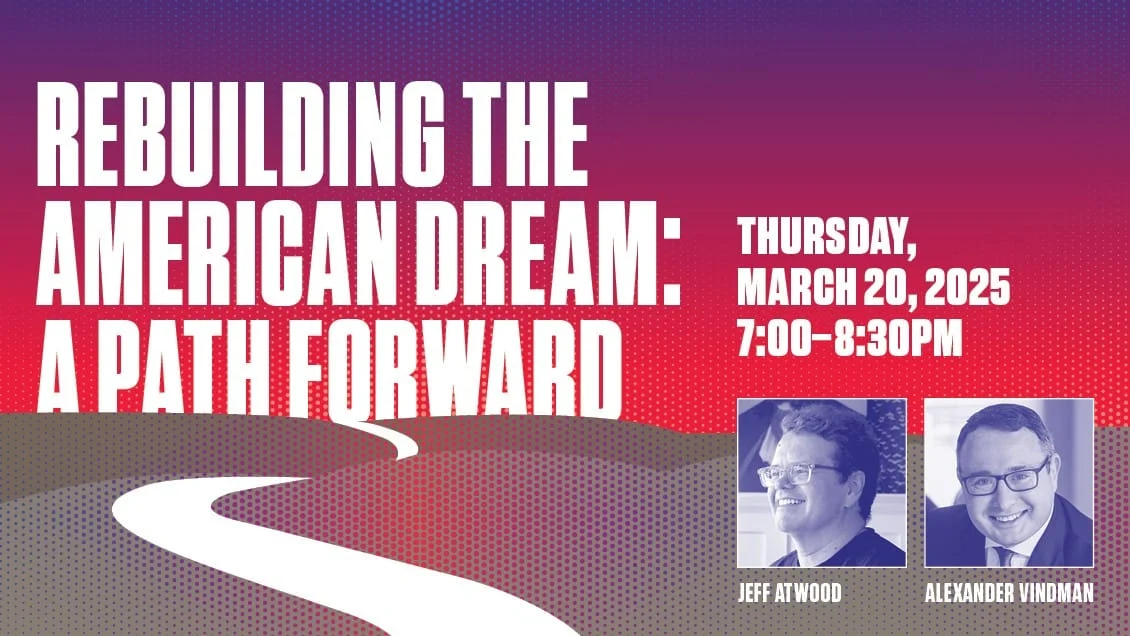
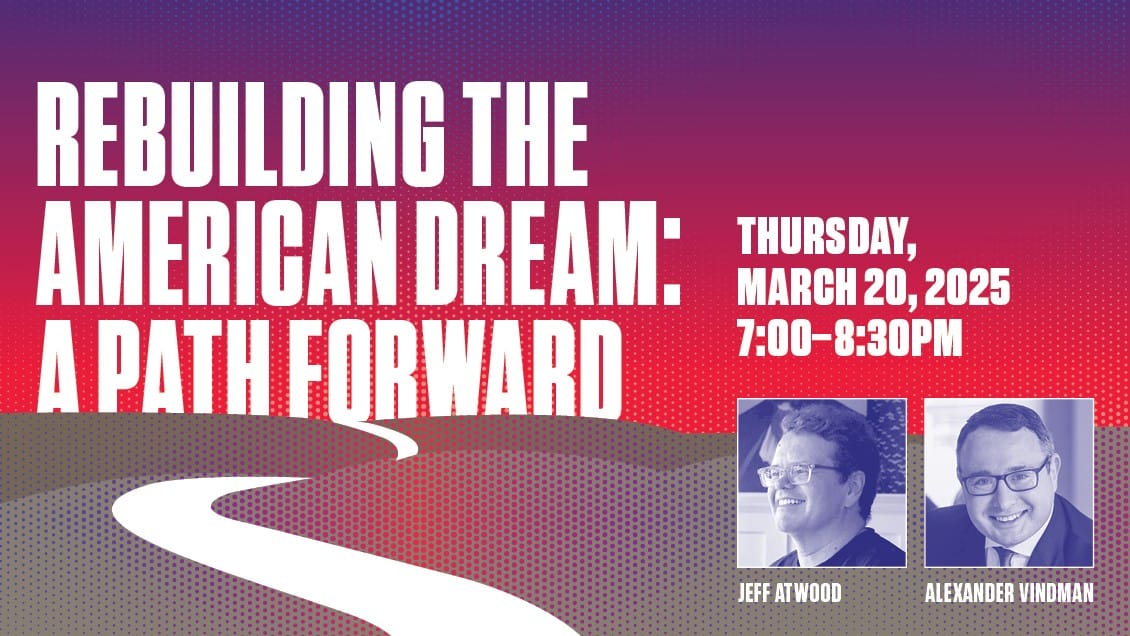
The historic Cooper Union Great Hall recently hosted a pivotal discussion featuring Colonel Alexander Vindman, a figure synonymous with civic courage, and Jeff Atwood, a visionary in online community development, who together sought to dissect and redefine the American Dream for contemporary society. Their joint talk, livestreamed to a global audience, explored the intricate interplay of democracy, community, and economic mobility, urging a shift from individual generosity to systemic solutions that foster security, dignity, and possibility for all citizens.
The collaborative event brought together two individuals from remarkably disparate professional backgrounds, yet united by a profound commitment to foundational American ideals. Colonel Vindman, renowned for his integrity during a national political crisis, offered insights from a career dedicated to defending democratic institutions. Jeff Atwood, a celebrated architect of vast digital communities like Stack Overflow and Discourse, contributed his expertise in designing fair, participatory systems that scale. Their convergence at Cooper Union, a venue historically significant for hosting transformative national dialogues, underscored the urgency and complexity of the questions they aimed to address.
The Nexus of Ideals and Innovation
The discussion was framed by Atwood’s earlier reflections on "staying gold"—a concept advocating for the active preservation of the best aspects of oneself, one’s community, and the American Dream. This isn’t a passive endeavor, Atwood emphasized, but one that demands rigorous introspection, difficult conversations, and concerted action to confront past realities, assess current standings, and forge a desired future. The challenge for 2025, as both speakers articulated, is to evolve the American Dream into a promise that genuinely extends to everyone, moving beyond an idealized narrative to a tangible reality.
Their dialogue aimed to dissect this grand challenge through distinct yet complementary lenses. Colonel Vindman brought the lived experience of defending democratic principles under immense pressure, embodying the ideals of civic duty and unwavering integrity. Atwood, conversely, offered a perspective rooted in the practicalities of building self-governing digital spaces, demonstrating how principles of fairness, clear expectations, and shared purpose are critical for both online forums and national governance. This interdisciplinary approach promised a holistic examination of the structural changes necessary to ensure widespread opportunity.
Colonel Alexander Vindman: A Defender of Democratic Principles
Colonel Alexander Vindman’s journey is a testament to the profound meaning of civic duty and the defense of democratic values. Born in the Soviet Union and immigrating to the United States as a child, Vindman’s early life in Brooklyn laid the groundwork for a distinguished 21-year career in the U.S. Army. His service included deployments where he earned a Purple Heart for injuries sustained in Iraq, demonstrating a personal sacrifice for national security. He rose through the ranks, eventually serving as Director for European Affairs on the National Security Council, a position that placed him at the heart of critical foreign policy decisions.
His career culminated in a moment of profound national significance when he chose to uphold his oath to the Constitution over personal and professional convenience. During the 2019 impeachment inquiry, Colonel Vindman provided testimony that corroborated concerns about presidential conduct regarding Ukraine, placing his integrity above political pressure. This decision, while ultimately costing him his military career, cemented his status as a principled defender of the rule of law and democratic institutions. His willingness to "put everything on the line to defend the ideals of democracy and the American Dream" served as a powerful backdrop for the Cooper Union discussion, offering a firsthand account of the personal cost and immense value of civic courage. His perspective underscored the idea that democracy is not a given but a system that requires active defense and constant vigilance from its citizens.
Jeff Atwood: Architect of Digital Communities
Complementing Colonel Vindman’s focus on national governance and democratic defense, Jeff Atwood presented insights derived from his groundbreaking work in building influential online platforms. As the co-founder of Stack Overflow, a leading Q&A site for programmers, and Discourse, an open-source platform for community discussion, Atwood has spent years grappling with the complexities of human interaction in digital spaces. His work involves designing systems that encourage constructive discourse, facilitate knowledge sharing, and foster a sense of shared purpose among diverse participants.
Atwood’s experience highlights that the challenges of governing a country share surprising parallels with managing a thriving online community: both require clear expectations, fair systems, strong boundaries, and a collective sense of mission. He articulated how the principles of digital governance—creating spaces that encourage fairness, participation, and productive dialogue—are unexpectedly relevant to the future of democracy. His contributions to the discussion centered on practical, scalable solutions for creating "artifacts for the common good," whether these are local parks or robust online knowledge bases. This perspective provided a crucial bridge between abstract democratic ideals and the concrete mechanisms required to build inclusive and functional communities, both online and offline.
The Enduring Question of the American Dream
At the core of the Cooper Union dialogue was the contemporary relevance of the American Dream. Traditionally defined as the promise that hard work, fairness, and opportunity can lead to a better future, this ideal has faced significant scrutiny in recent decades. In 2025, the very notion feels less like an inherent truth and more like a pressing question: "How can we build on our dream so that it works for everyone?"
Recent data from various research institutions underscores the erosion of confidence in upward mobility. A 2023 study by the Pew Research Center indicated that only 54% of Americans believe the American Dream is attainable for most people today, a significant decline from previous generations. Factors contributing to this sentiment include rising economic inequality, stagnant wages for many, the escalating cost of education and healthcare, and a perception of diminishing opportunities. The Federal Reserve’s Survey of Consumer Finances continually points to widening wealth gaps, with the top 10% of households holding over 70% of the nation’s wealth. Moreover, social mobility—the ability to move up the economic ladder relative to one’s parents—has seen a slowdown in the United States compared to many other developed nations.
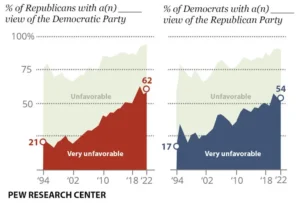
The speakers acknowledged that political polarization and a decline in trust in institutions further complicate the pursuit of a shared national vision. A 2024 Gallup poll revealed that public trust in major institutions, including Congress, the presidency, and the media, remains near historic lows. This environment of fragmentation makes collective action and the pursuit of common goals particularly challenging, necessitating new frameworks for fostering unity and progress.
Cooper Union: A Stage for National Dialogue
The choice of the Cooper Union Great Hall as the venue for this discussion was deliberate and symbolic. Founded in 1859 by industrialist Peter Cooper, the institution was established with the radical principle of offering education "free and open to all," regardless of race, religion, sex, or social class. Its Great Hall quickly became a beacon for intellectual and political discourse, hosting seminal speeches by figures such as Abraham Lincoln, Frederick Douglass, Susan B. Anthony, and Mark Twain. Lincoln’s "Might Makes Right" speech in 1860, delivered just months before his presidential nomination, is often credited with propelling him to the White House.
Throughout its history, the Great Hall has been a crucible for debates on abolition, women’s suffrage, labor rights, and civil rights, consistently providing a platform for voices challenging the status quo and advocating for a more just society. Its legacy as a forum for "hard conversations" about America’s past, present, and future perfectly aligned with the mission of Vindman and Atwood’s discussion. The historical echoes within its walls lent a profound gravitas to their modern-day examination of the American Dream, connecting their contemporary challenges to a long tradition of national introspection and aspirational change.
Exploring Pathways to Structural Change
A central theme of the talk was the imperative to move "beyond individual generosity and toward systems that create security, dignity, and possibility for all." Both speakers emphasized that while individual acts of kindness are valuable, they are insufficient to address deeply entrenched societal inequalities. True progress, they argued, requires systemic, long-term structural change.
Colonel Vindman, drawing from his experience in national security and foreign policy, likely touched upon the importance of robust democratic institutions, ethical leadership, and a commitment to transparent governance. He implicitly underscored that a stable and prosperous society depends on a foundation of trust in its government and legal frameworks, which are maintained through integrity and accountability. His insights would lean towards policy reforms that strengthen checks and balances, protect electoral processes, and ensure equal application of the law, thereby fortifying the democratic underpinnings necessary for a thriving society.
Atwood, from his vantage point of building scalable online communities, likely advocated for the design of systems that inherently promote fairness, participation, and meritocracy. He might have discussed how well-designed platforms can mitigate biases, encourage diverse voices, and create pathways for contribution and recognition, irrespective of background. His perspective would point to the application of design principles from successful digital ecosystems to broader societal structures, such as educational systems, economic policies, and community development initiatives, to ensure equitable access and opportunity. This could include advocating for transparent processes, accessible resources, and mechanisms for constructive feedback and adaptation within societal systems.
The Interplay of Civic Duty and Digital Governance
The convergence of Colonel Vindman’s dedication to civic duty and Atwood’s expertise in digital governance offered a unique framework for understanding the future of democracy. Vindman’s narrative highlighted that the defense of democratic ideals often requires personal sacrifice and an unwavering commitment to truth, even when it is politically inconvenient. This embodies a critical aspect of civic duty—the willingness to act in the collective interest, sometimes at great personal cost.
Atwood’s work, on the other hand, demonstrated how technology, when thoughtfully designed, can facilitate and even strengthen civic engagement. By creating platforms that enable structured debate, shared learning, and collective problem-solving, digital tools can empower citizens, foster a sense of community, and provide new avenues for participation in democratic processes. His insights suggested that the principles of effective online community management—establishing clear rules, fostering respectful dialogue, and creating mechanisms for fair arbitration—are directly transferable to strengthening democratic discourse and public trust in an increasingly digital world.
The synthesis of their experiences suggested that effective democratic renewal requires both the moral courage exemplified by Vindman and the systematic, design-oriented thinking championed by Atwood. It implies that while upholding fundamental values is paramount, these values must be instantiated through practical, well-designed systems that enable fair access, participation, and the pursuit of common good for all members of society.
Implications for a Divided Nation
The discussion at Cooper Union held significant implications for a nation grappling with deep divisions and a palpable sense of uncertainty about its future. By bringing together perspectives from military integrity and technological innovation, the event provided a fresh lens through which to examine persistent challenges. It underscored that the path forward is not singular but multifaceted, requiring contributions from diverse sectors and a willingness to engage in complex problem-solving.
The call to move "beyond individual generosity" to systemic change suggests a critical shift in public discourse. It implicitly challenges the notion that philanthropy alone can solve societal woes, advocating instead for policy reforms, institutional redesign, and collective action that fundamentally alters the landscape of opportunity. This perspective resonates with growing calls for structural adjustments in areas such as economic policy, educational access, and social justice.
Ultimately, the joint talk by Alexander Vindman and Jeff Atwood served as more than just a presentation; it was an invitation to a broader national conversation. It challenged attendees and viewers to imagine what could be achieved if such principled leadership and innovative thinking were universally embraced. The concluding thought—"Imagine what we could do if we all worked together"—encapsulated the aspirational yet pragmatic message: that while the problems facing the American Dream are complex, the collective will and collaborative effort of its citizens hold the key to its revitalization and equitable realization for generations to come. The recorded event, made available on the Cooper Union Great Hall YouTube channel, continues to serve as a resource for those seeking to engage with these critical questions and contribute to a more secure, dignified, and possibility-rich future for all.