The AI Era is Built in Texas: Wistron Inaugurates Fort Worth Superchip Manufacturing Facility

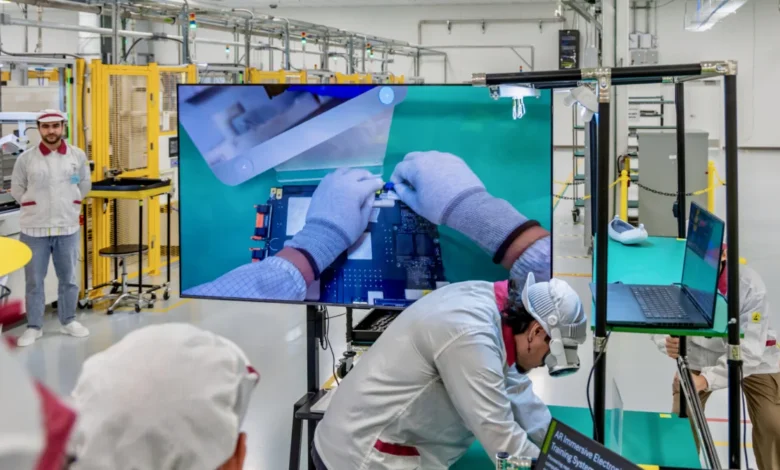
The dawn of the artificial intelligence era is fundamentally reliant on robust AI infrastructure, and a significant portion of this advanced technological backbone is being forged and validated in the state of Texas. Today marks a pivotal moment in this burgeoning industry with the grand opening of Wistron’s first United States manufacturing facility in Fort Worth. This expansive 324,000-square-foot greenfield plant is poised to become a crucial hub for producing superchips, the very engines powering some of the world’s most sophisticated AI systems.
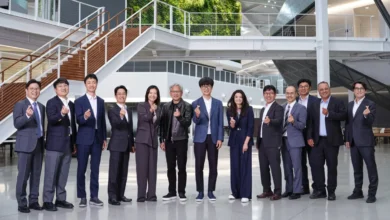
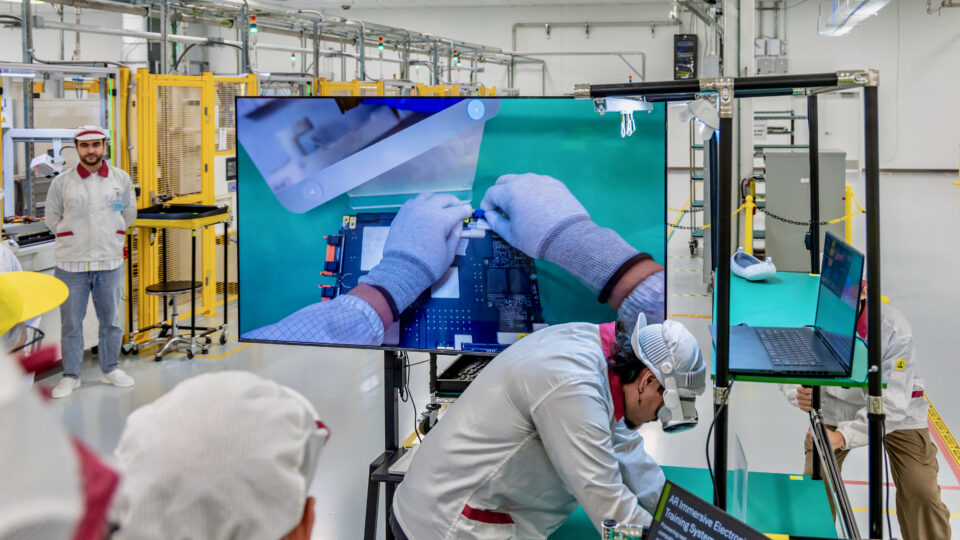
The inauguration ceremony brought together a distinguished assembly, including Wistron executives, representatives from the Taiwanese government, and local Fort Worth dignitaries. A central figure on the stage was Jensen Huang, founder and CEO of NVIDIA, who joined Wistron Chairman Simon Lin to articulate the profound significance of establishing AI infrastructure manufacturing within the United States. Their discussions underscored the strategic importance of this domestic production capability for the nation’s technological future.
"Manufacturing is an essential pillar for every economy and every country," Huang stated, emphasizing the foundational role of industrial production. "Building chip plants, packaging plants, computer system plants like this, and AI factories all over the United States, has allowed the United States to really reindustrialize for the first time in a long time." This sentiment highlights a broader national objective of reshoring and bolstering domestic manufacturing capabilities, particularly in sectors deemed critical for economic competitiveness and national security.
Wistron’s new facility, designated as the D1 plant, is already operational with two key manufacturing lines. One cell is dedicated to the production of the NVIDIA GB300 Grace Blackwell Ultra Superchip, a powerhouse designed for advanced AI workloads. The second cell is being prepared to manufacture the NVIDIA Vera Rubin Superchip, another cutting-edge component in the AI ecosystem. The D1 facility is slated for rapid scaling throughout the current year, with plans to produce tens of thousands of boards per month, utilizing the most advanced technologies available in the industry. This aggressive ramp-up signifies a direct response to the surging global demand for AI processing power.
The creation of AI at scale transcends the mere design of chips and the writing of code. It necessitates a comprehensive ecosystem encompassing physical factories, resilient supply chains, and a highly skilled workforce. The Fort Worth plant represents a tangible step towards building this domestic manufacturing capacity, enabling production at volume and fostering the agility required to adapt to the rapidly evolving landscape of AI technology.
A $700 Million Investment in American Innovation
The establishment of this state-of-the-art facility represents a substantial $700 million commitment to advanced manufacturing within the United States. Beyond the capital investment, the plant has already generated over 500 new jobs at the Texas location, with ambitious plans to expand its workforce to 1,000 employees by the end of the year. This job creation spans a diverse range of trades and professions, from construction and electrical work to highly specialized roles in manufacturing and engineering.
"It’s creating jobs in plumbing, construction, manufacturing and electricians," Huang elaborated, underscoring the wide-ranging economic impact. "So many different types of jobs here in the United States." This multifaceted job creation points to a ripple effect that extends beyond the direct employment within the Wistron facility, stimulating local economies and supporting ancillary industries.
Simon Lin, Chairman of Wistron, expressed optimism about the venture’s contribution to the AI revolution and its broader societal implications. "From the macro view of the whole AI world, down to community and country – it’s a great vision," Lin remarked. "I think we’re going to enjoy the next era of AI life. I hope that we will be happier and healthier." His statement reflects a forward-looking perspective that intertwines technological advancement with human well-being.
This initiative aligns with NVIDIA’s overarching commitment to bolstering U.S. manufacturing capabilities. The company has pledged to produce up to $500 billion in advanced AI platforms within the United States, and the Wistron Fort Worth factory is a critical component in realizing this ambitious goal. This strategic investment aims to secure a more resilient and domestically controlled supply chain for the critical technologies that will define the future.
Pioneering Facility Design with Digital Twin Technology
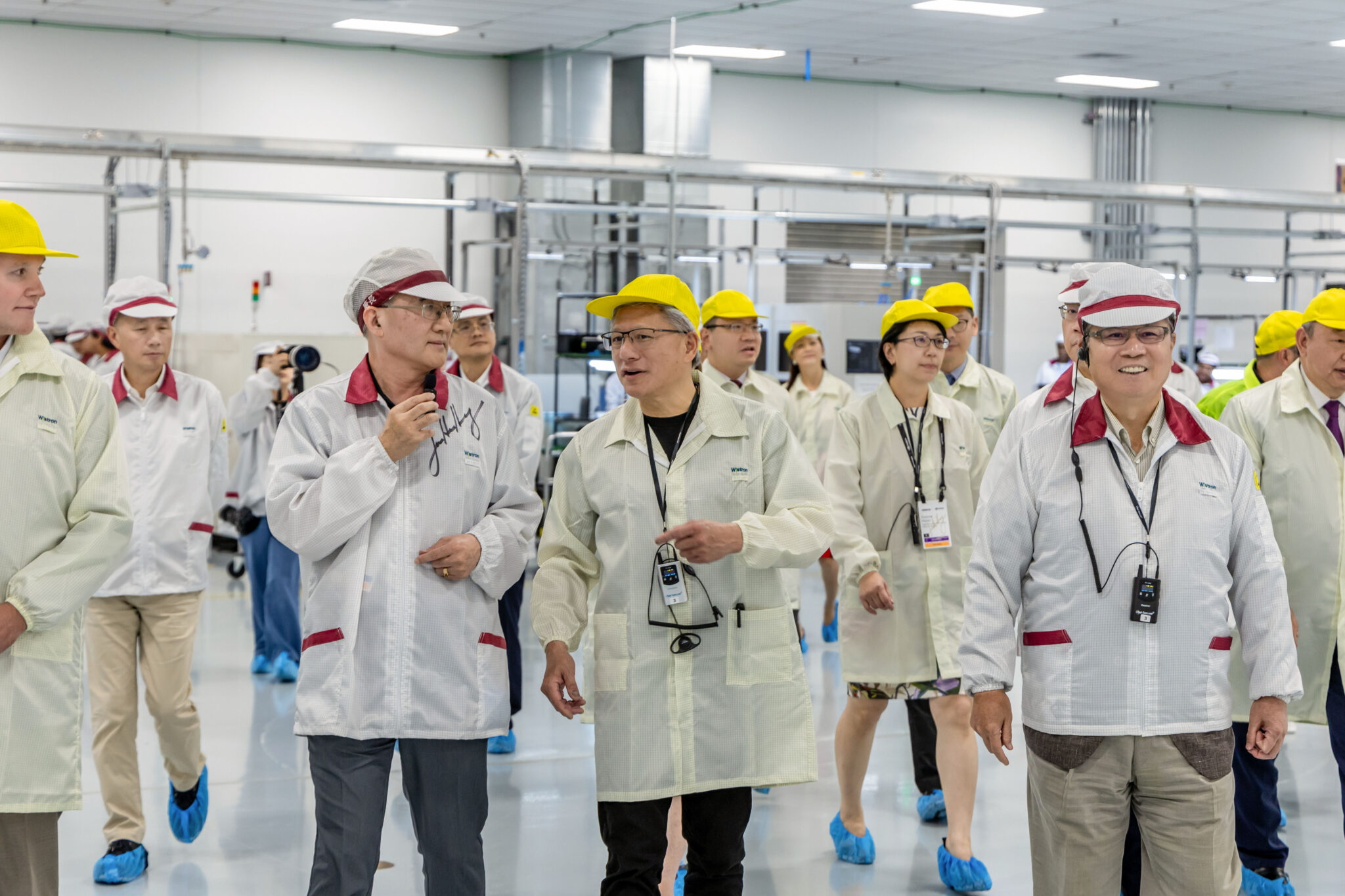
A remarkable aspect of the Wistron Fort Worth plant’s development is its innovative design and planning process. Before construction even commenced, Wistron meticulously designed and simulated the entire facility using a digital twin. This virtual replica, built on NVIDIA’s comprehensive open platform, incorporated advanced NVIDIA technologies such as the Nemotron and Cosmos frontier models, Omniverse simulation software, and the Metropolis libraries for intelligent video analytics. Furthermore, open frameworks like PhysicsNeMo were integrated to ensure a thorough and accurate virtual representation.
This sophisticated digital twin approach allowed Wistron engineers to conduct extensive validation of assembly line layouts, optimize production processes, and develop comprehensive training programs for workers on standard operating procedures. By conducting these critical steps in a virtual environment, Wistron could identify and resolve potential issues, streamline workflows, and ensure operational readiness before any physical construction began. This foresight significantly reduces the risk of costly delays and errors during the physical build and operational phases.
Mastering Every Layer of the AI Stack
The ascendancy of the AI era is not solely predicated on advancements in semiconductor technology; it demands excellence across the entire technological stack, from the fundamental building blocks of semiconductors to the complex systems they comprise and the factories that bring them to life. NVIDIA CEO Jensen Huang articulated this holistic vision, drawing parallels between the foundational infrastructure of past eras and the emerging AI factories of the future.
"Just as agriculture is a fundamental infrastructure of society, in the future these AI factories will be a fundamental infrastructure of society," Huang posited. "Today we have roads and agriculture and railroads. In the future we’ll have AI factories and the internet. Electricity comes in… and the tokens get generated in the factories." This analogy underscores the transformative potential of AI manufacturing facilities, positioning them as essential components of future societal and economic infrastructure, akin to the vital role played by agriculture and transportation networks historically.
The opening ceremony featured the highly anticipated unveiling of the first NVIDIA GB300 Grace Blackwell Ultra Superchip produced at the Fort Worth facility. In a symbolic gesture, Jensen Huang personally signed the newly manufactured chip, marking a significant milestone in domestic AI production.
Huang described the system built around the NVIDIA GB300 Grace Blackwell Ultra Superchip as "the most powerful AI supercomputer in the world." He further elaborated on the immense scale and complexity of these machines: "It has one-and-a-half million parts inside – two tons, 4 million dollars – and we’re producing them like phones, right here in Wistron, cranking them out in volume because the world needs all of these machines to drive the intelligence infrastructure." This statement highlights the sophisticated engineering and mass-production capabilities being deployed at the Fort Worth plant to meet the voracious global appetite for AI processing power.
The event also provided an opportunity for Huang to engage with members of the press, offering insights into the broader implications of this manufacturing push. He held separate interviews with Mike Allen of Axios and Lana Ferguson of the Dallas Morning News. Ferguson’s coverage notably included the recent groundbreaking of Coherent’s new manufacturing facility in Sherman, Texas, in June, further underscoring the state’s growing prominence as a hub for advanced technology manufacturing.
The inauguration of Wistron’s Fort Worth factory heralds a new chapter in American manufacturing. It is a tangible manifestation of NVIDIA’s commitment to "build in America, for America." This strategic imperative seeks to fortify U.S. supply chains, cultivate high-skilled employment opportunities, and empower American communities to play a direct and integral role in shaping the future powered by artificial intelligence. The synergy between global technology leaders like Wistron and NVIDIA, coupled with significant state and local support, positions Texas as a critical nexus for the ongoing AI revolution.
Related posts: