Waymo Robotaxi Service Resumes in San Francisco After Brief Stoppage Due to Power Outage

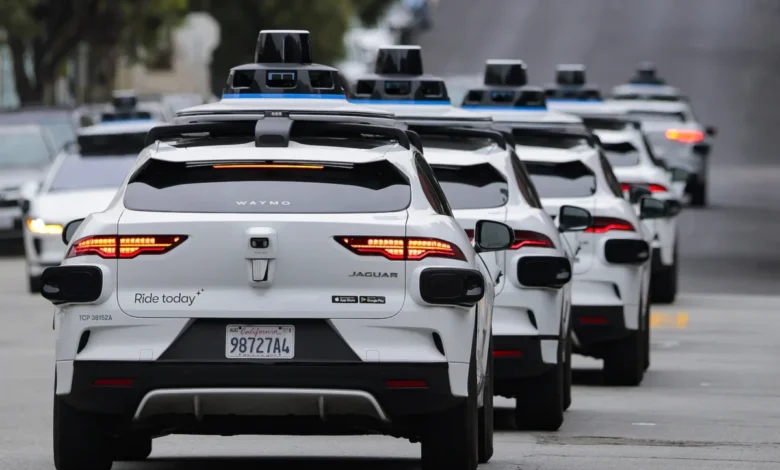
Waymo’s fully autonomous robotaxi service has resumed operations in San Francisco after a temporary pause necessitated by a significant power outage that affected a substantial portion of the city. The disruption, which impacted approximately 7,000 Pacific Gas and Electric (PG&E) customers, prompted the Alphabet-owned company to make “temporary adjustments” to its operations, prioritizing safety and assessing the local conditions.
The incident, which occurred on July 18, 2026, led to a brief suspension of Waymo’s commercial robotaxi operations. Initial reports, circulating on social media, indicated that Waymo had informed its San Francisco users about a temporary service pause, specifically noting that freeway routes were unavailable. A screenshot shared online detailed the company’s communication, stating, “We are making temporary adjustments to our service while we monitor local conditions. We know riders depend on us, and we will return to normal operations as soon as possible.”
Following the initial publication of the report, Waymo provided further clarification on the duration and reasoning behind the pause. A spokesperson stated that the company had “decided to pause service for approximately one hour to assess the scale of the power outage affecting a large portion of San Francisco and coordinate with local officials.” This proactive measure underscores the company’s commitment to ensuring the safe and reliable operation of its autonomous vehicles, especially during unforeseen circumstances like widespread power disruptions.
The Chain of Events: A Power Outage and Its Ramifications
The power outage that triggered Waymo’s temporary service suspension began to affect San Francisco residents and businesses on the afternoon of July 18, 2026. While the exact cause of the PG&E outage has not been definitively stated in relation to Waymo’s operations, such widespread disruptions can have cascading effects on critical infrastructure and services, including those reliant on consistent electrical power.
Sources indicated that the outage initially impacted a significant number of PG&E customers, leading to concerns about the broader implications for city operations. For autonomous vehicle companies like Waymo, whose vehicles are equipped with complex sensor suites, navigation systems, and communication technologies, a stable power supply is paramount. Even minor fluctuations or the complete absence of power can necessitate a system shutdown to prevent potential malfunctions or unsafe driving scenarios.
The timeline of Waymo’s response suggests a rapid assessment and decision-making process. The company acknowledged that its riders depend on its service and aimed to return to normal operations "as soon as possible." The reported one-hour pause allowed Waymo to evaluate the extent of the power disruption and to ensure that its fleet could operate safely and effectively once service resumed. This period also likely involved coordination with city officials to understand the broader impact and to ensure alignment with any emergency response protocols.
A Pattern of Vulnerability: Past Incidents and Regulatory Scrutiny
This latest incident is not the first time Waymo’s operations in San Francisco have been impacted by power outages or significant city-wide events. The city has a complex and often challenging environment for autonomous vehicle deployment, characterized by dense traffic, varied weather conditions, and a history of infrastructure challenges.

In December 2025, a notable blackout in San Francisco caused several Waymo vehicles to stall on city streets, leading to a temporary suspension of service. This incident highlighted the vulnerability of autonomous systems to unexpected power failures and the potential for significant disruption to urban mobility. Similarly, on a previous Fourth of July, a similar power-related incident caused traffic paralysis during a fireworks show, underscoring the need for robust contingency plans.
These recurring issues have amplified calls for stricter regulatory oversight of autonomous vehicle operations in San Francisco. Mayor Daniel Lurie has been a vocal proponent of enhanced regulations, advocating for measures that "adequately address how autonomous vehicles operate during major incidents, planned or not." The city’s experience with these events has fueled a debate about the preparedness of autonomous vehicle companies for unforeseen circumstances and the need for clearer guidelines from state and local authorities.
Supporting Data and Industry Context
The autonomous vehicle industry is experiencing rapid growth, with companies like Waymo, Cruise (a subsidiary of General Motors), and others investing heavily in research, development, and deployment. San Francisco has become a key testing ground and operational hub for these technologies due to its dense urban environment, technological innovation, and supportive regulatory framework, at least initially.
However, the challenges encountered underscore the complexities of deploying advanced autonomous systems in real-world, unpredictable environments. Factors such as power grid reliability, the impact of extreme weather events, and the need for seamless integration with existing city infrastructure are critical considerations.
Data from industry reports suggest that while autonomous vehicle technology is advancing rapidly, widespread public adoption and seamless integration are still contingent on demonstrating consistent safety, reliability, and resilience in diverse conditions. The ability of AVs to navigate power outages, traffic disruptions, and other emergencies without compromising safety or causing significant inconvenience is a key metric for public trust and regulatory approval.
Official Responses and Broader Implications
Waymo’s swift communication and prompt resumption of service following the July 18th incident reflect a learning process and an effort to build public confidence. The company’s statement, emphasizing "temporary adjustments" and a commitment to "normal operations as soon as possible," signals a focus on operational continuity and rider experience.
The broader implications of these recurring disruptions extend beyond Waymo. They raise questions for the entire autonomous vehicle industry and for urban planners responsible for integrating these new technologies into city life. Key considerations include:
- Infrastructure Resilience: The need for autonomous vehicle technology to be resilient to common urban infrastructure vulnerabilities, such as power outages, communication network failures, and unexpected road closures.
- Emergency Preparedness: The development of robust emergency protocols for autonomous vehicle fleets, including clear communication channels with city emergency services and pre-defined response strategies for various scenarios.
- Regulatory Frameworks: The ongoing evolution of regulations to ensure that autonomous vehicles can operate safely and reliably not only under ideal conditions but also during periods of disruption. Mayor Lurie’s calls for tougher state regulations are indicative of this broader trend.
- Public Perception and Trust: The impact of such incidents on public perception of autonomous vehicle safety and reliability. Consistent and safe operation, even during challenging circumstances, is crucial for building and maintaining public trust.
As San Francisco continues to grapple with the integration of autonomous vehicles, incidents like the July 18th power outage serve as important case studies. They highlight the ongoing need for collaboration between technology companies, city officials, and regulatory bodies to ensure that the deployment of autonomous vehicles enhances urban mobility without compromising safety or the overall functioning of the city. Waymo’s ability to quickly resume service demonstrates progress, but the need for continued vigilance and adaptation remains paramount in this rapidly evolving technological landscape.
Related posts: