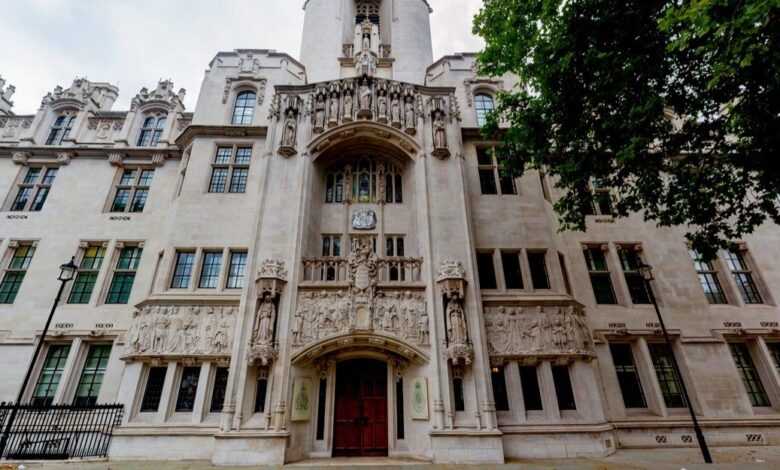
UK Supreme Court Uber Decision Gig Economys Future
UK supreme court uber decision gig economy sets the stage for a fascinating exploration of the evolving gig economy landscape. The ruling has significant implications for workers, companies like Uber, and the future of work itself. This in-depth look examines the core arguments, impacts on various players, and potential paths forward for this rapidly changing sector.
The UK Supreme Court’s decision regarding Uber and the gig economy sparked a flurry of debate, prompting questions about the legal status of gig workers and the viability of platform business models. This analysis delves into the specifics, outlining the key players and the complexities of this evolving employment paradigm.
Introduction to the UK Supreme Court Uber Decision
The UK Supreme Court’s 2021 decision on Uber’s classification of its drivers significantly impacted the gig economy. The ruling fundamentally altered the legal landscape for workers in platform-based employment models, challenging the traditional employer-employee dichotomy and prompting widespread debate about the nature of work in the modern era. The court’s decision forced a reconsideration of the legal definitions of employment and self-employment within the context of the gig economy.The case involved a complex interplay of legal principles, challenging the existing frameworks and paving the way for a more nuanced understanding of worker classification.
The court’s reasoning relied heavily on specific contractual arrangements and the practical realities of the working relationship between Uber and its drivers. This ultimately influenced the broader implications of the decision for the gig economy, affecting how businesses classify workers and the rights afforded to them.
Key Legal Arguments Presented
The legal arguments in the Uber case centered on the classification of Uber drivers. Uber argued that its drivers were independent contractors, while the drivers themselves argued for employee status. Crucial to the case were the drivers’ control over their working hours, the ability to accept or reject rides, and the lack of direct supervision by Uber. The court weighed these factors against the degree of control Uber exerted over the drivers’ working conditions, such as the use of the Uber app and the pricing structure.
Implications for the Broader Gig Economy
The Uber decision had significant implications for the broader gig economy, prompting legal challenges and regulatory scrutiny. The ruling suggested that a rigid application of traditional employment law might not adequately address the nuances of platform-based work. It highlighted the need for flexible and adaptable legal frameworks to accommodate the changing nature of work. The decision spurred discussion on the potential need for specific legislation or guidelines tailored to the gig economy.
Key Players and Their Roles
| Player | Role |
|---|---|
| Uber | The platform company, arguing for the independent contractor status of its drivers. |
| Drivers | The workers seeking recognition as employees, asserting rights to benefits and protections. |
| The UK Supreme Court | The judicial body tasked with interpreting the law and rendering a final decision on the worker classification. |
| The Employment Tribunal | The lower court that initially ruled in favor of the drivers, leading to the appeal to the Supreme Court. |
Defining the Gig Economy
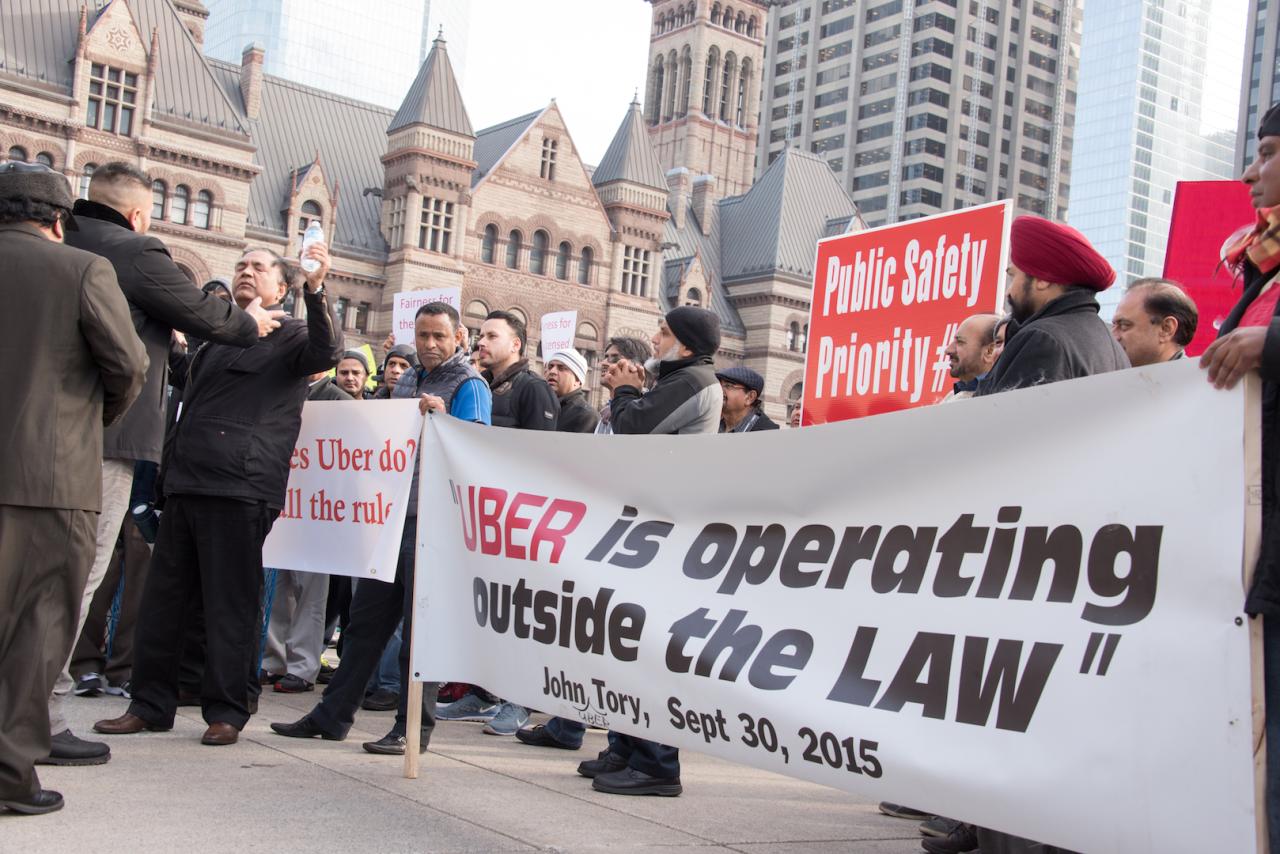
The gig economy, a rapidly expanding sector of the modern workforce, has reshaped traditional employment models. It’s characterized by flexible work arrangements, often independent contracting, and a shift away from traditional employer-employee relationships. This dynamic environment presents unique opportunities and challenges for both workers and businesses.The gig economy is not a monolithic entity; it encompasses a wide range of work types, from freelance writing to delivery services, and the employment models vary considerably.
Understanding the nuances of this sector is crucial for assessing its impact on individuals and the broader economy.
Characteristics of the Gig Economy, Uk supreme court uber decision gig economy
The gig economy is defined by its flexible nature and the prevalence of independent contracting. Workers often operate as self-employed individuals, managing their own schedules and accepting projects or tasks as they choose. This contrasts sharply with traditional employment models where employees follow set hours and work under the direction of a company. This flexibility allows for greater work-life balance and the potential to pursue multiple income streams, but it also comes with reduced benefits and job security.
The rise of digital platforms facilitates the matching of workers with tasks, creating a streamlined system for both parties.
Types of Gig Work and Employment Models
The gig economy encompasses diverse work types. Delivery drivers, freelance writers, and virtual assistants are all examples of gig workers. Platforms like Uber and Deliveroo have popularized ride-sharing and food delivery, showcasing one form of gig work. Freelance designers, web developers, and consultants also operate within the gig economy, offering specialized skills on a project-by-project basis. The employment models in this sector vary.
Some workers operate through platforms that act as intermediaries, connecting them with clients. Others may work directly with businesses, contracting for specific tasks. This variety in models reflects the adaptability of the gig economy to different skills and needs.
Economic Impact on Workers
The gig economy presents both advantages and disadvantages for workers. Flexibility and autonomy are key benefits, allowing workers to set their own hours and potentially earn more in some cases, depending on their skillset and workload. However, this freedom often comes with reduced benefits like health insurance and retirement plans, compared to traditional employment. Job security can be a concern, as work is often project-based or dependent on client demand.
Earnings can fluctuate significantly, making it challenging to build consistent income streams.
Economic Impact on Companies
Companies benefit from the gig economy’s flexibility, accessing a pool of talent without the overhead of traditional employment. They can scale their workforce up or down as needed, adapting to fluctuating demands. This agility can be particularly beneficial in industries experiencing rapid growth or seasonal fluctuations. However, companies must navigate the complexities of managing independent contractors, ensuring compliance with labor laws, and maintaining a consistent service quality.
Comparison of Traditional and Gig Economy Models
| Characteristic | Traditional Employment Model | Gig Economy Model |
|---|---|---|
| Work Arrangement | Fixed hours, set schedule, direct employer-employee relationship | Flexible hours, independent contracting, project-based work |
| Benefits | Health insurance, retirement plans, paid time off | Often no benefits, workers must arrange their own |
| Job Security | Stable employment with ongoing position | Variable work, often dependent on client demand |
| Control | Employer controls work process and hours | Worker controls their own schedule and work |
| Company Overhead | Higher employee-related costs | Lower employee-related costs, but management complexity |
The Legal and Economic Implications of the Decision
The UK Supreme Court’s ruling on Uber’s classification of drivers as independent contractors, rather than employees, has sent ripples throughout the gig economy. This decision, while seemingly specific to Uber, has significant implications for the broader legal and economic landscape surrounding platform-based work. The ruling’s impact extends beyond the immediate concerns of Uber drivers, influencing how other gig economy companies operate and how various jurisdictions approach the classification of gig workers.
Get the entire information you require about global cfo survey rebuild revenue streams on this page.
Legal Precedents
The Supreme Court’s decision wasn’t arrived at in a vacuum. It drew upon established legal principles regarding employment status. The court considered factors like the degree of control exercised by Uber over its drivers, the drivers’ opportunity to profit from their work, and the drivers’ economic dependence on Uber. This analysis builds upon existing case law, particularly those dealing with the distinction between employment and self-employment, to clarify the legal parameters of the gig economy.
A key aspect of the decision is its emphasis on the reality of the working relationship, moving beyond traditional, often rigid, definitions of employment.
Economic Consequences for Uber and Similar Companies
The decision has substantial economic ramifications for Uber and other gig economy companies. The classification of drivers as employees, rather than contractors, could significantly increase their operational costs. These costs include mandatory contributions to social security, healthcare, and pension schemes. This increase in expenses could lead to higher prices for consumers, reduced profitability for companies, or even necessitate a restructuring of the business model.
For example, the decision may incentivize gig economy companies to adopt more transparent and clear contractual agreements to minimize potential legal challenges.
Comparison with Other Jurisdictions
The UK’s approach to gig work contrasts with that of other jurisdictions. Some countries have more lenient regulations, allowing gig companies to classify workers as independent contractors with minimal obligations. Other jurisdictions have taken a more worker-centric approach, recognizing the unique challenges and vulnerabilities of gig workers. These differences in legal frameworks significantly affect the operational costs and business models of gig companies operating across international borders.
This comparison highlights the lack of global uniformity in addressing the gig economy, leading to a complex legal landscape for companies operating in multiple countries.
Different Classifications of Gig Workers Across Legal Systems
| Jurisdiction | Typical Classification | Key Considerations |
|---|---|---|
| United Kingdom | Employee/Independent Contractor | The Supreme Court emphasized the reality of the working relationship and the degree of control exerted by the platform. |
| United States | Independent Contractor | The “ABC test” is used in some states to determine employee status. This test considers whether the worker is free from the control and direction of the hirer, whether the worker performs work that is outside the usual course of the hiring entity’s business, and whether the worker is customarily engaged in an independently established trade, occupation, or business. |
| European Union | Varying by country; often a more worker-centric approach | Some EU countries have taken a more worker-friendly approach, leading to stricter regulations on gig work. |
| Australia | Independent Contractor/Employee | Australian laws often look at the degree of control and economic dependence. |
This table demonstrates the diverse legal approaches across various jurisdictions to the classification of gig workers. These differences necessitate a nuanced understanding of the legal landscape for businesses operating internationally.
Impact on Workers’ Rights
The UK Supreme Court’s decision regarding Uber drivers significantly alters the landscape of worker rights within the gig economy. This ruling, while potentially improving protections for some, also introduces complexities for companies operating under similar models. The decision’s impact ripples beyond the immediate case, forcing a re-evaluation of employment classifications and worker status in a rapidly evolving employment sector.The Supreme Court’s ruling classified Uber drivers as workers, not independent contractors.
This classification grants them a wider range of employment rights, including the right to minimum wage, holiday pay, and potentially other benefits. However, this shift also raises questions about the viability of the gig economy model, which often relies on the flexibility of independent contractors.
Worker Protections and Challenges
The decision to classify Uber drivers as workers, rather than contractors, fundamentally changes their rights and protections. They now have the potential to access employment rights, including the right to paid holidays, sick pay, and minimum wage. However, this shift also creates challenges for businesses operating under the gig economy model, particularly those who rely on the flexibility and cost-effectiveness of independent contractors.
Balancing the needs of workers with the operational efficiency of companies like Uber is crucial.
Balancing Worker Needs and Business Models
The Supreme Court’s decision highlights the inherent tension between protecting worker rights and enabling the flexibility often associated with the gig economy. Companies like Uber, with their emphasis on on-demand services and a flexible workforce, must adapt their business models to accommodate these new rights. This may involve adjustments to pricing structures, scheduling processes, and potential cost increases.
Ultimately, the challenge lies in finding a sustainable model that respects workers’ rights while maintaining the efficiency and appeal of the gig economy.
Potential Benefits and Drawbacks for Gig Workers
| Benefit | Drawback |
|---|---|
| Access to Employment Rights: Workers gain access to minimum wage, holiday pay, and potentially other benefits. | Increased Costs for Businesses: Companies may face increased operational costs due to new employment obligations. |
| Improved Job Security: Workers gain a stronger legal footing and greater protection against exploitation. | Potential for Reduced Flexibility: The new rules may limit the flexibility of working hours and availability for workers, potentially impacting their income. |
| Fairer Compensation: Workers may receive more equitable compensation for their work, reflecting their contributions. | Impact on the Gig Economy Model: The long-term viability of the gig economy model, relying on independent contractors, is uncertain. |
| Increased Legal Protection: Workers have more avenues for recourse if their rights are violated. | Adapting to New Regulations: Businesses need to adapt their processes and systems to comply with new regulations and laws. |
The table above Artikels some potential advantages and disadvantages of the new regulations for gig economy workers and the companies employing them. It’s crucial to acknowledge that the actual experiences may vary depending on individual circumstances and the specific industry.
Future of the Gig Economy in the UK
The UK Supreme Court’s ruling on Uber has significantly reshaped the legal landscape surrounding the gig economy. This decision, while impacting worker classification, also necessitates a reassessment of the future trajectory of this rapidly evolving sector. The implications extend beyond Uber, affecting countless companies and millions of workers across diverse gig economy segments.The ruling forces a crucial re-evaluation of worker status, potentially triggering a domino effect on how companies operate within the gig economy.
Businesses will need to adapt to the new legal parameters, and workers may experience shifts in their rights and benefits. This evolving dynamic necessitates careful consideration of potential future developments, legal challenges, and the adaptability of gig economy companies.
Potential Future Developments in the Gig Economy
The Supreme Court’s decision has ignited a debate about the precise definition of an employee versus a contractor in the gig economy. The ongoing uncertainty will undoubtedly influence the structure of future gig work arrangements. Companies may explore innovative contractual models to maintain flexibility while adhering to new legal standards. For instance, some might experiment with “hybrid” models, where workers are granted some employee rights while retaining certain freedoms associated with contract work.
This could lead to a more nuanced understanding of employment status, potentially driving the development of new legal frameworks to cater to the unique characteristics of the gig economy.
Potential for Further Legal Challenges or Legislative Changes
The Uber ruling has served as a catalyst for potential legal challenges and legislative changes concerning gig work. Other companies operating in the gig economy may face similar legal scrutiny, prompting further court cases. This uncertainty may encourage legislative action aimed at creating clearer definitions of employment status for gig workers. For example, a new law might introduce specific criteria to distinguish between employees and independent contractors in the gig economy.
Adaptability of Companies in the Gig Economy to the Changing Legal Landscape
Gig economy companies must adapt to the changing legal landscape. This adaptation includes restructuring worker classifications, revising contracts, and potentially incorporating new benefits and protections. The ability to navigate these changes will be crucial for companies to maintain profitability and worker satisfaction. For example, companies might invest in legal expertise to ensure compliance with the evolving regulations, or they might adjust their business models to accommodate the new legal realities.
Companies will likely need to conduct thorough legal reviews of their operations and adapt their contractual arrangements to ensure compliance.
Predicted Growth or Decline of Gig Economy Sectors in the UK
The gig economy encompasses various sectors. Predicting the precise growth or decline of each sector in the UK is challenging, as it depends on various factors including economic conditions, technological advancements, and consumer preferences.
| Gig Economy Sector | Predicted Growth/Decline | Rationale |
|---|---|---|
| Ride-hailing services | Moderate Decline (short-term), Potential Long-Term Growth (with adaptations) | Facing increased legal scrutiny and potential worker classification challenges. Adaptation through contractual changes and compliance strategies might stabilize long-term growth. |
| Delivery services | Steady Growth (influenced by e-commerce growth) | Growth in e-commerce is likely to sustain demand for delivery services. Companies may need to adapt to legal changes but growth potential remains. |
| Freelance services (design, writing, etc.) | Steady Growth (with a focus on skill development) | The need for specialized skills in various fields is likely to maintain demand for freelance services. Adaptation to worker classification may impact certain contracts but overall demand remains strong. |
| Tutoring/teaching services | Moderate Growth (influenced by education trends) | Adaptability to legal changes will be key. The demand for online learning and educational services is likely to sustain the growth of this sector. |
Case Study of Uber and Other Gig Economy Platforms
The UK Supreme Court’s decision regarding Uber drivers significantly reshaped the gig economy landscape. This ruling prompted a re-evaluation of worker classifications and the legal rights of individuals employed through these platforms. Understanding the impact on Uber, and how it compares to other gig economy models, is crucial to comprehending the future of this rapidly evolving sector.The decision, while impacting Uber, also has implications for numerous other gig economy platforms, highlighting the need for clearer legal frameworks and consistent application of labor laws.
Different platforms employ various business models, impacting their vulnerability to similar legal challenges and their future prospects.
Uber’s Specific Situation
Uber’s business model, reliant on classifying drivers as independent contractors, was directly challenged by the Supreme Court ruling. This classification allowed Uber to avoid responsibilities typically associated with traditional employment, such as providing benefits or adhering to minimum wage laws. The court’s decision effectively altered this structure, requiring Uber to recognize drivers as workers with enhanced rights. This shift will likely necessitate significant operational adjustments for Uber, potentially including higher operating costs and adjustments to its compensation structure.
The immediate impact on Uber’s profitability is considerable, requiring strategic planning and potentially re-evaluation of its global business model.
Comparison with Other Gig Economy Platforms
The impact of the ruling extends beyond Uber. Platforms like Deliveroo, TaskRabbit, and others operate with similar contractor models, and will face similar challenges and opportunities. The critical difference lies in the specific nuances of each platform’s operations. For instance, Deliveroo’s model, heavily focused on food delivery, may face similar legal scrutiny but may have unique operational factors, such as varying delivery times and customer demands.
TaskRabbit’s platform, focusing on on-demand services, may encounter different considerations related to the diverse nature of the work offered. These factors create a diverse landscape of potential outcomes and future adaptations.
For descriptions on additional topics like cima ethics confidentiality rules, please visit the available cima ethics confidentiality rules.
Operational Structures of Gig Economy Platforms
Different gig economy platforms employ distinct operational models, significantly influencing their structure and legal vulnerabilities. These variations are crucial in understanding the overall impact of the Supreme Court ruling.
| Platform | Worker Classification | Service Type | Operational Structure |
|---|---|---|---|
| Uber | Initially independent contractors | Ride-hailing | Centralized dispatch system, dynamic pricing |
| Deliveroo | Independent contractors | Food delivery | Restaurant partnerships, flexible delivery schedules |
| TaskRabbit | Independent contractors | On-demand services | Diverse range of tasks, variable customer needs |
| Airbnb | Independent hosts | Accommodation | Community-based platform, host-guest interactions |
Future Prospects of the Gig Economy in the UK
The Supreme Court’s ruling represents a turning point in the gig economy’s development in the UK. It necessitates a re-evaluation of the legal and economic implications of these platforms, prompting adjustments to operating models and regulatory frameworks. The gig economy, while offering flexibility and accessibility, will need to adapt to these new standards to ensure sustainability and worker rights.
This adjustment period presents both challenges and opportunities, potentially leading to innovation and a more equitable distribution of benefits within the gig economy. The long-term outlook hinges on how effectively these platforms respond to the legal and societal pressures, fostering a balance between flexibility and worker protections. The case of Uber is a strong indicator of the evolving regulatory landscape.
Alternative Models for Gig Work
The Uber Supreme Court ruling highlighted the precarious nature of gig work, prompting a critical examination of existing models and the need for alternative approaches that better protect workers’ rights. The traditional employment relationship, with its defined benefits and responsibilities, often fails to adequately address the unique characteristics of the gig economy. This necessitates a re-evaluation of how gig work is organized to ensure fair treatment and a more stable environment for workers.
Alternative Models for Worker Protection
Various alternative models aim to bridge the gap between the flexibility of gig work and the security of traditional employment. These models often involve a shift in the power dynamics, moving away from the platform’s control over workers to a more collaborative and equitable arrangement. A key element is fostering greater control over the work process and compensation structures for gig workers.
In this topic, you find that uk government business loan repayment flexibility is very useful.
Platform Cooperatives
Platform cooperatives are worker-owned and -operated entities that manage gig work on behalf of their members. This structure empowers workers by giving them a direct stake in the success of the platform and allows them to collectively negotiate terms and conditions. For instance, a group of freelance writers could form a cooperative to manage contracts, marketing, and shared resources.
This model aims to give workers more control over their working conditions and share in the platform’s profits. It addresses issues of power imbalance by making the workers active participants in the business.
Hybrid Models of Employment
Hybrid models combine elements of traditional employment with the flexibility of gig work. These models may involve fixed-term contracts, part-time employment, or project-based work, but with guaranteed minimum hours or benefits. For example, a company might offer a hybrid model where employees work a set number of hours per week on a project basis, with additional incentives for completing tasks efficiently.
This balances the worker’s flexibility with a degree of stability.
Government Regulations and Frameworks
New legislation and regulatory frameworks are crucial in addressing the needs of gig workers. These frameworks could include specific definitions of gig work, minimum wage requirements, and protections against unfair termination. These policies should be tailored to the specific nature of gig work, such as the need for flexibility and work-life balance.
Existing and Emerging Models
Existing models of gig work include freelance platforms, task-based marketplaces, and platform-based delivery services. Emerging models include those emphasizing community-based gig work, collaborative platforms for skilled workers, and platforms focusing on specific niche skills.
Strengths and Weaknesses of Alternative Models
| Model | Strengths | Weaknesses |
|---|---|---|
| Platform Cooperatives | Worker empowerment, shared profits, collective bargaining | Requires significant organizational effort, potential for internal conflicts |
| Hybrid Models | Combines flexibility and security, potential for better work-life balance | May not address all aspects of gig work, requires careful design |
| Government Regulations | Provides a level playing field, protects workers’ rights | Potential for bureaucratic hurdles, may not address all specific issues |
Global Perspective on Gig Economy Regulation: Uk Supreme Court Uber Decision Gig Economy
The UK Supreme Court’s Uber decision has sparked global interest, prompting a wave of discussions about the appropriate regulatory framework for the gig economy. The decision’s impact transcends national borders, highlighting the need for nuanced approaches to classifying workers and ensuring fair treatment in this rapidly evolving employment landscape. Different countries are grappling with similar challenges, and the variations in their responses offer valuable insights into the complexities of the issue.
Approaches to Gig Economy Regulation in Other Countries
Various countries have adopted different approaches to regulating the gig economy. Some have implemented broad legislative changes, while others have focused on sector-specific regulations. These varied strategies reflect the diverse economic and social contexts of different nations. Factors such as labor laws, cultural norms, and the specific prevalence of gig economy platforms influence the chosen regulatory path.
Variations in Legal Interpretations and Approaches Globally
Global legal interpretations of gig economy worker status differ significantly. Some jurisdictions lean towards classifying gig workers as independent contractors, emphasizing their autonomy and flexibility. Others favor employee classification, prioritizing worker protections and benefits. These differing legal frameworks have a profound impact on workers’ rights, including access to benefits, minimum wage, and employment protections.
Comparison of the UK Supreme Court Decision with International Trends
The UK Supreme Court’s decision, classifying Uber drivers as workers, stands in contrast to some international trends. Several countries have opted for classifications that grant gig workers more limited protections or even treat them as independent contractors. The differing approaches underscore the absence of a universally accepted standard for defining the status of gig workers. This divergence necessitates a careful examination of the specific contexts and implications of each legal framework.
Table Highlighting Different Global Approaches to Gig Economy Regulation
| Country | Approach to Gig Economy Regulation | Worker Classification | Key Considerations |
|---|---|---|---|
| United States | Varied, sector-specific | Often independent contractor | Emphasis on individual autonomy, flexibility; limited protections |
| Germany | Emphasis on employee status for platform workers | Usually classified as employees | Focus on social security, worker protections; stronger regulations |
| France | Legislation addressing platform workers | Striking a balance between contractor and employee status | Focus on worker rights, fair compensation; comprehensive regulations |
| Canada | Province-specific regulations | Varied, depending on the province | Focus on worker rights and safety; potential for divergence in standards |
| Australia | Regulations evolving | Varying, influenced by individual platform policies | Focus on fair treatment and protection of vulnerable workers; dynamic development of policies |
This table provides a glimpse into the diverse landscape of gig economy regulation globally. It highlights the differences in approach, worker classification, and underlying considerations. Each country’s approach is tailored to its specific economic, social, and legal context, contributing to a complex global picture.
Final Conclusion
The UK Supreme Court’s Uber decision has undeniably reshaped the narrative surrounding the gig economy. The implications extend far beyond Uber itself, affecting the rights of gig workers and the strategies of numerous companies operating within this sector. Looking ahead, the future of the gig economy in the UK and globally appears poised for ongoing legal and societal adjustments as companies and workers navigate this new legal and economic terrain.