Uk Supreme Court Uber Decision Gig Economy
The UK Supreme Court’s Landmark Uber Decision: Redefining the Gig Economy and Worker Rights
The United Kingdom Supreme Court’s unanimous decision in January 2021, upholding a Court of Appeal ruling that Uber drivers are "workers" and not self-employed independent contractors, represents a pivotal moment for the gig economy. This judgment has far-reaching implications, not only for Uber and its drivers but also for the broader landscape of platform work, worker classification, and employment law. The core of the dispute centered on whether drivers, despite signing contracts characterizing them as independent contractors, were in reality afforded the protections and rights typically associated with employment. The Supreme Court’s affirmation of their worker status signifies a significant shift, acknowledging the reality of how these platform-based services operate and the power imbalance inherent in the relationship between digital platforms and those who perform the labor.
The legal battle commenced with claims brought by a group of Uber drivers who argued they were entitled to basic employment rights, including paid holidays, minimum wage, and rest breaks. These rights are generally reserved for "employees" and "workers" under UK law, with "workers" enjoying a lesser, but still substantial, set of protections compared to full employees. The initial Employment Tribunal, and subsequently the Employment Appeal Tribunal and the Court of Appeal, all found in favor of the drivers, establishing their worker status. Uber’s subsequent appeal to the Supreme Court represented its final attempt to overturn these decisions and maintain its classification of drivers as independent contractors, a model that allows companies to avoid many of the costs and obligations associated with traditional employment.
The Supreme Court’s judgment meticulously dissected the operational realities of Uber’s platform. A crucial factor in their decision was the degree of control Uber exercised over its drivers. Despite the contractual language, the Court found that Uber dictated key terms of the engagement. This included setting fares, imposing performance standards, penalizing drivers for low ratings or declining rides, and effectively determining the terms on which drivers could work. The judgment highlighted that drivers were restricted in their ability to work for other ride-hailing services during their shifts and that their contracts were not individually negotiated but were standard terms dictated by Uber. This level of control, the Court concluded, was inconsistent with genuine self-employment, where an individual typically has the freedom to set their own prices, determine their own working hours, and choose their clients.
Furthermore, the Supreme Court considered the concept of "economic dependence." While drivers used their own vehicles and bore some of the costs associated with operating, the Court recognized that their income and ability to work were heavily reliant on the Uber platform. Uber’s algorithm played a significant role in allocating rides and determining the availability of work, creating a situation where drivers were economically dependent on the platform for their livelihood. This dependence, coupled with Uber’s control, led the Court to conclude that the drivers were not operating as independent businesses in a true sense but rather as integral parts of Uber’s operational structure, performing work that was fundamental to Uber’s business.
The judgment also addressed the issue of the "principal-agent" relationship. Uber sought to argue that it merely acted as an intermediary connecting drivers with passengers. However, the Supreme Court rejected this characterization. The Court emphasized that when a passenger booked a ride through Uber, they were contracting with Uber, not directly with the individual driver. Uber controlled the booking process, collected payments, and then paid the driver a portion of the fare. This arrangement meant that Uber was not simply a passive facilitator but was actively engaged in providing the transportation service itself, with drivers acting as its operational arm.
The implications of this ruling for Uber are immediate and significant. The company is now legally obliged to treat its drivers in the UK as workers, granting them access to paid holiday, sick pay, and contributions to a pension. This will inevitably lead to increased operating costs for Uber, potentially impacting its pricing strategies and profitability. The decision also opens the door for drivers to claim backdated payments for these entitlements, which could amount to substantial sums. While Uber has stated its commitment to complying with the judgment, the practicalities of implementing these changes across its vast driver network will be complex.
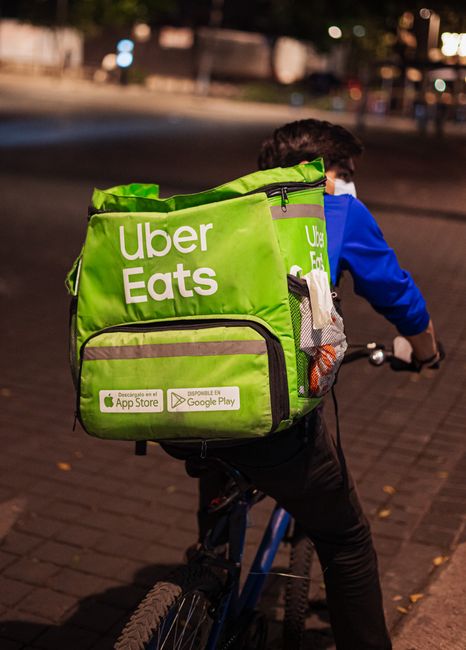
Beyond Uber, the Supreme Court’s decision has sent ripples throughout the entire gig economy. Many other platform-based companies, operating in sectors such as food delivery, courier services, and even some cleaning services, utilize similar contractual models that classify their workers as independent contractors. These companies will now be under immense pressure to review their own operating models and employment practices. The risk of similar legal challenges looms large, and a wave of litigation is anticipated as workers in other gig economy sectors seek to assert their rights. The judgment provides a strong legal precedent, making it more difficult for these platforms to argue that their workers are genuinely self-employed when the reality of their working conditions mirrors those of employees or workers.
The ruling also highlights a broader societal debate about the future of work and the adequacy of existing labor laws in the face of technological advancements. The gig economy, with its promise of flexibility and autonomy for workers, has also been criticized for creating precarious employment conditions, lacking basic protections, and contributing to a decline in collective bargaining power. The Supreme Court’s decision can be seen as a step towards rebalancing this power dynamic and ensuring that workers in the digital age are afforded a minimum level of protection and dignity.
However, the legal definition of "worker" under UK law is distinct from "employee." While workers are entitled to paid holidays, minimum wage, and protection against unlawful deductions from wages, they do not possess all the rights of employees, such as unfair dismissal protection or the right to reasonable notice of termination. This distinction is important, and it is likely that further legal challenges will emerge as workers seek to establish full employee status or as platforms attempt to find new ways to circumvent the extended obligations imposed by the "worker" classification.
The government’s response to the Uber decision is also a key factor to monitor. While the ruling is a judicial one, legislative changes could be introduced to further clarify or adapt employment law to the realities of the gig economy. There is a strong argument to be made for a clearer and more robust legal framework that addresses the specific challenges posed by platform work, ensuring fair treatment and adequate protections for all those engaged in it. The potential for a bifurcated labor market, with a core of secure employees and a periphery of precarious gig workers, is a concern that policymakers will need to grapple with.
In conclusion, the UK Supreme Court’s Uber decision is a watershed moment. It has definitively stated that the contractual label of "independent contractor" is not determinative when the reality of the working relationship points to control, dependence, and integration within the platform’s operations. This landmark judgment will undoubtedly reshape the gig economy in the UK, compelling platforms to re-evaluate their practices and extend crucial worker rights. It also serves as a powerful impetus for continued dialogue and potential legislative reform to ensure that the evolving world of work provides fair and secure opportunities for all. The battle for worker rights in the digital age has gained significant momentum with this pivotal ruling.
