Talent Paradox Cima President Steven Swientozielskyj
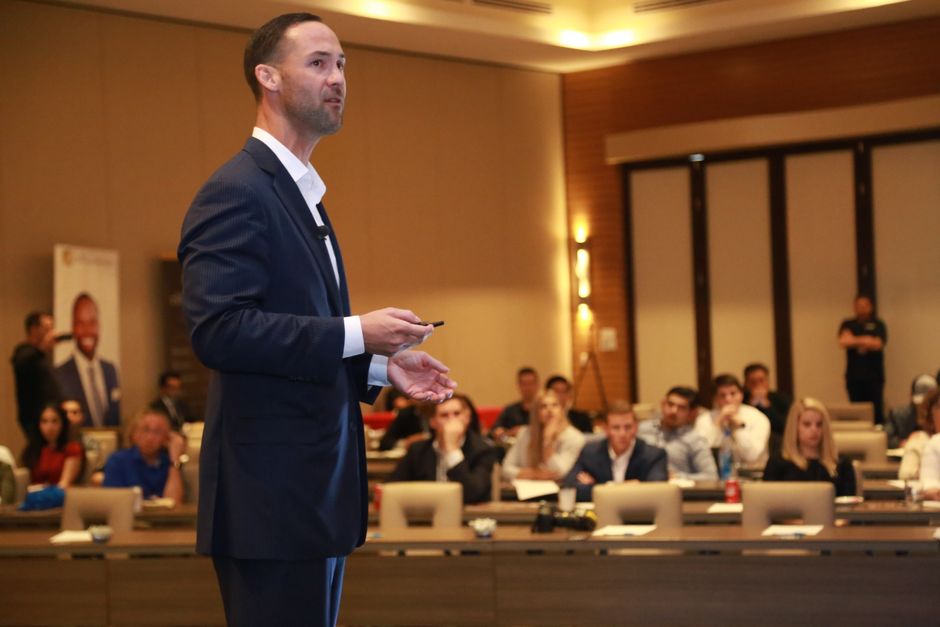
The Talent Paradox: Unpacking CIMA President Steven Swientozielskyj’s Insights on the Future of Finance
The accounting and finance profession stands at a critical juncture, facing a complex and often contradictory landscape commonly referred to as the "talent paradox." This paradox, as articulated and explored by CIMA President Steven Swientozielskyj, highlights the simultaneous existence of a high demand for skilled finance professionals and a persistent challenge in finding individuals possessing the precise blend of technical acumen, strategic thinking, and digital literacy required for success in the modern business environment. Swientozielskyj’s tenure as President has been marked by a deep engagement with these evolving demands, consistently emphasizing the need for a paradigm shift in how talent is nurtured, acquired, and developed within the finance function. The core of the talent paradox lies in the disconnect between the traditional perception of finance roles – often seen as purely transactional and backward-looking – and the contemporary reality, where finance professionals are increasingly expected to be forward-thinking strategic partners, data-driven innovators, and ethical custodians of organizational integrity. This article will delve into the multifaceted nature of this paradox, examining its root causes, the specific skills in demand, the challenges for organizations and individuals, and the proactive strategies and future-oriented vision advocated by Steven Swientozielskyj and CIMA to navigate this complex terrain and ensure the continued relevance and impact of the finance profession.
The digital revolution has undeniably been a primary catalyst for the talent paradox. Automation, artificial intelligence, and advanced data analytics are transforming the nature of accounting and finance tasks at an unprecedented pace. Routine, repetitive functions like data entry, reconciliation, and basic reporting are increasingly being automated, freeing up human capital for more analytical and strategic endeavors. However, this shift creates a demand for professionals who can not only understand and leverage these new technologies but also interpret the insights they generate and translate them into actionable business strategies. The paradox emerges because while the need for digitally proficient finance professionals is escalating, the supply of individuals with this specific skillset, combined with traditional finance expertise, has not yet fully caught up. Many existing finance professionals may lack the necessary digital fluency, while new entrants to the field might possess strong technological skills but lack the foundational accounting principles and business acumen essential for effective financial management. Swientozielskyj has consistently stressed the urgency of bridging this skills gap, advocating for continuous learning and upskilling initiatives that equip finance teams with the tools and knowledge to thrive in a digital-first world. He emphasizes that technology is not a replacement for human expertise but an augmentation, enabling finance professionals to move beyond number crunching and focus on higher-value activities.
Furthermore, the strategic imperative for finance professionals has grown exponentially. In today’s volatile and complex business landscape, organizations require finance leaders who can provide not just financial reporting but also strategic guidance, risk management expertise, and proactive decision support. This necessitates a shift from a purely compliance-focused mindset to one that is commercially astute, forward-looking, and business-integrated. The talent paradox is evident here in the discrepancy between the demand for these strategic thinkers and the supply of individuals who possess this dual capability – a deep understanding of financial principles coupled with the ability to think critically, identify business opportunities and threats, and influence organizational strategy. Swientozielskyj’s vision for the future of finance, as championed during his presidency, centers on developing finance professionals who are not just accountants but also business partners. This involves cultivating a broader understanding of the business context, developing strong communication and influencing skills, and embracing a proactive, solutions-oriented approach. The ability to articulate complex financial information to non-finance stakeholders and to champion financially sound decisions that drive sustainable growth is now a non-negotiable requirement.
The ethical dimension of the talent paradox is equally significant. In an era of increased scrutiny and evolving regulatory landscapes, the demand for finance professionals with impeccable integrity and a strong ethical compass has never been greater. The financial crisis of 2008 and numerous subsequent corporate scandals have underscored the critical role of finance in upholding trust and ensuring responsible business practices. While technical skills and strategic thinking are vital, the capacity for ethical reasoning, sound judgment, and a commitment to professional standards is paramount. The paradox arises when organizations struggle to find individuals who embody both commercial acumen and unwavering ethical principles. Swientozielskyj has consistently highlighted the importance of CIMA’s ethical framework and its role in shaping finance professionals who are not only technically competent but also morally upright. He advocates for a culture of integrity that permeates every aspect of financial operations, recognizing that trust is the bedrock of any successful business. This involves fostering an environment where ethical dilemmas can be openly discussed and addressed, and where professionals are empowered to speak up when they encounter potential misconduct.
The challenges for organizations in addressing the talent paradox are multifaceted. Recruitment becomes a significant hurdle, as identifying candidates with the right combination of technical, digital, and strategic skills can be a time-consuming and costly process. Traditional recruitment methods may not be sufficient to attract the talent required, necessitating a more innovative and proactive approach to talent acquisition. Furthermore, retention is a growing concern. In-demand finance professionals are often highly sought after, and organizations must create an environment that fosters professional growth, offers competitive remuneration and benefits, and provides opportunities for impactful work to retain top talent. Swientozielskyj’s advocacy often touches upon the need for organizations to invest in their existing workforce through robust continuous professional development (CPD) programs. This is not merely about ticking boxes for compliance but about actively nurturing the skills and competencies that will be required for the future. Organizations must also foster a learning culture, encouraging experimentation with new technologies and supporting employees in their pursuit of new knowledge and skills. This proactive approach to talent development can significantly mitigate the recruitment challenges and build a more resilient and future-ready finance function.
For individuals within the finance profession, the talent paradox presents both challenges and opportunities. The need for continuous learning and adaptation is paramount. Professionals who cling to outdated skillsets risk becoming irrelevant. Embracing new technologies, developing strategic thinking capabilities, and cultivating strong interpersonal and communication skills are no longer optional but essential for career progression. The opportunity lies in the fact that those who proactively adapt and upskill will find themselves in high demand, occupying critical roles within organizations and driving significant business value. Swientozielskyj’s message to finance professionals is one of empowerment and continuous evolution. He encourages individuals to take ownership of their professional development, to embrace change, and to view the evolving landscape not as a threat but as an invitation to innovate and excel. This involves actively seeking out training, embracing new methodologies, and continuously refining their understanding of the business and its strategic objectives. The pursuit of certifications like CIMA not only validates technical proficiency but also signals a commitment to professional growth and adaptability in the face of evolving industry demands.
CIMA, under Steven Swientozielskyj’s leadership, has been at the forefront of addressing the talent paradox through its strategic initiatives. The organization has been actively redefining its qualification and CPD offerings to reflect the evolving needs of the profession. This includes a greater emphasis on digital skills, data analytics, strategic management, and leadership competencies. CIMA’s commitment to fostering a future-ready finance professional is evident in its curriculum design and its ongoing engagement with industry stakeholders to ensure its offerings remain relevant and impactful. Swientozielskyj has consistently championed the importance of CIMA’s global network and its role in facilitating knowledge sharing and best practice dissemination. The organization’s focus extends beyond technical skills to encompass the development of well-rounded finance professionals who can act as trusted advisors and strategic partners. This holistic approach is crucial in bridging the various facets of the talent paradox and ensuring that finance professionals are equipped to navigate the complexities of the modern business world. The emphasis on thought leadership and research further positions CIMA as a key player in shaping the future of the profession, providing valuable insights and guidance to both individuals and organizations.
The future of finance, as envisioned by Steven Swientozielskyj and CIMA, is one where finance professionals are indispensable strategic assets, leveraging technology to drive innovation, ethical decision-making to ensure sustainability, and deep business understanding to foster growth. The talent paradox, while a significant challenge, is also an impetus for positive transformation. By embracing continuous learning, fostering a culture of adaptability, and investing in the development of both technical and strategic capabilities, organizations and individuals can successfully navigate this complex landscape. The ongoing evolution of the finance profession demands a proactive and forward-thinking approach, and CIMA, under Swientozielskyj’s guidance, is actively shaping this future by equipping finance professionals with the skills, knowledge, and ethical grounding necessary to thrive in an ever-changing world. The successful resolution of the talent paradox will ultimately lead to a more agile, innovative, and impactful finance function, capable of driving sustainable value for organizations and contributing to a more robust global economy. The focus remains on creating finance professionals who are not just reactive to change but are actively shaping it.
