The Evolution of Search Intelligence: A Chronological Perspective
The methodology of tracking search performance has undergone several distinct phases over the last two decades. Understanding this chronology is essential for organizations attempting to modernize their current SEO infrastructure.
In the early 2000s, search tracking was largely manual, focusing on a primary list of high-volume keywords on desktop devices. By 2010, the "Mobile-First" era necessitated a shift toward tracking separate rankings for mobile and desktop users, as search engines began tailoring results based on device type and user intent. Between 2015 and 2022, the rise of "SERP Features"—such as Featured Snippets, Local Packs, and "People Also Ask" boxes—transformed the search results page from a list of links into a multi-dimensional information hub.
The current era, beginning in 2023, is defined by the integration of Generative AI. The introduction of AI Overviews (formerly SGE) and Large Language Model (LLM) responses has forced enterprise teams to adopt Answer Engine Optimization (AEO) and Generative Engine Optimization (GEO). This evolution has moved the industry away from "ten blue links" toward a landscape where brand visibility is determined by how AI models synthesize and cite corporate information.

Core Technical Requirements for Enterprise-Grade Platforms
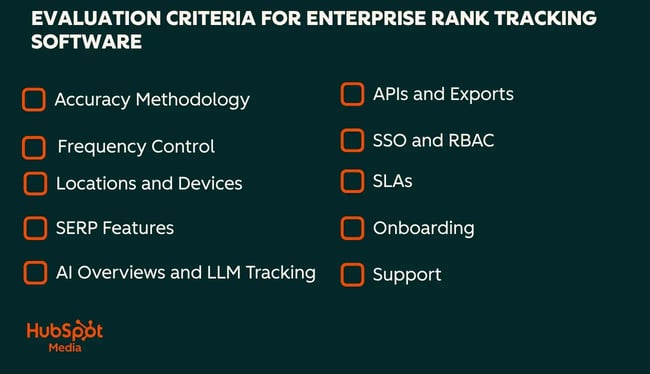
Unlike entry-level tools designed for small businesses, enterprise rank-tracking software must handle extreme data volumes and offer granular controls for governance and security. Industry analysts identify several non-negotiable technical requirements for these systems:
Advanced Accuracy and Localization
Enterprise organizations often operate in hundreds of different markets simultaneously. A platform must provide accuracy at the city, zip code, or even GPS coordinate level. To ensure data integrity, top-tier vendors utilize a combination of residential proxies and dedicated datacenter IPs to simulate real user experiences without triggering search engine bot detection. This methodology allows global brands to see exactly what a user in London sees versus a user in New York or Tokyo.
Real-Time Frequency and Scalability
While daily updates are standard, high-stakes periods—such as product launches, seasonal sales events, or corporate crises—require hourly or on-demand data refreshes. Enterprise software must scale to monitor hundreds of thousands, or even millions, of keywords without performance degradation. This scalability is vital for e-commerce giants that need to track price-sensitive queries across vast product catalogs.
Security and Administrative Governance
For large-scale organizations, data security is paramount. Enterprise-grade tools must support Single Sign-On (SSO) and Role-Based Access Control (RBAC). These features ensure that marketing teams in different regions can only access data relevant to their markets, while senior leadership maintains a global view. Furthermore, comprehensive Audit Logs and Service Level Agreements (SLAs) are required to satisfy corporate legal and IT compliance standards.
The Integration of AI and LLM Tracking
The emergence of AI-driven search represents the most significant shift in search behavior in a generation. Modern enterprise software must now track appearances in AI Overviews and capture prompt-level data from generative search environments.
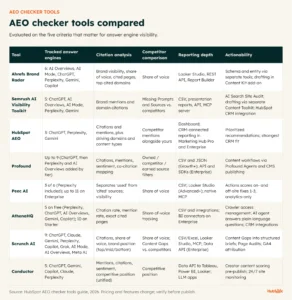
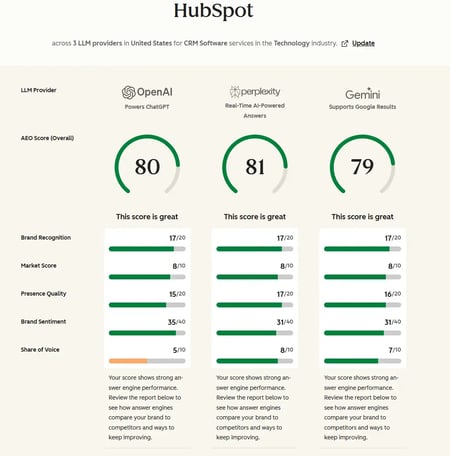
Platforms such as HubSpot’s AEO Grader and specialized tools like Profound have been developed to address this need. These systems evaluate how a brand is characterized by AI models like ChatGPT, Gemini, and Perplexity. They measure "Brand Recognition" and "Sentiment" within AI responses, providing a narrative analysis of how the brand is perceived by the algorithms that now influence millions of purchase decisions.
Industry experts suggest that brands ranking well in traditional search may still be invisible in AI-generated answers if their content is not structured for LLM ingestion. Consequently, enterprise software must now include prompt libraries and historical snapshots of AI responses to track visibility trends over time.
Strategic Market Solutions: Leading Enterprise Platforms
Several platforms have established themselves as leaders in the enterprise search intelligence space, each offering distinct advantages for different organizational needs.
HubSpot Marketing and Content Hubs
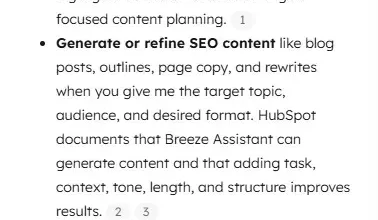
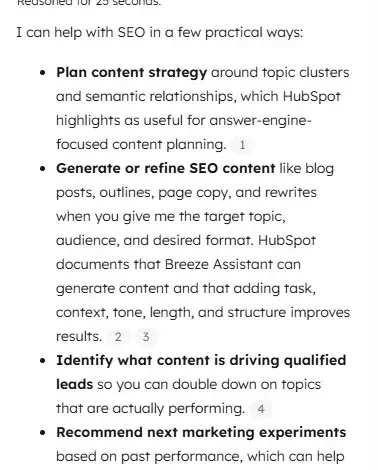
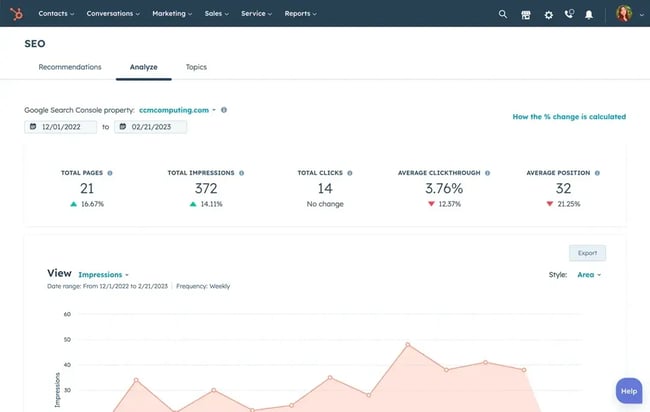
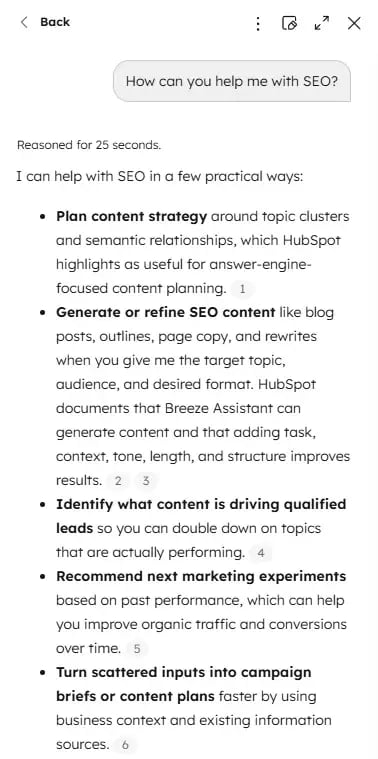
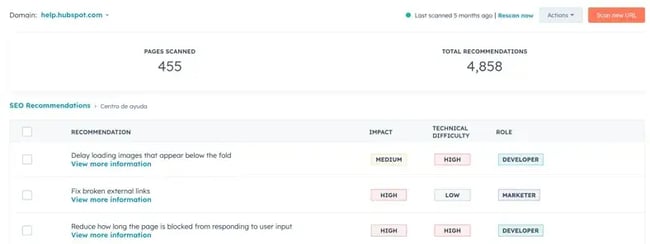
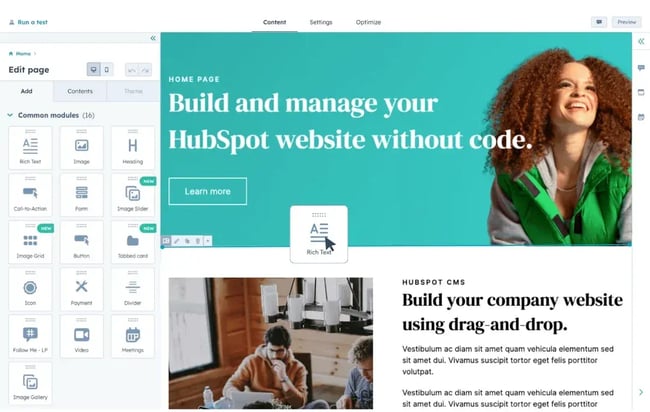
The HubSpot ecosystem is frequently cited for its ability to unify SEO data with the broader CRM environment. For enterprise teams, the primary value proposition is the elimination of data silos. When keyword data and content performance live in the same system as lead attribution and revenue data, organizations can draw a direct line between SEO efforts and business growth. HubSpot’s "Breeze Assistant" and "Content Remix" tools further empower teams to optimize large content libraries using AI-driven recommendations and automated internal linking.
Semrush One
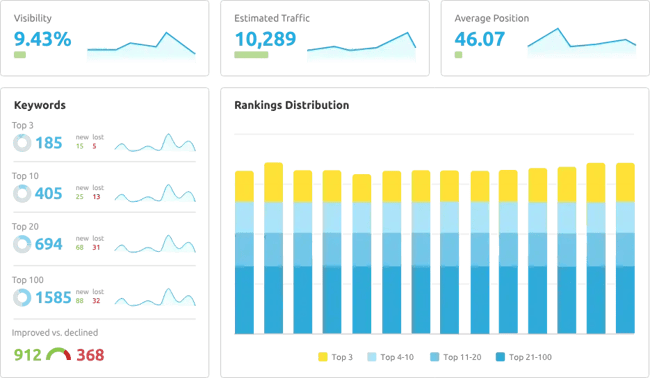
Semrush remains a dominant force due to its extensive historical data and competitive intelligence capabilities. Semrush One integrates traditional rank tracking with an "AI Visibility Toolkit," allowing brands to monitor their share of voice across both traditional SERPs and emerging AI platforms. Its strength lies in its massive keyword database and its ability to provide deep technical audits that are essential for maintaining the health of high-traffic websites.
Profound
Profound represents a new category of "AI-first" visibility platforms. Rather than treating AI as an add-on feature, Profound was built specifically to manage brand narratives across the generative AI ecosystem. It provides specialized tracking for "Citations" and "Brand Authority" across multiple LLMs, offering custom enterprise pricing for organizations that need to monitor their reputation across ten or more different AI engines.
Competitive Intelligence and Share of Voice Analysis
In the enterprise sector, competitor tracking is a sophisticated exercise in market share analysis. It involves several key metrics:
- Share of Voice (SoV): This measures how often a brand appears in search results relative to its competitors across a specific topic cluster. Instead of looking at individual keywords, enterprise teams look at their dominance in broader categories, such as "Cloud Computing" or "Enterprise Security."
- Pixel Position Analysis: Traditional rank (e.g., Position 1) is often misleading if the top of the page is crowded with ads and AI Overviews. Pixel position tracking measures the actual vertical distance from the top of the screen to the brand’s result, providing a true measure of visibility.
- SERP Feature Ownership: Tracking who "owns" the Featured Snippet or the Local Pack for high-intent queries is critical. If a competitor gains a snippet, it often results in a significant drop in traffic for everyone else on the page.
Data Integration and the BI Stack
The ultimate goal of enterprise rank tracking is to turn raw data into actionable insights. This is achieved through robust APIs and native connectors to Business Intelligence (BI) tools like Tableau, Power BI, or Looker.
"The most successful enterprise SEO programs are those where search data is treated as a first-class citizen in the data warehouse," notes a senior SEO director at a Fortune 500 retail firm. By combining rank data with web analytics and sales figures, companies can identify "opportunity gaps"—keywords where they have high visibility but low conversion, or vice versa. This level of analysis allows for more efficient allocation of marketing budgets and more accurate forecasting of organic traffic trends.
Broader Impact and Industry Implications
The shift toward sophisticated enterprise rank tracking has profound implications for the future of digital marketing. As search engines become more fragmented and AI-driven, the "cost of invisibility" continues to rise. Organizations that fail to invest in scalable, accurate, and integrated search intelligence risk losing touch with their customers’ journey.
Furthermore, the rise of GEO and AEO suggests that the skills required for search success are changing. Technical SEO must now be paired with a deep understanding of data science and brand narrative management. The enterprise rank-tracking software of the future will likely become even more predictive, using machine learning to alert teams to potential ranking drops before they occur and recommending content adjustments in real-time to maintain dominance in an increasingly competitive digital arena.
In conclusion, for the modern enterprise, rank-tracking software is no longer an optional utility but a foundational pillar of digital strategy. By selecting platforms that prioritize integration, accuracy, and AI readiness, organizations can ensure that their brand remains visible, authoritative, and profitable in the evolving age of search.