Category Financial Markets
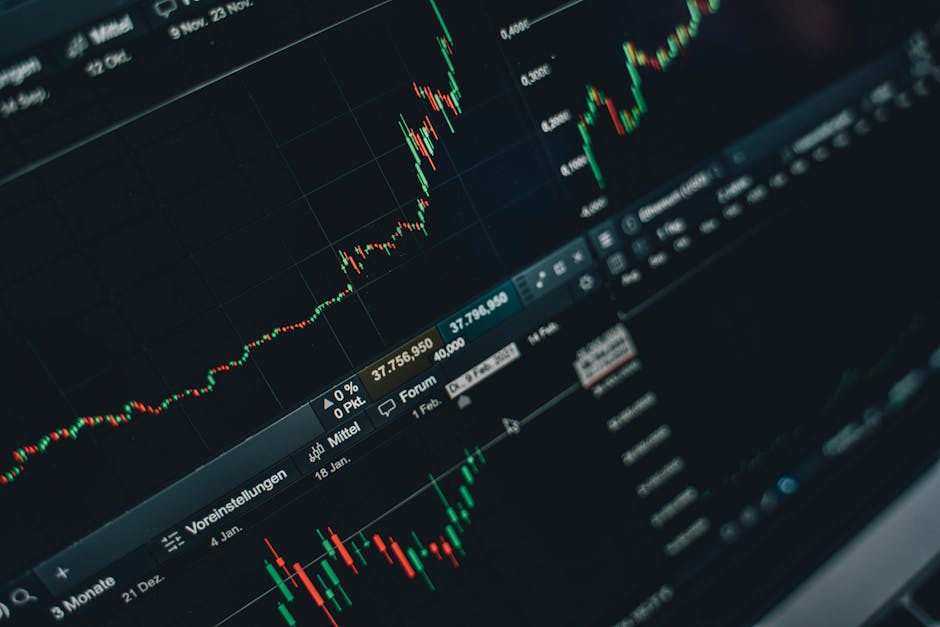
Financial Markets: A Comprehensive Overview of Their Structure, Function, and Impact
Financial markets are dynamic ecosystems where buyers and sellers engage in the trading of financial assets. These markets serve as the bedrock of modern economies, facilitating the flow of capital from savers to borrowers, enabling investment, and promoting economic growth. Understanding their intricate workings is crucial for investors, businesses, policymakers, and the general public alike. The primary function of financial markets is to channel funds from those with surplus capital to those with a deficit, thereby optimizing resource allocation. This intermediary role is vital for economic development, as it allows for the financing of new ventures, expansion of existing businesses, and the acquisition of assets by individuals. Without efficient financial markets, capital would be stagnant, hindering innovation and productivity.
The structure of financial markets can be broadly categorized into primary and secondary markets. Primary markets are where new securities are issued for the first time. This is the realm of initial public offerings (IPOs) for stocks and new bond issuances for debt. Companies and governments raise capital directly from investors in these markets. Investment banks typically underwrite these offerings, ensuring the securities are sold at a predetermined price and providing liquidity. The proceeds from primary market transactions go directly to the issuer, funding their operations, expansion, or debt repayment. Secondary markets, on the other hand, are where previously issued securities are traded among investors. The most familiar examples include stock exchanges like the New York Stock Exchange (NYSE) and Nasdaq, and bond markets. These markets provide liquidity for investors, allowing them to buy or sell their holdings. The price discovery mechanism in secondary markets is a critical function, reflecting the collective sentiment and valuation of underlying assets. This continuous trading helps to establish fair market prices and allows investors to adjust their portfolios based on changing economic conditions and company performance.
Within the broader classification, financial markets are further segmented by the type of asset traded. The equity market, for instance, deals with the trading of stocks, representing ownership in publicly traded companies. The value of stocks fluctuates based on company profitability, industry trends, macroeconomic factors, and investor sentiment. Equity markets are a primary avenue for long-term capital appreciation and dividend income. The debt market, conversely, involves the trading of bonds and other debt instruments. These represent loans made by investors to governments or corporations, who promise to repay the principal amount at maturity along with periodic interest payments. Bonds are generally considered less risky than stocks, offering a more predictable stream of income. The money market is a segment of the debt market that deals with short-term debt instruments with maturities of less than one year, such as Treasury bills, commercial paper, and certificates of deposit. These markets are essential for managing short-term liquidity needs for corporations and governments.
The derivatives market is another significant component, dealing with financial contracts whose value is derived from an underlying asset, such as stocks, bonds, commodities, or currencies. Common derivatives include futures, options, and swaps. These instruments are used for hedging against price fluctuations, speculation, and arbitrage. While they can be complex and carry significant risk, derivatives play a vital role in managing financial risk and increasing market efficiency. The foreign exchange (forex) market, the largest financial market globally, facilitates the trading of different currencies. It is crucial for international trade and investment, allowing businesses to convert currencies for transactions and for investors to speculate on currency movements. The commodity market involves the trading of raw materials like oil, gold, agricultural products, and metals. These markets are influenced by supply and demand dynamics, geopolitical events, and weather patterns.
The functioning of financial markets is governed by several key principles and mechanisms. Price discovery is a paramount function, whereby the continuous interaction of buyers and sellers determines the fair value of assets. This process is driven by information dissemination, market sentiment, and the supply and demand for specific securities. Liquidity refers to the ease with which an asset can be bought or sold in the market without significantly affecting its price. High liquidity is desirable as it reduces transaction costs and allows investors to enter and exit positions quickly. Efficiency, in an economic sense, implies that prices in financial markets reflect all available information. An efficient market is one where it is difficult to consistently earn abnormal returns. Information asymmetry, where one party has more information than another, can lead to market inefficiencies. Regulation plays a crucial role in ensuring the fairness, transparency, and stability of financial markets. Regulatory bodies, such as the Securities and Exchange Commission (SEC) in the United States, establish rules and enforce compliance to protect investors, prevent fraud, and maintain market integrity.
The participants in financial markets are diverse, each with their own objectives and strategies. Individual investors, also known as retail investors, are those who invest their personal savings. Institutional investors, on the other hand, manage large pools of capital on behalf of others. These include pension funds, mutual funds, hedge funds, insurance companies, and endowments. Their trading activities can have a significant impact on market prices due to the sheer volume of capital they deploy. Corporations participate in financial markets both as issuers of securities to raise capital and as investors managing their own surplus funds. Governments issue debt to finance public spending and manage their national economies. Central banks, acting as monetary authorities, influence market conditions through interest rate policies and open market operations, impacting liquidity and credit availability.
The impact of financial markets on the broader economy is profound. They facilitate capital formation, which is essential for economic growth. By channeling savings into productive investments, financial markets enable businesses to expand, create jobs, and develop new technologies. They provide a mechanism for risk management, allowing individuals and businesses to hedge against potential losses. For example, farmers can use futures contracts to lock in prices for their crops, and airlines can hedge against rising fuel costs. Financial markets also play a role in wealth creation. Investors can grow their savings through capital appreciation and dividend income, contributing to individual financial security and broader economic prosperity. Furthermore, well-functioning financial markets can enhance corporate governance. Companies listed on stock exchanges are subject to disclosure requirements and shareholder scrutiny, which can incentivize better management practices and greater accountability.
However, financial markets are not without their risks and challenges. Volatility is an inherent characteristic, with prices capable of fluctuating rapidly due to economic news, geopolitical events, or shifts in investor sentiment. This volatility can lead to significant losses for investors. Market bubbles and crashes, characterized by rapid price increases followed by sharp declines, can have devastating consequences for individuals and the wider economy. The interconnectedness of global financial markets means that crises in one region can quickly spread to others, highlighting the importance of international cooperation and regulatory coordination. Information asymmetry and insider trading can distort market prices and erode investor confidence. The complexity of some financial instruments, particularly derivatives, can make them difficult to understand and manage, increasing the potential for unexpected losses.
Technological advancements have dramatically reshaped financial markets. Electronic trading platforms have increased speed and efficiency, while algorithmic trading and high-frequency trading strategies have become prevalent. The rise of fintech (financial technology) has introduced new players and innovative products, further transforming the landscape. Cryptocurrencies and decentralized finance (DeFi) represent emerging frontiers, challenging traditional financial market structures and offering new avenues for investment and transactions, albeit with their own unique set of risks and regulatory considerations. The increasing use of data analytics and artificial intelligence is also influencing trading strategies and risk management practices.
The regulatory framework governing financial markets is constantly evolving to address new challenges and ensure market stability. International bodies and national regulators work to establish standards for transparency, disclosure, and fair dealing. Key regulatory objectives include investor protection, market integrity, and systemic risk mitigation. The debate over the optimal level of regulation continues, with proponents arguing for strong oversight to prevent crises and critics warning of potential stifling of innovation and economic growth. The effectiveness of regulation often hinges on its adaptability to changing market dynamics and its ability to address emerging risks.
In conclusion, financial markets are indispensable components of the global economy. They are complex, multifaceted entities that facilitate the flow of capital, enable investment, and manage risk. Their structure, participants, and functions are interconnected, with their performance having a direct and significant impact on economic growth, individual wealth, and societal well-being. A thorough understanding of their mechanics, risks, and the regulatory environment is essential for navigating the intricate world of finance and for fostering a stable and prosperous economic future. The ongoing evolution of technology and market practices necessitates continuous adaptation and robust oversight to ensure these vital markets continue to serve their intended purpose effectively and equitably.
