Plane Recyclers Bet On Parts Boom
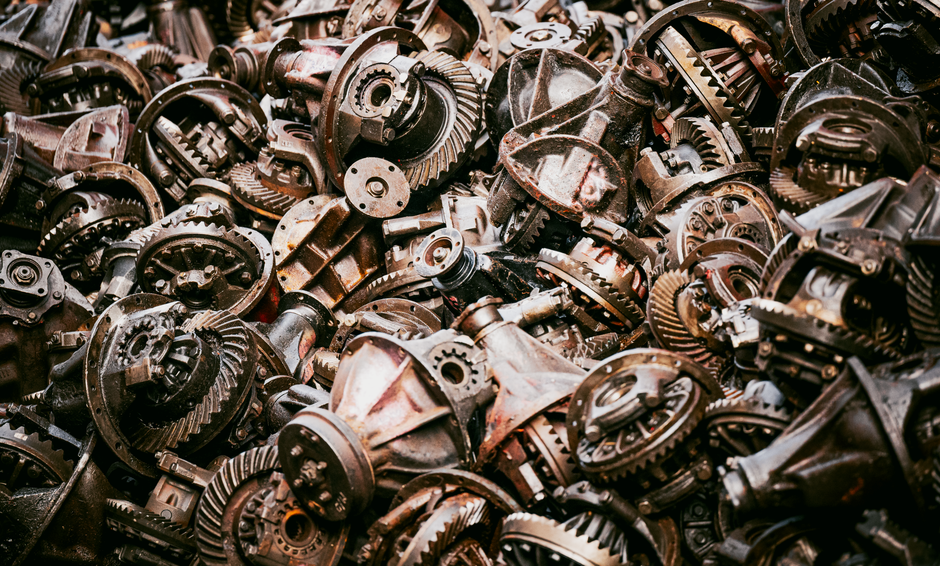
Plane Recyclers Bet on Parts Boom as Aviation Faces a New Era of Sustainability
The aviation industry, long a symbol of global connectivity and technological advancement, is undergoing a profound transformation driven by environmental pressures and economic realities. As airlines grapple with increasingly stringent emissions regulations, rising fuel costs, and the impending retirement of aging fleets, a burgeoning sector of “plane recyclers” is positioning itself to capitalize on a significant and growing demand for aircraft parts. This is not merely about dismantling retired airliners; it’s a sophisticated industrial process focused on salvaging, certifying, and remarketing high-value components, creating a circular economy within aviation and offering a crucial lifeline for airlines seeking cost-effective and sustainable solutions. The gamble by these recyclers, often referred to as Aircraft Disassembly and Parts Reclamation (ADPR) specialists, is that the sheer volume of aircraft slated for retirement in the coming years will trigger an unprecedented boom in the market for used, but serviceable, aircraft parts.
The impetus for this burgeoning industry is multi-faceted. Foremost is the global commitment to reducing carbon emissions. The International Civil Aviation Organization (ICAO) has set ambitious targets for carbon neutrality in aviation by 2050, prompting airlines to retire older, less fuel-efficient aircraft. The COVID-19 pandemic further accelerated this trend, as airlines grounded vast portions of their fleets, leading to accelerated retirements of older models and a surge in the number of aircraft requiring disposal. This confluence of factors has created a substantial inventory of retired aircraft, particularly narrow-body jets like the Boeing 737 and Airbus A320 families, which represent the backbone of global air travel. These aircraft, while no longer commercially viable in their entirety, contain a treasure trove of valuable components – engines, landing gear, avionics, airframes, and interior fittings – that can be salvaged and put back into service.
Plane recyclers operate at the nexus of aerospace engineering, logistics, and financial markets. Their business model hinges on acquiring retired aircraft, often at a lower cost than selling them for scrap metal, and then meticulously disassembling them. This process is far more intricate than a typical automotive scrap yard. Each component is identified, assessed for its airworthiness, and then, if salvageable, certified by aviation authorities. This certification process is critical, as it ensures that the re-marketed parts meet the same stringent safety and performance standards as new components. The value proposition for airlines is compelling: purchasing a certified used part can be significantly cheaper than buying a new one, often saving airlines between 30% and 70% of the cost of a new part. This cost saving is particularly attractive for airlines operating in price-sensitive markets or those with tight maintenance budgets.
The market for used aircraft parts is not new, but the scale and sophistication are rapidly evolving. Historically, parts reclamation was often a fragmented and somewhat informal activity. However, as the industry matures, specialized companies are emerging, investing in state-of-the-art facilities, advanced inventory management systems, and robust quality control procedures. These companies are transforming aircraft recycling from a rudimentary dismantling process into a highly technical and regulated industry. They are developing specialized tools and techniques for component removal, testing, and refurbishment. For instance, engines, which are often the most valuable components of an aircraft, can be repaired, overhauled, and recertified for further service life, significantly extending their operational lifespan and reducing the need for new engine manufacturing.
The economic rationale for betting on this parts boom is clear. The global aviation aftermarket for parts and services is already a multi-billion dollar industry, and it is projected to grow substantially in the coming years. Airlines are under constant pressure to reduce operating costs, and the procurement of maintenance, repair, and overhaul (MRO) services, including the purchase of parts, represents a significant portion of their expenditure. The availability of a reliable supply of certified used parts offers a powerful lever for cost management. Furthermore, as newer aircraft models enter service, the demand for parts for older, but still operational, aircraft continues. This creates a sustained demand for parts that can extend the life of these aircraft, allowing airlines to optimize their fleet utilization and defer the capital expenditure associated with purchasing new aircraft.
Beyond the immediate economic benefits, the environmental implications of plane recycling are increasingly driving the industry forward. The concept of a circular economy, where materials are reused and recycled to minimize waste and resource depletion, is gaining traction in aviation. By salvaging and re-using aircraft parts, recyclers are contributing to a more sustainable aviation ecosystem. This reduces the demand for new raw materials, such as aluminum, titanium, and composites, which are energy-intensive to produce. It also diverts a significant amount of material from landfills, which would otherwise contribute to environmental pollution. The "green" aspect of aircraft recycling is becoming a significant differentiator, appealing to airlines that are keen to demonstrate their commitment to environmental responsibility. This is particularly relevant in the context of increasing public scrutiny and passenger demand for more sustainable travel options.
The logistical challenges associated with plane recycling are substantial. Aircraft are large, complex machines, and their disassembly requires specialized expertise and infrastructure. Recyclers need to secure contracts for retired aircraft, often involving complex negotiations with airlines and leasing companies. They must then transport these aircraft to their disassembly sites, which can be located across the globe. The disassembly process itself requires a skilled workforce trained in aviation maintenance and safety protocols. Once parts are salvaged, they need to be meticulously cataloged, stored, and then marketed to potential buyers worldwide. This requires a sophisticated inventory management system and a global sales and distribution network. The ability to efficiently manage these complex logistics is a key differentiator for successful plane recyclers.
The regulatory landscape is another crucial factor shaping the plane recycling industry. Aviation is one of the most heavily regulated industries in the world, and this extends to the parts reclamation sector. Aviation authorities, such as the Federal Aviation Administration (FAA) in the United States and the European Union Aviation Safety Agency (EASA), have strict rules governing the certification and traceability of aircraft parts. Recyclers must comply with these regulations, which include meticulous record-keeping, rigorous testing procedures, and adherence to airworthiness directives. The ability to navigate this complex regulatory environment and maintain the highest standards of quality and safety is paramount for building trust and credibility in the market. Companies that can consistently deliver certified, reliable parts are well-positioned for success.
The types of aircraft being retired also influence the market dynamics. While the bulk of current retirements are focused on narrow-body aircraft like the Boeing 737 and Airbus A320 families, the impending retirement of older wide-body jets, such as the Boeing 747 and Airbus A380, will open up new opportunities for parts reclamation. These larger aircraft contain even more valuable and specialized components, including high-thrust engines and complex cabin systems. The demand for these parts may be more niche, but their value per unit can be significantly higher. The ability of recyclers to adapt their capabilities to handle different aircraft types and their specific component requirements will be critical for their long-term growth.
The economic climate plays a significant role in the demand for used aircraft parts. During economic downturns, airlines often extend the life of their existing fleets rather than investing in new aircraft. This increased operational lifespan directly translates into a higher demand for maintenance and replacement parts, including certified used components. Conversely, during periods of strong economic growth, airlines may accelerate fleet modernization, leading to a potential surge in aircraft retirements and thus an increased supply of parts for recyclers. The current economic uncertainty and inflationary pressures are likely to further bolster the demand for cost-effective used parts.
The future of plane recyclers hinges on their ability to scale their operations, maintain rigorous quality control, and adapt to the evolving needs of the aviation industry. Investment in advanced technologies, such as artificial intelligence for parts identification and predictive maintenance analysis, will become increasingly important. The development of robust global supply chains and efficient logistics networks will be crucial for meeting the demand from airlines worldwide. Furthermore, fostering strong relationships with airlines, manufacturers, and regulatory bodies will be key to navigating the complexities of this dynamic industry. The bet by plane recyclers on the parts boom is not just a financial gamble; it is an investment in the sustainability and economic viability of aviation in the 21st century.
