The Art and Science of Effective Sales Onboarding: Building a Foundation for Employee Retention and Peak Performance

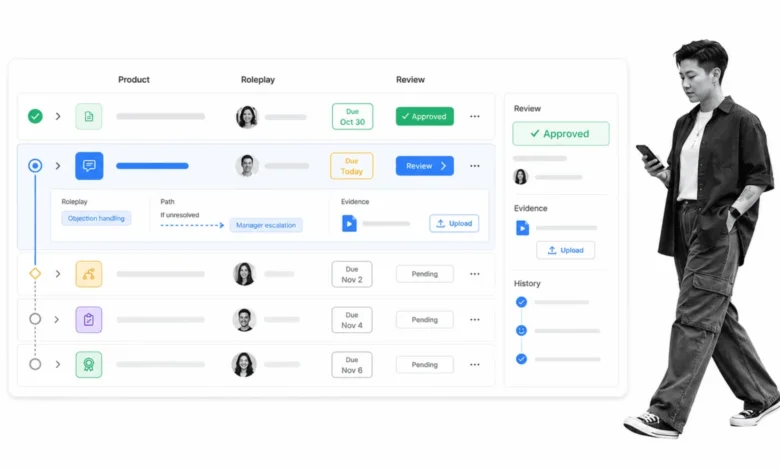
Sales onboarding is the critical, structured process that transforms newly hired individuals into confident, productive, and high-performing sales representatives. It meticulously integrates essential product knowledge, refined sales techniques, supervised practical application, dedicated managerial coaching, and rigorous readiness assessments. The ultimate goal is to ensure every new hire possesses a clear understanding of their responsibilities and can demonstrably prove their preparedness for the role. A robust sales onboarding strategy is paramount for fostering employee retention, effectively replacing early-stage ambiguity with comprehensive support, clearly defined standards, and visible progress markers. This article delves into the multifaceted nature of sales onboarding, exploring its benefits, key components, and best practices, supported by insights from industry leaders and practical template frameworks.
Defining Sales Onboarding: More Than Just an Introduction
Sales onboarding, at its core, is a specialized segment of the broader employee onboarding process, specifically designed to equip a new sales representative for the unique demands of their role. This comprehensive preparation commences even before the first official day, establishing role clarity, ensuring necessary access, providing an initial schedule, and designating a primary point of contact. The journey then progresses through an immersive understanding of the company’s context, in-depth product and market knowledge, mastery of sales methodologies, proficiency with essential tools, ample opportunities for practice, constructive feedback loops, and ultimately, certification of readiness.
Onboarding, in its entirety, serves as the formal introduction of a new employee into an organization’s ecosystem. It encompasses familiarizing the individual with company-specific customs, deeply ingrained values, and the prevailing culture, while simultaneously delivering effective training essential for their success. Within the specific domain of sales, this process is tailored to integrate new representatives into the team and cultivate them into the next generation of sales leaders.

The presence of a strong résumé, while indicative of potential, does not negate the necessity of a structured onboarding program. Recruitment ascertains a candidate’s potential for success; onboarding, however, actively cultivates the environment wherein that potential can be consistently translated into tangible performance within the company. A salesperson might possess a general understanding of concepts like discovery or negotiation, but they still require specific instruction on the company’s unique buyer personas, value proposition positioning, qualification criteria, internal handoff procedures, evidence requirements, and the established standards for effective customer interactions.
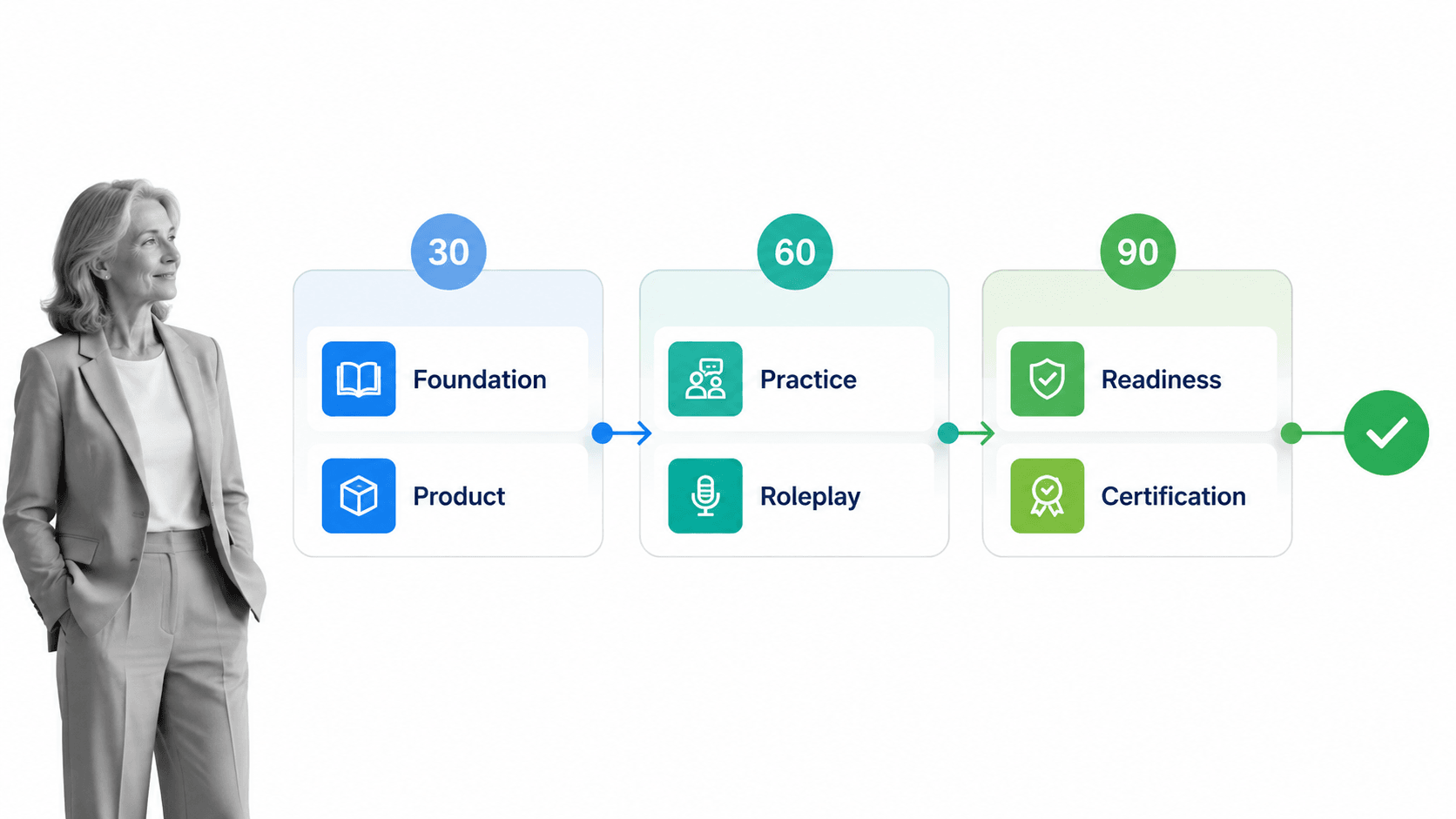
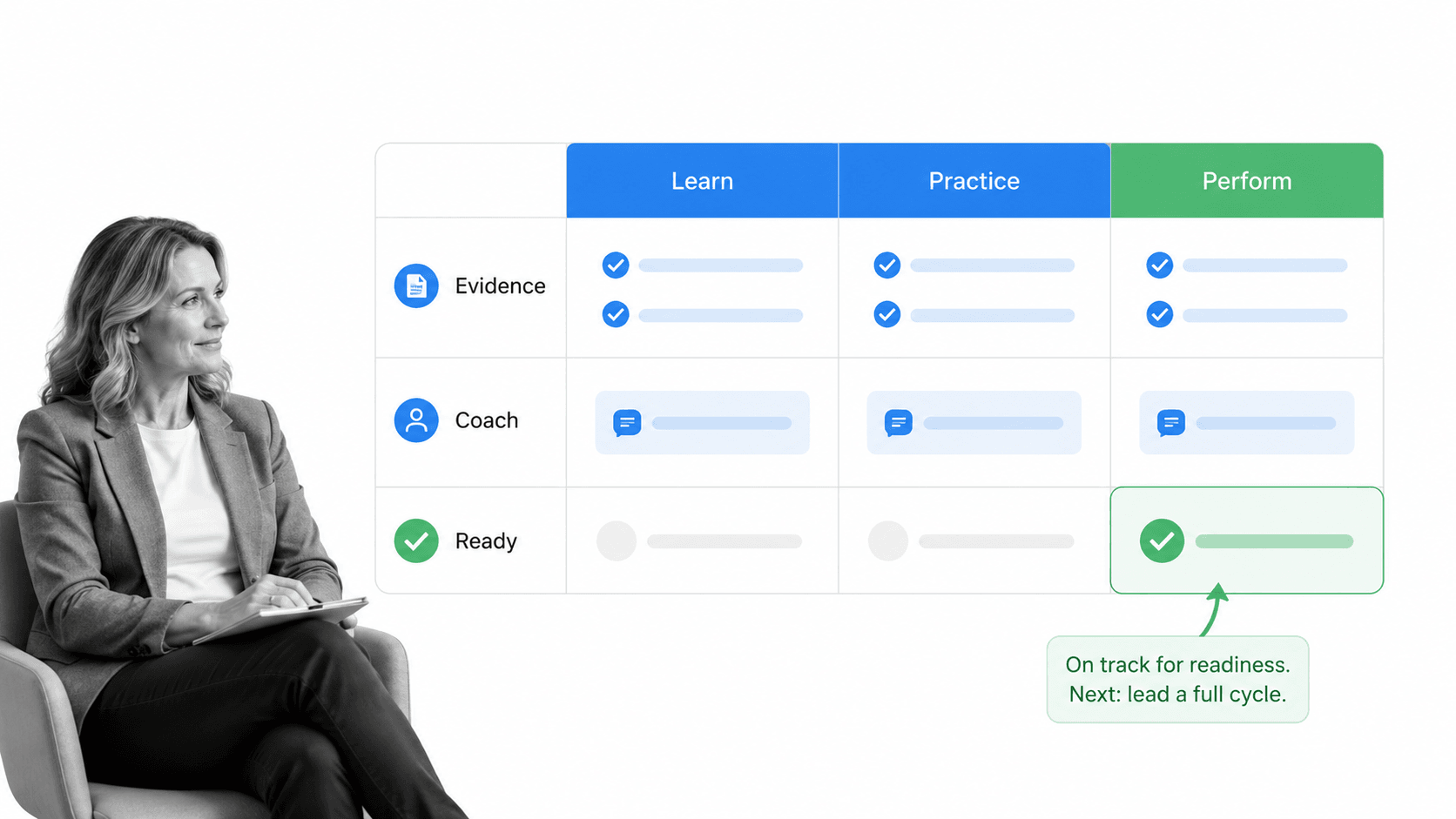
The most effective sales onboarding programs prioritize the development of observable capabilities over the mere dissemination of information. A new representative should have a clear understanding of what constitutes success at each phase of their development, know who can provide assistance, identify the required practice activities, and understand what evidence demonstrates their readiness to progress. This often translates into a structured 30-60-90-day framework, meticulously designed to demarcate phases of learning and application.
This structured approach simplifies the management of the onboarding process by distinctively separating exposure to information from the development of practical capability. For instance, observing a product demonstration is considered exposure, while successfully delivering a clear product explanation during a role-play exercise constitutes capability. Similarly, reading a qualification framework is exposure, whereas applying it to a live opportunity and documenting the resulting evidence signifies capability.
The Profound Benefits of an Effective Sales Onboarding Process
Sales onboarding represents a strategic investment in cultivating an environment where employees are not only equipped to succeed but are also motivated to remain with the organization. Just as a healthy plant requires optimal soil, light, water, and consistent care to flourish, a new salesperson, despite possessing raw talent, depends on the surrounding environment to nurture and develop their abilities.
Even when hiring candidates with the requisite skills and experience, a deficient onboarding process can lead to the erosion of that talent. The analogy of a plant withering due to neglect effectively illustrates the potential loss of promising individuals. Talent must be actively nurtured to reach its full bloom. Carefully planned and precisely tailored onboarding processes provide this essential care by integrating clear expectations, readily available resources, practical application, ongoing support, and timely feedback.
One of the primary benefits of a well-executed onboarding program is the establishment of clarity. New hires are typically confronted with an overwhelming volume of information, encompassing product capabilities, buyer needs, competitive landscapes, sales stages, messaging strategies, technological systems, company policies, internal relationships, and performance expectations. A sequenced onboarding plan illuminates what is immediately important, what will be addressed later, and where the definitive source of truth can be accessed. This proactive approach significantly reduces the likelihood of new hires relying on outdated documents, copied-and-pasted messages, or informal advice from colleagues.
Another critical advantage is managerial consistency. Without a standardized onboarding process, the quality of a new representative’s ramp-up period can heavily depend on the individual manager’s habits, knowledge, and available time. A controlled workflow ensures that all new hires receive the same core assignments, practice opportunities, evidence collection, and review points, while still allowing for personalized coaching tailored to the individual’s specific role and prior experience.
Furthermore, effective onboarding facilitates earlier feedback. Delaying the identification of knowledge gaps until a sales target is missed can prove to be an expensive oversight. Through role-playing exercises, call reviews, written assignments, and managerial checkpoints, potential issues are surfaced and addressed while they are still easily correctable. If a representative can articulate product features but struggles to uncover a prospect’s underlying business impact, a manager can provide targeted coaching on discovery techniques before the problem affects the live sales pipeline.
The fourth key benefit is measurable readiness. Simply completing tasks is an insufficient indicator of preparedness. Strong sales onboarding metrics establish a direct correlation between activities and desired outcomes. Key performance indicators for effective onboarding include time to productivity, employee retention rates, engagement levels, and overall performance. For sales roles, this can be quantified through metrics such as time to generate the first qualified opportunity, scores on role-play assessments, call quality evaluations, CRM data accuracy, sales stage progression, managerial certification of skills, and the quality of early-stage pipeline development.
These metrics should serve as guides for strategic decision-making rather than as punitive measures for typical learning curves. A readiness dashboard is most valuable when it empowers managers to address practical questions, such as: "Which team members require additional product practice?" "Which objection is being encountered most frequently?" "Where is a critical handoff process failing?" or "Which training task is most predictive of successful live customer calls?" The overarching objective is to direct support and resources toward the development of the next essential capability.
Finally, exceptional onboarding significantly strengthens the bond between the sales representative and the organization. It clearly communicates that expectations are transparent and that professional development is a shared responsibility. Employees gain a clear understanding of decision-making processes, how their contributions align with organizational goals, and where to voice concerns. This sense of structure and belonging forms the bedrock of sustained employee retention.
Integrating Essential Sales Skills into the Onboarding Framework
Sales skills should be imparted as observable behaviors within realistic work scenarios, rather than as abstract theoretical concepts. While the specific competency model will naturally vary based on the role, market segment, and sales motion, most onboarding programs must address the following critical areas:
- Product Knowledge: Sales representatives must possess a deep understanding of precisely what they are selling. Product training should equip them with the knowledge to articulate both the product’s advantages and its limitations in relation to customer needs.
- Strategic Prospecting: Prospecting is the foundational step in the sales process, involving the identification of potential customers. Sales teams must provide representatives with the requisite prospecting knowledge and skills, followed by an evaluation of how they apply this preparation to specific target accounts.
- Active Listening and Qualification: Active listening involves focused attention and the formulation of insightful follow-up questions. Qualification questioning extends this discipline, requiring representatives to ask the precise questions needed to understand a prospect’s needs, identify key stakeholders, ascertain the significance of the problem, and anticipate potential obstacles to action.
- Time Management: The ability to effectively sort through leads, prioritize the most promising opportunities, and allocate dedicated time for preparation and follow-up is equally crucial.
- Buyer-Seller Agreement: Establishing verbal agreements at the outset of the sales process helps prospects feel comfortable and informed about the upcoming steps.
- Demonstration Skills: Demo skills require a blend of product understanding and customer context. A demonstration should effectively illustrate how the product or service addresses a prospect’s specific needs without overwhelming them with excessive features.
- Post-Sale Relationship Management: The onboarding process should also encompass the crucial aspect of post-sale relationship management. Maintaining appreciation, courtesy, and reliability after a sale is made is vital, particularly when responsibilities are handed over to implementation or customer success teams.
For some sales representatives, skills like active listening may come naturally. For others, these abilities may require explicit instruction. It is imperative that training curricula cover these essential skills if they are found to be lacking in new hires.
A practical training plan should link each competency to a specific activity and a clear readiness signal. Product fluency might necessitate a "teach-back" exercise, where the new hire explains the product to others. Discovery skills could require two recorded role-play sessions scored against a predefined rubric. Qualification might involve a manager reviewing the representative’s documented evidence for a sample opportunity. This approach provides both the learner and the manager with a more equitable basis for determining the next steps in the development process.
Emerging technologies, such as built-in AI, can offer valuable support in preparation and coaching by summarizing approved materials, generating practice questions, or identifying potential gaps during call reviews. However, AI’s role should remain bounded by trusted content and human judgment. The ultimate decision regarding whether evidence is sufficient and whether a representative is ready for increased responsibility still rests with the manager.
Case Studies: Benchmarking Excellence in Sales Onboarding Programs
While sales onboarding programs need not be identical across all organizations, the most effective examples consistently reveal recurring design principles: fostering understanding, connecting work to meaningful outcomes, integrating training with hands-on participation, and making company culture palpable through observable actions.

Quora’s Mentorship-Driven Onboarding
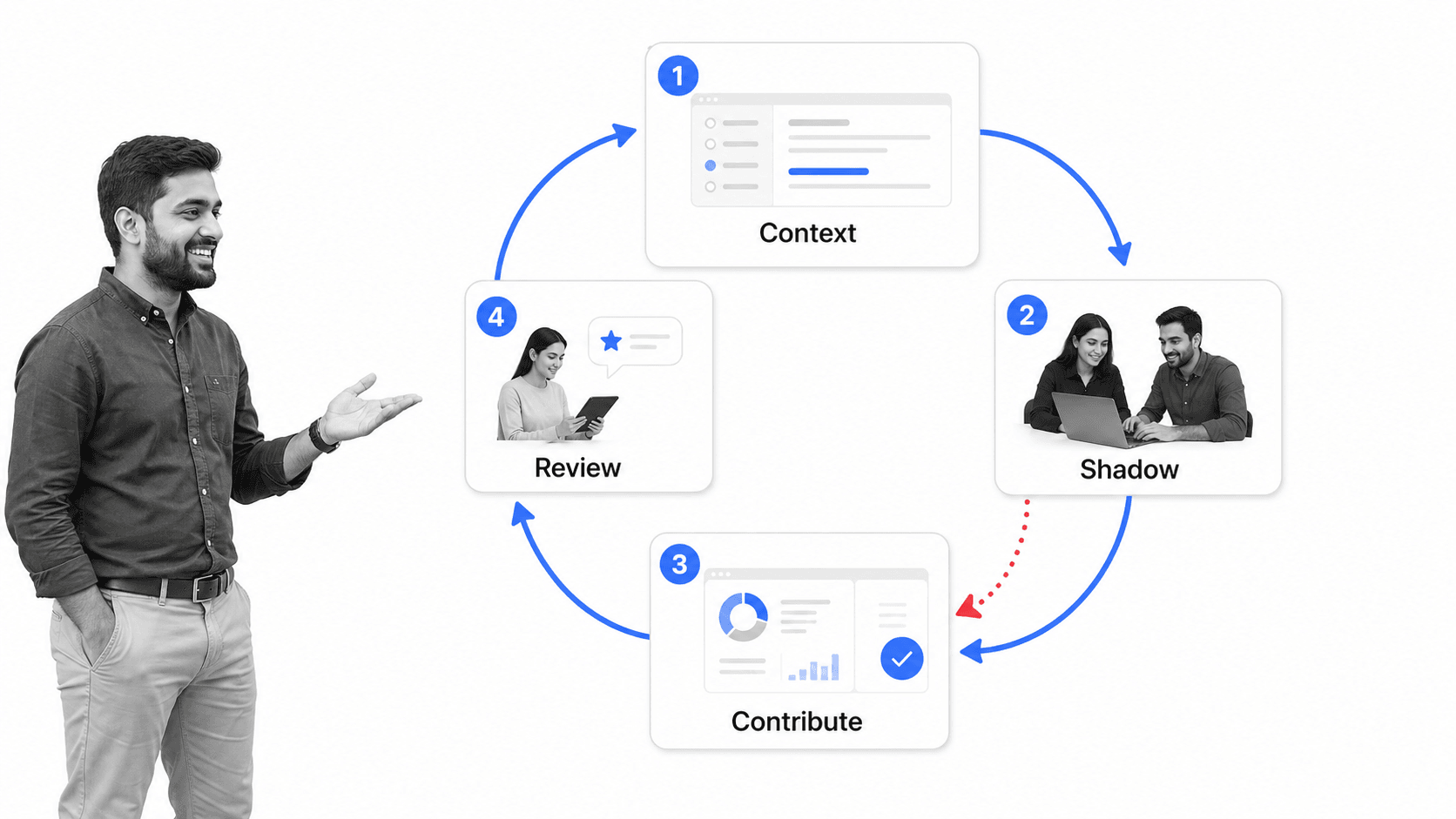
Quora has distinguished itself with an onboarding approach that pairs new employees with a mentor and assigns them meaningful work early in their tenure. This principle is highly applicable to sales teams: provide comprehensive context, allow the new hire to observe experienced colleagues, and then create a defined contribution that holds genuine significance. A sales representative might begin by researching a specific account, formulating discovery questions, or taking ownership of a portion of a role-play scenario before graduating to full customer conversations.
New hires at Quora are assigned a dedicated mentor and are prioritized in the onboarding process. Teaching is highly valued, with onboarding sessions dedicated to explaining the fundamental principles of success, key concepts, and the essential tools employees need. The program imbues learning with purpose by linking it directly to actionable work. Quora’s methodology treats onboarding as a strategic means to guide new employees toward the objectives the team deems most critical.
Early contribution does not equate to an unprepared plunge into complex tasks. The mentor establishes a feedback loop around the assigned work, enabling the new hire to observe the thought processes of seasoned colleagues, attempt the task, receive specific critique, and subsequently improve. This approach makes the initial weeks participatory without compromising the customer experience.
Zappos’ Culture-Centric Immersion
Zappos is widely recognized for its culture-led onboarding model. Historically, new employees participated in a shared training experience that heavily emphasized company values and customer service before they were fully integrated into their specific roles. For sales organizations, the transferable lesson is that culture should be embodied in the activities employees perform, not merely presented in a welcome presentation.
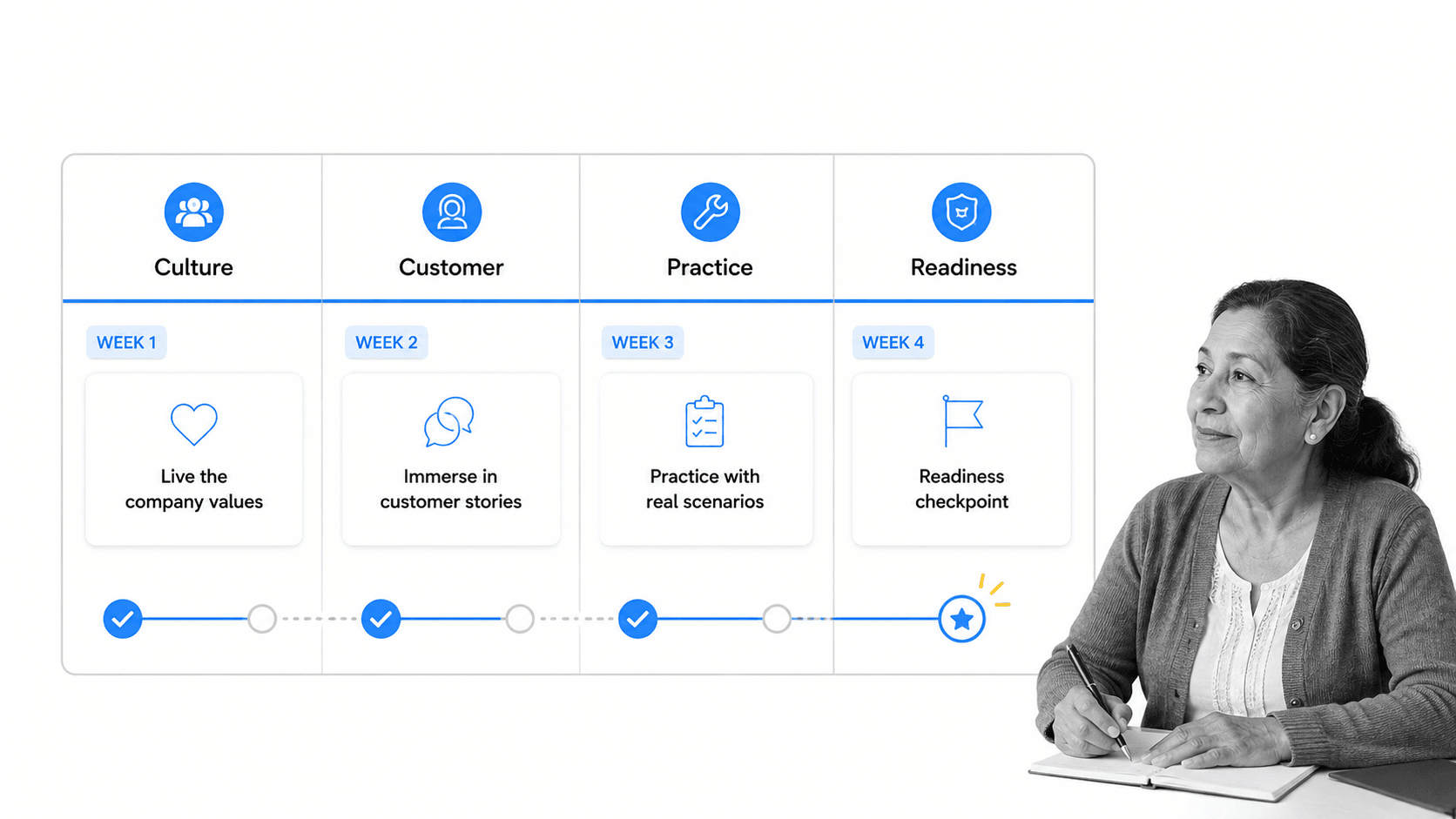
The company’s historical program spanned four weeks and placed significant emphasis on maintaining the company’s unique culture, fostering interpersonal connections, and supporting effective communication. New hires were trained on practices that formed an integral part of Zappos’ identity. Core values were not simply listed but were delivered during training sessions where the historical context behind those values was explained, fostering a shared understanding rather than rote memorization.
A period of culture and customer immersion can include listening to customer support calls, reviewing customer success stories, shadowing colleagues from cross-functional departments, and practicing how company values inform decisions in challenging situations. This ensures that new representatives not only understand the message they are expected to deliver but also the underlying operational behaviors that support that message.
Google’s Managerial Preparation Framework
Google’s innovative approach focused on the manager’s role, testing a simple intervention: before a new hire commenced, the manager received a concise checklist covering practical preparations. This included defining the role, arranging for a buddy, scheduling early introductory conversations, preparing necessary resources, and extending a personal welcome. The reported outcome, detailed in an analysis of onboarding processes, indicated that new hires reached a state of effectiveness 25% faster when managers diligently completed this checklist.
Just one day prior to the new hire’s start date, the manager received an email outlining five essential tasks requiring attention. These tasks often included facilitating the new hire’s integration into the company’s social network and assigning a peer buddy. Google also employed a hands-on educational methodology where new hires could actively engage with tasks and learn through practical experience, with company culture and values reinforced through the daily working environment.
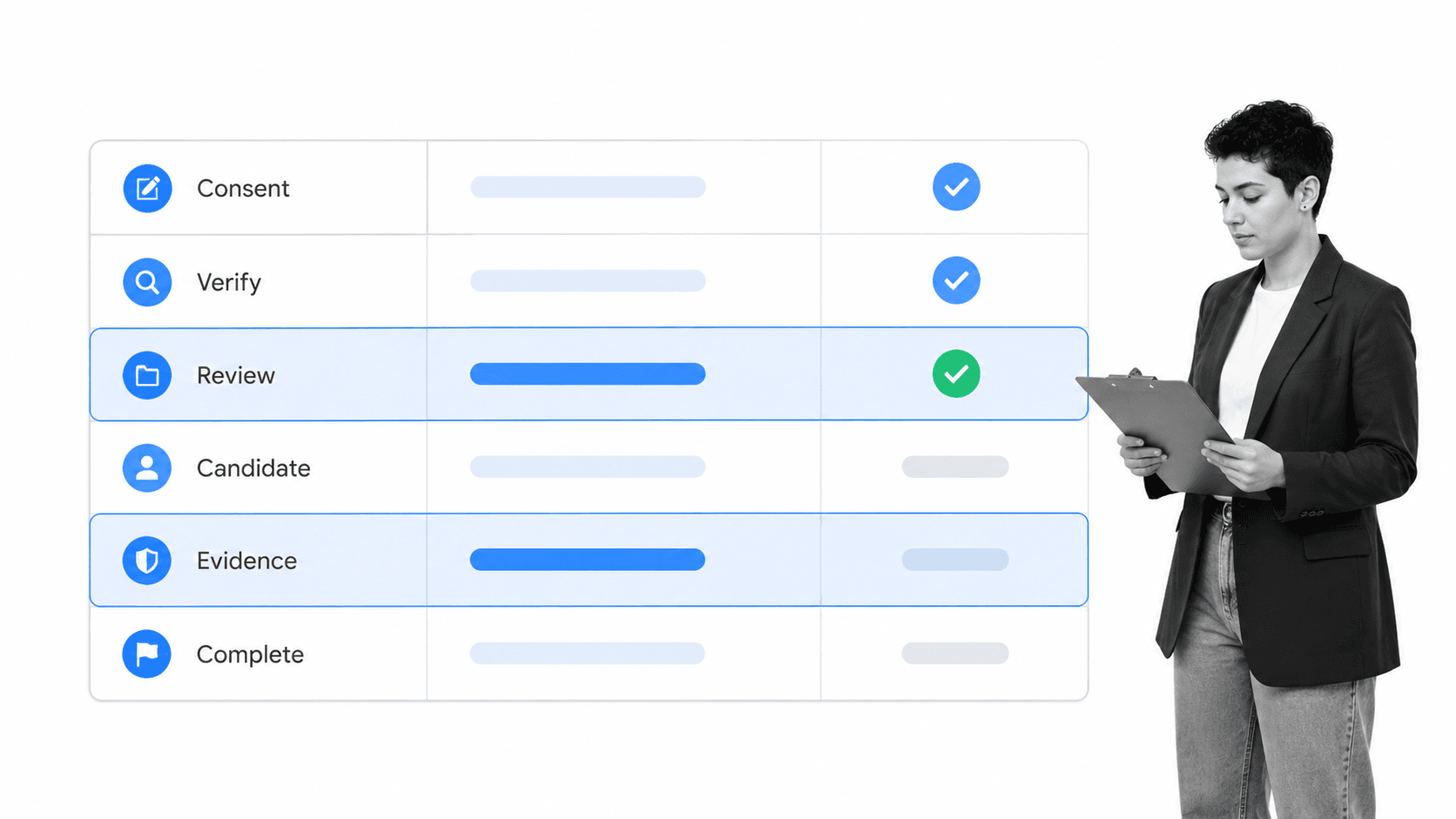
The crucial takeaway from this initiative is not that every onboarding challenge can be resolved with a handful of tasks. Rather, it underscores the profound importance of manager preparation before the employee’s arrival. Sales managers should be equipped from day one with a clear development roadmap, dedicated coaching time, assigned partners, functional system access, and an initial practice schedule. This allows the new representative to dedicate their energy to learning rather than navigating logistical hurdles.
Across these diverse examples, four core ideas consistently emerge: provide sufficient context for employees to understand the organization, clearly link their roles to meaningful outcomes, blend formal instruction with supervised practical application, and express company culture through the actual execution of work. These principles can be effectively operationalized through robust templated processes.
Leveraging Process Street for Comprehensive Sales Onboarding
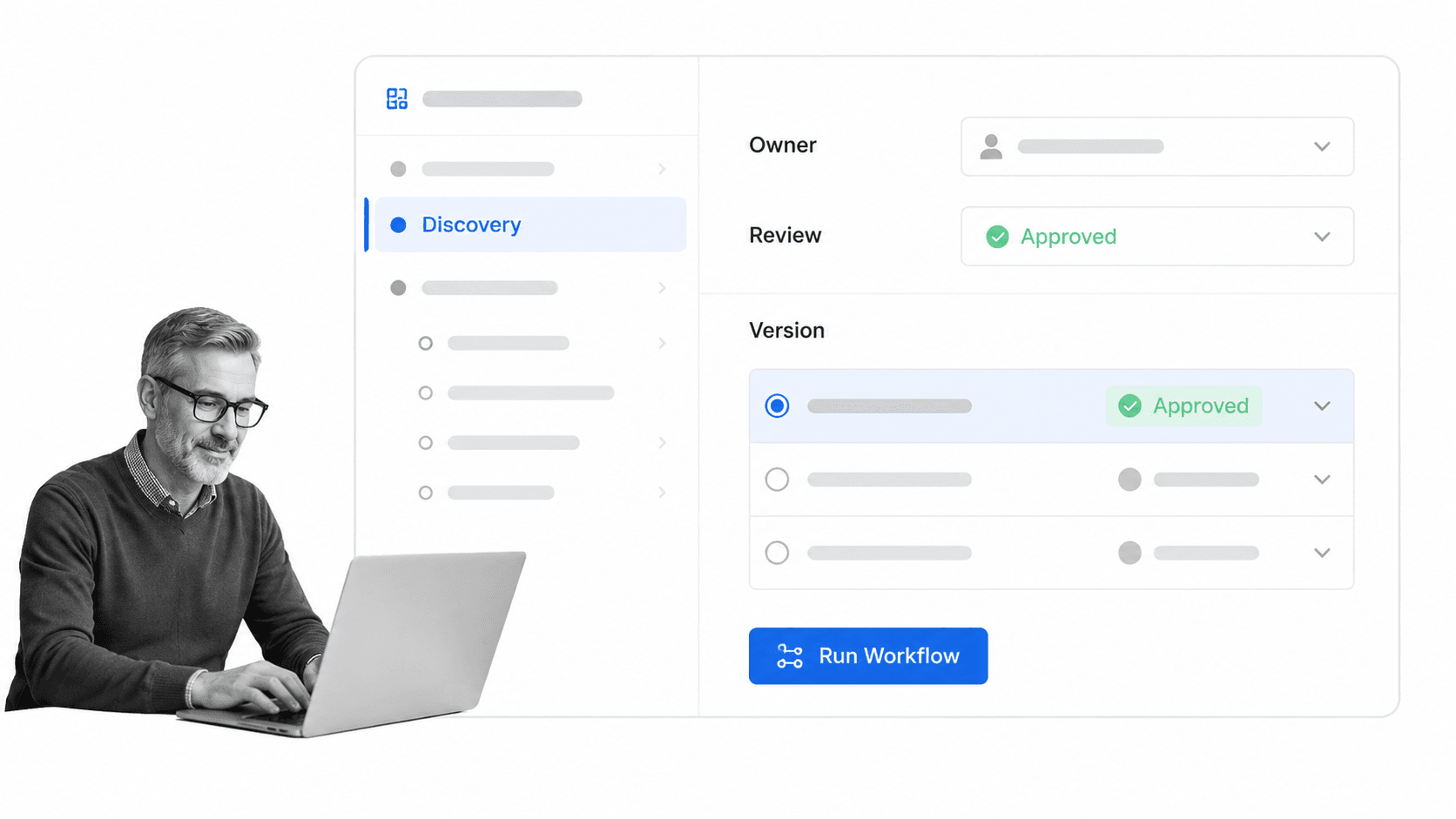
Process Street offers a Compliance Operations Platform designed to centralize governed process knowledge and controlled execution. Its "Docs" feature provides a dedicated space for creating and maintaining approved sales playbooks, policies, and operating procedures, complete with defined ownership, review cycles, approval workflows, and version history. The "Ops" component transforms these instructions into dynamic workflows, incorporating assignments, due dates, mandatory fields, conditional logic, approvals, integrations, and a detailed audit trail of all actions taken.
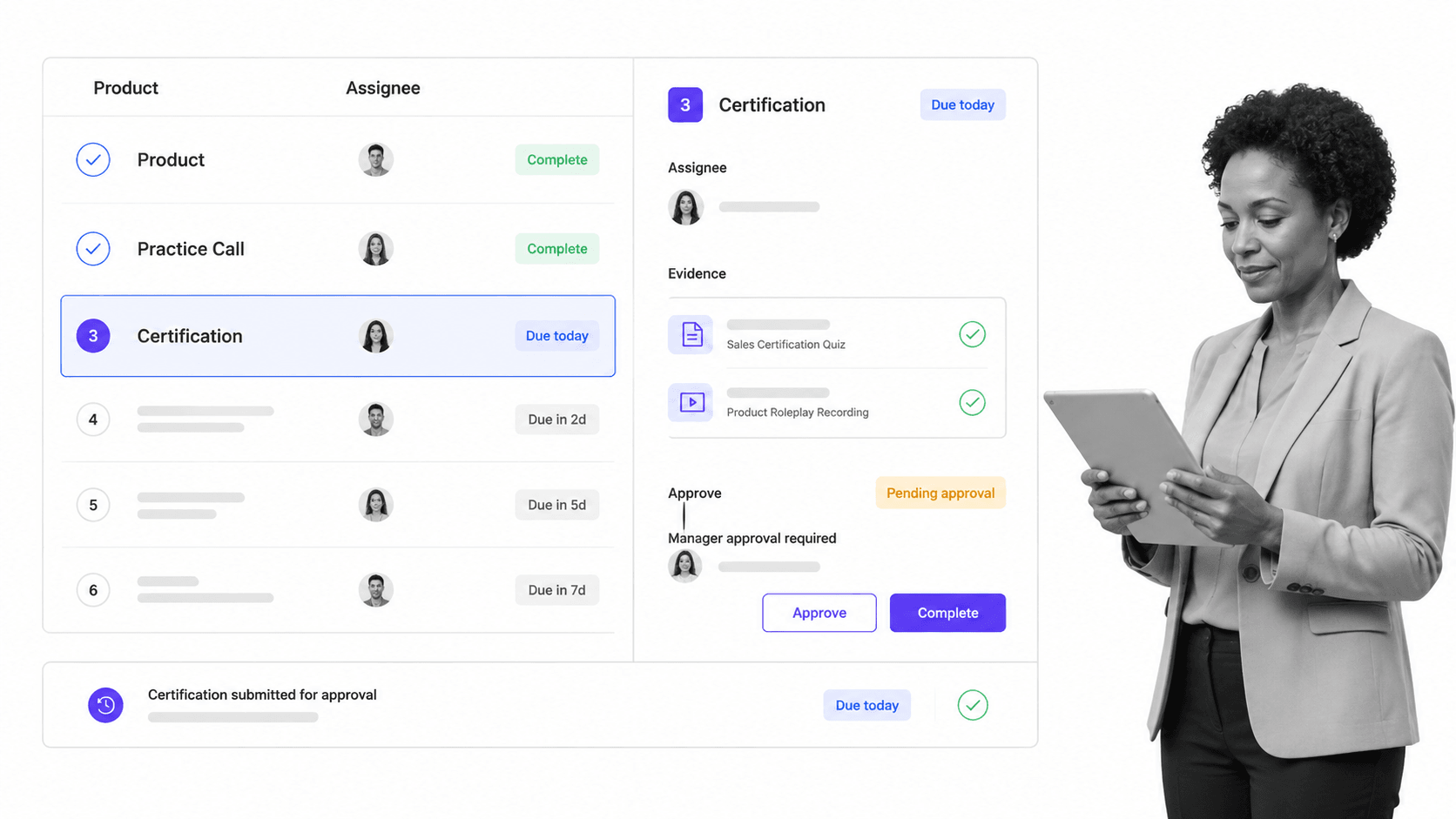
For sales onboarding, this translates into a system where a central playbook serves as the governed source of truth, while onboarding workflows guide each representative through their required tasks. Built-in "Assignments" clearly delineate ownership. Required evidence fields confirm that practice activities have been completed. Conditional logic dynamically adjusts the workflow path based on the individual’s role or responses. "Approvals" empower managers to make definitive readiness decisions, replacing informal assumptions with documented verification.
Integrated AI capabilities can assist with specific tasks, such as generating practice questions from approved content, summarizing submitted evidence, or suggesting coaching focuses. However, human oversight remains a critical component of the operational model. Managers can review source evidence, refine AI suggestions, approve actions, and maintain an auditable record of all decisions.
The ultimate outcome is a sales onboarding program that effectively bridges the gap between what the organization intends to happen and what actually occurs for each new hire. Managers gain visibility into progress, can intervene proactively when evidence is lacking, and continuously improve the system as patterns emerge. New representatives benefit from a clearer path forward, timely and constructive feedback, and a reliable repository of the processes they are expected to follow.
Cultivating a Leading Sales Team Through Effective Onboarding
Effective sales onboarding is far more than a cursory orientation session; it is a meticulously managed transition from a new hire to a trusted, high-contributing team member. The most successful programs clearly define the critical capabilities required, provide structured learning and practice opportunities, actively involve management from the outset, utilize evidence-based readiness assessments, and ensure ongoing development beyond the initial ramp-up period.
Initiating the process with a comprehensive Sales Onboarding Checklist, and subsequently integrating supporting workflows for hiring, conduct, background checks, development, surveys, performance management, and team management, creates a holistic and effective program. The program must remain focused enough for new representatives to grasp easily, yet rigorous enough to instill confidence in customers and colleagues regarding the quality of their work.
For additional guidance, explore resources on the broader employee onboarding process and the extensive library of available onboarding templates. When the process is ready for implementation, consider utilizing a platform that facilitates the execution and management of these critical workflows.