The High Cost of Frugality Analyzing the Impact of Inertia and Activation Energy on Elderly Quality of Life and Safety

The paradox of personal finance frequently manifests in a phenomenon where individuals with the highest net worth live in the most precarious or uncomfortable conditions. This trend is particularly prevalent among the elderly, a demographic that holds a significant portion of national wealth yet often suffers from preventable environmental stressors. Recent observations from financial analysts and healthcare professionals suggest that the primary barrier to improving these living conditions is not a lack of liquidity, but rather a psychological and logistical hurdle known as "activation energy." When minor repairs that cost as little as $80 are neglected, the result can range from chronic discomfort to catastrophic health outcomes, including heat stroke and death.
The Wealth Paradox and the Infrastructure of Neglect
Economic data consistently places individuals over the age of 65 as the wealthiest demographic in the United States. Decades of compound interest, home equity growth, and the prevalence of defined-benefit pensions among the "Silent Generation" and older "Baby Boomers" have created a substantial financial cushion. However, this wealth often fails to translate into modern safety standards or basic comforts.
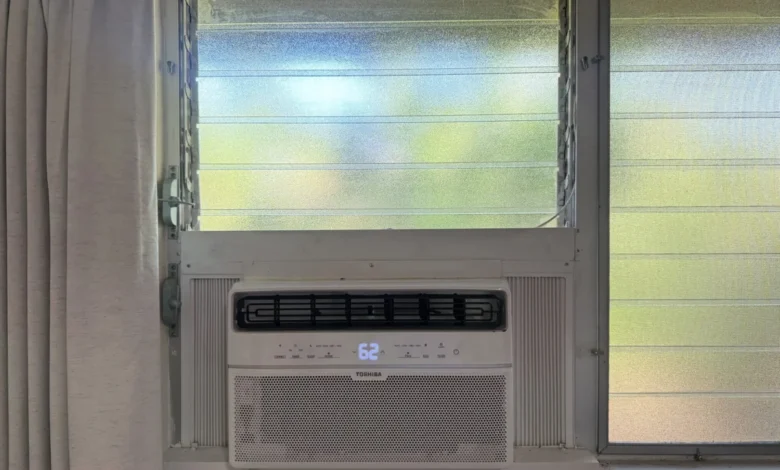
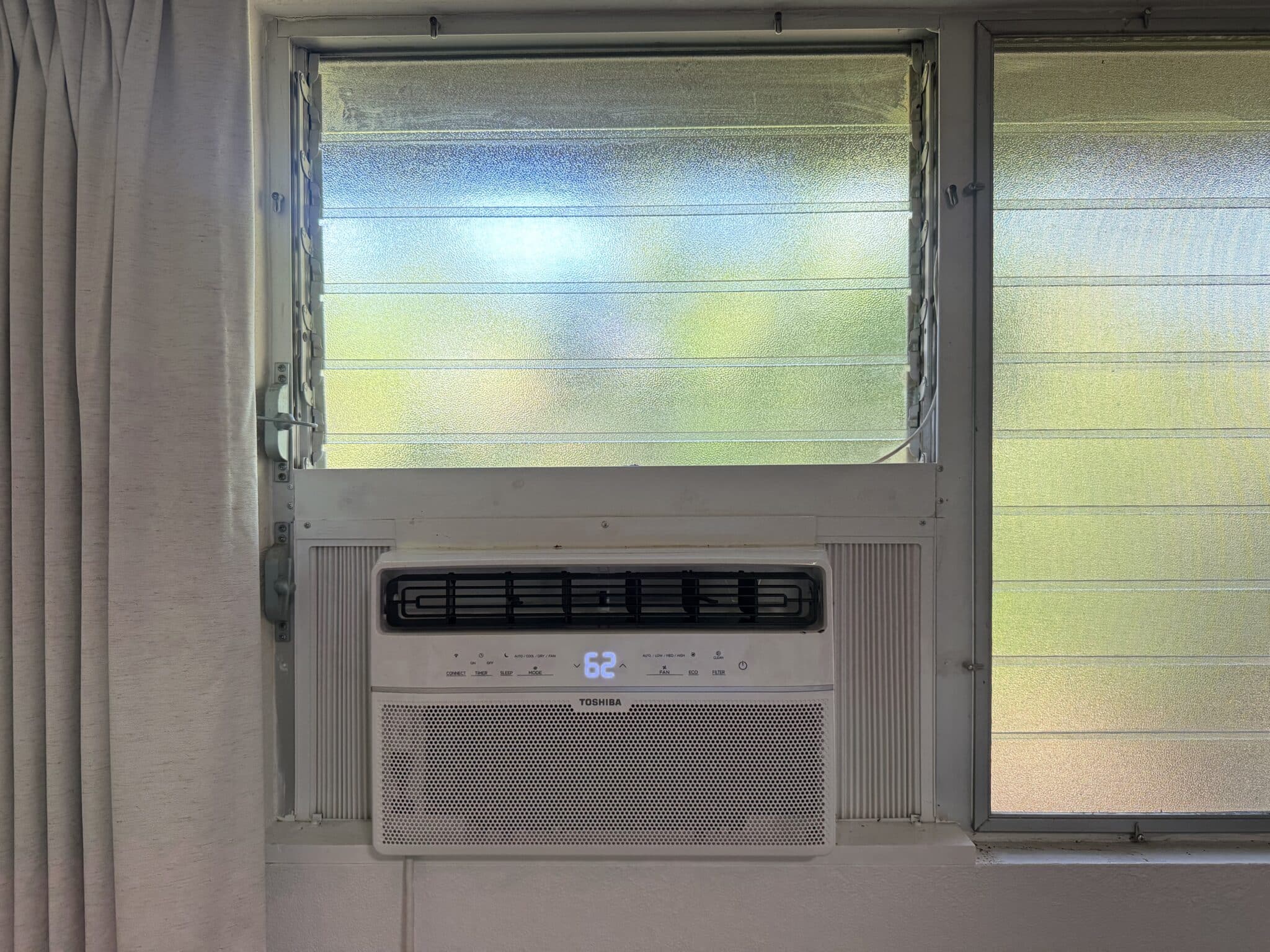
A case study in Honolulu, Hawaii, illustrates this disconnect. In a recent report on elderly living conditions, it was noted that a resident lived for over three years with a non-functioning air conditioning unit in a region where summer temperatures regularly exceed 85 degrees Fahrenheit with high humidity. The cost to restore the unit to full functionality was documented at a mere $80 for a refrigerant recharge. Similarly, a 28-year-old vehicle—driven by an individual with significant retirement savings and no debt—was operated for years without climate control or functional windows.
These instances are not isolated. They represent a broader trend of "adaptation to discomfort," where the elderly gradually normalize deteriorating environments. Whether it is a leaking kitchen pipe, a blurred television screen, or a malfunctioning HVAC system, the threshold for seeking repair rises as the individual ages, leading to a state of "frugal inertia."
Chronology of Environmental Adaptation and Risk
The transition from comfortable living to dangerous neglect often follows a predictable timeline:
- Phase One: Minor Malfunction (Year 1-2): A system, such as a car’s AC or a home appliance, begins to fail. The individual, citing a desire to save money or a distrust of service providers, decides to "wait and see."
- Phase Two: Normalization (Year 3-5): The individual adapts their lifestyle to accommodate the failure. In the case of heat, this might involve using fans or avoiding certain rooms. The discomfort fades into the "background noise" of daily life.
- Phase Three: Cognitive-Physical Incongruence: As the individual’s physical ability to regulate body temperature or manage stress declines, their mental perception remains stuck in the past. They believe they can withstand conditions that their aging bodies can no longer safely endure.
- Phase Four: Critical Failure or Intervention: A heatwave or an emergency occurs. Without external intervention from family or caretakers, this phase often leads to hospitalization or mortality.
In the Honolulu case, the intervention came from an adult child who recognized that the "sauna-like" conditions in a vehicle were not just uncomfortable but potentially lethal. The transition from a 100-degree cabin to an "ice-cold" environment was achieved in 24 hours through a single phone call and a nominal fee, highlighting that the obstacle was never financial.

Supporting Data: The Lethality of Heat and Neglect
The consequences of this inertia are starkly reflected in global mortality statistics. According to the World Health Organization (WHO), heat stress is the leading cause of climate-related death in the European Region, claiming more than 175,000 lives annually. In a typical summer, more than 60,000 Europeans die due to extreme heat.
Crucially, approximately 85% to 90% of these victims are over the age of 65. The physiological reasons for this vulnerability are well-documented:
- Reduced Thermoregulation: Aging reduces the body’s ability to sweat and circulate blood to the skin for cooling.
- Pre-existing Conditions: Severe heat aggravates cardiovascular and respiratory illnesses, which are more common in older populations.
- Sensation Diminishment: Senses often fade with age, meaning an elderly person may not realize they are overheating until they reach a state of medical emergency.
Despite having the financial means to install air conditioning (often costing as little as $400 for a room unit and labor), many seniors remain in uncooled environments. This suggests that the mortality rate is driven less by "energy poverty" and more by a lack of "activation energy" to arrange for upgrades.
The Activation Energy Barrier: A Logistical Analysis
In physics, activation energy is the minimum energy required to initiate a chemical reaction. In a sociological context, it represents the effort required to move from a state of "doing nothing" to "solving a problem." For a person in their 80s, the logistical chain required for a simple repair can be overwhelming.
The process of fixing a car’s air conditioning, for example, involves:
- Conducting digital research to find a reputable mechanic.
- Negotiating quotes and scheduling appointments.
- Arranging alternative transportation while the vehicle is serviced.
- Managing the financial transaction and potential disputes over labor costs.
For a younger individual, this is a minor administrative task. For an elderly person, each step represents a significant cognitive and physical "boulder" to push. Consequently, the default choice is often to endure the leak, the heat, or the broken window, as the "cost" of the fix is perceived as higher than the "cost" of the suffering.
Case Study of Extreme Neglect: The Gene Hackman Tragedy
The dangers of wealth-shielded neglect reached a pinnacle in a 2025 report regarding the death of legendary actor Gene Hackman and his wife, Betsy Arakawa. Despite Hackman’s reported net worth of $80 million, the couple was found dead in their Santa Fe home after having been undiscovered for more than a week.
Investigations revealed that the property had fallen into a state of severe disrepair, with evidence of rodent infestations in outbuildings and vehicles. Arakawa reportedly died of hantavirus pulmonary syndrome—a disease contracted through contact with rodent droppings—while Hackman, aged 95 and suffering from advanced Alzheimer’s, succumbed shortly thereafter.
This tragedy serves as a definitive example of how extreme wealth cannot protect against the "activation energy" problem. Despite having the funds to hire a fleet of cleaners, pest control experts, and caretakers, the couple lived in hazardous conditions because the logistical effort to organize such services had become an insurmountable barrier.
Broader Impact and the Role of Adult Children
The implications of this phenomenon suggest a shifting responsibility for the "sandwich generation"—adult children who are simultaneously raising their own families and caring for aging parents. Experts suggest that the role of the caretaker must evolve from providing financial advice to providing "activation energy."
Strategic Interventions for Families
- Direct Observation: Brief visits often fail to reveal the reality of a senior’s living conditions. Extended stays allow adult children to identify "normalized" hazards, such as expired food, fuzzy television signals, or failing climate control.
- Bypassing the "Committee": Seeking permission for repairs often leads to rejection based on the senior’s ingrained frugality. Successful interventions often involve the adult child simply scheduling the repair and handling the logistics unilaterally.
- Incremental Technological Integration: Introducing convenience through gradual steps—such as setting up grocery delivery apps or automated thermostats—can lower the daily energy expenditure required for the senior to maintain their quality of life.
- Scheduled Risk Mitigation: Just as individuals purchase term life insurance to mitigate the catastrophic risk of lost income, families must view home and car maintenance as "insurance" against heat stroke and household accidents.
Conclusion: The Utility of Wealth in Aging
The ultimate purpose of capital accumulation is the purchase of safety, time, and comfort. When frugality crosses the line into dangerous neglect, the utility of that wealth drops to zero. The Honolulu case study and the broader statistics from the WHO underscore a critical lesson for the modern era: the greatest risk to the elderly is often not a lack of money, but a lack of momentum.
By recognizing that "inertia" is a biological and psychological byproduct of aging, families and society can better address the needs of the wealthy elderly. Removing the "activation energy" barrier—whether through an $80 freon charge or a $400 AC installation—is a low-cost, high-impact strategy that can mean the difference between a dignified retirement and a preventable tragedy.