Tech Entrepreneur Jeff Atwood Pledges Half His Wealth to Safeguard the American Dream Amid Growing Inequality


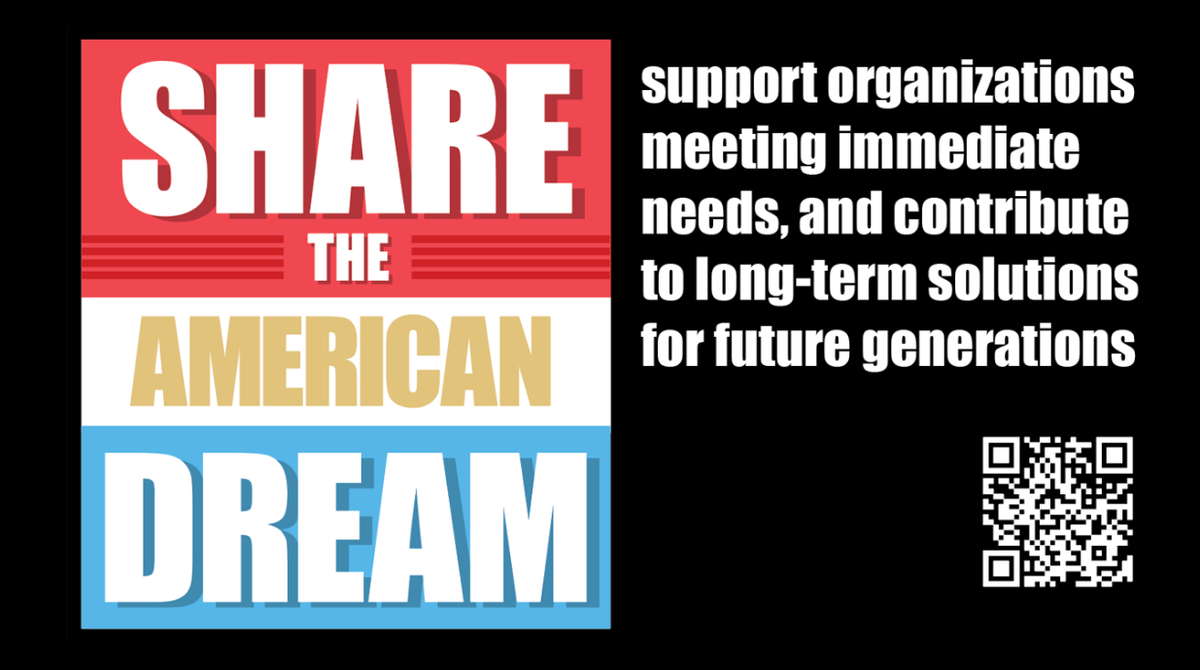
Technology entrepreneur and Stack Overflow co-founder Jeff Atwood has announced a profound financial and civic commitment, pledging half of his remaining family wealth over the next five years to long-term initiatives aimed at preserving the American Dream. The announcement, detailed by Atwood in a comprehensive public essay, comes at a critical juncture in United States history defined by severe economic polarization, surging costs of living, and deep political divisions. Alongside the long-term pledge, Atwood revealed that his family has already disbursed eight separate $1 million donations to nonprofit organizations addressing immediate community needs across the country.
The decision to divest a substantial portion of his personal fortune marks a significant philosophical shift for the software engineer, who rose from humble beginnings in rural West Virginia and North Carolina to achieve substantial financial success through co-founding online platforms like Stack Overflow and Discourse. Atwood’s public intervention brings renewed urgency to national debates surrounding wealth inequality, civic participation, educational access, and the fading attainability of upward mobility for average American households.
From Hardscrabble Roots to Digital Democracy
Atwood’s perspective on the American Dream is deeply rooted in his personal history. Raised in Virginia by parents who clawed their way into the lower middle class, Atwood experienced firsthand the turbulence of family struggles, economic instability, and alcoholism before his parents divorced when he was sixteen. Despite these hardships, he navigated public schools and attended the University of Virginia—founded by Thomas Jefferson—graduating in 1992.

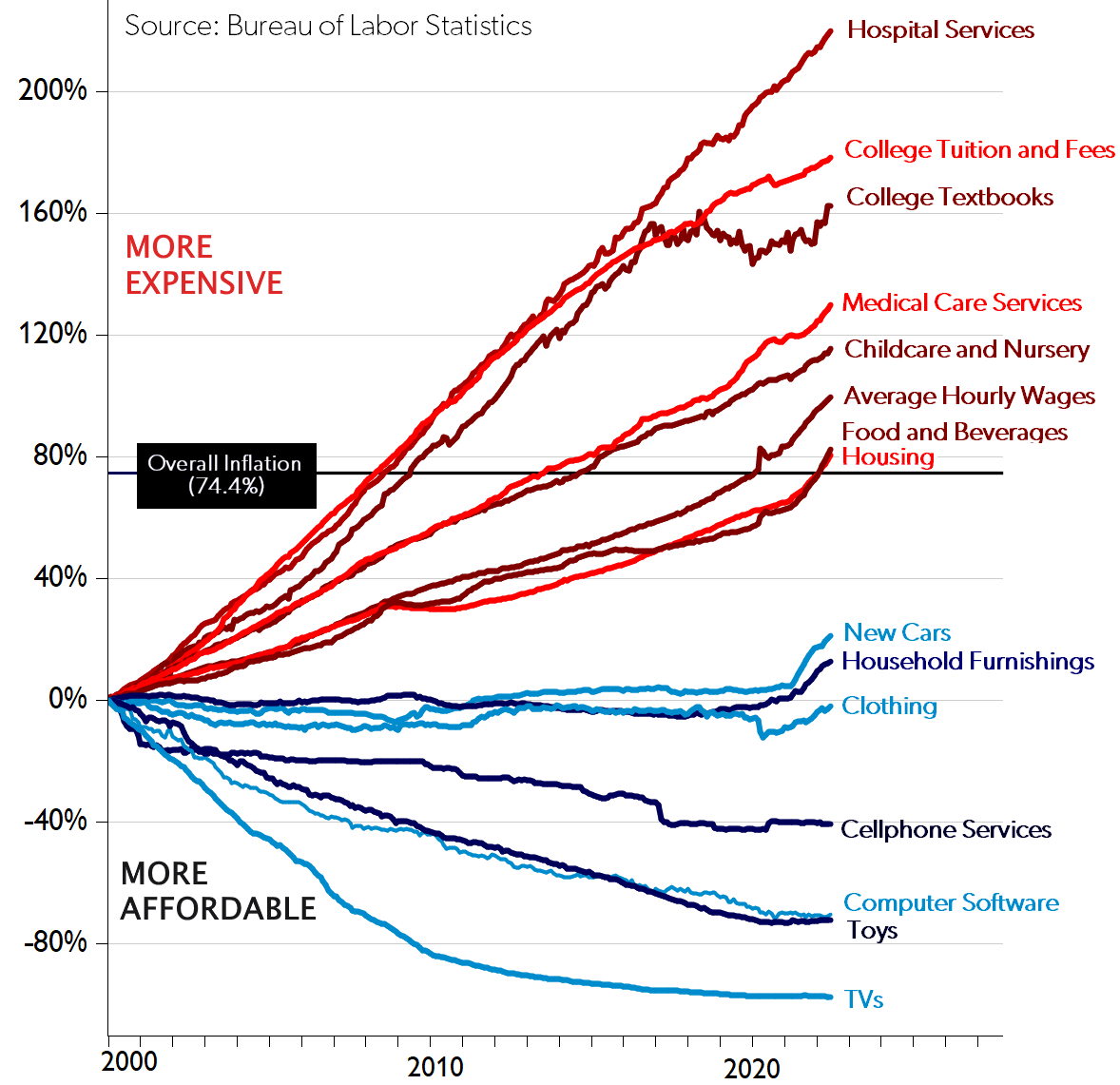
To finance his education, Atwood worked part-time as a cashier at Safeway for the federal minimum wage, supplementing his income with government Pell grants, scholarships, and additional odd jobs. Even with in-state tuition rates that appear modest by modern standards—approximately $3,000 per year in 1992—financing a college education required immense sacrifice. Today, that same state university tuition has surged to roughly $23,000 annually, representing an eightfold increase over the past thirty years. This compounding inflation in essential sectors like education, housing, and healthcare forms the bedrock of Atwood’s argument that structural barriers are systematically dismantling the foundational promises of American society.
In 2008, Atwood channeled his professional expertise into building Stack Overflow alongside co-founder Joel Spolsky. Designed as a democratized, Creative Commons-licensed question-and-answer platform for programmers worldwide, the site relied on community-driven moderation and ranked-choice voting. This digital ecosystem demonstrated how collaborative technology could foster meritocratic knowledge sharing. Atwood later expanded this ethos with Discourse, an open-source platform intended to promote empathetic, constructive community discussions governed by democratic boundaries.

Economic Disparity and the Crisis of the American Dream
Atwood’s philanthropic pivot is heavily informed by broader macroeconomic trends pointing to widening wealth gaps in the United States and globally. According to Federal Reserve and economic research data cited in his discourse, the top 1% of American households controlled 24% of the nation’s wealth in 2012. By 2021, that share had climbed to 30%. On a global scale, international inequality reports indicate that the wealthiest 1% currently possess nearly twice as much wealth as the remaining 99% of the global population combined.
For Atwood, personal accumulation beyond a certain threshold ceases to represent the fruits of legitimate enterprise and instead mirrors systemic dysfunction. He explicitly noted that observing these massive wealth disparities firsthand created an unintended psychological distance from the financial anxieties experienced by ordinary citizens—an effect he characterized as fundamentally un-American. By capping his family’s retained wealth strictly to what is necessary to secure his children’s housing and higher education, Atwood seeks to align his financial reality with the egalitarian principles championed by historical figures such as W.E.B. Du Bois, who famously argued that a nation’s prosperity should be measured by the absence of poverty and the health of its public institutions rather than the concentration of millionaires.
Civic Disengagement and Political Polarization
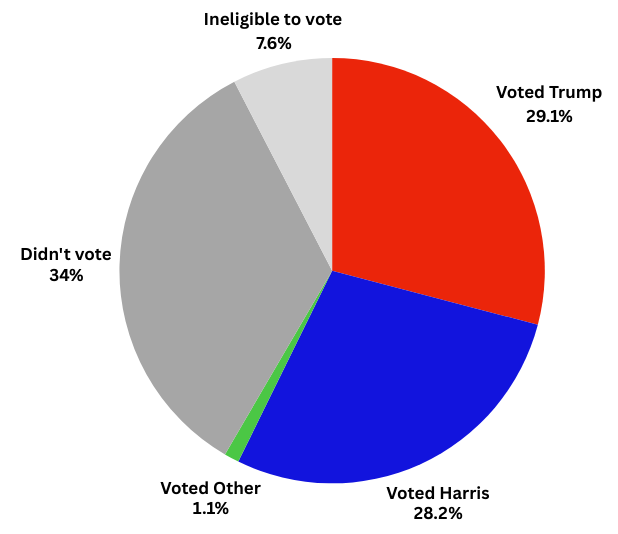
Beyond economic inequality, Atwood’s public statement addresses the deteriorating health of American democratic institutions. Pointing to the 2024 presidential election, he highlighted a concerning pattern of civic disengagement: approximately 34% of eligible American adults did not vote, while an additional 7.6% remained ineligible due to citizenship status or felony disenfranchisement. Consequently, nearly 42% of the adult population residing in the United States had no direct voice in the electoral outcome, underscoring deep-seated issues with voter access, systemic suppression, and political apathy.
To restore faith in democratic governance, Atwood advocates for structural reforms aimed at lowering barriers to political participation. His proposed measures include designating Election Day as a national holiday, implementing universal mail-in voting systems nationwide, and adopting ranked-choice voting to ensure that voter preferences are more accurately reflected in election outcomes. Furthermore, he emphasizes the necessity of fortifying local election boards and regulatory bodies like the Federal Election Commission against hyper-partisan interference.

Philanthropic Strategy and Future Roadmap
Atwood’s financial commitment departs from traditional philanthropic models popularized by billionaires like Warren Buffett, whose multi-billion-dollar pledges often defer the bulk of asset distribution until death or pass management down through dynastic charitable trusts. Instead, Atwood’s five-year timeline accelerates the deployment of capital to actively engage with contemporary crises.
The initial wave of funding—comprising eight $1 million grants distributed to frontline nonprofits—targets immediate vulnerabilities in American society. The subsequent distribution of half his remaining wealth over the next half-decade will focus on systemic, long-term interventions designed to rebuild economic and educational pathways. To spearhead these efforts, Atwood has collaborated with public figures and intellectuals, scheduling public forums such as a joint presentation at Cooper Union alongside retired U.S. Army Lieutenant Colonel Alexander Vindman to discuss concrete policy and civic solutions.
By framing his wealth redistribution not merely as charity, but as an essential investment in a shared civic future, Atwood challenges fellow high-net-worth individuals to reevaluate their societal responsibilities. His initiative serves as a poignant reminder that the survival of the American Dream requires continuous, active stewardship, empathy, and a willingness to confront structural inequality head-on.