The Rise of LLM Prompt Tracking: Why Traditional SEO Rank Tracking is No Longer Enough in the Age of Artificial Intelligence

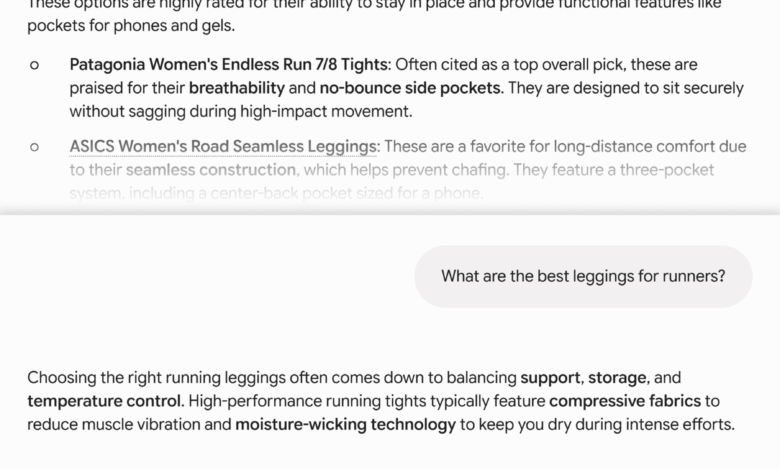
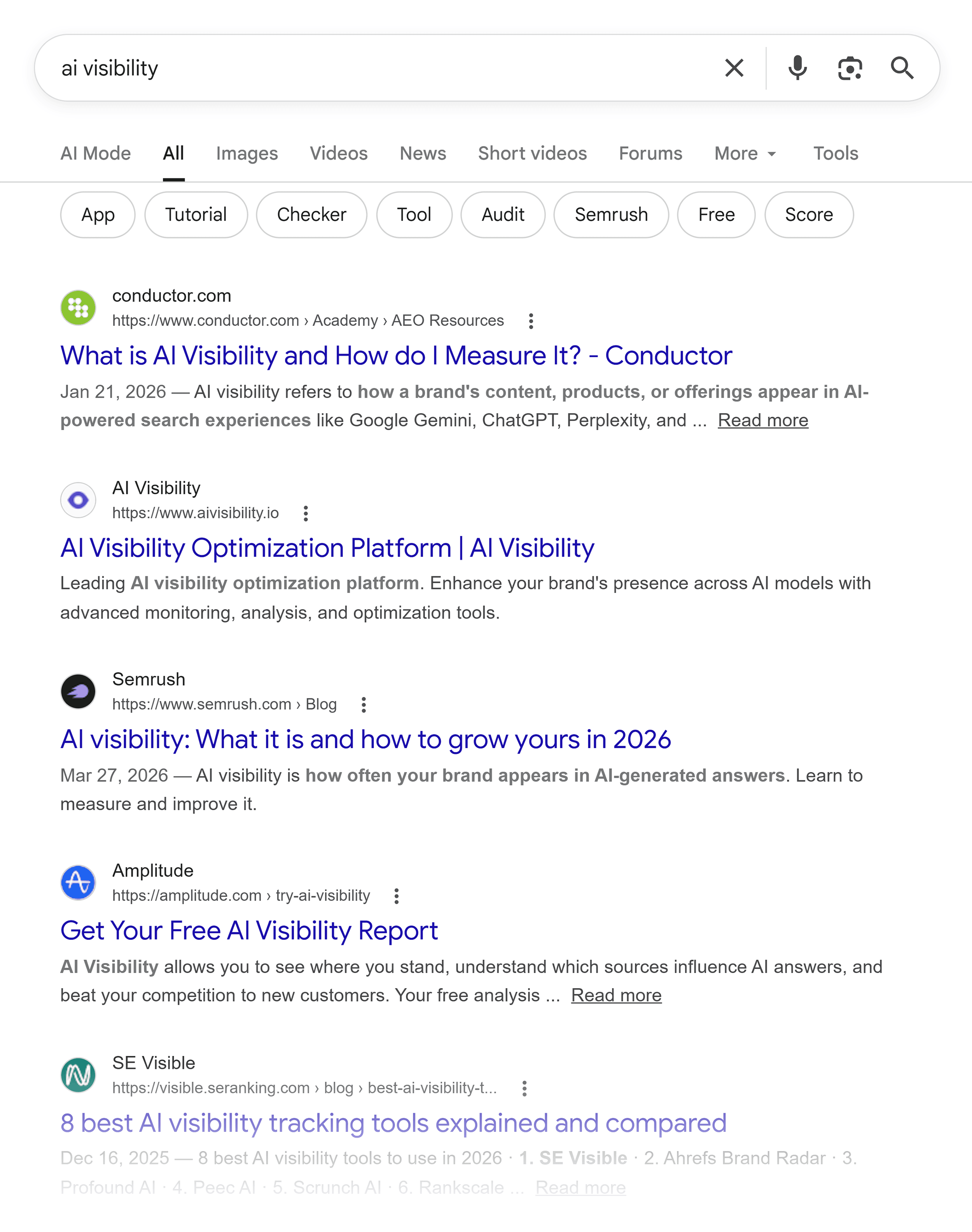
As digital search paradigms undergo a historic shift, businesses face an unprecedented marketing blind spot: a brand can secure the coveted #1 position on Google yet remain completely invisible to modern artificial intelligence. While traditional search engine optimization (SEO) has long dictated digital visibility through a predictable list of blue links, the rapid adoption of large language models (LLMs) has fundamentally transformed how consumers discover products, evaluate services, and form brand perceptions.
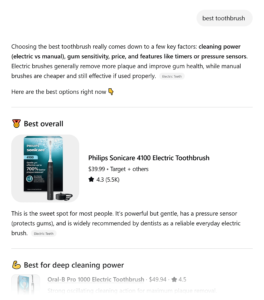
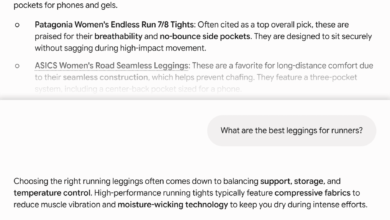
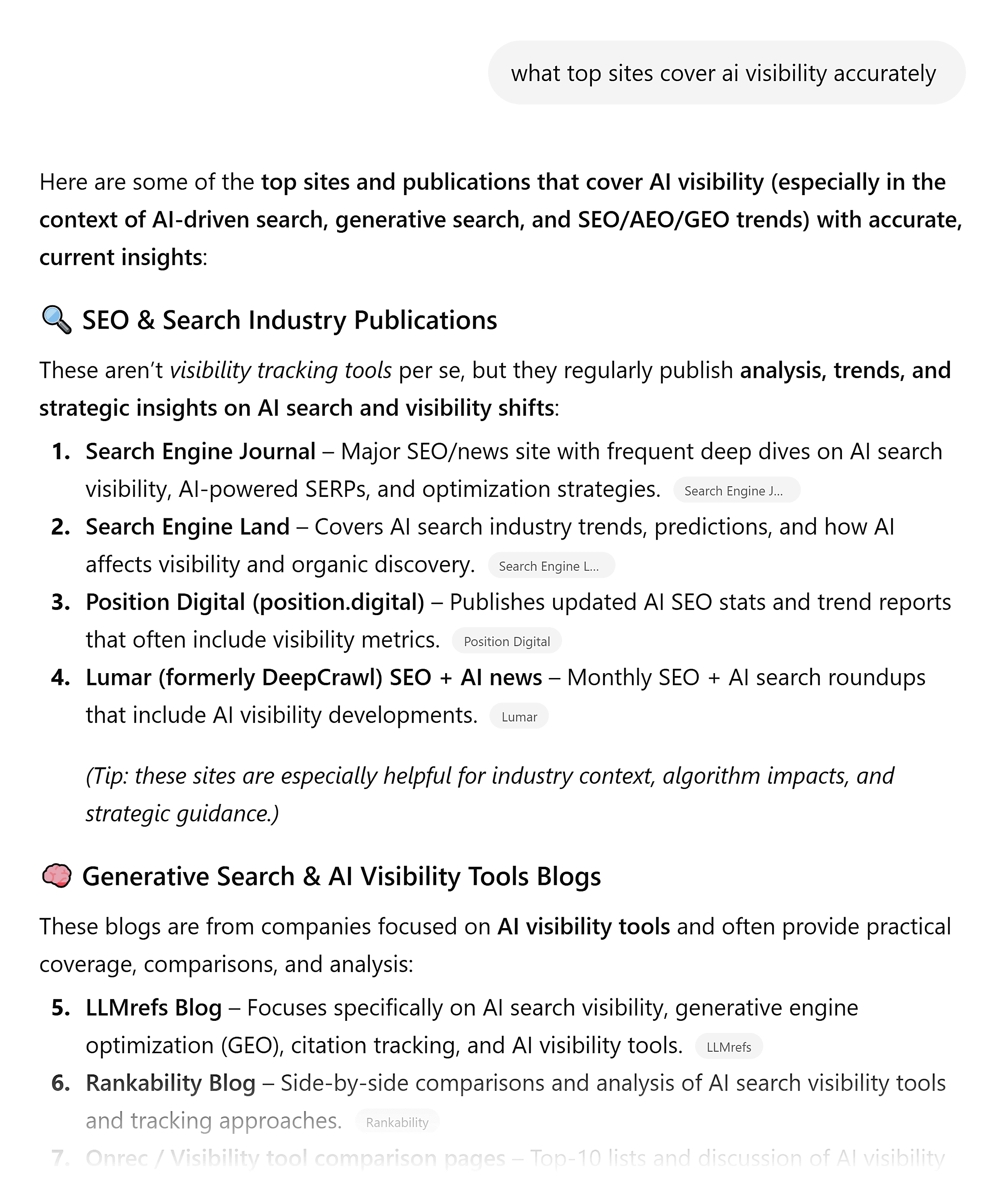
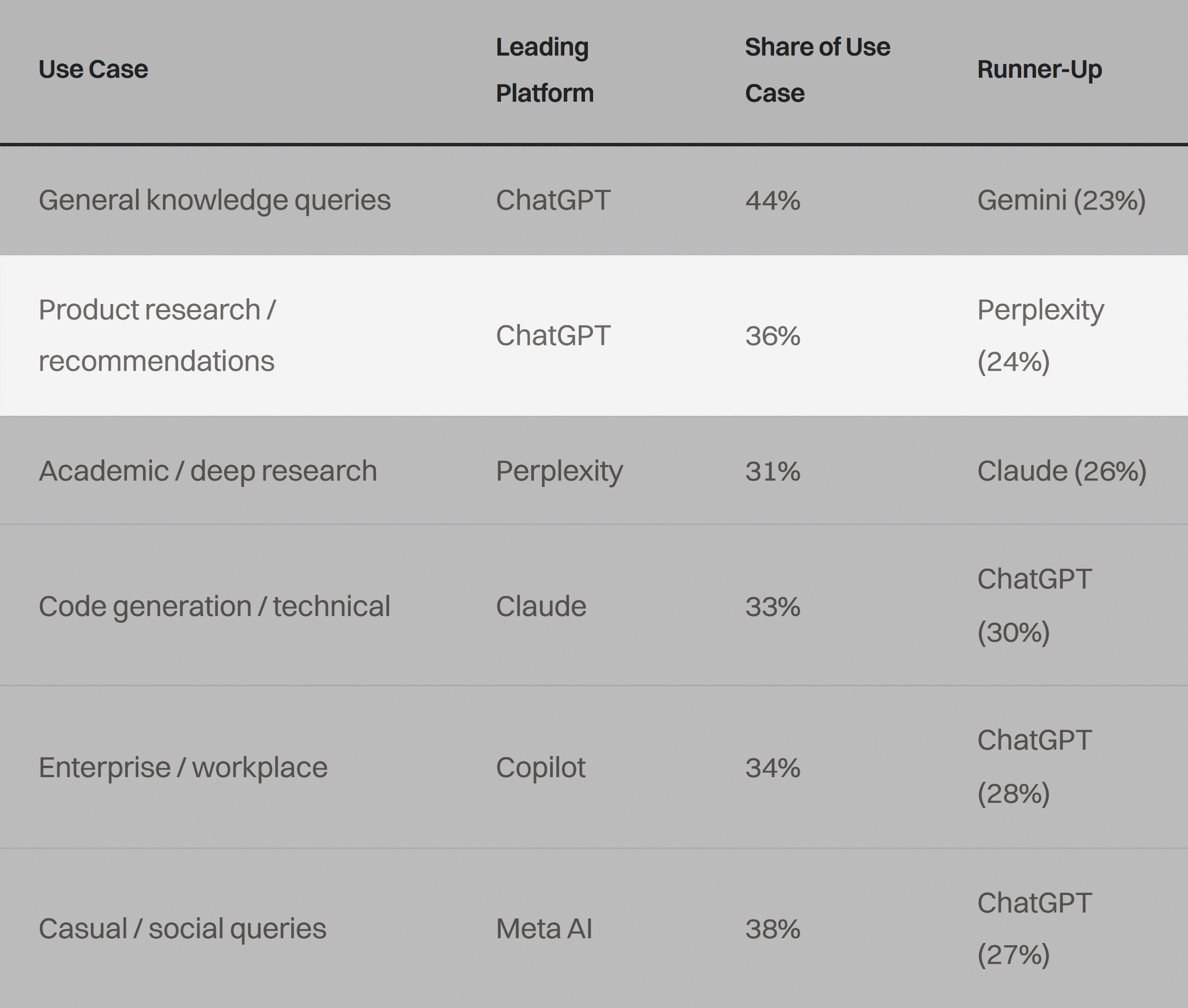
Today, over half of internet users rely on generative AI as a primary research tool, with a significant percentage utilizing chatbots specifically for product recommendations. Unlike static search engines, LLMs synthesize massive datasets to generate unique, conversational responses tailored to individual prompts. Consequently, marketers must adopt a new discipline known as prompt tracking, or LLM visibility tracking, to monitor how their brands are represented in AI-generated answers over time.
The Paradigm Shift: From SERPs to Conversational AI
For decades, the standard metric for digital visibility has been rank tracking—monitoring where a uniform URL appears on a search engine results page (SERP) for targeted keywords. This approach answers a binary question: how close is a brand to the number-one spot?
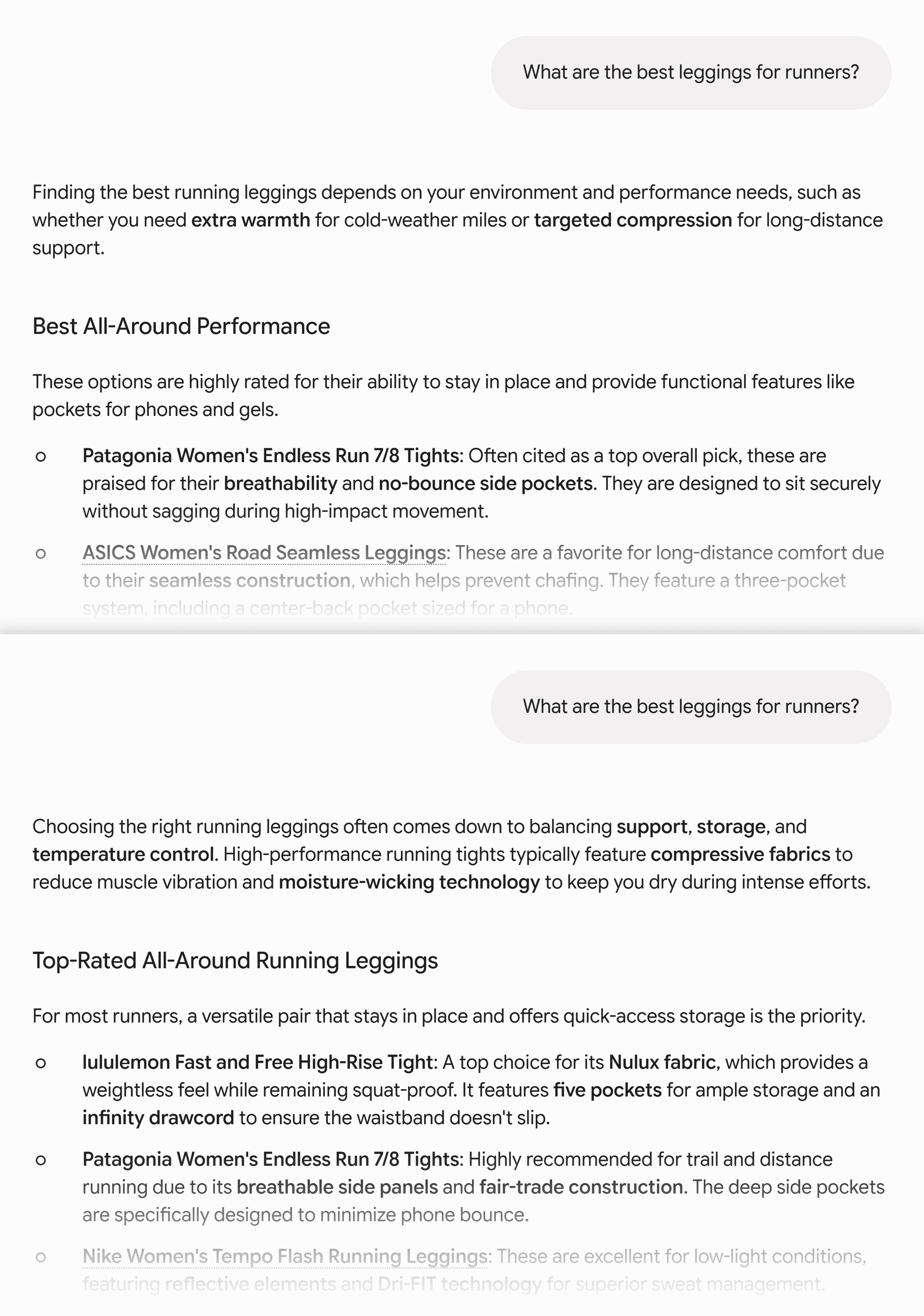
However, generative AI engines such as OpenAI’s ChatGPT, Google’s Gemini, and Anthropic’s Claude do not rely on static web indices. They dynamically construct answers in real-time, meaning the exact same prompt can yield different responses across separate runs. Furthermore, because LLMs pull from diverse web ecosystems, a brand’s positioning is no longer solely about securing the first ranking. Instead, success is defined by consistently delivering true, positive mentions to the right target audience across multiple iterations of a prompt.
Without a systematic approach to monitoring these interactions, organizations are effectively flying blind. Industry research underscores the urgency of this transition. Recent data from consumer behavior studies indicates that more than half of U.S. internet users turn to AI platforms for general research, while nearly a third depend on them for commercial purchasing decisions. In the B2B sector, adoption is even higher, with over 70% of software buyers leveraging AI chatbots for product research prior to engaging with sales teams.
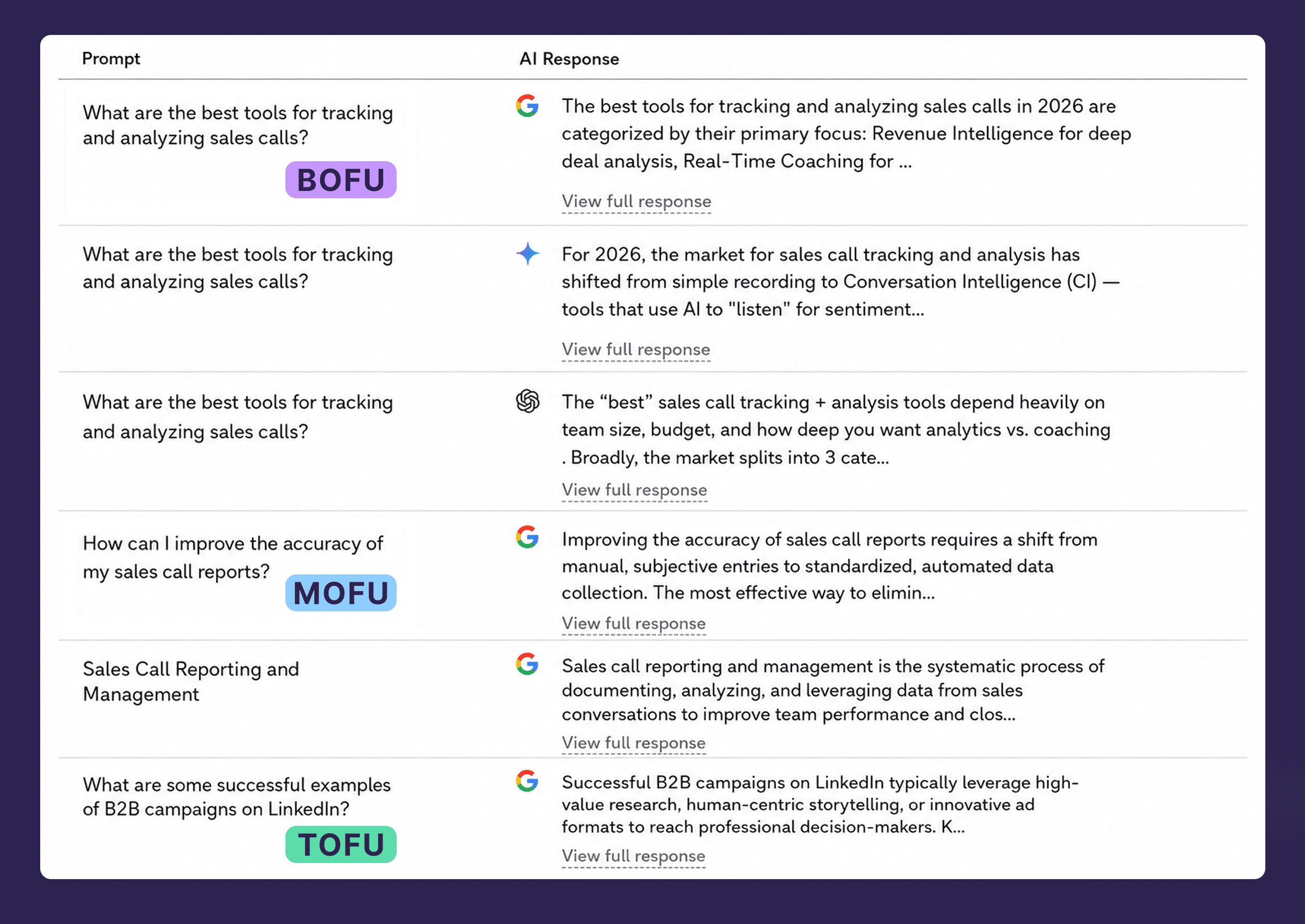
Building a Prompt Tracking Strategy: What Matters and What Doesn’t
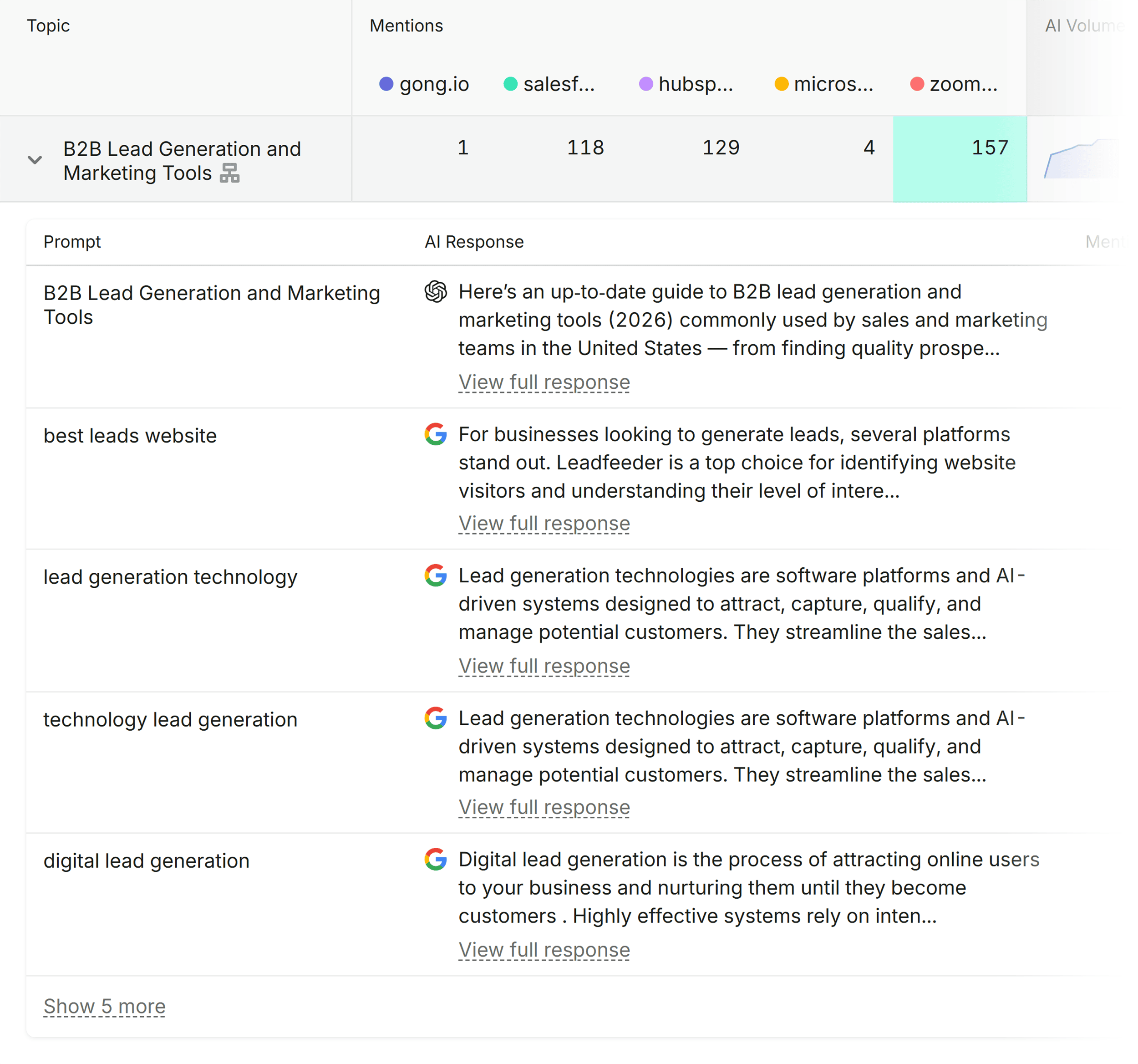
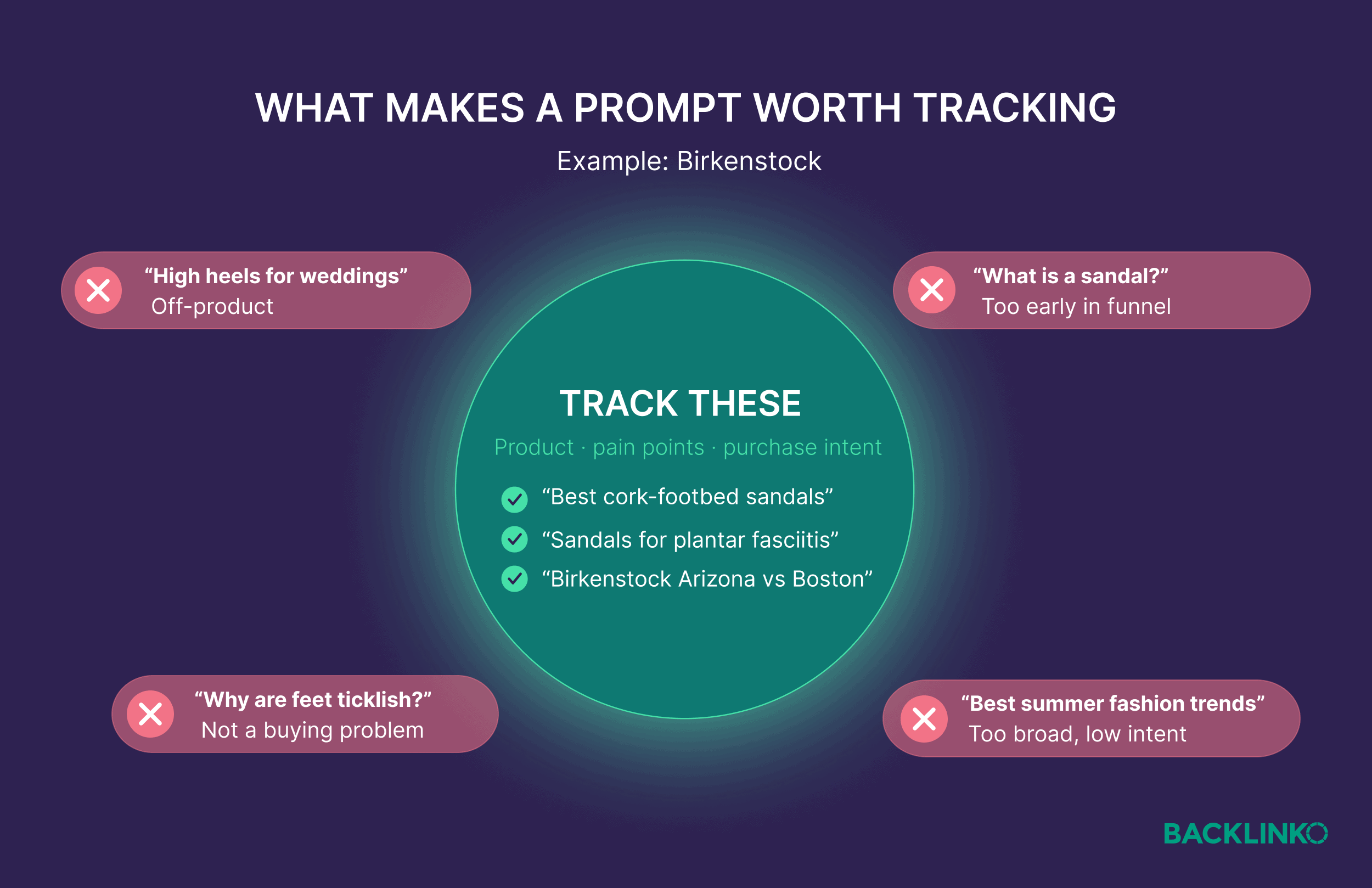
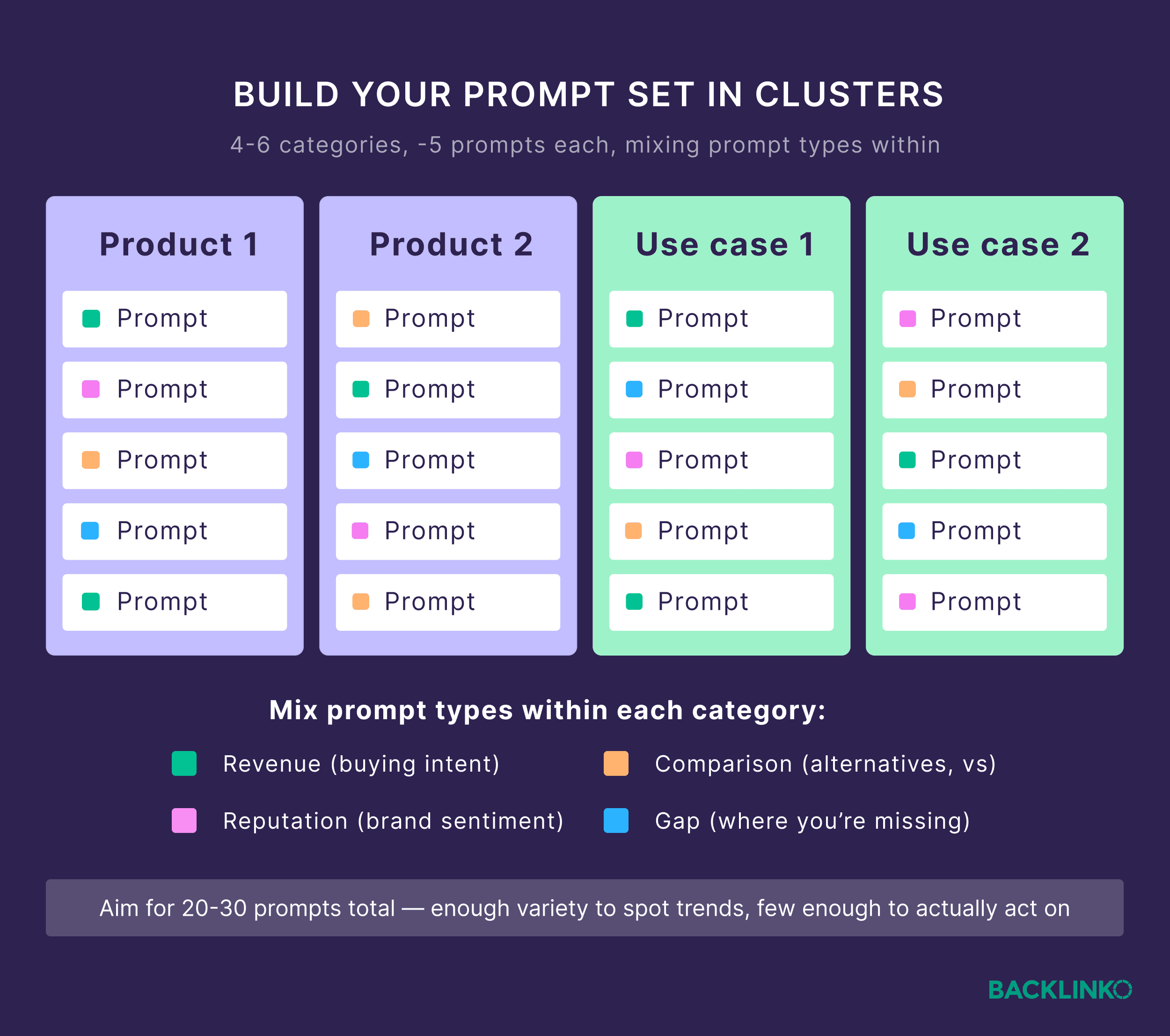
Given the dynamic nature of LLMs, attempting to track every possible customer query is inefficient. Effective prompt tracking requires a curated prompt set mapped directly to product offerings, audience pain points, and high-intent buyer journeys.
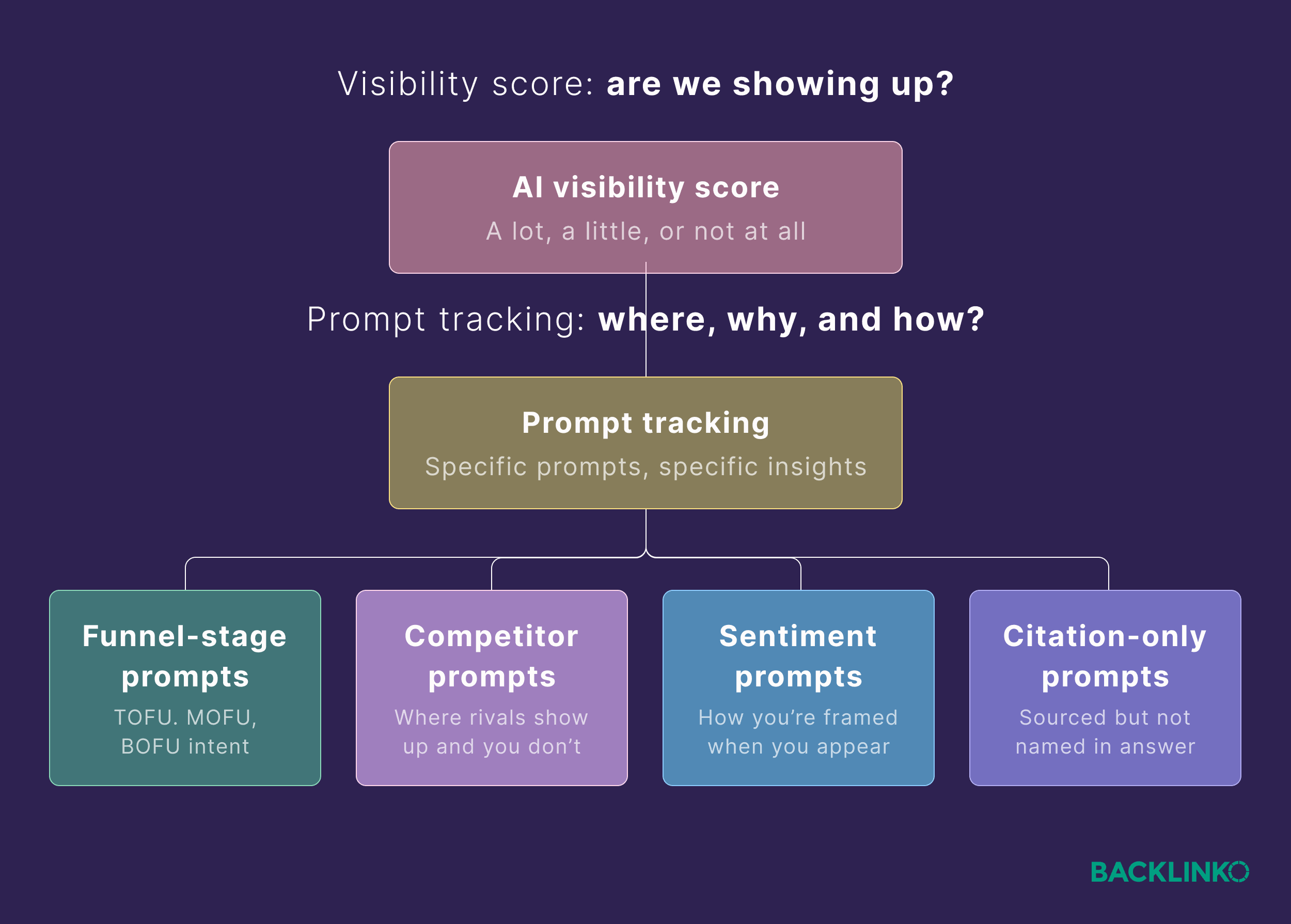
Industry experts recommend focusing primarily on four distinct categories of prompts:
- Evaluation Prompts: Inquiries regarding the best tools or solutions for a specific business need.
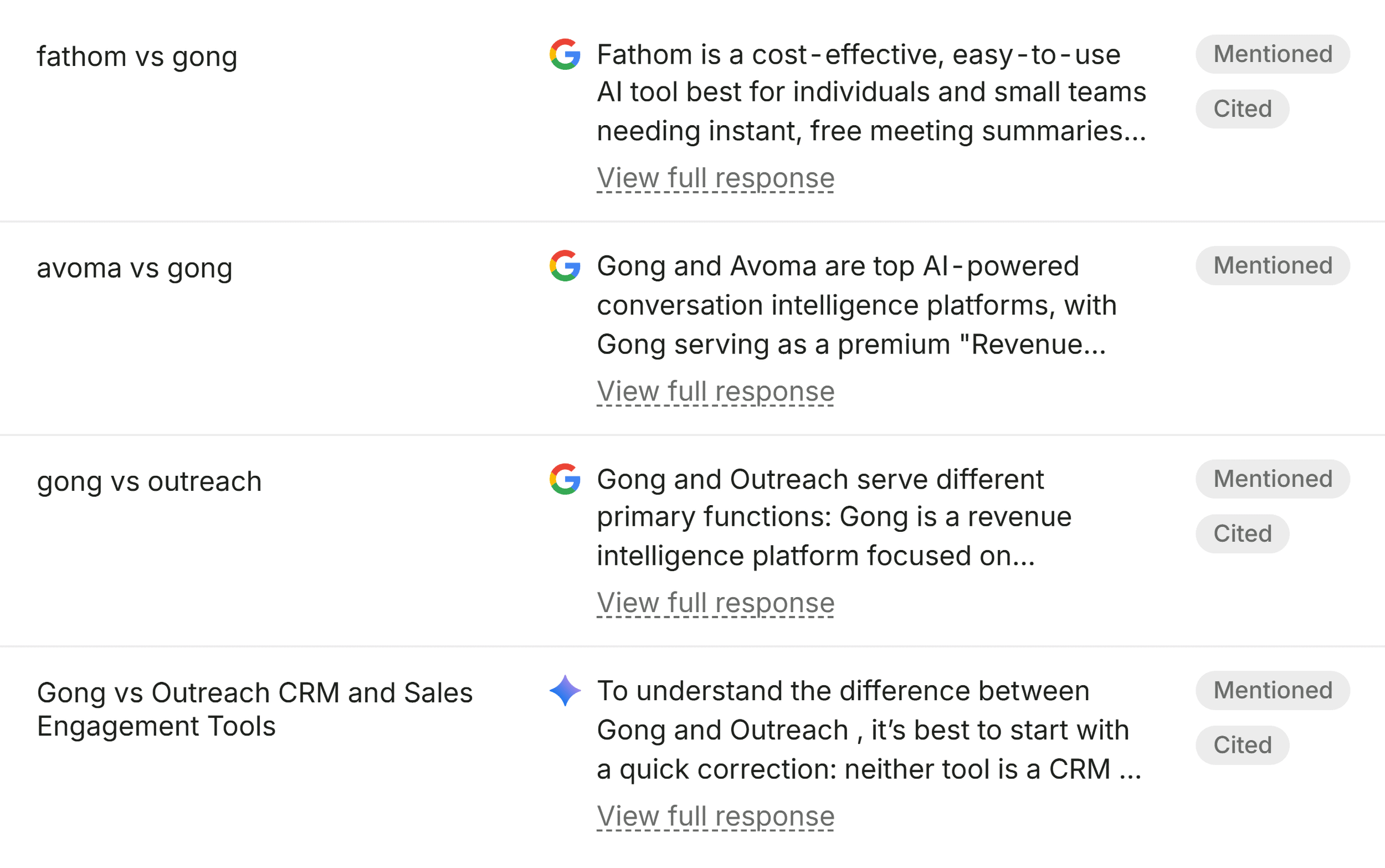
- Comparison Prompts: Direct comparisons between a brand and its primary competitors.
- Reputation Prompts: Sentiment-driven queries assessing whether a product or service is worth its price.
- Gap Prompts: High-intent category queries where a brand currently lacks visibility.
Conversely, marketing analysts advise against wasting resources on pure definitional queries—such as "what is social media management?"—as they rarely drive conversions. Similarly, vanity prompts regarding general corporate reputation offer little actionable intelligence.
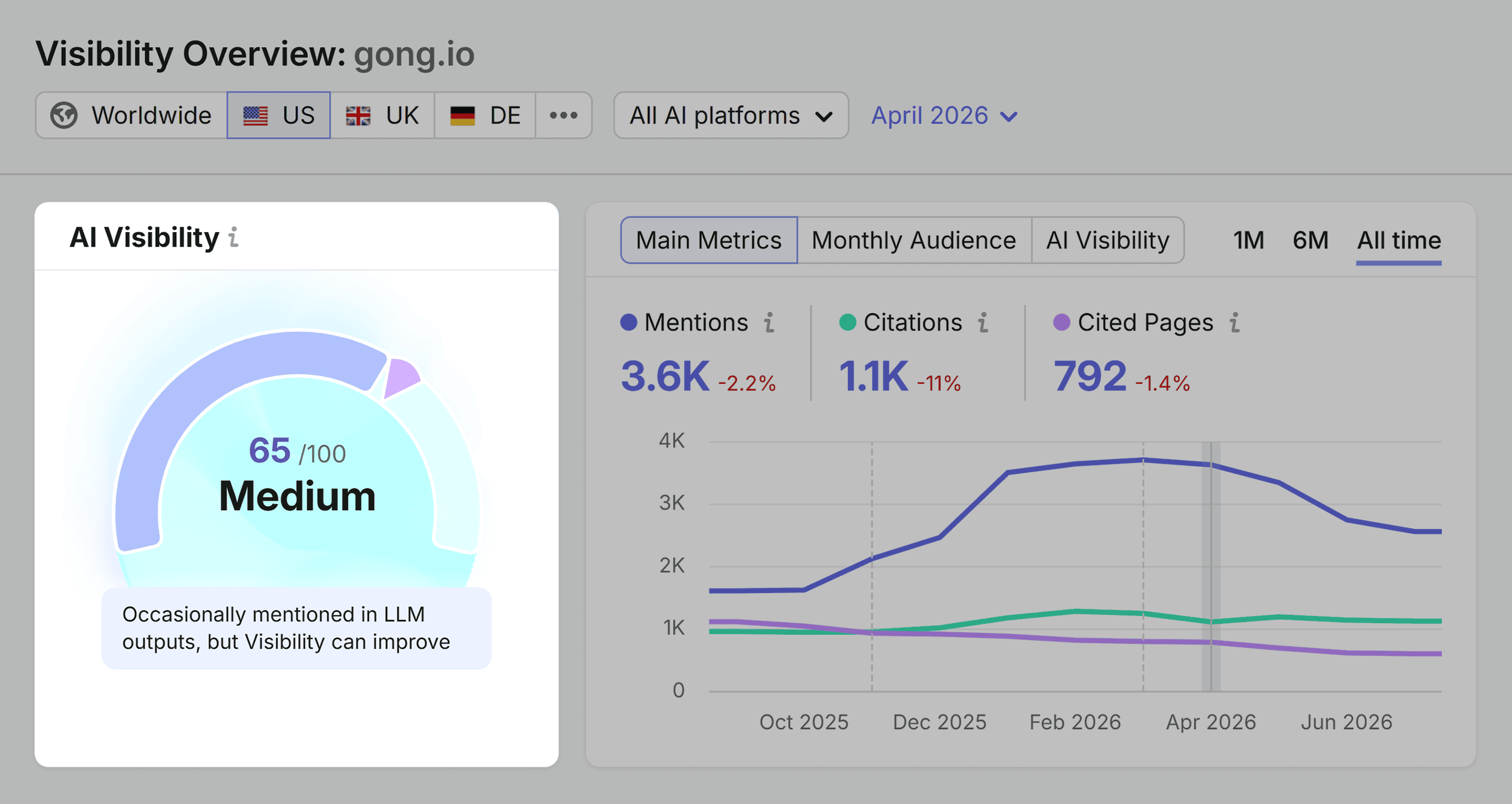
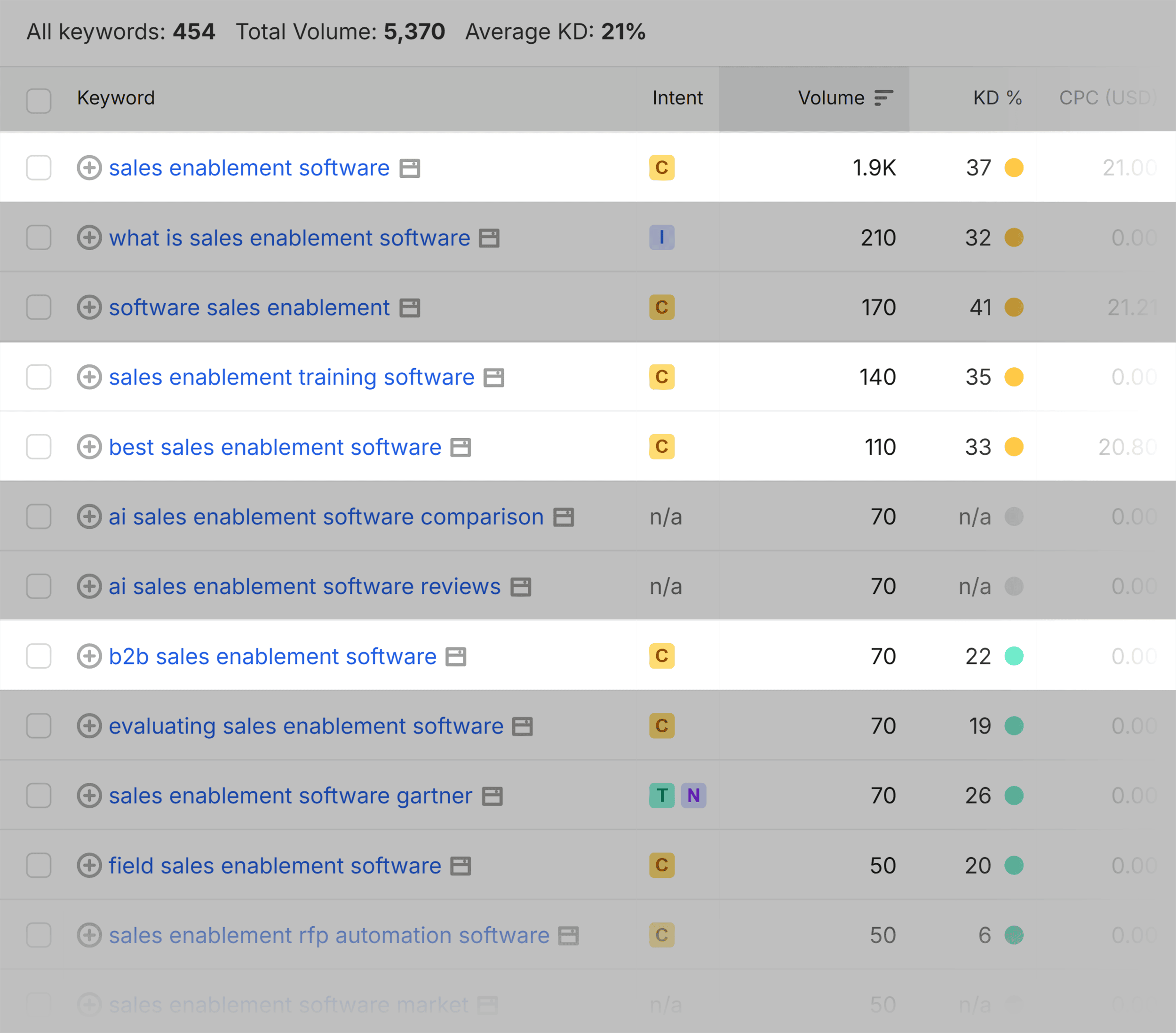
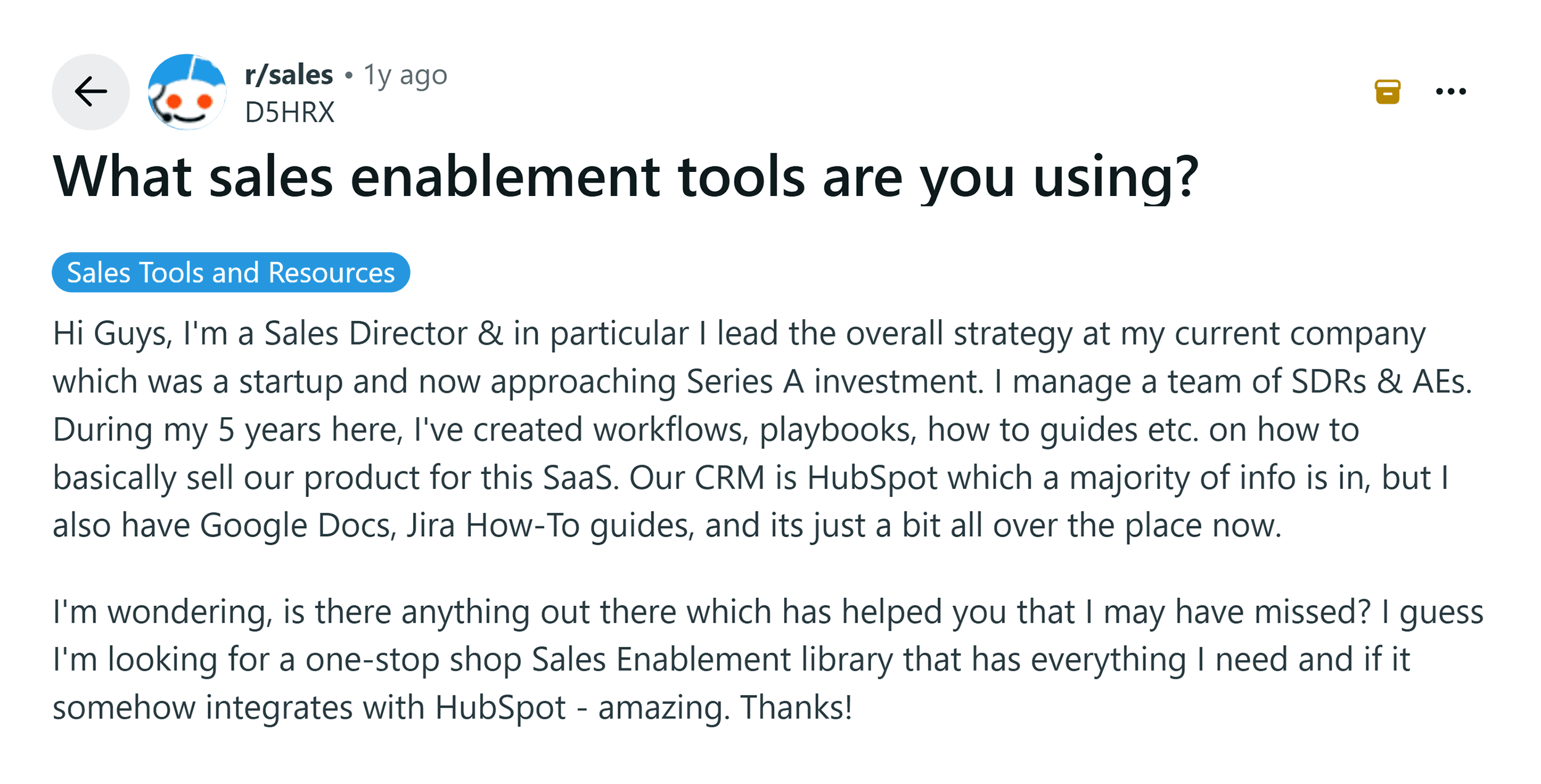
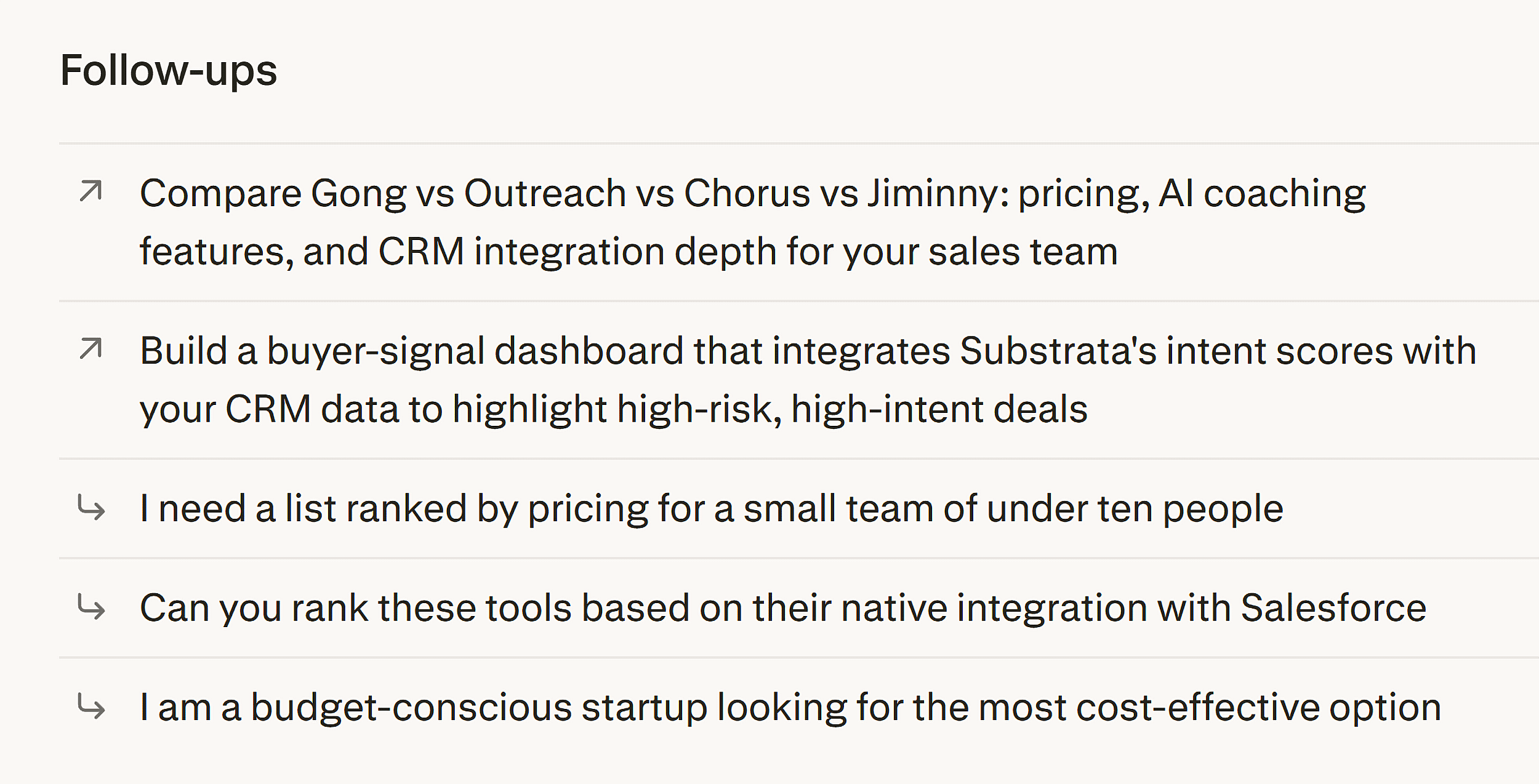
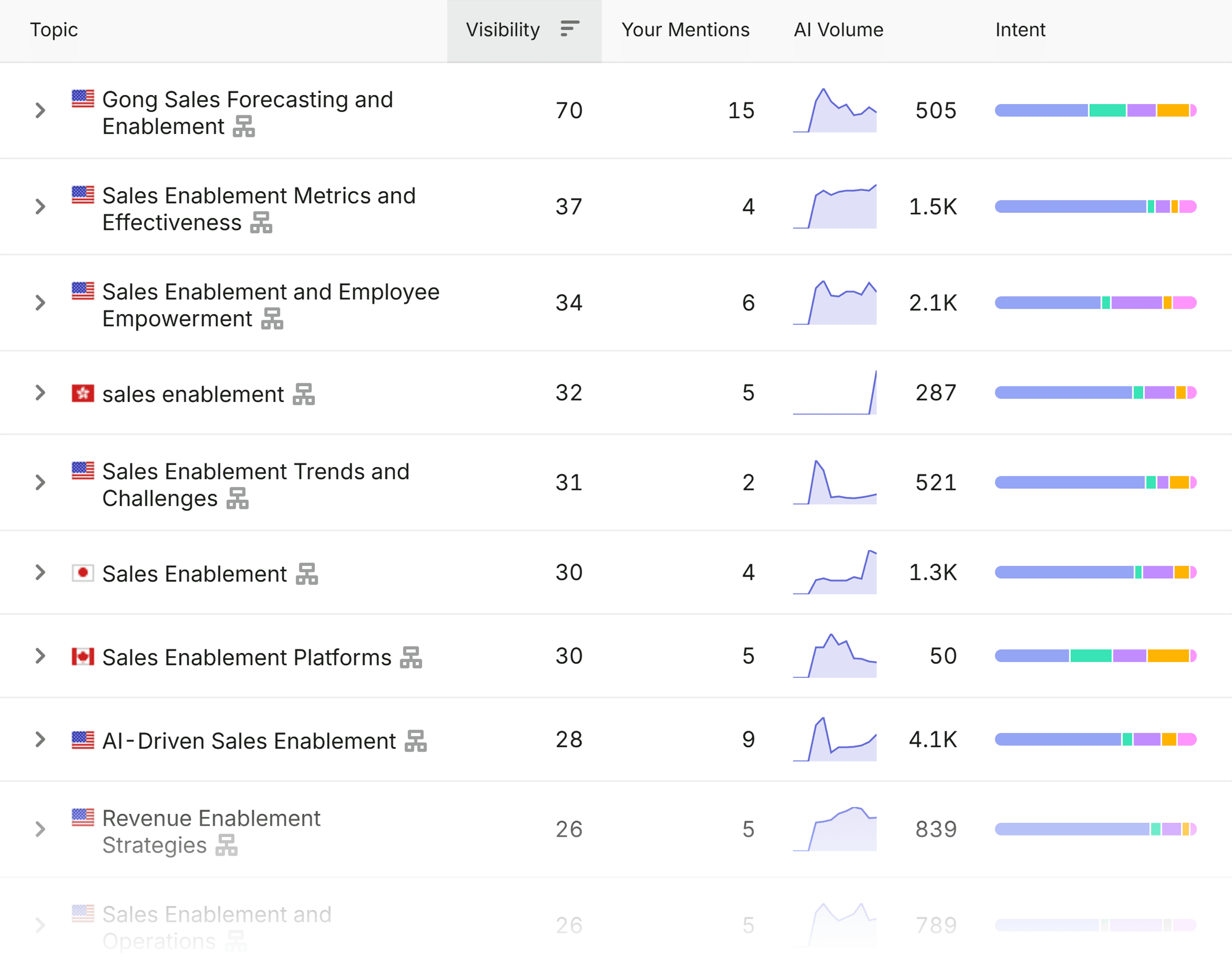
To build an actionable prompt set, organizations typically gather queries from keyword research tools, customer forums like Reddit, and discovery sessions within LLMs like Perplexity. Leading enterprise platforms now integrate automated prompt tracking dashboards, allowing marketing teams to aggregate data across multiple LLMs simultaneously and filter results by user intent or product category.
Step-by-Step Implementation: Monitoring and Acting on AI Visibility Data
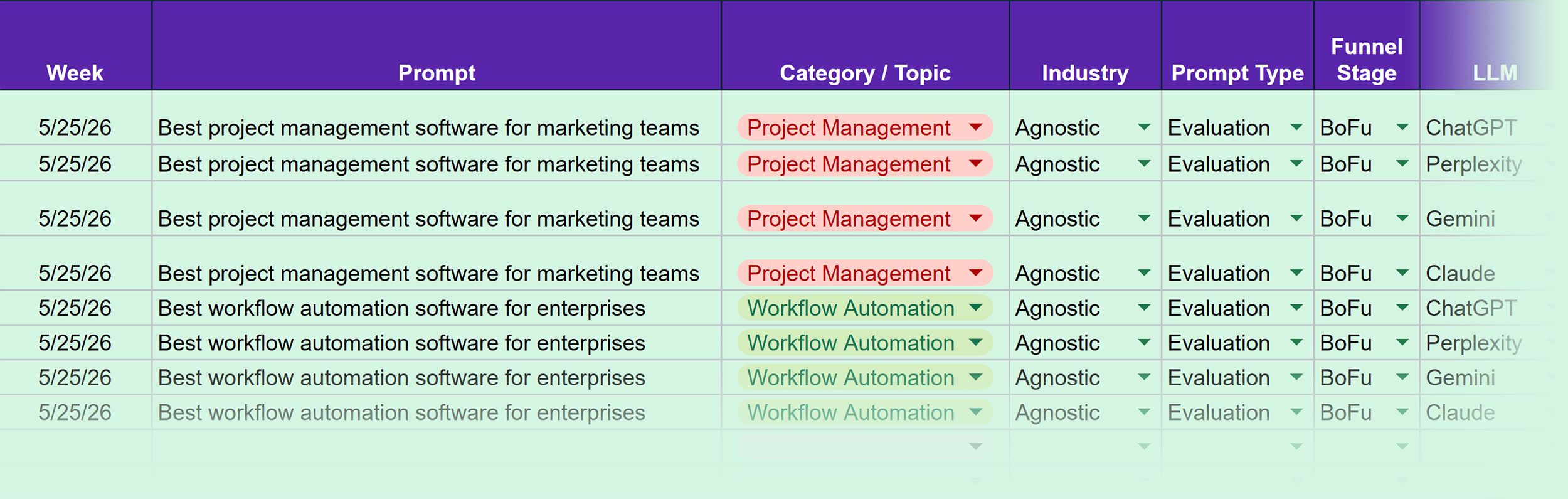
Implementing a prompt tracking workflow does not inherently require expensive enterprise software; many organizations begin with structured spreadsheets updated on a weekly basis. A comprehensive tracking protocol generally follows a six-step methodology:
- Establishing a Tracking Framework: Log key metrics including target prompts, categories, tracking dates, LLM sources, mention rates, sentiment scores, and competitor presence.
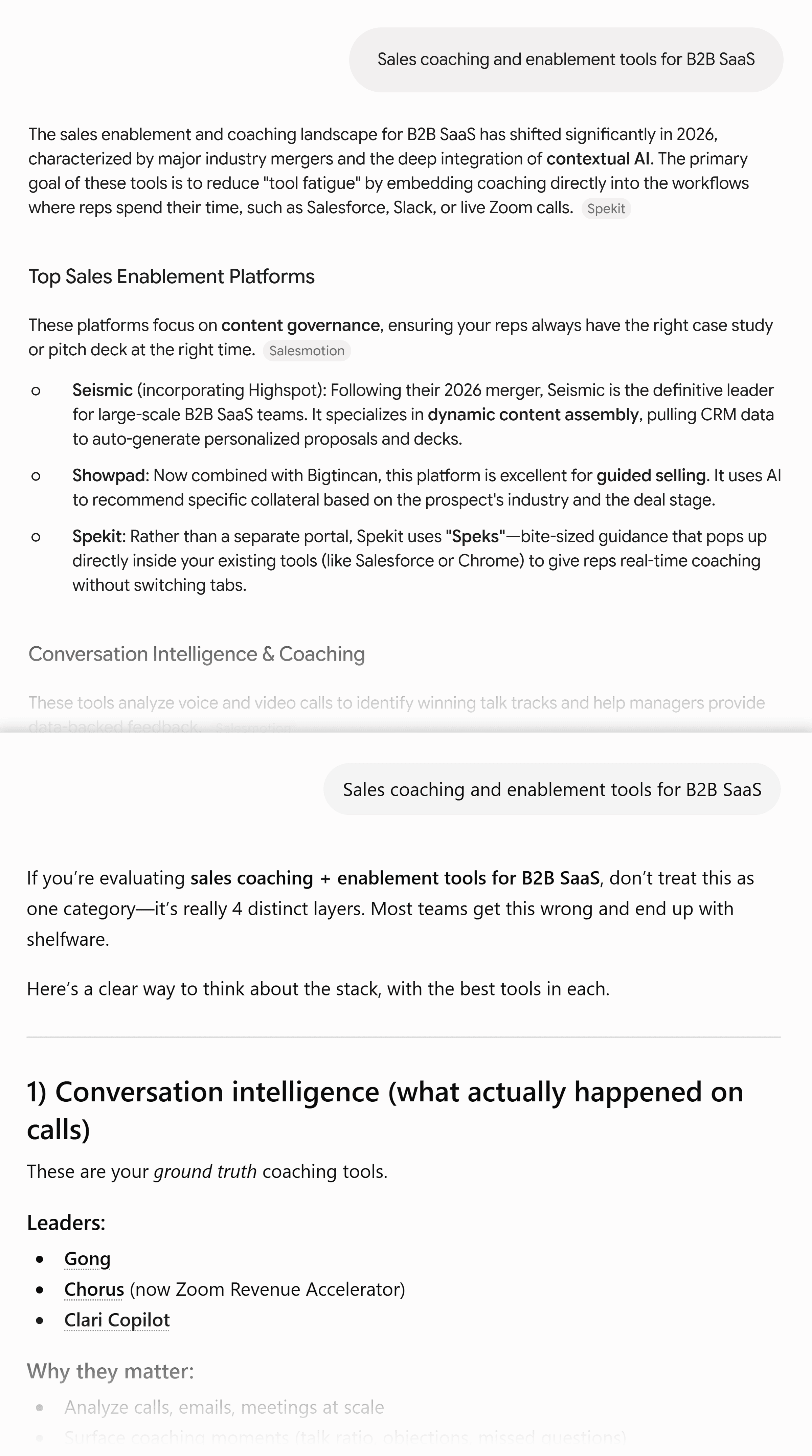
- Cross-Platform Execution: Run prompts across major LLMs—including ChatGPT, Gemini, Perplexity, and Microsoft Copilot—to account for variations in underlying training data and retrieval sources.
- Multiple Run Verification: Because AI outputs fluctuate, running prompts multiple times per session helps determine reliable baseline mention rates.
- Competitor Benchmarking: Track competitor mentions alongside your own to identify category leaders and uncover strategic content gaps.
- Evaluating Trends Over Time: Avoid reacting to single-week anomalies. Analysts recommend evaluating data over a consecutive four-week period to identify genuine trends rather than algorithmic noise.
- Automation Scaling: As prompt libraries expand past initial testing phases, transition to automated analytics suites to monitor visibility scores, cited sources, and competitor positioning at scale.
Analyzing the Data: Moving from Mention to Recommendation
Interpreting prompt tracking data requires an understanding of how LLMs construct their responses. Research into AI training biases indicates that models frequently favor established global brands or heavily cited third-party sources. Therefore, a drop in visibility should be investigated methodically rather than treated as an immediate operational failure.
When analyzing data trends, marketing teams look for three primary signals:
- Frequency Shifts: A consistent upward trend in mentions typically validates active content strategies, whereas sustained downward trends signal stale content or aggressive competitor activity.
- Third-Party Source Inclusion: Studies show that roughly 85% of brand mentions in LLM outputs originate from authoritative third-party platforms such as review sites, industry publications, and community forums. Identifying which sources LLMs consistently cite allows brands to prioritize public relations and off-site SEO efforts accordingly.
- Ghost Ranking Mitigation: A phenomenon known as "ghost ranking" occurs when a brand’s content is cited in the reference panel of an AI response, but the AI itself recommends a competitor in the main text. Addressing ghost rankings requires auditing third-party profiles, updating product specifications, and enhancing review acquisition campaigns.
Broader Industry Implications and Future Outlook
The maturation of LLM prompt tracking marks a fundamental maturation in digital marketing strategy. As search engines increasingly transition into answer engines, the traditional metrics of keyword rankings and organic traffic are no longer sufficient gauges of market penetration.
Organizations that successfully integrate prompt tracking into their analytics workflows gain a distinct competitive advantage, enabling them to identify content vulnerabilities, correct inaccurate AI-generated information, and secure foundational visibility where modern purchasing decisions are increasingly made. Ultimately, prompt tracking serves as a strategic compass, guiding brands through the opaque landscape of generative search and ensuring their value proposition is accurately communicated to the modern consumer.