Rebuilding the American Dream: A Comprehensive Path Forward Through Wealth Distribution and Guaranteed Minimum Income

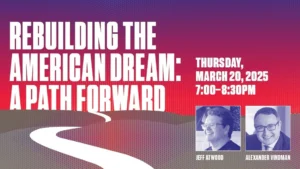
The historic Great Hall at Cooper Union in New York City recently served as the backdrop for a significant public discourse addressing the erosion and future trajectory of the American Dream. Joined by Lieutenant Colonel Alexander Vindman, a prominent speaker and commentator took to the stage to present a radical yet deeply rooted economic thesis: that the foundational promise of American upward mobility has been severely compromised by historic levels of wealth concentration, and that meaningful recovery will require structural economic reform centered on Guaranteed Minimum Income (GMI) initiatives.
The event, which drew policy experts, activists, and concerned citizens, focused heavily on the modern socioeconomic reality facing millions of Americans. Organizers and speakers framed the discussion around a stark contrast between historical ideals of opportunity and the current landscape of extreme economic inequality.

Historical Context and the Evolution of the American Dream
The concept of the American Dream has evolved significantly since its formal coinage in 1931 by historian James Truslow Adams during the height of the Great Depression. Adams described it not merely as material wealth, such as motor cars and high wages, but as a social order enabling individuals to attain their fullest innate capacity regardless of the circumstances of their birth.
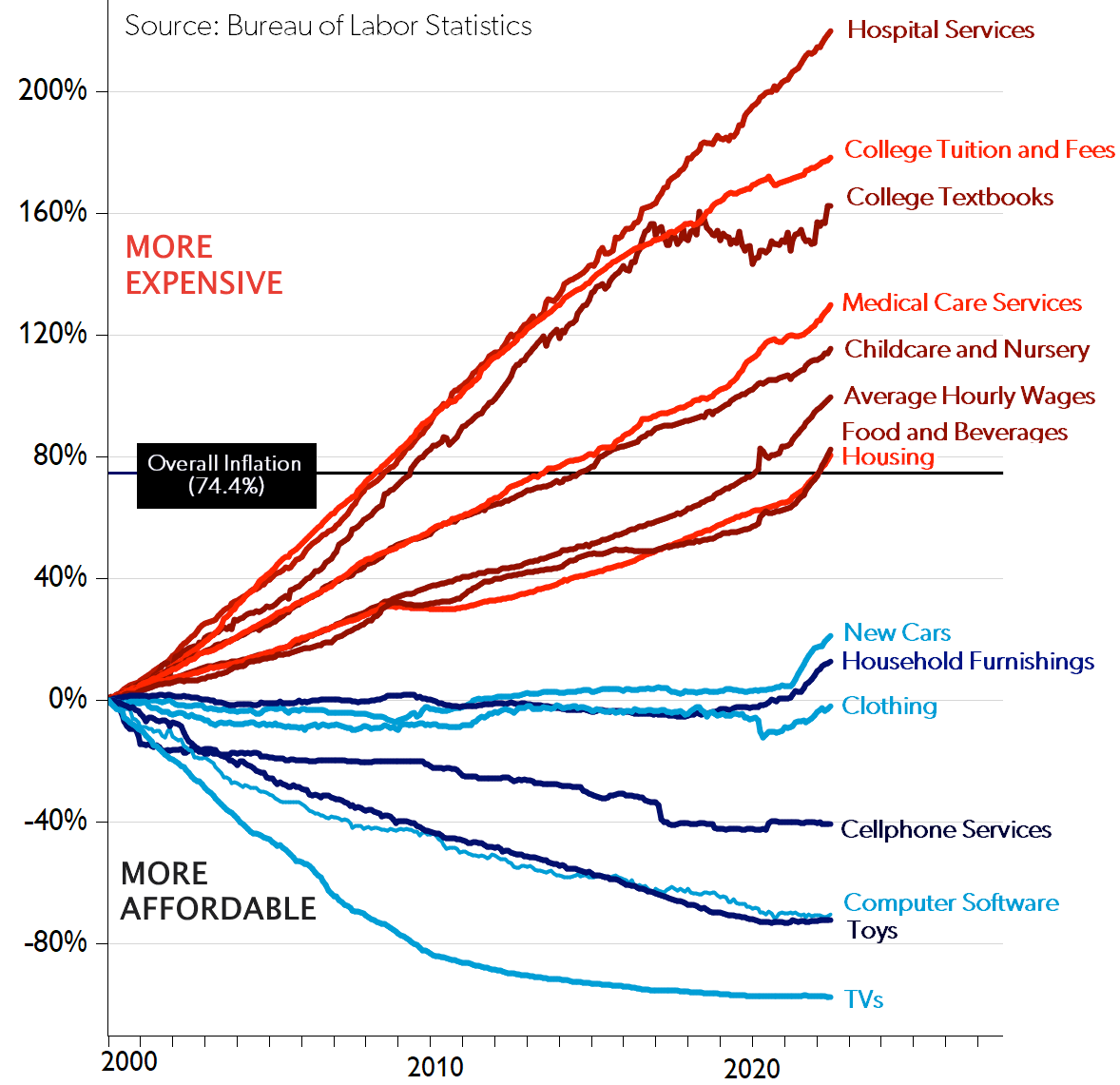
However, modern economic indicators suggest a widening gap between Adams’s vision and contemporary reality. Data highlighted during the Cooper Union address indicates that the United States has entered a period of wealth concentration surpassing even the extremes of the late 19th-century Gilded Age. According to Federal Reserve and economic research data, the top one percent of American households control over thirty percent of the nation’s wealth, while the bottom fifty percent hold a fraction of that total. This severe imbalance has created systemic barriers to education, affordable housing, and healthcare, effectively trapping millions in generational poverty and stripping them of the foundational stability required to pursue economic independence.

The Pledge to Share the American Dream
The discourse at Cooper Union was not limited to theoretical critique; it was accompanied by substantial philanthropic commitments aimed at immediate relief and long-term structural change. The speaker detailed a multi-phase philanthropic initiative designed to redistribute wealth into critical societal infrastructure and poverty alleviation programs.
In the short term, the initiative deployed million-dollar grants to a diverse array of established nonprofit organizations. These included humanitarian and civil rights groups such as Team Rubicon, the Children’s Hunger Fund, PEN America, The Trevor Project, the NAACP Legal Defense and Educational Fund, First Generation Investors, Global Refuge, and Planned Parenthood. Additionally, critical investments were directed toward foundational digital and informational infrastructure, including Wikipedia, the Internet Archive, the Common Crawl Foundation, Let’s Encrypt, and independent journalism and open-source software projects.
Beyond immediate charitable contributions, the long-term strategy involves committing half of the speaker’s remaining wealth over a five-year period to seed foundational initiatives aimed at restoring fair access to economic opportunity.
The Chronology of Guaranteed Minimum Income
At the core of the proposed long-term strategy is the implementation of Guaranteed Minimum Income (GMI) models, an economic concept with a rich and documented history in American policy development. Proponents argue that direct, unconditional cash assistance represents the most efficient and dignified method for eradicating poverty and unlocking human potential.
The lineage of guaranteed income proposals spans centuries:
- 1797: Founding Father Thomas Paine proposed a national retirement pension funded by estate taxes, establishing an early intellectual precedent for public economic security.
- 1935: The federal government enacted the Social Security Act in response to the Great Depression, successfully reducing senior poverty rates from historic highs to modern lows.
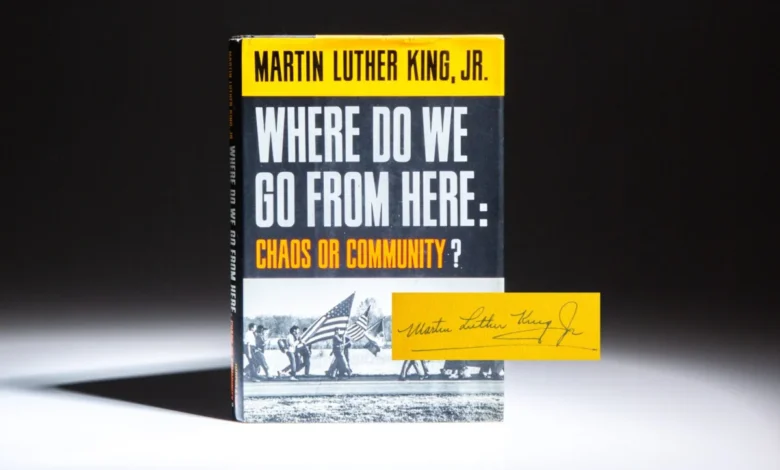
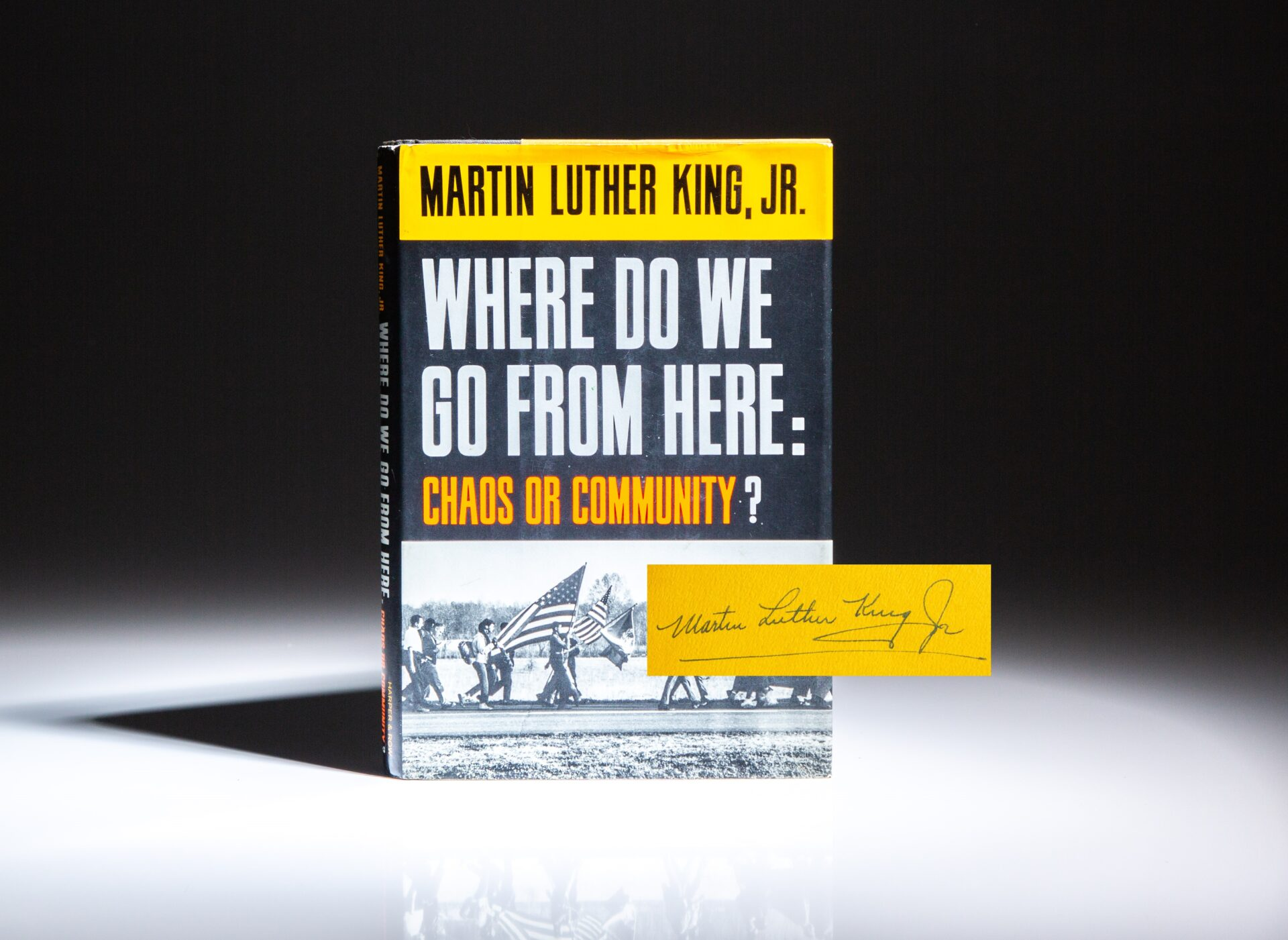
- 1967: Civil rights leader Martin Luther King Jr., in his book Where Do We Go from Here: Chaos or Community?, made a definitive moral and economic case for guaranteed income as a primary weapon against poverty.
- 1972: Congress established the Supplemental Security Income (SSI) program to provide direct cash assistance to low-income elderly, blind, and disabled individuals.
- 1975: The enactment of the Earned Income Tax Credit (EITC) provided vital tax relief to working-class families, recognized by the Census Bureau as one of the nation’s most effective anti-poverty tools.
- 2019: Former Stockton, California Mayor Michael Tubbs launched the Stockton Economic Empowerment Demonstration (SEED), providing unconditional monthly cash payments and demonstrating measurable improvements in recipient stability and employment.
- 2023: OpenResearch concluded the largest unconditional cash study to date in the United States, providing comprehensive empirical data on the efficacy of direct financial support.
Methodology and Implementation of Rural GMI Studies
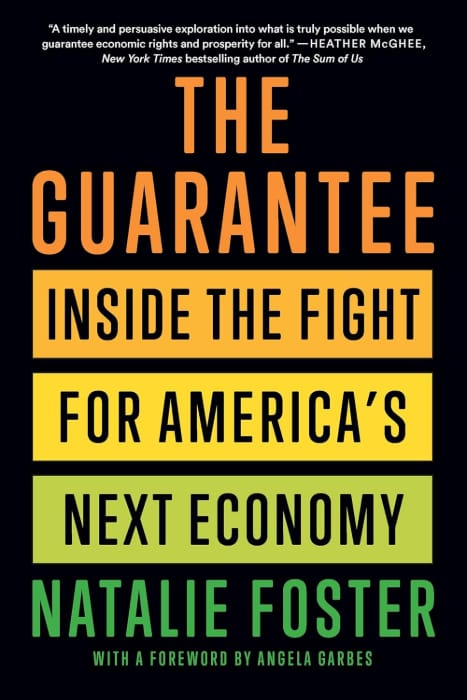
To transition from policy theory to practical application, the newly announced initiative is partnering with established research and implementation organizations, including GiveDirectly and OpenResearch. The strategy focuses specifically on rural American communities—regions historically plagued by persistent poverty, limited job growth, and restricted access to healthcare and education.
Rural counties, particularly in areas like Appalachia and the Mississippi Delta, exhibit poverty rates significantly higher than national urban averages. By targeting these smaller populations, the initiative aims to conduct tightly controlled, scientifically rigorous studies. Participants will receive unconditional cash transfers, with researchers measuring outcomes related to employment, entrepreneurship, education, health, and community engagement.
The operational framework relies heavily on grassroots collaboration. Organizers plan to integrate local community institutions—such as churches, civic groups, community colleges, and local businesses—alongside veteran-serving organizations. Engaging military veterans, known for leadership and civic commitment, is intended to ground the initiative in traditional values of self-reliance and mutual aid.
Broader Implications and Democratic Foundations
Analysts and economists observing the GMI movement emphasize that economic security serves as the bedrock of a functioning democracy. When citizens are relieved of the chronic stress of basic survival—securing food, housing, and medical care—they gain the autonomy required to fully participate in civic life, pursue education, launch businesses, and exercise their right to vote.
Critics and skeptics of unconditional cash transfers often raise concerns regarding work disincentives and fiscal sustainability. However, data compiled from ongoing pilot programs across the country consistently suggest that recipients utilize funds primarily for immediate necessities, debt reduction, and investments in education or employment, frequently leading to increased workforce participation rather than dependency.
The Cooper Union event concluded with a broader call to action, drawing parallels to historical figures like Aaron Swartz, who advocated for the democratization of public information and knowledge. The overarching message framed wealth redistribution and guaranteed income not as acts of charity, but as essential investments in the preservation of the democratic experiment and the fulfillment of the nation’s founding promise of life, liberty, and the pursuit of happiness.