Tech Veteran Jeff Atwood and Partner Betsy Launch $50 Million Rural Guaranteed Minimum Income Initiative to Rebuild the American Dream

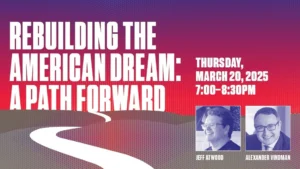
The landscape of modern philanthropy is undergoing a quiet yet seismic shift as prominent technologists and entrepreneurs reevaluate the accumulation of generational wealth in the post-pandemic economic era. Jeff Atwood, best known as the co-founder of Stack Overflow and the author behind the long-running software development blog Coding Horror, has formally stepped into a new chapter of civic engagement. One year after issuing a public call to action inviting Americans to participate in a shared pledge to preserve the American Dream, Atwood and his partner, Betsy, have committed a staggering $50 million—representing half of their remaining personal wealth—to establish the Rural Guaranteed Minimum Income Initiative (RGMII).
This ambitious endeavor marks Atwood’s third and final startup, transitioning his career from building digital communities for software engineers to engineering systemic solutions for rural poverty across the United States. Unlike traditional corporate foundations that often bear the names of their founders, the RGMII operates with a singular, laser-focused mission: to advance, study, and implement direct cash transfer models specifically tailored to America’s overlooked and economically distressed rural counties.
The Evolution of a Philanthropic Mission
The seeds of this initiative were planted long before the public launch, anchored by a philosophy that crystallized following the landmark acquisition of Stack Overflow by Prosus in June 2021 for a reported $1.8 billion. That liquidity event placed Atwood among a fortunate tier of technology leaders forced to confront a deeply philosophical question: When, exactly, is enough?
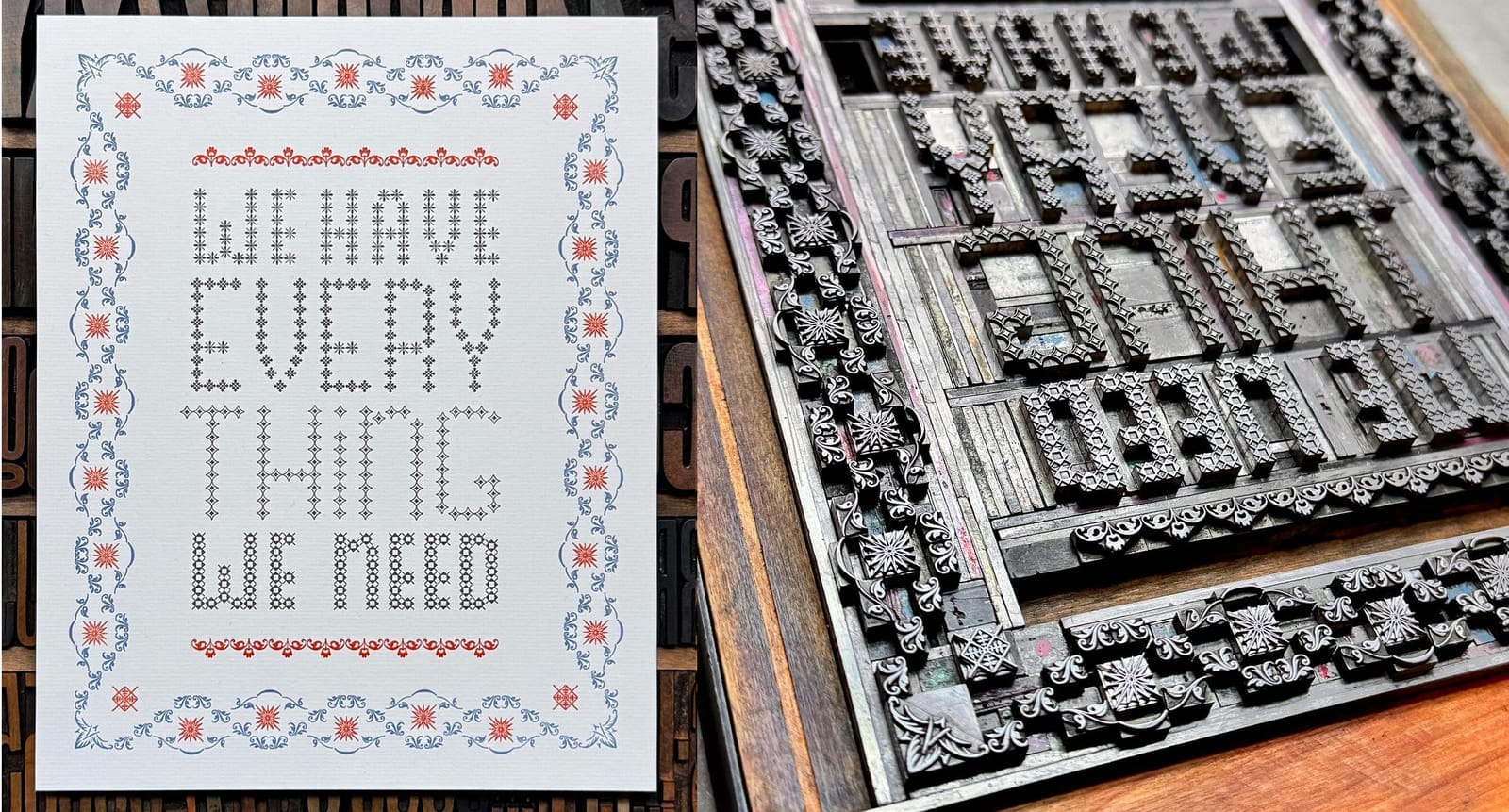
Drawing inspiration from a famous philanthropic quote by Mary Gates—mother of Microsoft co-founder Bill Gates—which states, “From those to whom much is given, much is expected,” Atwood and his family decided that their substantial financial fortune carried a corresponding ethical obligation. In a recent podcast appearance discussing the initiative, Betsy articulated the core ethos driving their wealth redistribution: “We have everything we need! That’s how I’ve always phrased it to our children. That, I think, extends to our philanthropy. We have everything we need; how do we make sure everybody has what they need? Because that’s the basic thing — Do you have a comfortable place to live? Do you have enough to eat? Do you have healthcare? If you have the basics, you’re in a good place in life, and everybody should have that opportunity.”
This philosophy manifested rapidly in early 2025. Initially, the couple pledged $1 million to each of eight established nonprofit charities operating across the United States. However, as the immediacy of economic distress became acutely apparent, they rapidly escalated their short-term contributions, injecting an additional $13 million within months. By the time the dust settled on their immediate relief phase, the couple had deployed approximately $21 million to combat pressing, emergency-level needs.

Transitioning from Reactive Relief to Systemic Reform
Despite the immediate necessity of emergency donations, Atwood recognized the limitations of reactive philanthropy. Fighting individual financial fires as they ignite is an endless cycle that fails to address the underlying tinder. True philanthropic sustainability requires fire abatement—tackling the root systemic causes of poverty to reduce the frequency and severity of financial crises in American households.
Consequently, Atwood and Betsy dedicated the lion’s share of their remaining capital to long-term structural reform. Following months of internal deliberation and public brainstorming modeled loosely on the historical framework of the RAND Corporation combined with the modern mobilization tactics of Lever for Change, the couple reached a firm consensus by March 2025: the most viable path forward was Guaranteed Minimum Income (GMI).
The RGMII model represents a refined evolution of Universal Basic Income (UBI). While UBI traditionally advocates for indiscriminate, universal cash distributions to every citizen regardless of socioeconomic status, GMI strategically directs funds toward populations experiencing the highest levels of economic vulnerability, with a heavy emphasis on families trapped in generational poverty.
The Rationale Behind Rural Focus
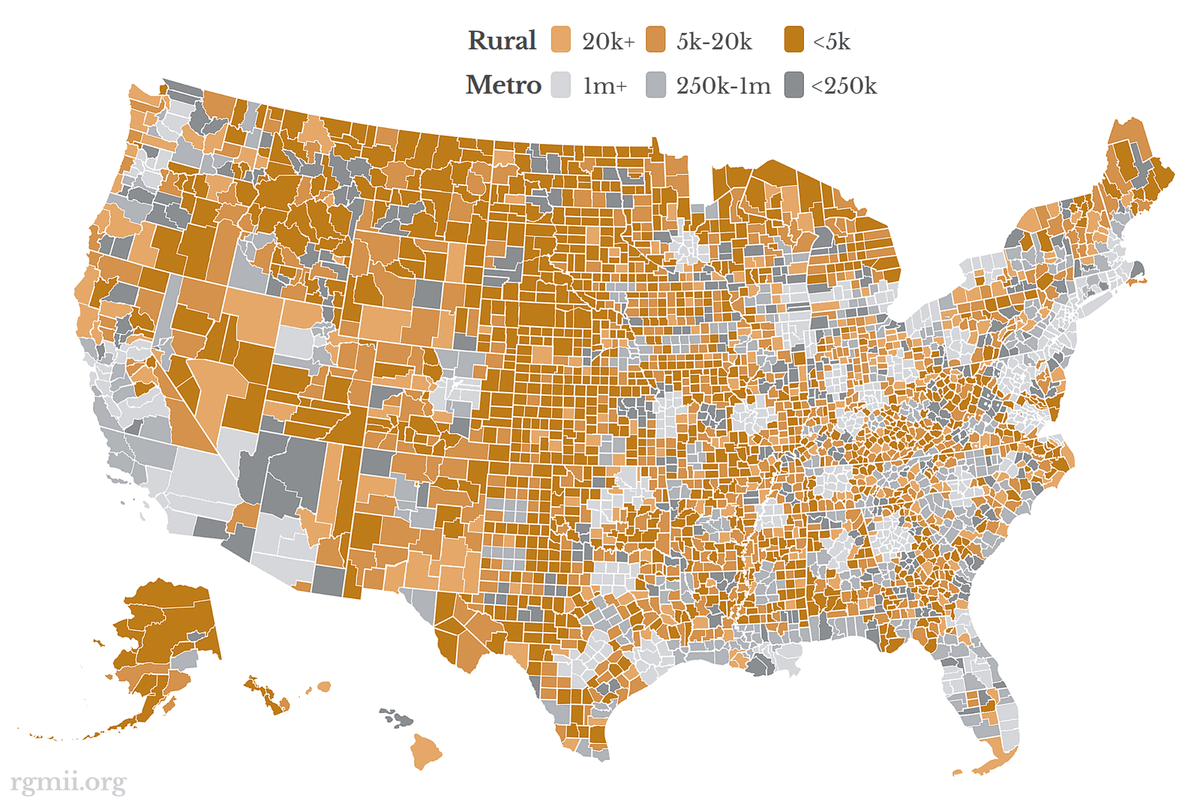
The decision to focus exclusively on rural counties rather than dense metropolitan centers is rooted in both statistical realities and personal history. Atwood grew up in a rural environment, an upbringing that instilled in him an acute awareness of the untapped talent, resilience, and economic hurdles facing America’s small towns.
Statistically, rural communities present a unique operational environment for poverty reduction initiatives. Federal and state aid often flows disproportionately to urban centers, leaving rural areas acutely underserved. Furthermore, the math of philanthropy changes dramatically outside major cities: every dollar donated stretches significantly further due to lower costs of living, and smaller population sizes allow for tightly controlled, highly measurable academic studies.
The RGMII launched its inaugural phase by funding county-level pilot programs across three distinct geographic regions: Mercer County, West Virginia; Beaufort County, North Carolina; and Warren County, Mississippi. These initial initiatives are designed to lift thousands of residents out of immediate poverty over a structured 16-month period while simultaneously gathering and publishing open-source data to evaluate the long-term efficacy of direct cash transfers.

Real-World Impacts and Human Stories
The tangible impact of the RGMII is best illustrated through the lives of its beneficiaries. Take, for instance, Stacy D., a resident of Mercer County, West Virginia, and a recipient of the RISE program under the RGMII umbrella. Moving to a new region without an established familial support network presented immediate hurdles.
“I moved here with my family, and I have no family up here other than who I brought with me,” Stacy shared in program documentation. “So, how most people can be like, ‘Hey, I’m having a hard time. Got $20 or a pack of diapers.’ I have nobody up here to do that. So, if me and my husband don’t figure it out, it don’t get figured out.”
Stacy, who worked full-time until experiencing a high-risk pregnancy she had prayed for over a decade, faced a compounding series of crises common among families in generational poverty. On the exact day she was medically cleared to return to the workforce, the family’s sole vehicle—capable of transporting all five of their children—suffered a catastrophic breakdown. Without a car, running basic errands like grocery shopping or taking an infant to routine medical appointments required borrowing vehicles and navigating complex logistics. The infusion of guaranteed minimum income provided the financial bridge necessary to repair the family vehicle, restore employment, and stabilize their household.

Fact-Based Analysis: The Data Behind Direct Cash Transfers
Critics of guaranteed income programs have historically raised concerns regarding work disincentives and inflationary pressures. However, contemporary socioeconomic research paints a markedly different picture. Extensive data compiled across various pilot programs globally and domestically—including Stockton, California’s SEED program and numerous other municipal basic income trials—indicate that unconditional cash transfers do not lead to significant reductions in employment. Instead, they consistently yield measurable improvements in physical health, mental well-being, housing stability, and educational outcomes.
By providing families with predictable, unconditional cash flow, recipients are empowered to manage unexpected emergencies—such as car repairs or medical bills—without resorting to high-interest predatory payday loans. In rural contexts, where banking infrastructure can be sparse and transportation costs severely limit employment mobility, removing immediate liquidity constraints often acts as the exact catalyst needed for individuals to re-enter the workforce, pursue education, or launch local micro-enterprises.
Broader Implications and Future Outlook
The launch of the Rural Guaranteed Minimum Income Initiative arrives at a pivotal juncture in American sociopolitical discourse. As debates surrounding wealth inequality, automation, and the shifting labor market dominate policy discussions, private philanthropic ventures are increasingly stepping in to fund large-scale social science experiments that federal and state legislatures are often slow to adopt.
Atwood has emphasized that the RGMII is designed to be an open-source enterprise. The organization invites external donors, policy experts, and community leaders to sponsor county-scale expansions with the ultimate objective of establishing GMI studies across all 50 states. By generating transparent, rigorous empirical data, the initiative hopes to shift public perception and inform future legislative frameworks.
For Atwood, this $50 million commitment represents more than just a financial transaction; it is a deliberate choice to walk the path of social investment over passive wealth accumulation. As the Coding Horror blog transitions back to its traditional software development content, all future updates regarding the GMI initiative will be housed on dedicated platforms at rgmii.us and staygold.us.
In a concluding reflection on the initiative, Atwood distills the overarching philosophy of his final startup into a singular, resonant truth: “Dreams, like happiness, are only real when shared. So let’s do that together.”