The Best Under-the-Radar US Destinations for an Affordable Autumn Getaway

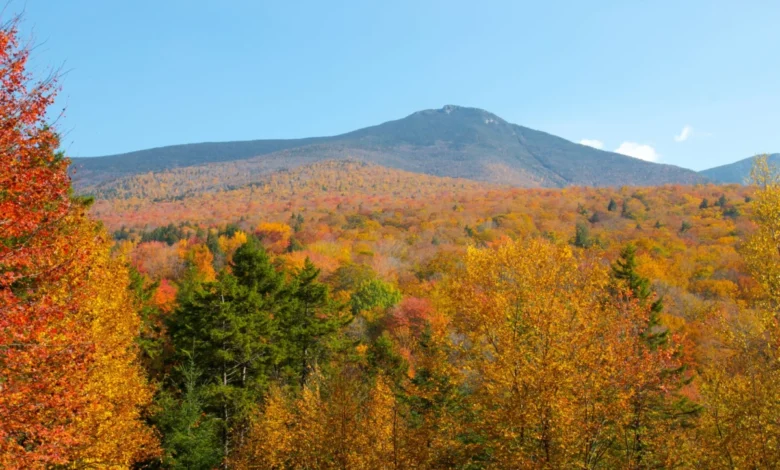
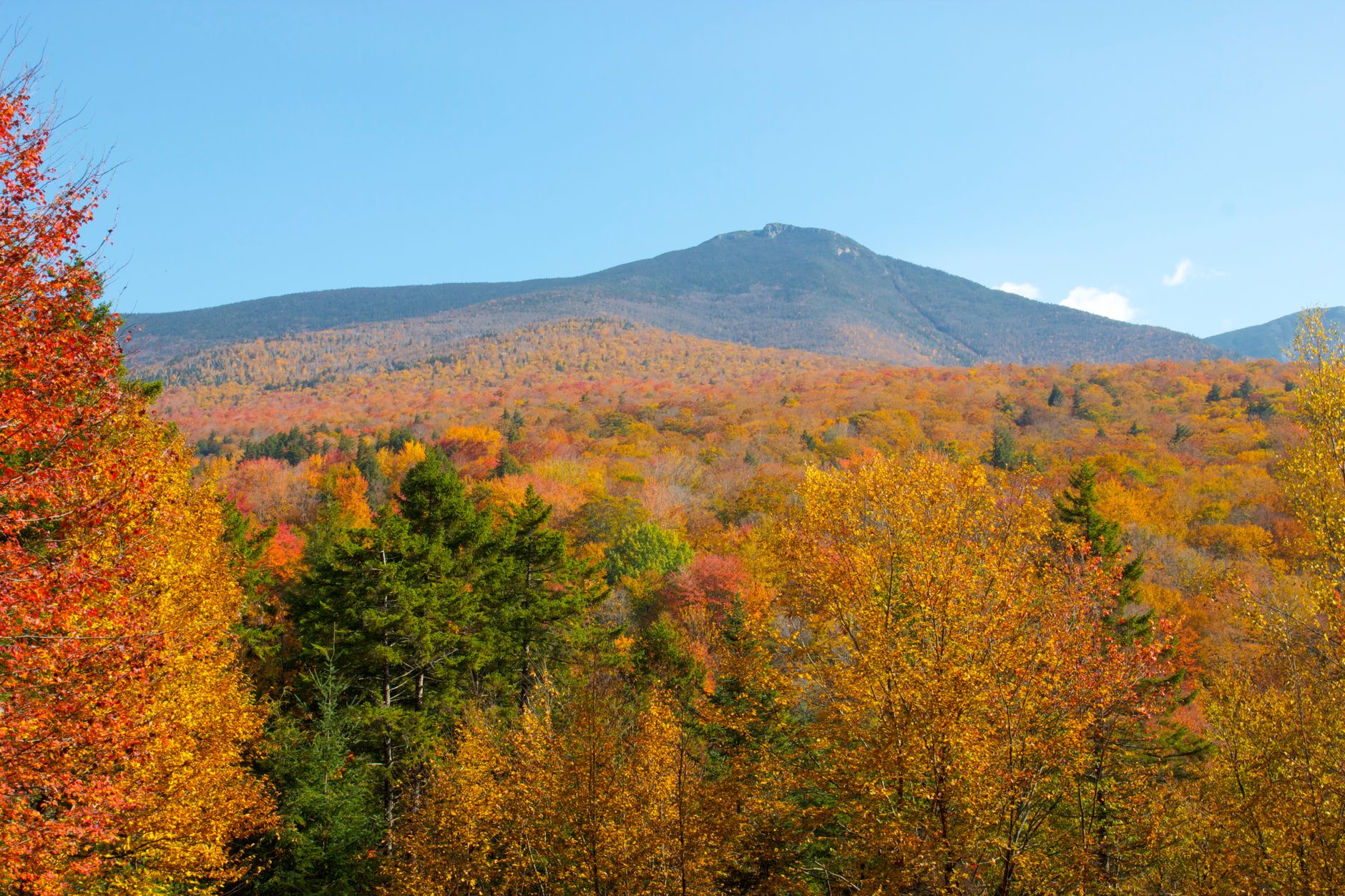
The annual migration of travelers toward New England’s leaf-peeping corridors in October has become a predictable phenomenon, often characterized by inflated lodging costs and significant vehicular congestion. Data from travel analytics firms suggest that popular foliage destinations in Vermont and New Hampshire frequently see occupancy rates exceed 95% during the peak weeks of October, driving average nightly rates for inns and boutique hotels upward by as much as 60% compared to off-season pricing. However, a growing segment of the travel market is shifting focus toward secondary, tier-two cities that offer comparable seasonal aesthetics, regional culinary experiences, and cultural depth without the premium price tags associated with tourism hotspots.
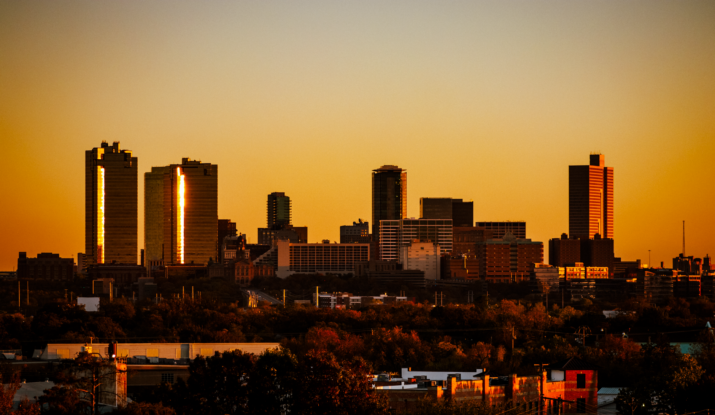
The Economic Case for Off-Peak Travel
Travel economists note that the post-Labor Day window represents a "shoulder season" shift in the domestic tourism industry. As the academic year commences, the volume of family-oriented travel declines, leading to a natural contraction in demand for hospitality services. According to industry reports, domestic hotel rates in regional urban centers typically experience a 20% to 30% reduction in the weeks following the first Monday in September. This price correction allows for a more sustainable allocation of travel budgets, enabling visitors to prioritize local experiences—such as independent dining, regional wine tasting, and outdoor excursions—over high-cost accommodation.
The strategy of targeting "underrated" locales is rooted in the concept of regional parity. Smaller cities often possess the same architectural or geographical assets as major tourist hubs—walkable downtowns, preserved historic districts, and access to state parks—without the density of visitors that necessitates aggressive surge pricing.

Pacific Northwest: Coastal and Viticultural Alternatives
In the Pacific Northwest, the town of Astoria, Oregon, serves as an example of a destination leveraging its historical significance and unique geography to attract travelers. Situated at the confluence of the Columbia River and the Pacific Ocean, Astoria functions as a gateway to the region’s maritime history. With a population of approximately 10,000, the city maintains a dense concentration of Victorian architecture that is often overshadowed by larger metropolitan centers.
Concurrently, Walla Walla, Washington, has emerged as a significant player in the domestic viticulture sector. With over 100 wineries within a relatively contained geographic radius, the region provides an alternative to the high-cost tasting rooms of California’s Napa Valley. Agricultural analysts note that the harvest season in Walla Walla typically extends from late September through November, offering a consistent experience for oenophiles while maintaining a price point that remains accessible for mid-range travelers.
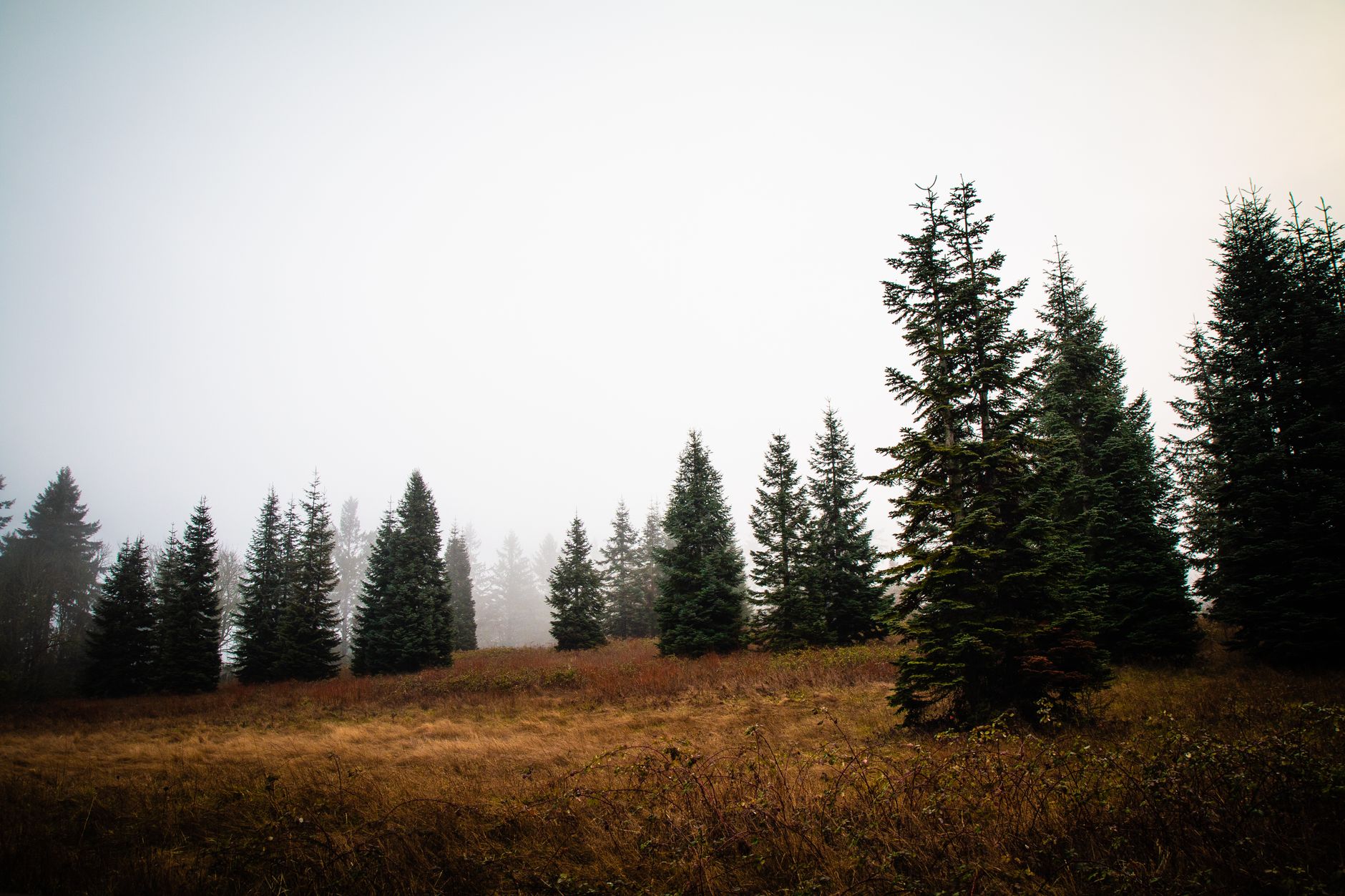
Midwestern Resilience and Aesthetic Appeal
The Midwest often faces a perception gap in national travel reporting, yet cities such as Galena, Illinois, and Duluth, Minnesota, demonstrate significant seasonal appeal. Galena, a former lead-mining center, provides a preserved 19th-century aesthetic that is protected under the National Register of Historic Places. Because the town is located approximately 160 miles from the Chicago metropolitan area, it functions as a primary weekend destination for regional tourists, yet it remains relatively unknown to coastal travelers.
Duluth, positioned at the western terminus of Lake Superior, offers a different environmental profile. The city’s integration with the boreal forest allows for a distinct foliage cycle that peaks earlier than in more temperate climates. The development of the Superior Hiking Trail has transformed the city into an outdoor hub, allowing for a mix of wilderness exploration and urban amenities. Local hospitality boards have observed that by spacing visits in mid-October, tourists can bypass the peak summer crowds while still benefiting from milder temperatures before the onset of winter conditions.

Southern and Southeastern Fall Transitions
For travelers seeking to avoid the colder temperatures of the North, the Southeast offers its own version of autumnal transition. Dahlonega, Georgia, situated in the foothills of the Blue Ridge Mountains, provides a topographical environment conducive to fall foliage viewing. As a historical site of the first major U.S. gold rush, the town’s economy has pivoted toward tourism and viticulture. The proximity of the Chattahoochee National Forest ensures that the surrounding ecosystem remains a primary draw for hikers and outdoor enthusiasts.
In Tennessee, Chattanooga has undergone a sustained urban revitalization effort, resulting in a robust riverfront district and increased accessibility to the Tennessee River Gorge. Unlike Nashville, which has seen exponential growth in hotel costs, Chattanooga offers a more stable pricing model. The city’s geography, defined by the Cumberland Plateau, creates a microclimate that remains comfortable through October, allowing for extended outdoor activity without the thermal stress of summer.
The Northeast Corridor Beyond the Peaks
The Northeast remains the primary destination for autumn tourism; however, the concentration of visitors in specific towns, such as Stowe, Vermont, creates a bottleneck effect. Alternatives like Hudson, New York, and Brattleboro, Vermont, offer a different experience. Hudson, located along the Hudson River, has seen a resurgence as a hub for arts and antiques. Its reliance on the rail connection to New York City makes it a logistical outlier for travelers seeking to avoid the stress of highway traffic.
Brattleboro, situated on the Connecticut River, provides the quintessential Vermont atmosphere—farmers’ markets, independent bookstores, and proximity to diverse terrain—without the high-density tourist infrastructure of the state’s northern mountain towns. By opting for these locations, travelers can experience the same environmental conditions as their counterparts in more expensive zones while significantly reducing total expenditure.
Strategic Planning for Budget Optimization
To maximize the value of an autumn excursion, travel consultants suggest several tactical adjustments to the traditional booking process:
- Mid-week Scheduling: By shifting travel dates to include Tuesday or Wednesday, visitors can often secure rates 15–20% lower than those offered for weekend stays.
- Geographic Offsetting: Selecting secondary cities that are located within 30 to 50 miles of major tourist hubs allows for proximity to attractions while ensuring lower lodging costs.
- Calendar Alignment: Monitoring local agricultural cycles is essential. While foliage typically peaks in the second and third weeks of October for most of the northern U.S., Southern regions often experience peak foliage in late October or early November. Aligning travel dates with these regional variances is critical to a successful trip.
- Direct Booking: Utilizing direct communication with independent inns or bed-and-breakfasts can occasionally bypass the service fees levied by large online travel agencies (OTAs), providing better value for both the guest and the proprietor.
Analytical Outlook
The trend toward "underrated" travel is not merely a cost-saving measure; it represents a broader shift in consumer behavior toward more authentic, less congested experiences. As major tourist destinations continue to grapple with the externalities of "overtourism"—including infrastructure strain, noise pollution, and environmental degradation—the redistribution of visitors to smaller, equally capable cities provides a more sustainable model for the travel industry.

The current data suggests that while these secondary markets are growing in popularity, they have not yet reached the saturation point that necessitates restrictive tourism policies. Consequently, the next several seasons represent a window of opportunity for travelers to engage with these regions before they are fully integrated into the mainstream tourism circuit. For the budget-conscious traveler, the objective remains clear: by prioritizing regional depth and seasonal timing over brand-name destinations, one can achieve a high-quality travel experience that remains well within financial parameters.
Ultimately, the choice of destination should be governed by an assessment of the traveler’s specific interests—whether that be the maritime history of the Pacific, the industrial history of the Midwest, or the mountain geography of the South—rather than the popularity rankings of mainstream travel publications. Through disciplined research and strategic scheduling, the autumn travel season remains one of the most cost-effective and rewarding periods for domestic exploration.