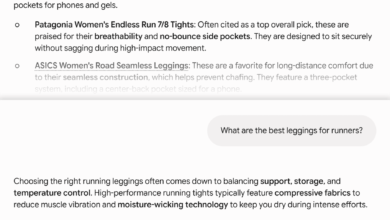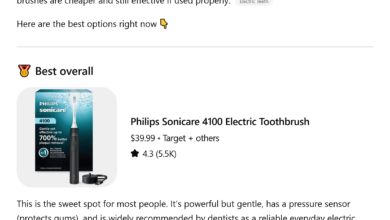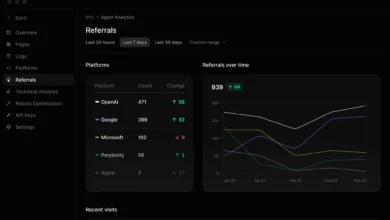
In the modern landscape of digital marketing, a pristine website, exceptional content, and a seamless user experience are no longer sufficient to guarantee visibility. Brands increasingly find themselves invisible to major search engines and artificial intelligence tools despite meeting every traditional technical benchmark. The underlying shift stems from how discovery engines operate today: algorithms utilized by Google and conversational models like ChatGPT do not evaluate a domain in isolation. Instead, they cross-reference external validation, scrutinizing what credible, independent sources across the web communicate about a brand to establish its identity, authority, and trustworthiness.
The Evolution of Search and Entity Recognition
Historically, search engine optimization (SEO) focused heavily on on-page optimization and traditional backlink acquisition—hyperlinks directing traffic from one domain to another. While backlinks remain a foundational ranking signal, the emergence of semantic search, entity-based indexing, and large language models (LLMs) has fundamentally transformed how visibility is earned.

Google’s Knowledge Graph, a massive database mapping relationships between people, organizations, and concepts, relies heavily on third-party brand mentions to build and refine its understanding of business entities. When a trusted industry publication, an expert panel, a community thread, or a podcast references a brand, it constructs a digital footprint. Similarly, LLMs do not scrape individual corporate websites to formulate answers for users; rather, they synthesize the aggregate sentiment, descriptions, and contextual relationships found across the broader web. If an emerging software tool or consumer product is frequently discussed with specific descriptive attributes in authoritative forums, AI models ingest that language and replicate it when answering user queries.
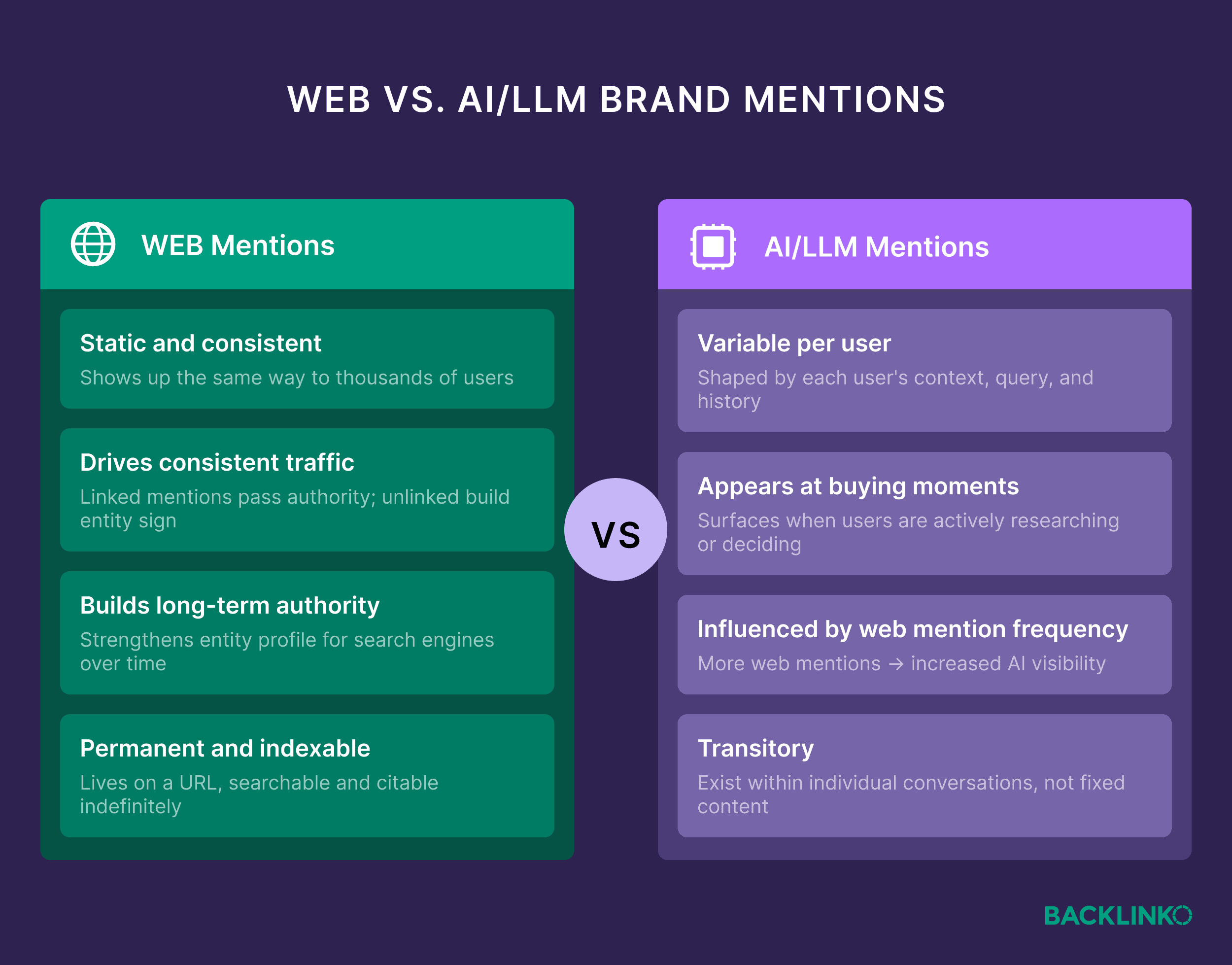
This structural change has elevated the importance of brand mentions—both linked and unlinked. While linked mentions pass direct referral traffic and authority via HTML hyperlinks, unlinked mentions provide vital contextual signals that inform algorithms about a brand’s market standing and relevance.
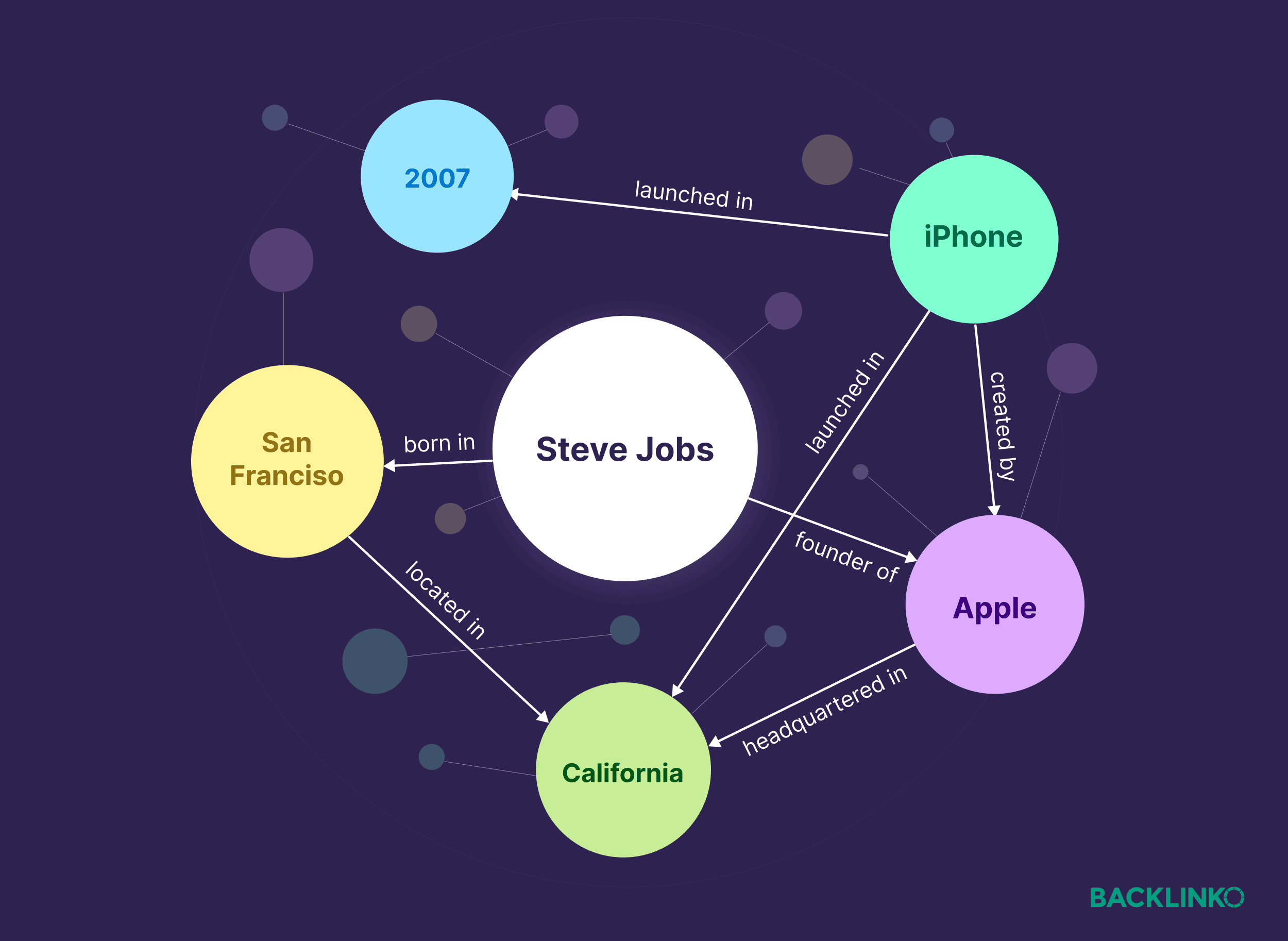
Categorizing Brand Mentions: Authority, Relevance, and Specificity
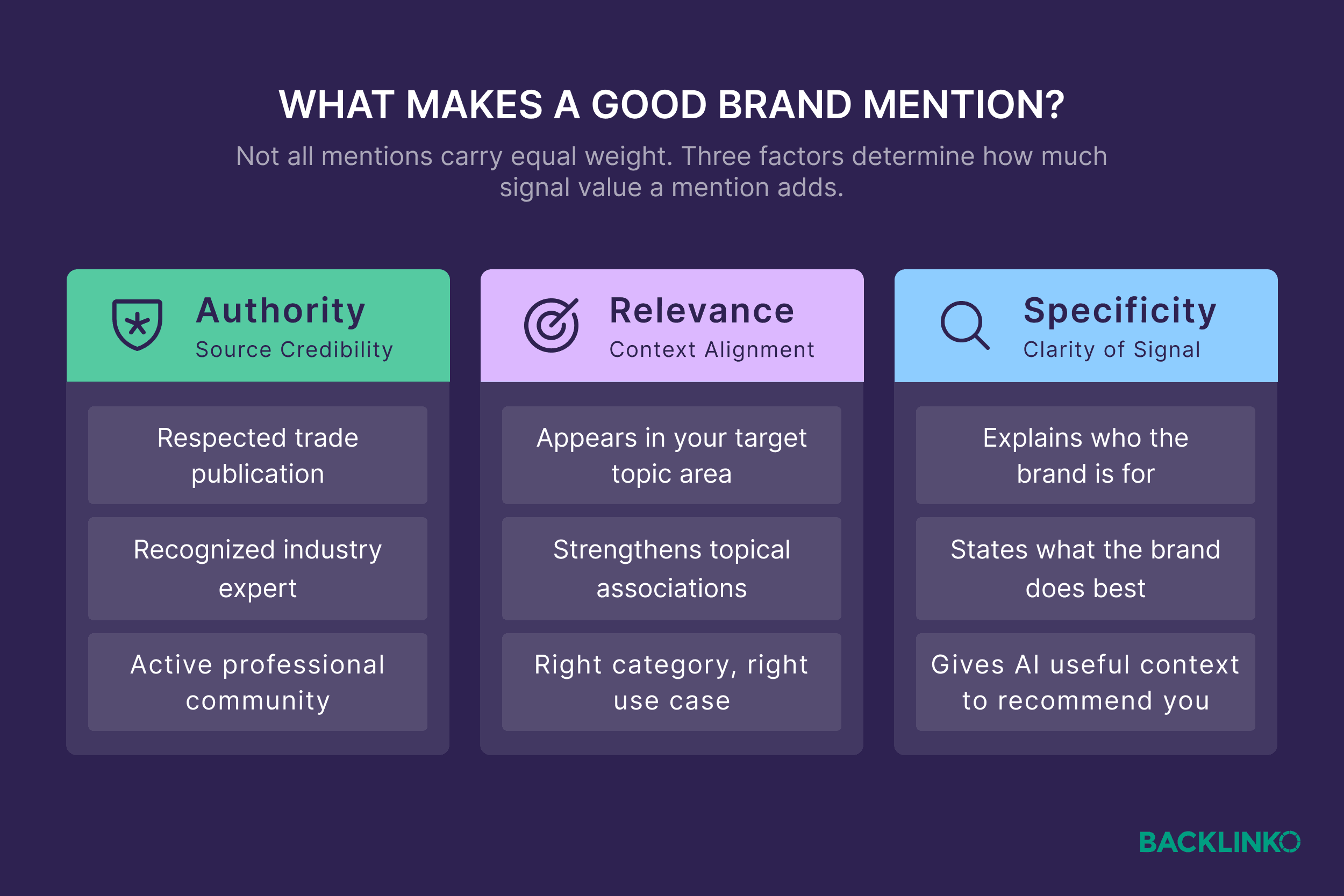
Not all brand mentions carry equal weight in the eyes of search crawlers and AI tokenizers. Industry analysts emphasize three core pillars that dictate the value of a third-party reference: authority, relevance, and specificity.

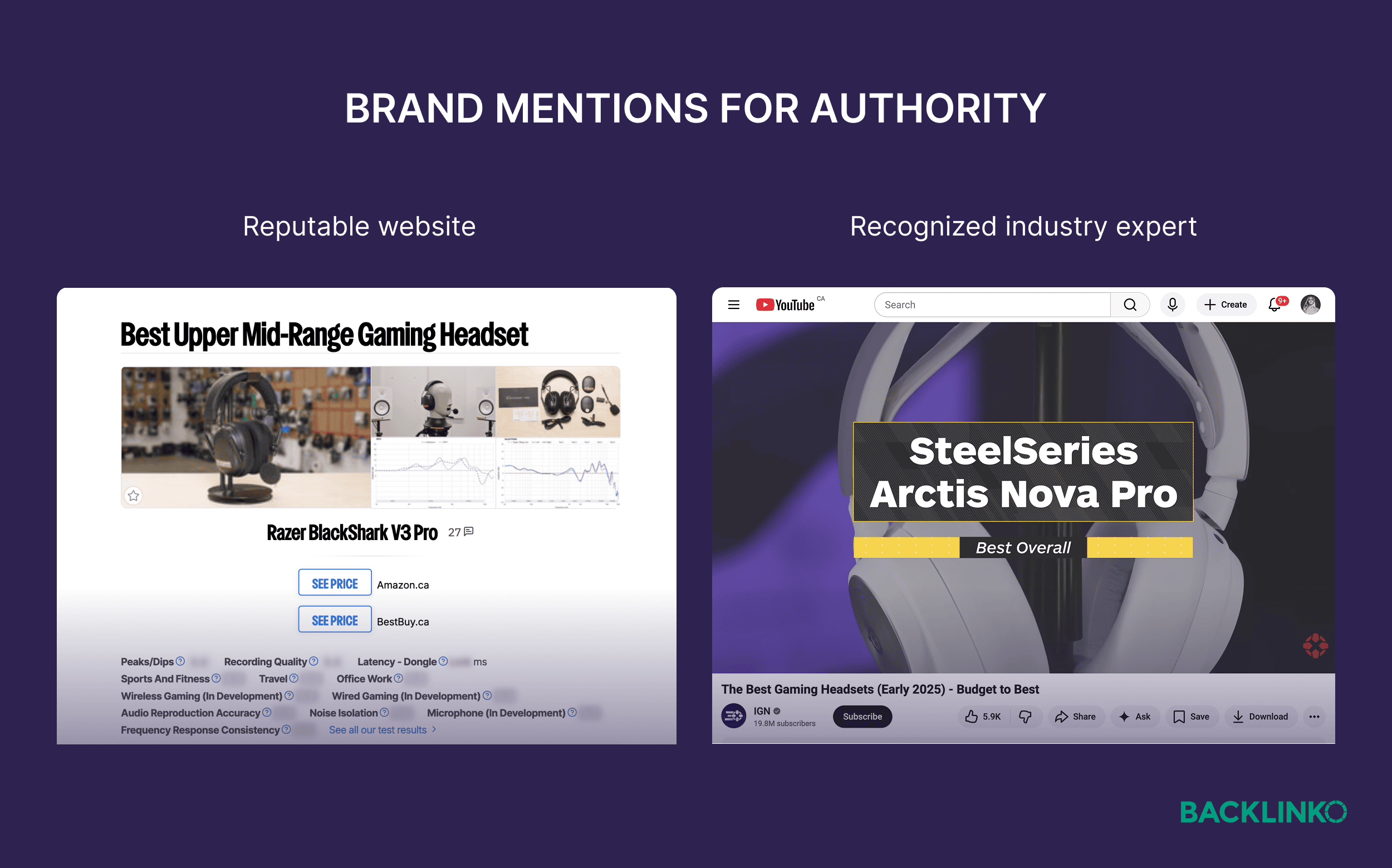
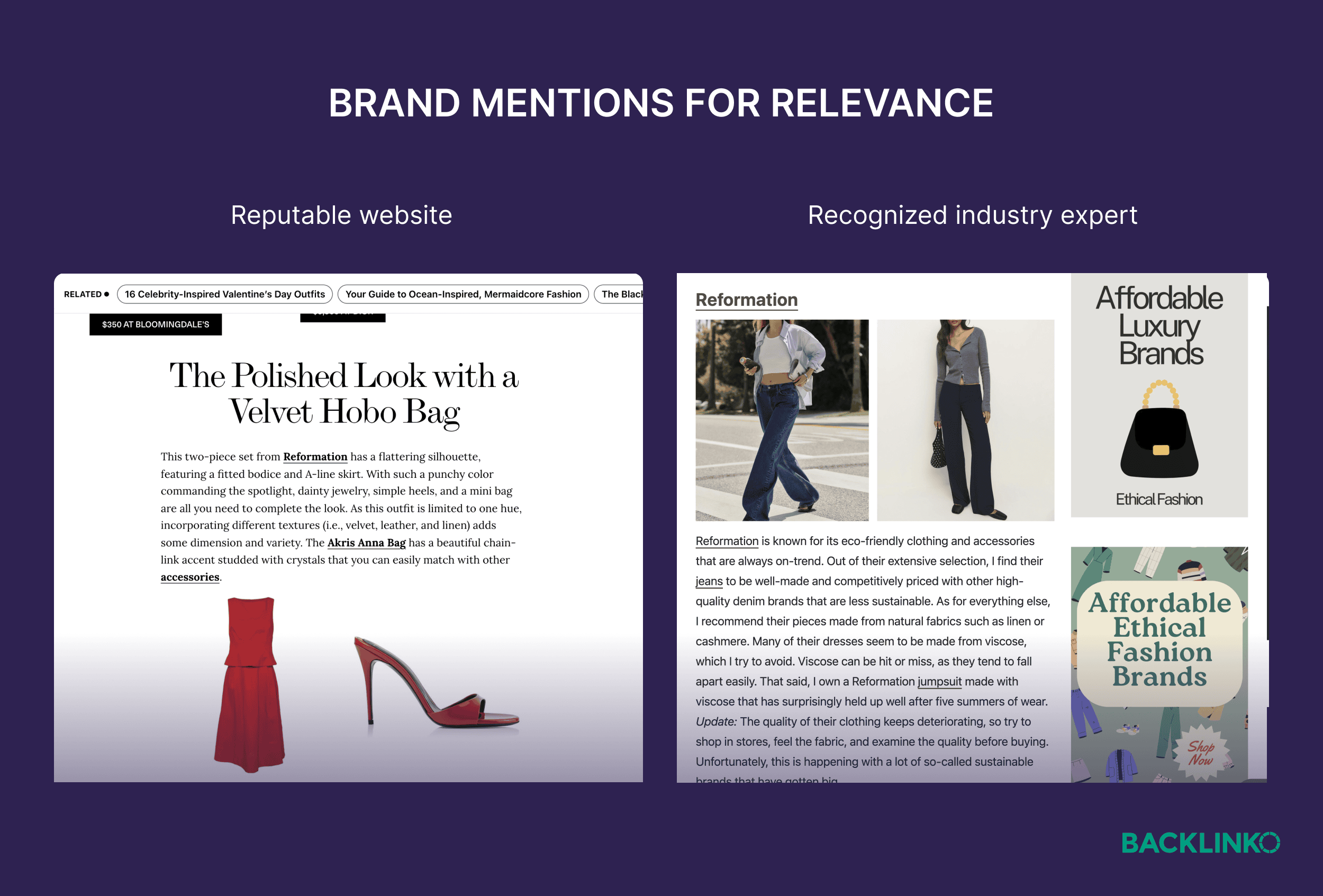
Authority pertains to the credibility and domain strength of the source publishing the mention. A feature in a globally recognized publication or a specialized industry trade journal signals far more trust to an algorithm than an isolated comment on an unvetted, low-traffic blog. Relevance operates on a dual level, requiring both topical alignment between the content and the brand’s core offerings, as well as industry alignment. For instance, a sustainable fashion label mentioned within a comprehensive guide on eco-friendly apparel captures high topical relevance.
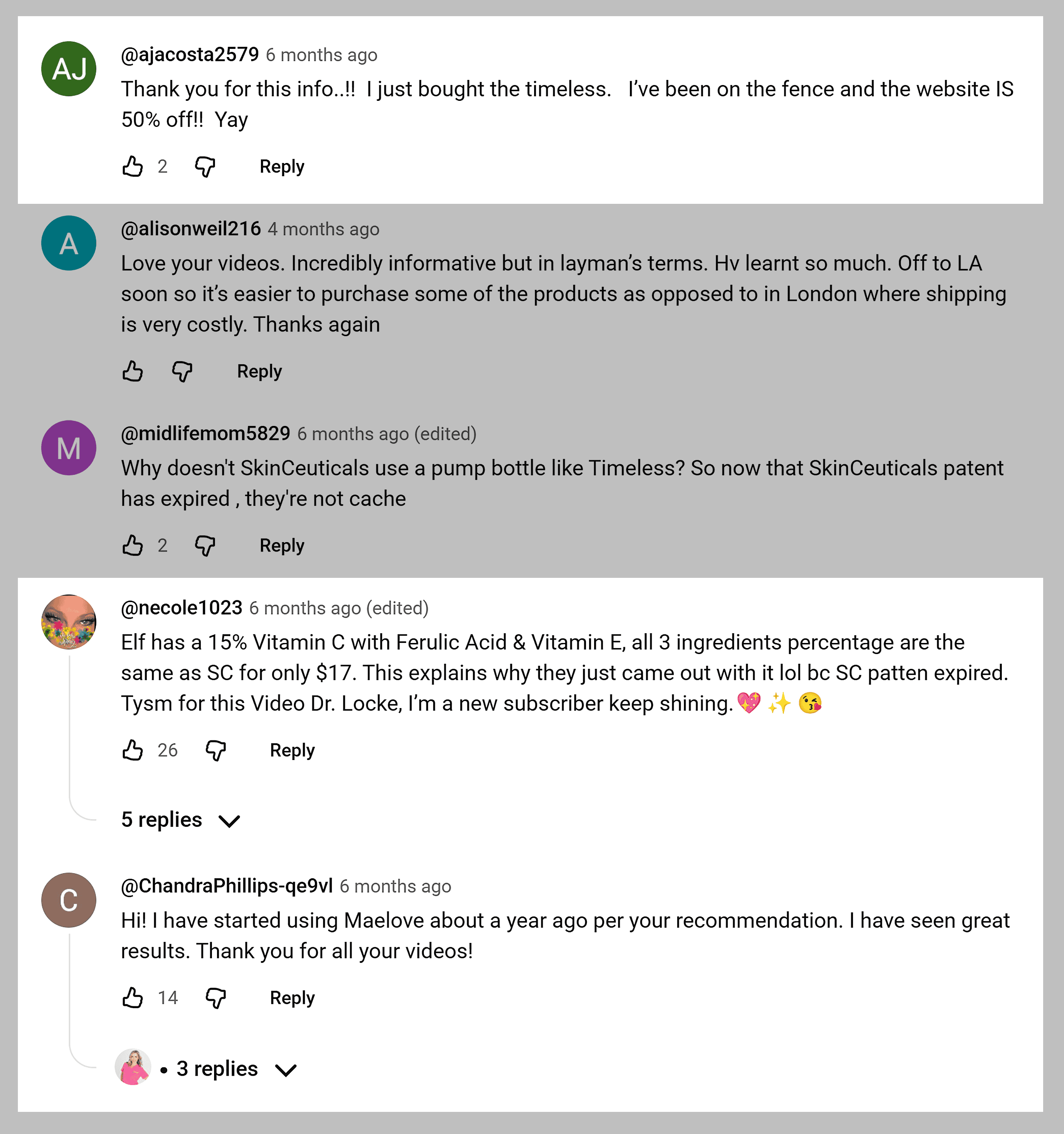
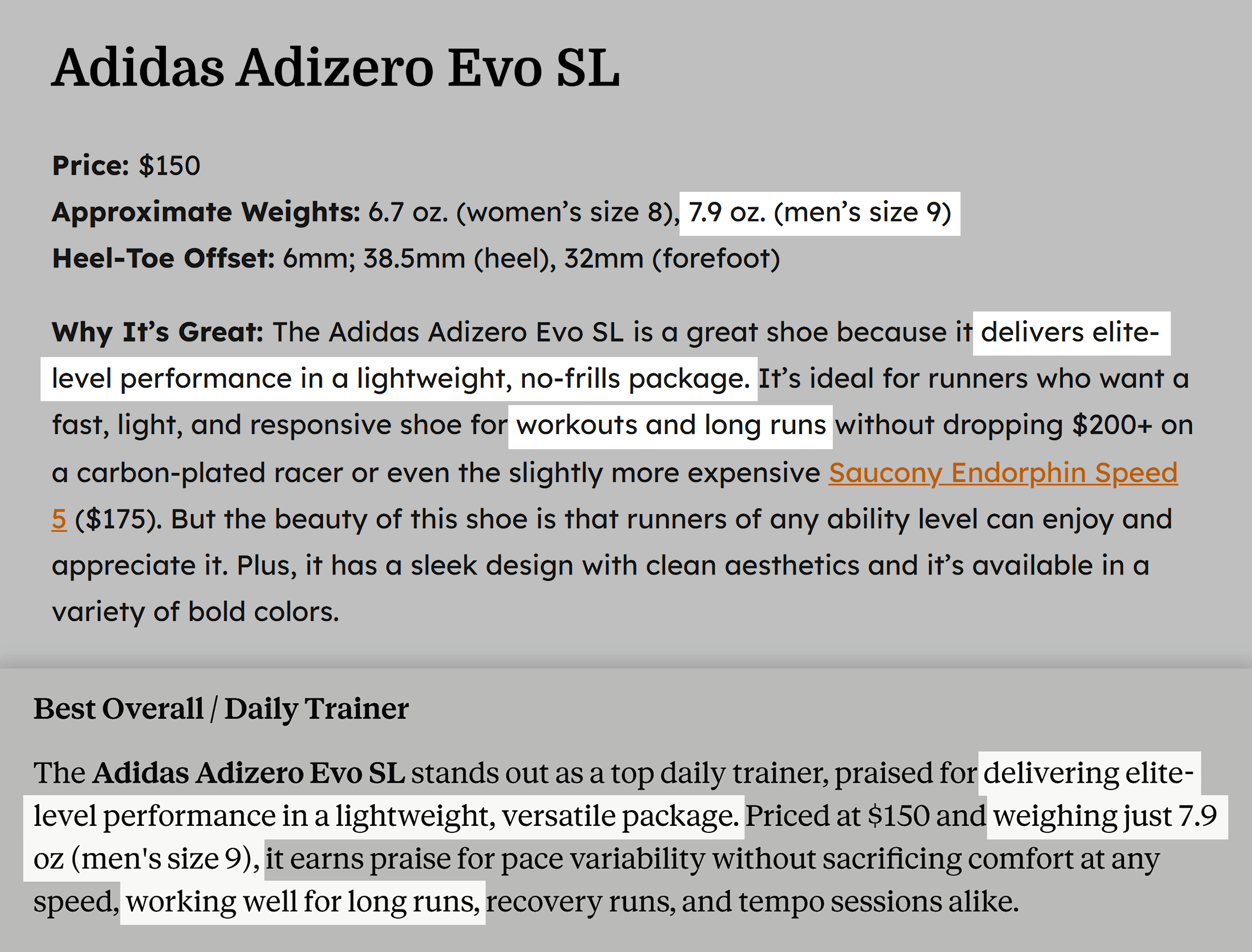
Finally, specificity ensures that the mention provides actionable, detailed data rather than a generic brand drop. Mentions that highlight specific use cases, distinct product features, pricing models, or comparative advantages offer search engines and LLMs the precise parameters needed to recommend that brand for high-intent user queries.
Strategic Frameworks for Earning High-Value Mentions
As businesses adapt to algorithm updates that prioritize third-party consensus, marketing and PR teams are shifting their methodologies from traditional link-building to comprehensive mention acquisition. Four primary tactics have emerged as industry standards for generating organic, high-value brand references.
1. Publishing Original, Data-Driven Research
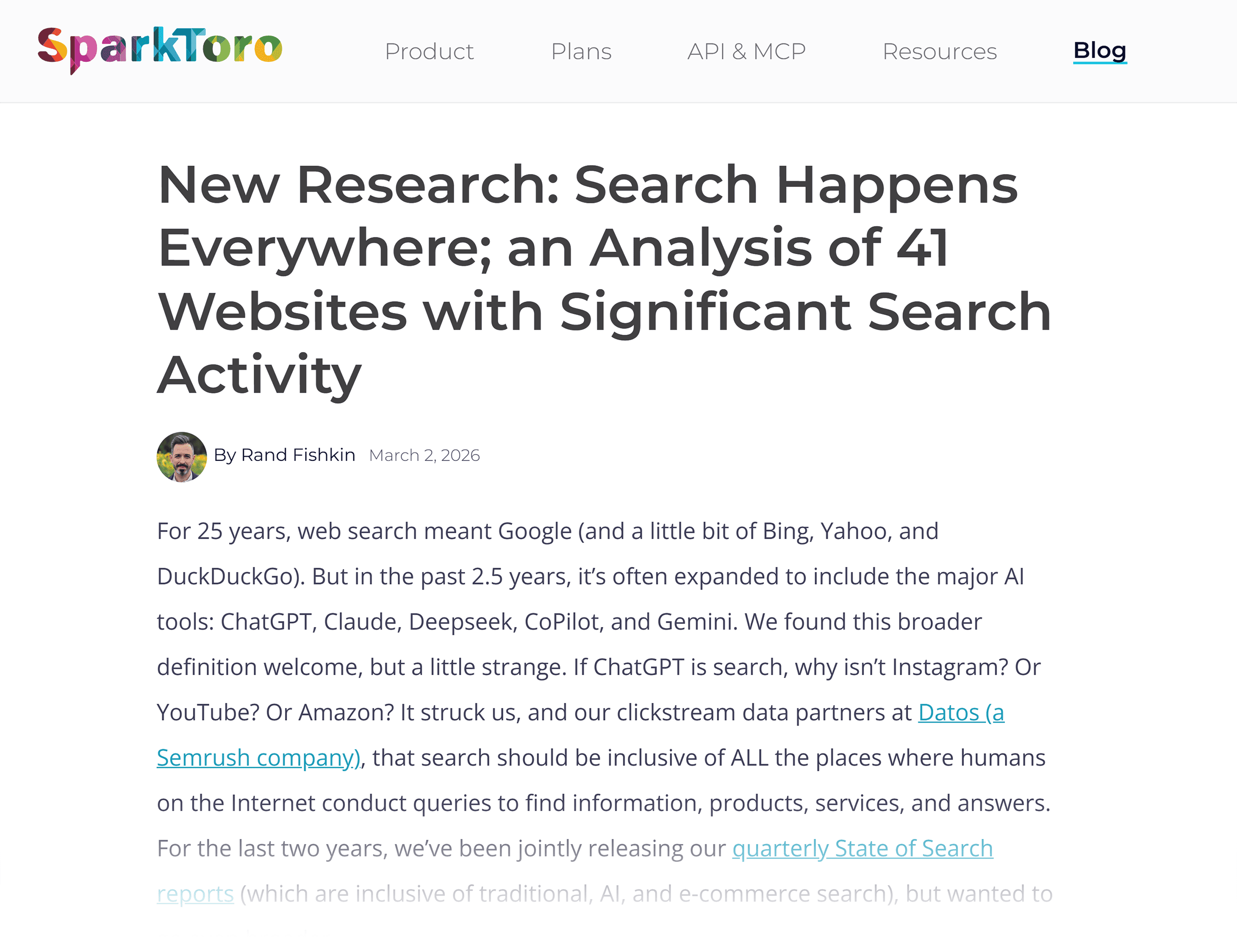
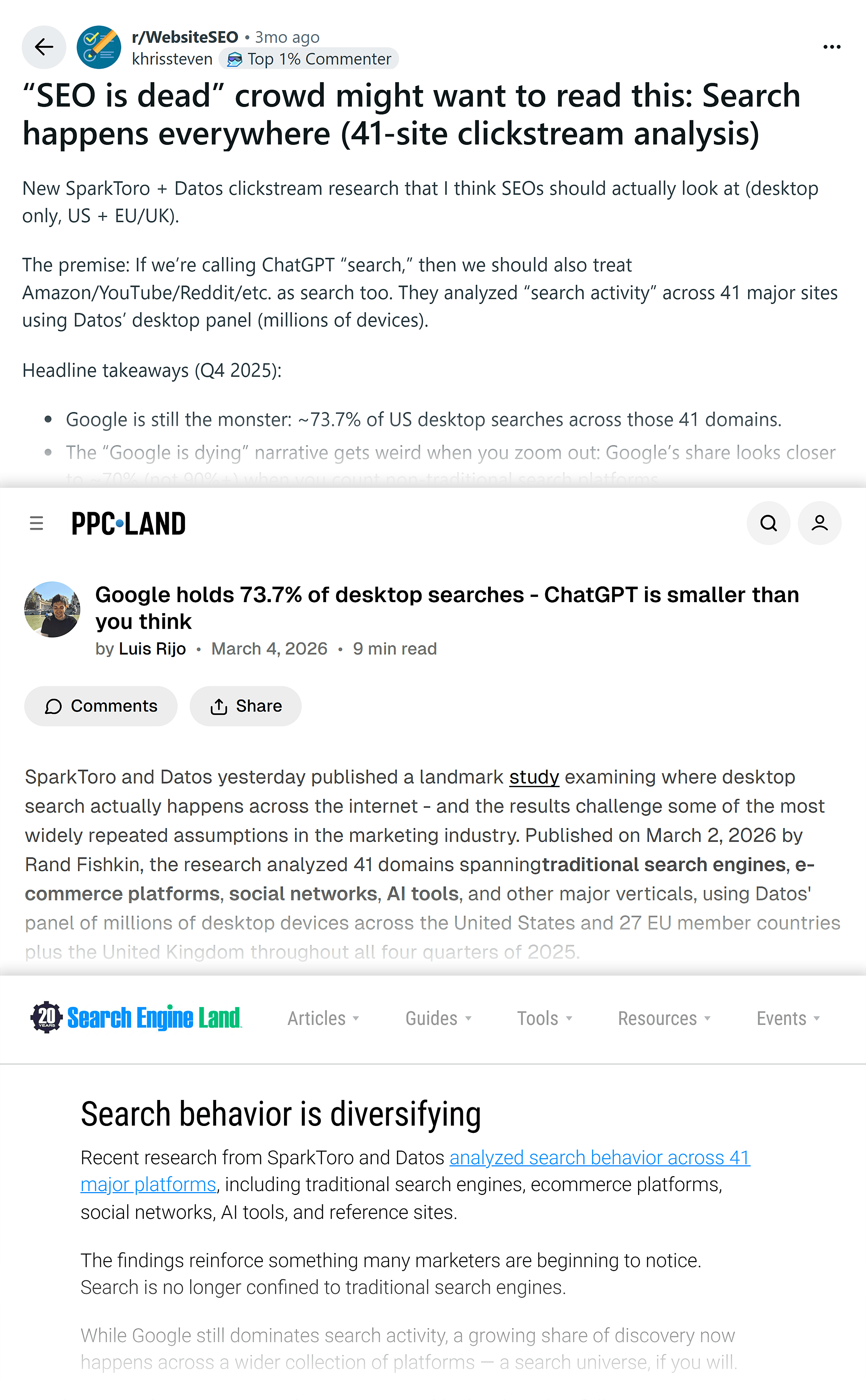
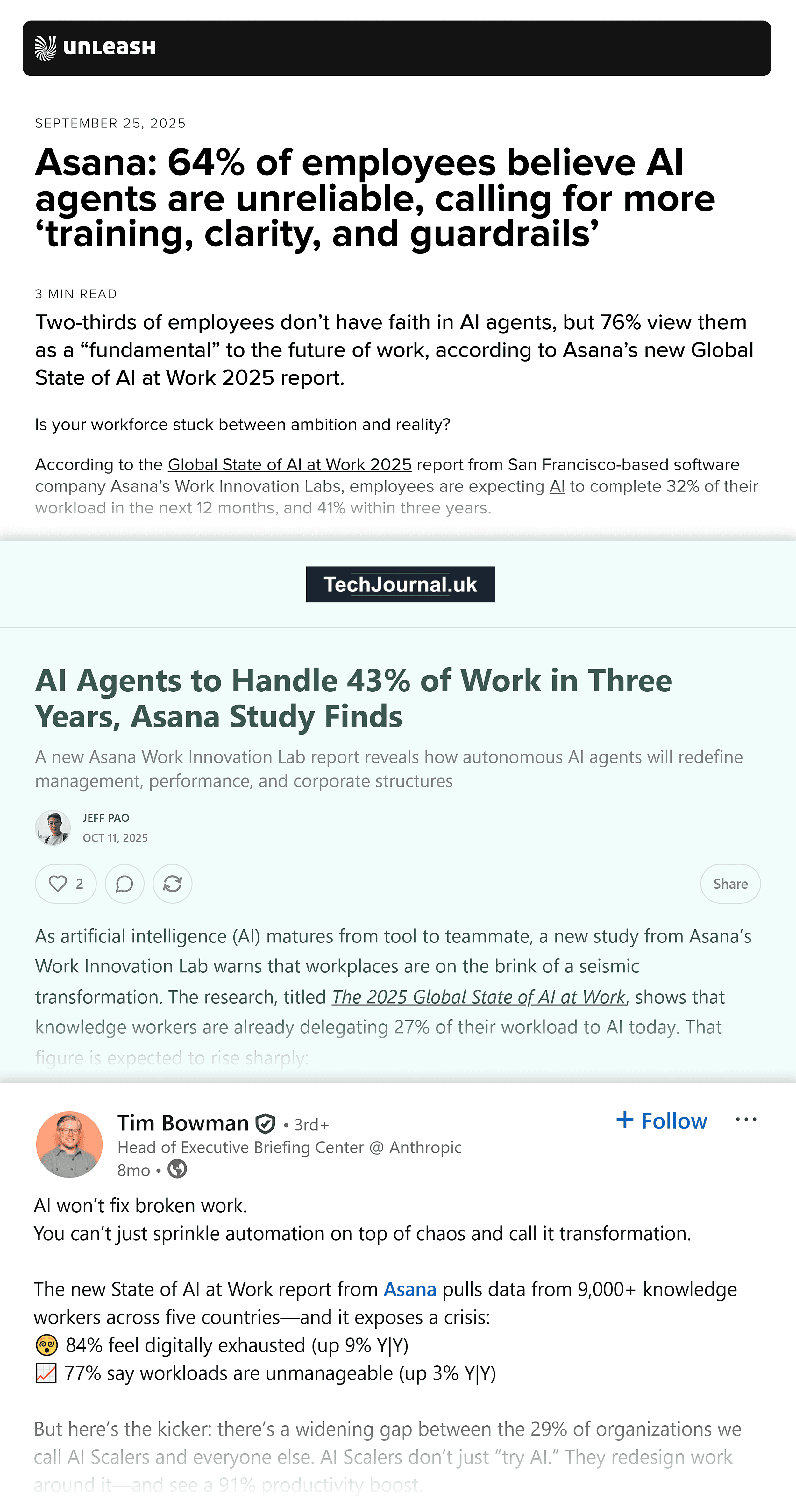
Conducting and publishing proprietary research addressing active industry debates remains one of the most reliable methods for securing sustained brand mentions. When an organization releases empirical data that answers unresolved questions within a sector, other publishers, journalists, and bloggers are compelled to cite the source, embedding the brand name directly into their reporting. Studies that quantify industry trends—such as comparative analysis on search channel distribution or workplace technology adoption—frequently accumulate hundreds of citations across news outlets, academic papers, and social media platforms.
2. Cross-Brand Partnerships and Co-Created Assets
Strategic collaborations between complementary organizations allow brands to pool their audiences and generate mutual visibility. Jointly hosted conferences, co-branded product lines, and collaborative research initiatives create natural co-occurrence—a phenomenon where algorithms repeatedly encounter two or more brand names within the same contextual sentence or article. Over time, search engines and LLMs register these associations, linking the collaborating brands to shared industry topics and strengthening their overall topical authority.
3. Amplifying External Experts within Content
Rather than operating in a vacuum, brands that actively incorporate external subject matter experts, industry leaders, and prominent practitioners into their content assets create built-in incentives for distribution. Whether through expert roundups, benchmark reports featuring commentary from multiple executives, or interview-driven podcast series, centering content around external authorities encourages those individuals to share the finished piece with their own extensive networks, yielding organic brand mentions across professional communities.

4. Digital PR and Subject Matter Contributions
Proactively contributing executive expertise to external platforms—such as industry podcasts, guest columns, and authoritative media outlets—positions a company as a thought leader. Securing interviews for corporate leadership on established industry programs generates comprehensive digital footprints, including show notes, video descriptions, chapter markers, and written summaries. These diversified touchpoints supply AI tools and search engines with multiple avenues to index and understand the organization’s core competencies.
Tracking, Measuring, and Reporting ROI
Quantifying the impact of brand mentions requires a multi-layered approach, as traditional web analytics tools primarily capture direct traffic rather than broader sentiment and visibility shifts. Organizations typically deploy a combination of monitoring technologies to maintain oversight of their digital footprint.
Free tools like Google Alerts offer a baseline for tracking direct brand name inclusions, though they often fail to capture niche community forums, podcasts, and social media threads. To bridge this gap, enterprises utilize advanced social listening and brand monitoring software to track mention volume, sentiment trends, and source distribution across blogs, news sites, and review platforms. Furthermore, backlink analytics tools can be filtered by specific anchor texts matching the brand name, enabling marketing teams to isolate linked mentions and evaluate the growth of referring domains over time.
When reporting these metrics to corporate leadership, communications professionals advise moving beyond raw numerical counts. Rather than merely stating that an organization received a specific volume of mentions within a quarter, effective reporting frames the data through qualitative storytelling. Highlighting notable authority placements, audience reach estimates, sentiment shifts following specific campaigns, and correlations with organic search growth provides executives with a clear picture of how third-party validation translates into market authority and long-term brand equity.