The Evolution of Digital Discovery Understanding the Mechanics of Query Fan-Out in Artificial Intelligence Search Systems

The landscape of digital information retrieval is undergoing a fundamental transformation as large language models (LLMs) and AI-driven search engines move away from traditional keyword-based indexing toward a complex background process known as query fan-out. For nearly three decades, the primary objective of digital marketing and search engine optimization (SEO) was to secure a position on the first page of Google’s search results. However, recent technical analyses of systems like ChatGPT, Perplexity, and Google AI Overviews reveal that even a top-ranking position no longer guarantees a brand will be mentioned or cited in AI-generated responses. Instead, AI systems are increasingly utilizing query fan-out to build comprehensive answers, prioritizing source relevance and retrievability over legacy search engine result page (SERP) positions.
The Mechanics of Query Fan-Out
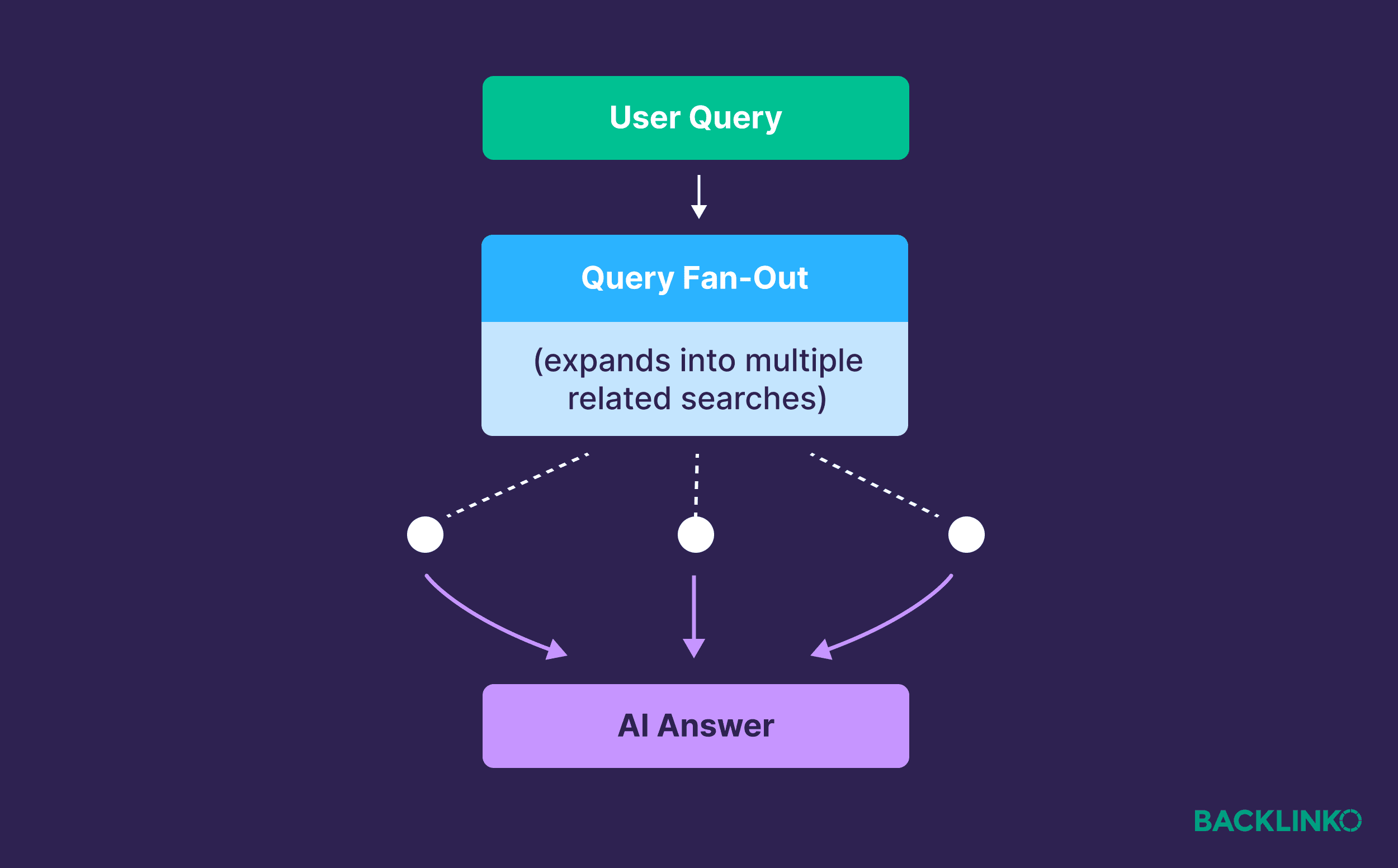
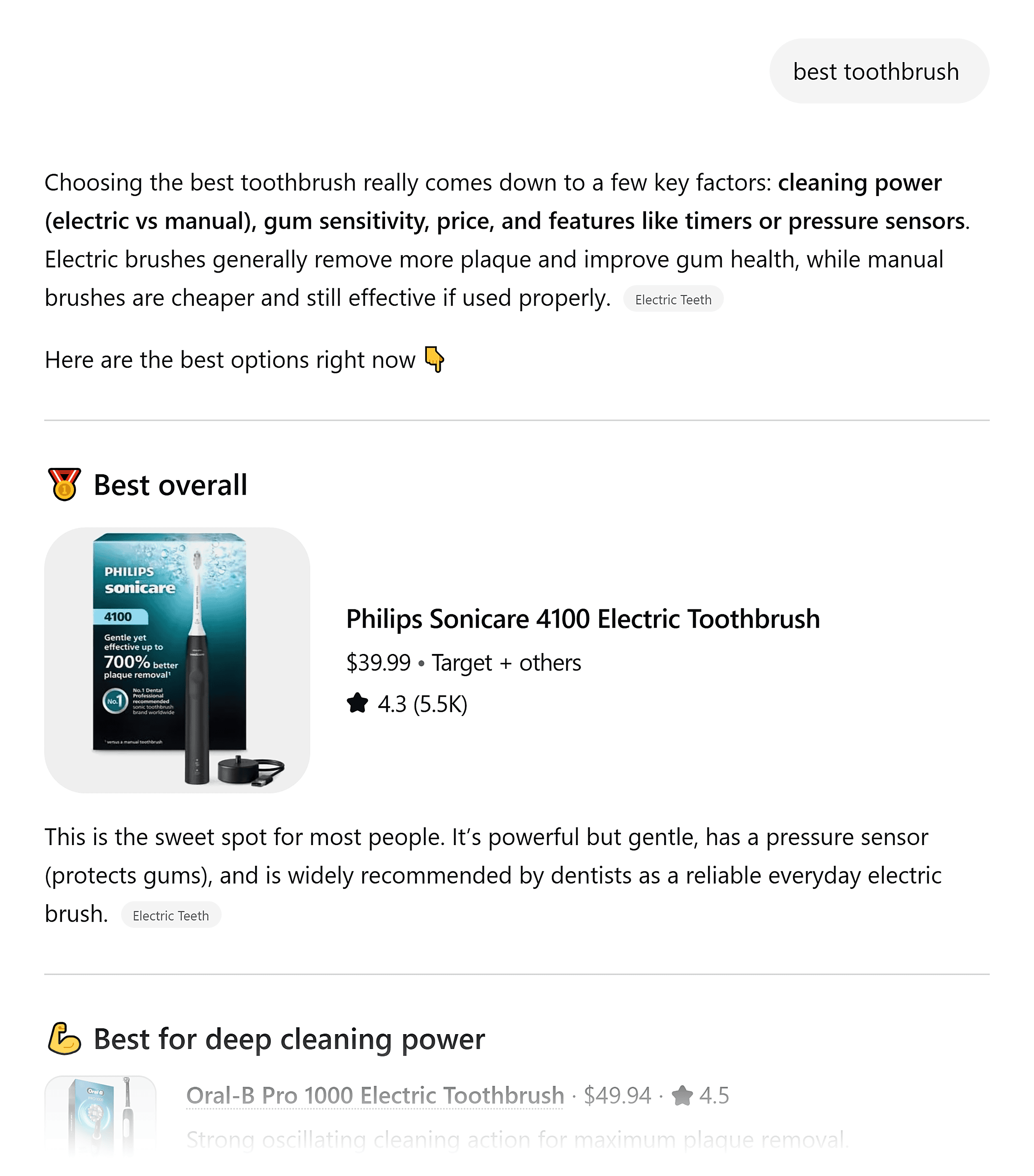
Query fan-out is a multi-layered background process wherein an AI search system deconstructs a single user prompt into a series of interconnected sub-queries. This mechanism allows the AI to "fan out" across the web to gather specific data points, editorial consensus, and user-generated perspectives before synthesizing them into a cohesive narrative. Unlike traditional search engines, which serve as a directory pointing users toward external websites, AI systems act as synthesizers.
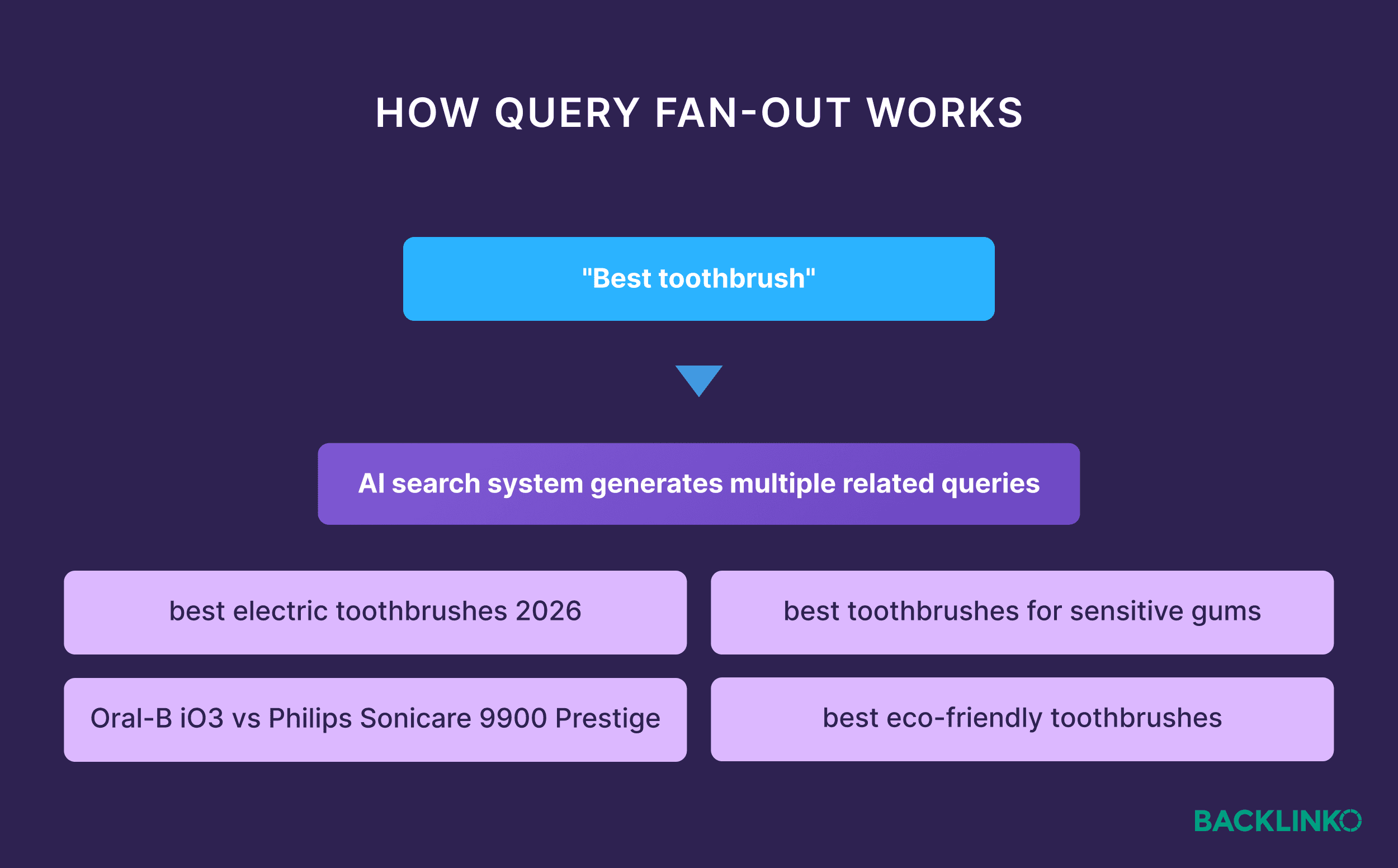
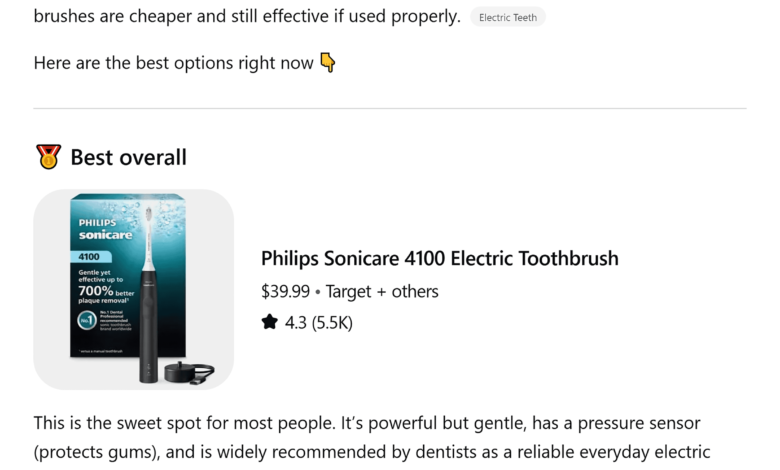
When a user submits a prompt such as "best electric toothbrush," the AI does not simply look for the page with the highest authority score for that specific keyword. Instead, it triggers a series of internal searches designed to build a complete picture of the topic. These sub-queries may include specific price-point searches (e.g., "best electric toothbrushes under $100"), use-case recommendations (e.g., "best toothbrushes for sensitive gums"), and head-to-head comparisons (e.g., "Oral-B vs. Philips Sonicare"). By retrieving information for these fragmented sub-tasks, the AI can construct an answer that anticipates the user’s latent needs, providing a summary that covers top-rated picks, eco-friendly options, and value comparisons in a single interaction.
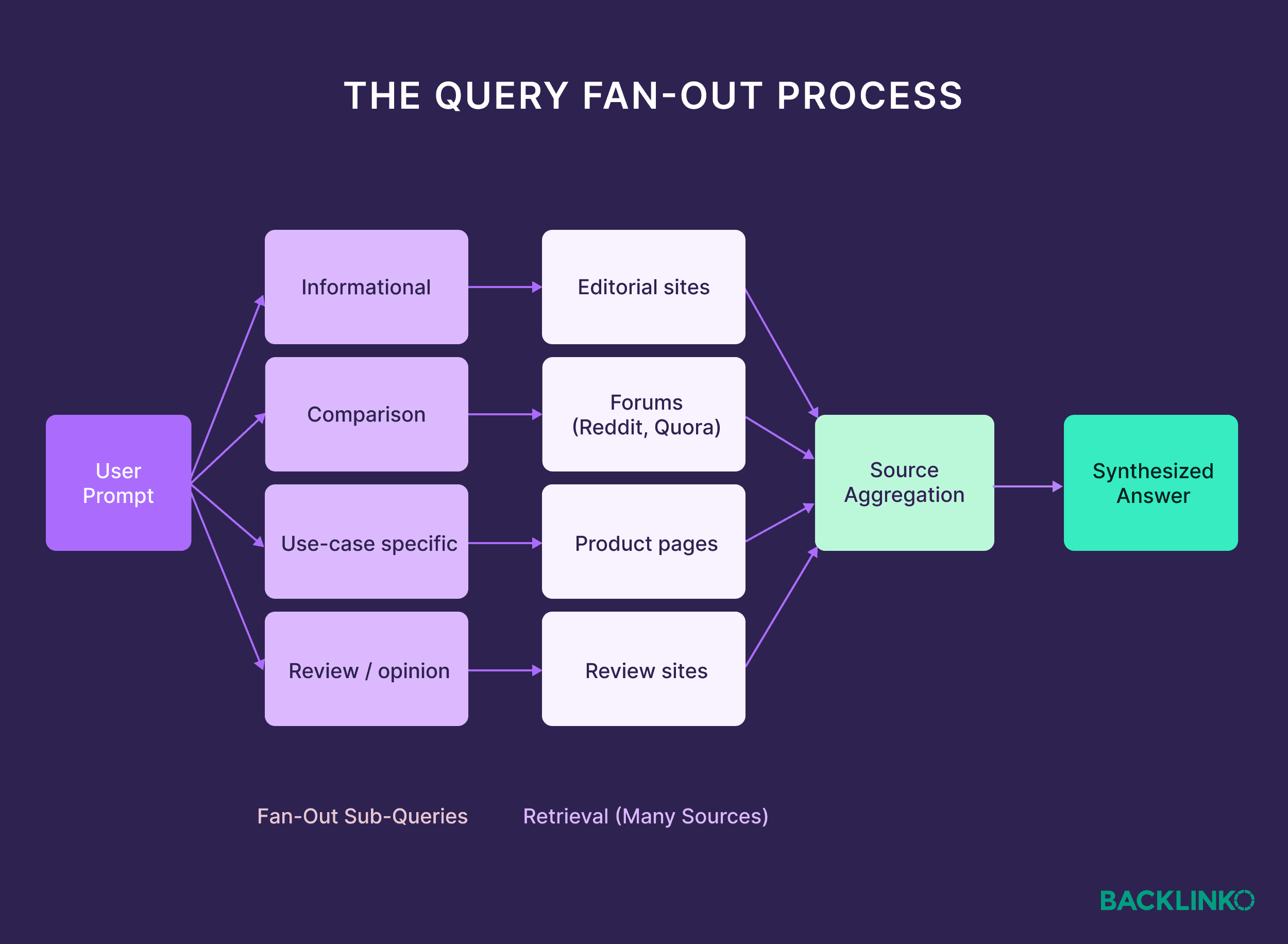
Technical experts clarify that query fan-out is distinct from simple keyword expansion. It is a logical reasoning process that seeks to resolve the "intent" behind a query. It is not merely a search for synonyms, nor is it a basic "People Also Ask" (PAA) scraping tool. It is a sophisticated method of Retrieval-Augmented Generation (RAG) that ensures the AI’s final output is grounded in diverse and reliable sources.
Data-Driven Shifts: Why Traditional Rankings Are Failing to Secure AI Citations
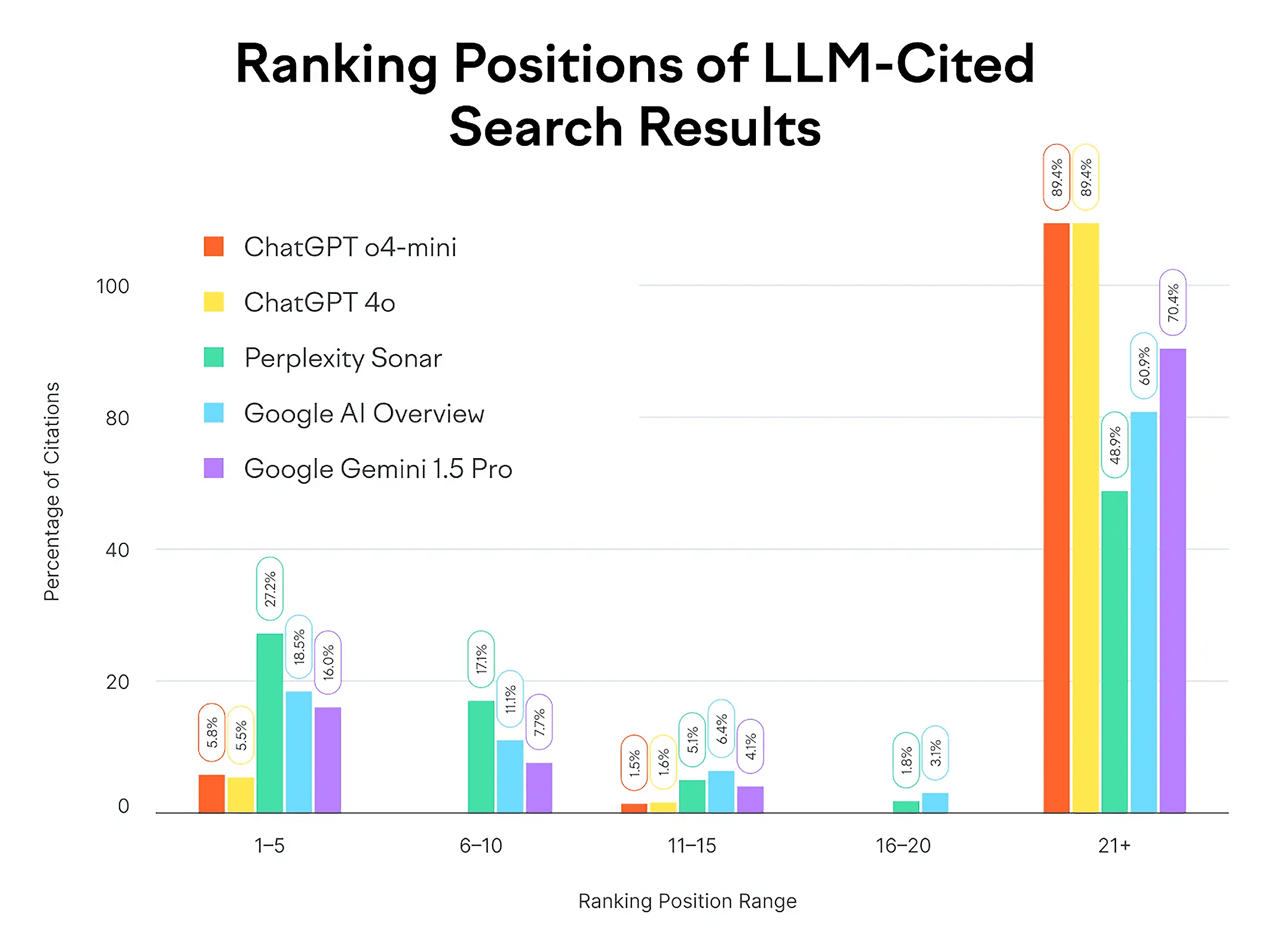
The emergence of query fan-out has created a significant disconnect between Google rankings and AI visibility. Data from a comprehensive study conducted by Semrush reveals a startling trend: ChatGPT cites pages appearing in position 21 or lower on Google approximately 90% of the time. This indicates that AI systems are bypassing the "gatekeepers" of traditional SEO to find specific passages that directly answer a sub-query, regardless of the overall domain authority or the page’s primary ranking.
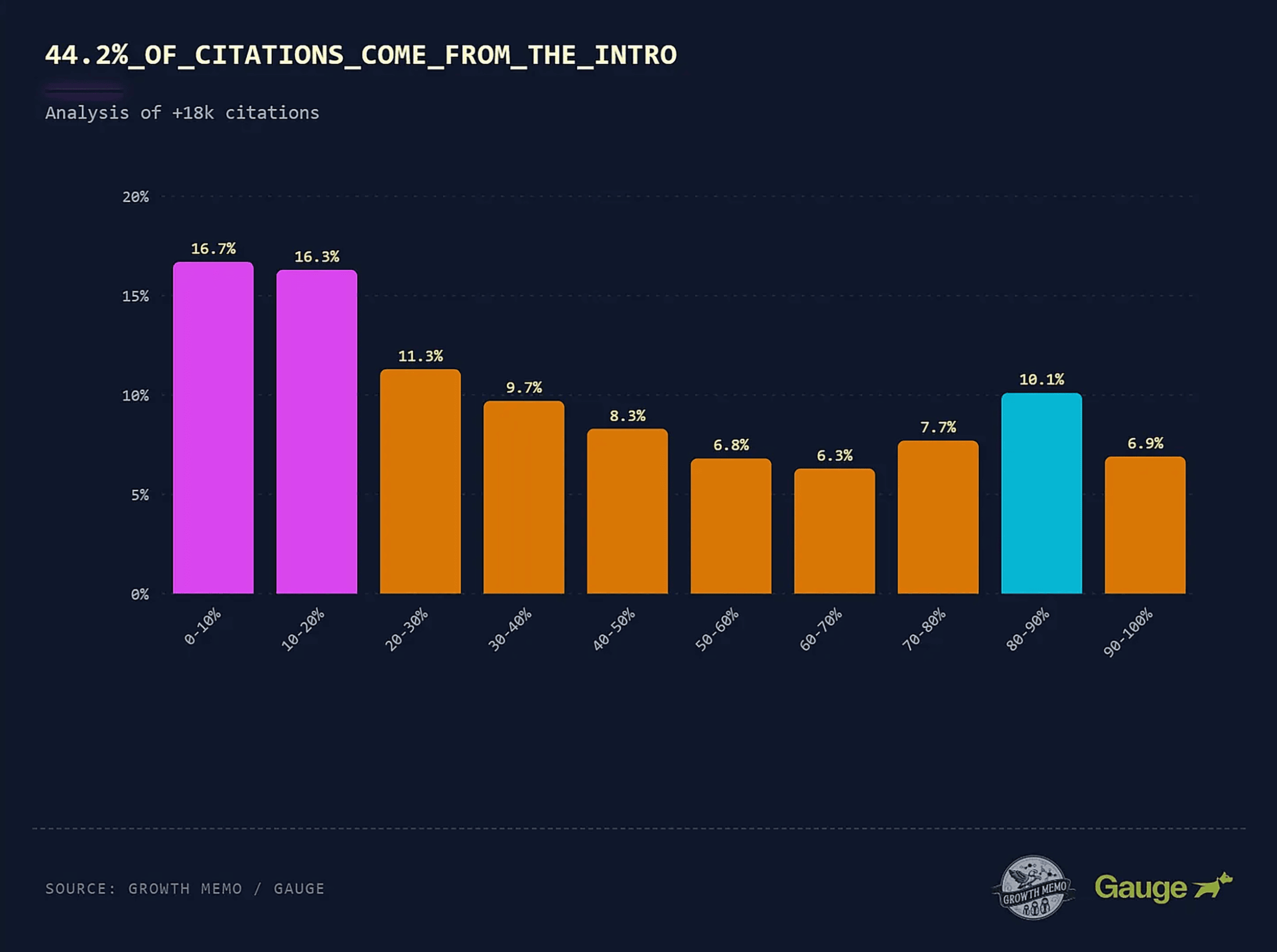
Further analysis by growth advisor Kevin Indig, who examined 1.2 million ChatGPT responses, highlights the importance of information density and placement. According to Indig’s findings, 44.2% of citations in ChatGPT responses are extracted from the first 30% of a web page. In contrast, 31.1% come from the middle section, and only 24.7% are drawn from the final third. This data suggests that AI "attention" is front-loaded; if a content creator fails to provide a clear, concise answer early in the text, the likelihood of being cited by an LLM drops significantly.
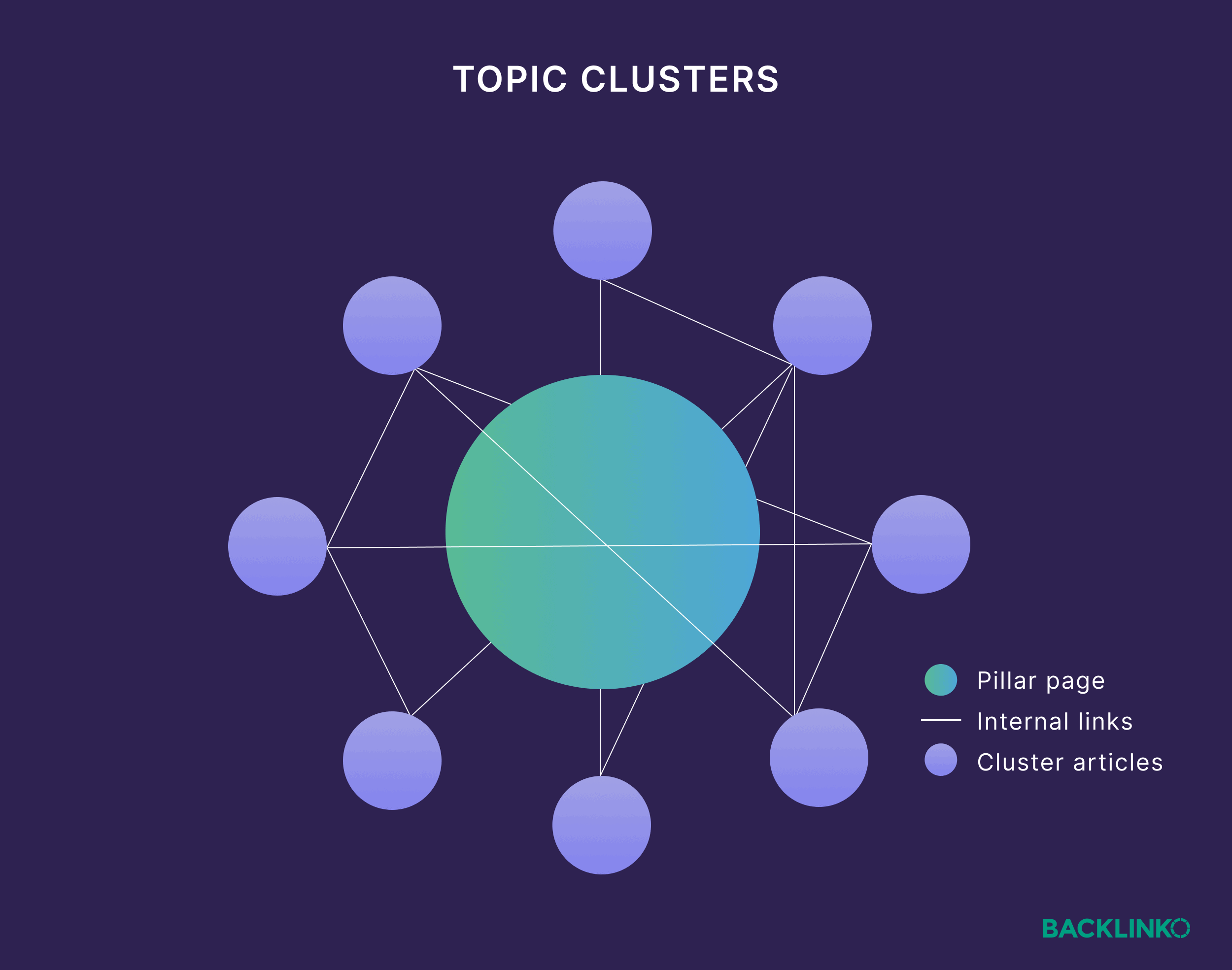
This shift marks the end of the "keyword-centric" era and the beginning of the "topic-coverage" era. In the new paradigm, brands are no longer competing for individual keywords but are instead competing for visibility across an entire topical ecosystem.
The Strategic Framework for AI Visibility
To adapt to the query fan-out environment, industry analysts have developed a six-step workflow designed to increase "AI retrievability." This framework moves away from traditional SEO tactics and focuses on becoming a "source of truth" for the sub-queries generated during the fan-out process.
Identifying Money Prompts
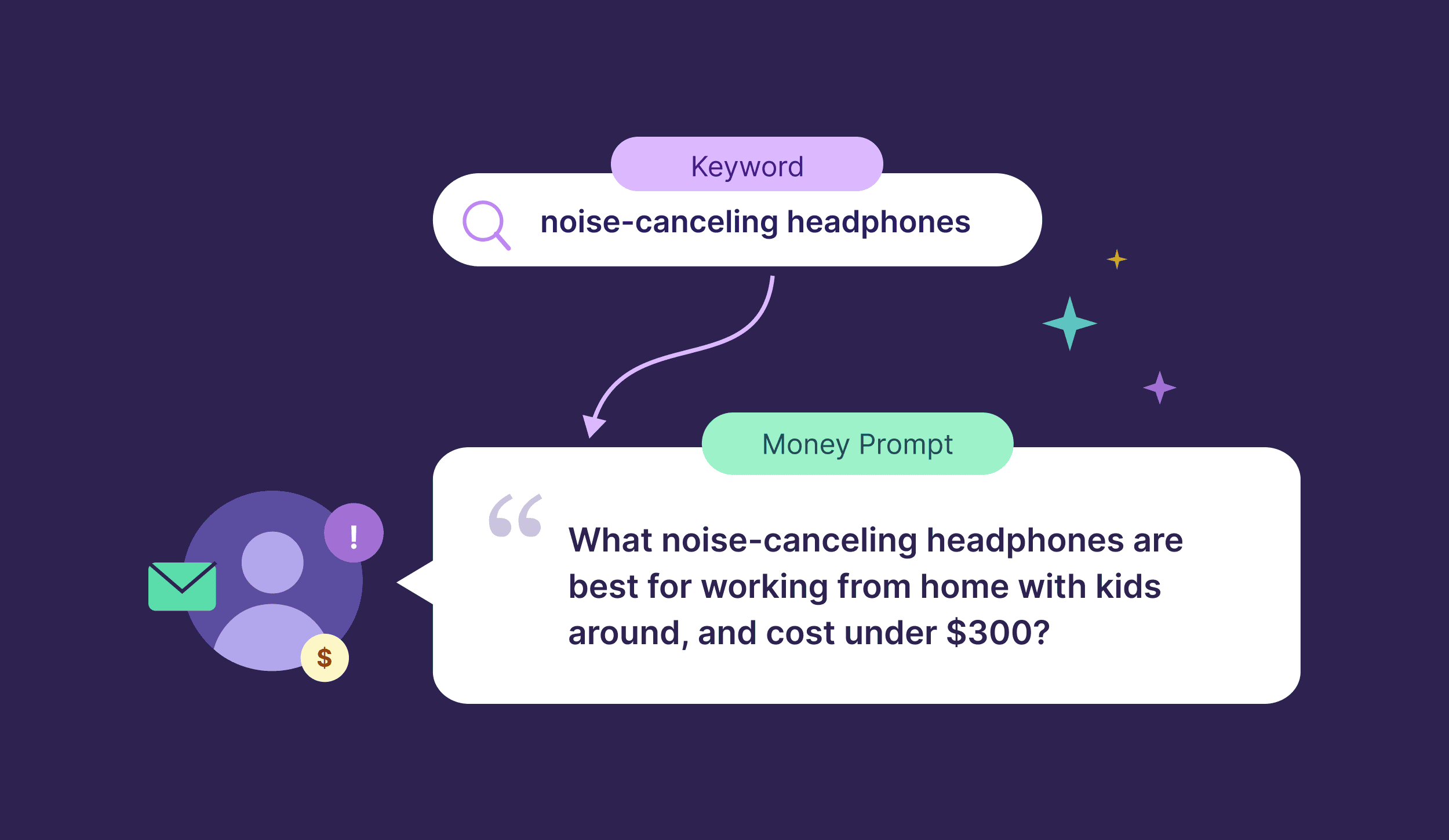
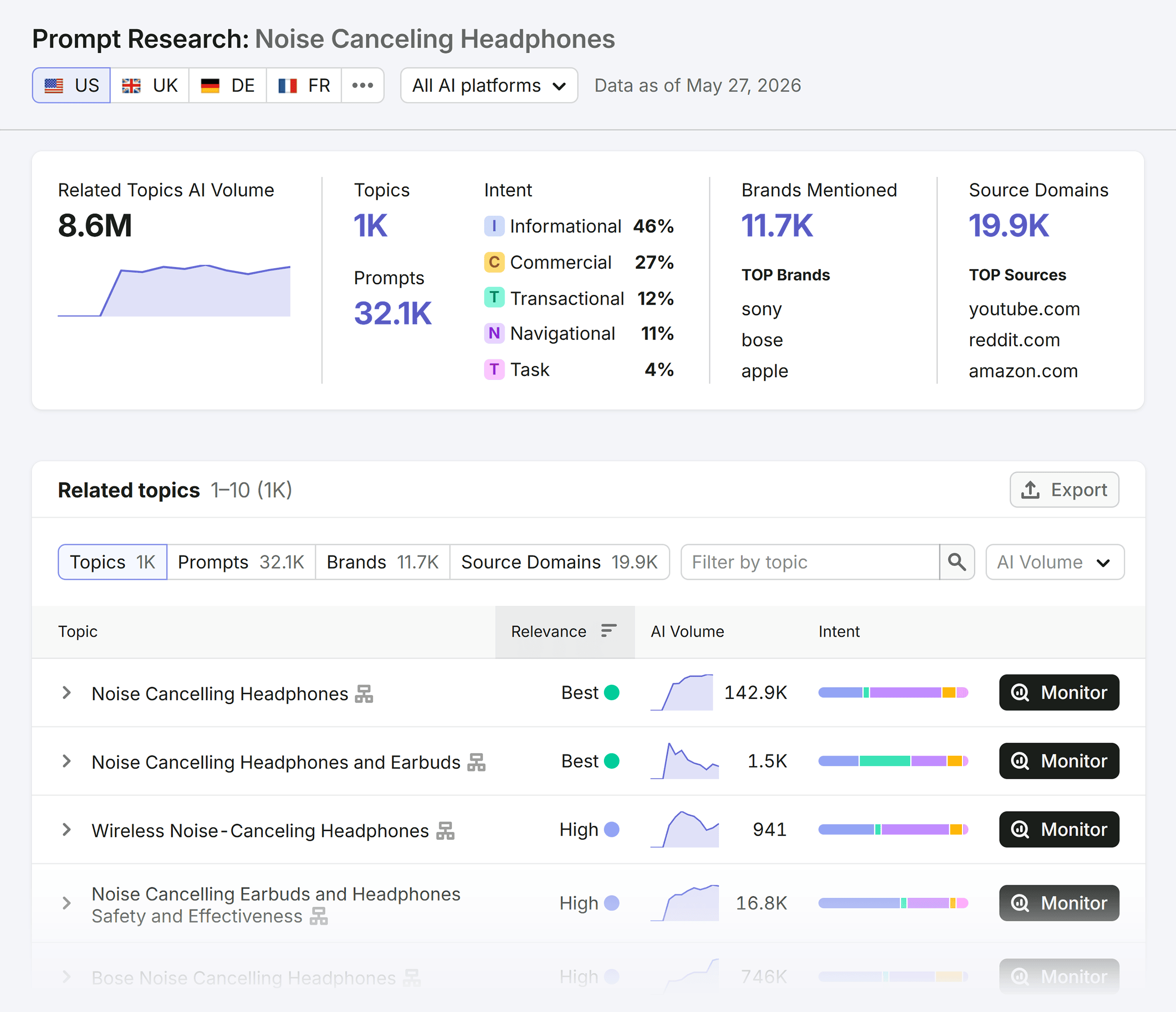
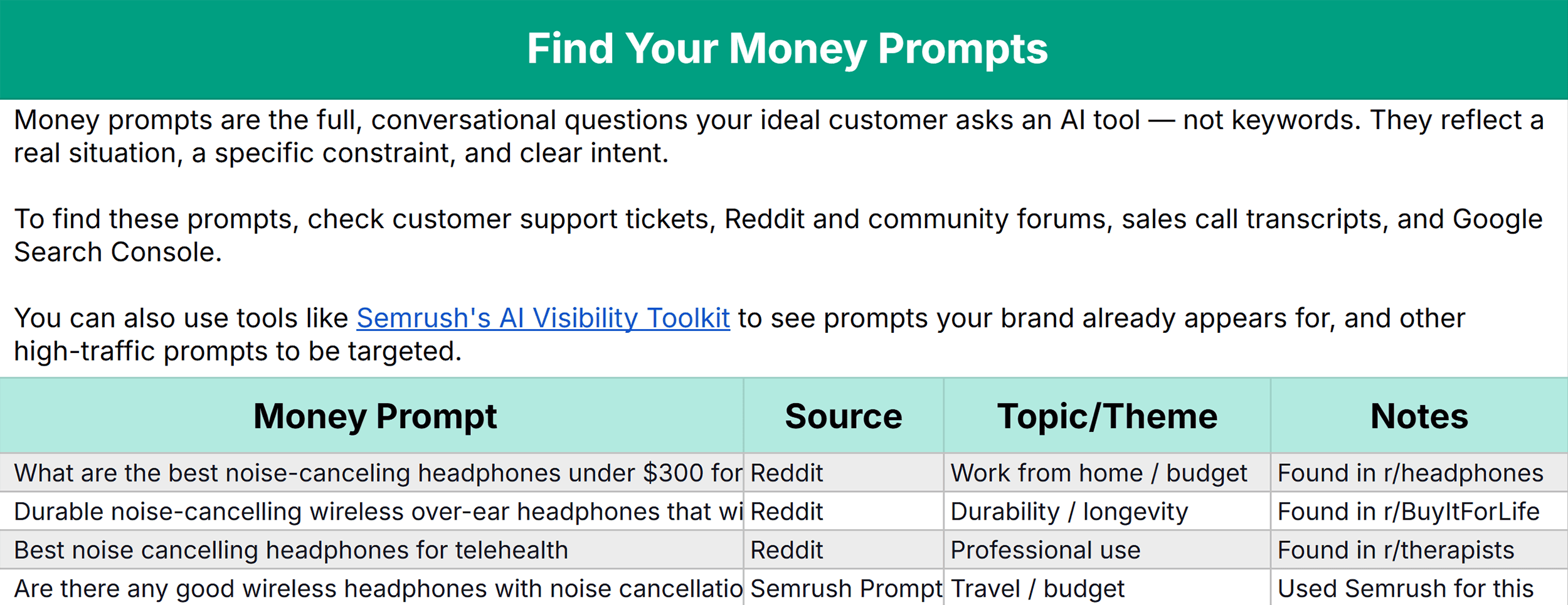
The first step in the workflow involves identifying "money prompts." These are the conversational phrases and high-intent questions that a potential customer would ask an AI tool when seeking a solution. Unlike "money keywords," which are often short-tail and highly competitive (e.g., "noise-canceling headphones"), money prompts are specific and situational (e.g., "What noise-canceling headphones are best for working from home with children nearby?").
Generating the Fan-Out Set
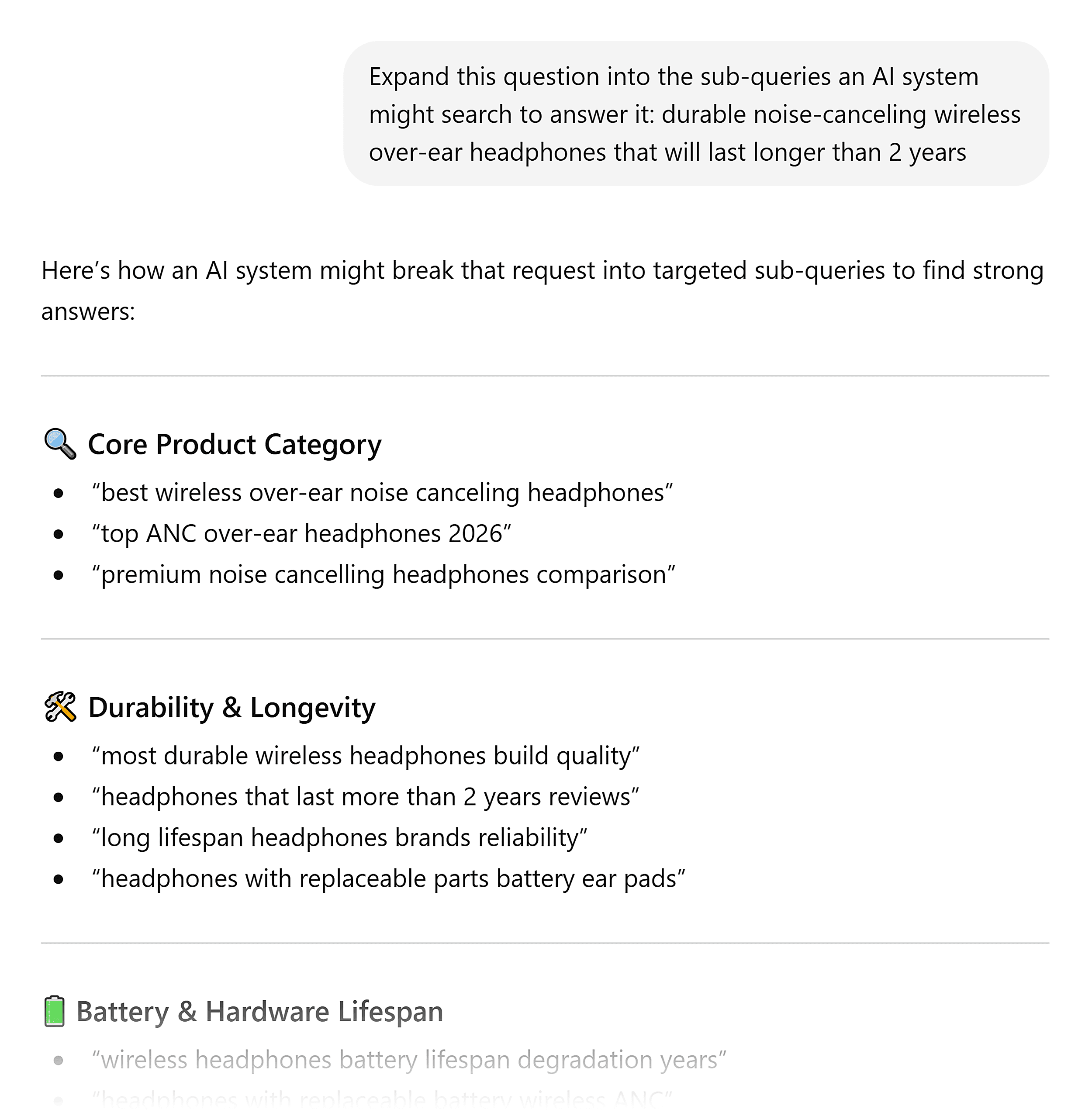
Once a money prompt is identified, marketers must determine how the AI will deconstruct it. This is achieved by running the prompt through various AI platforms—such as ChatGPT, Claude, and Perplexity—to observe the resulting sub-queries. Tools like the ChatGPT Query Fan-Out extension allow researchers to see the "internal reasoning" of the model, revealing the hidden searches conducted behind the scenes.

Intent Bucketing and Content Auditing
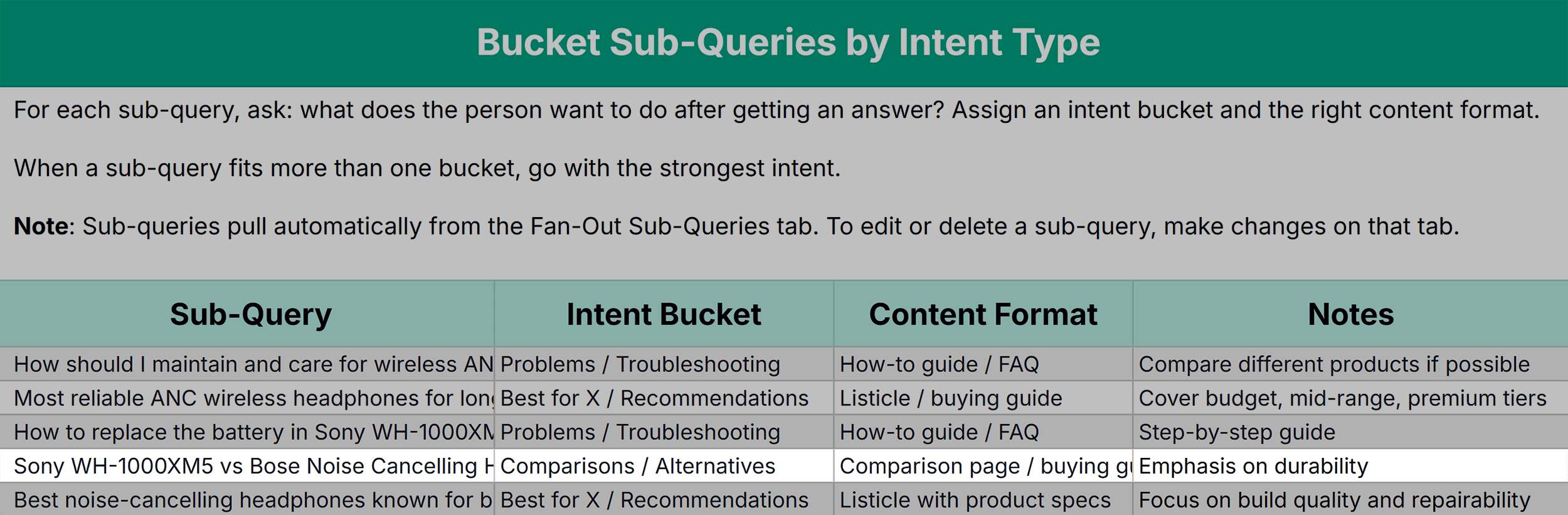
Sub-queries are typically categorized into intent buckets: definitions, comparisons, recommendations, troubleshooting, pricing, and social proof. A thorough content audit then determines if a brand’s existing digital assets address these specific buckets. This process often reveals "content gaps" where a brand may have high-level information but lacks the granular, passage-level data required by AI systems to resolve a sub-query.

Case Study: The Bose Model of AI-Ready Content
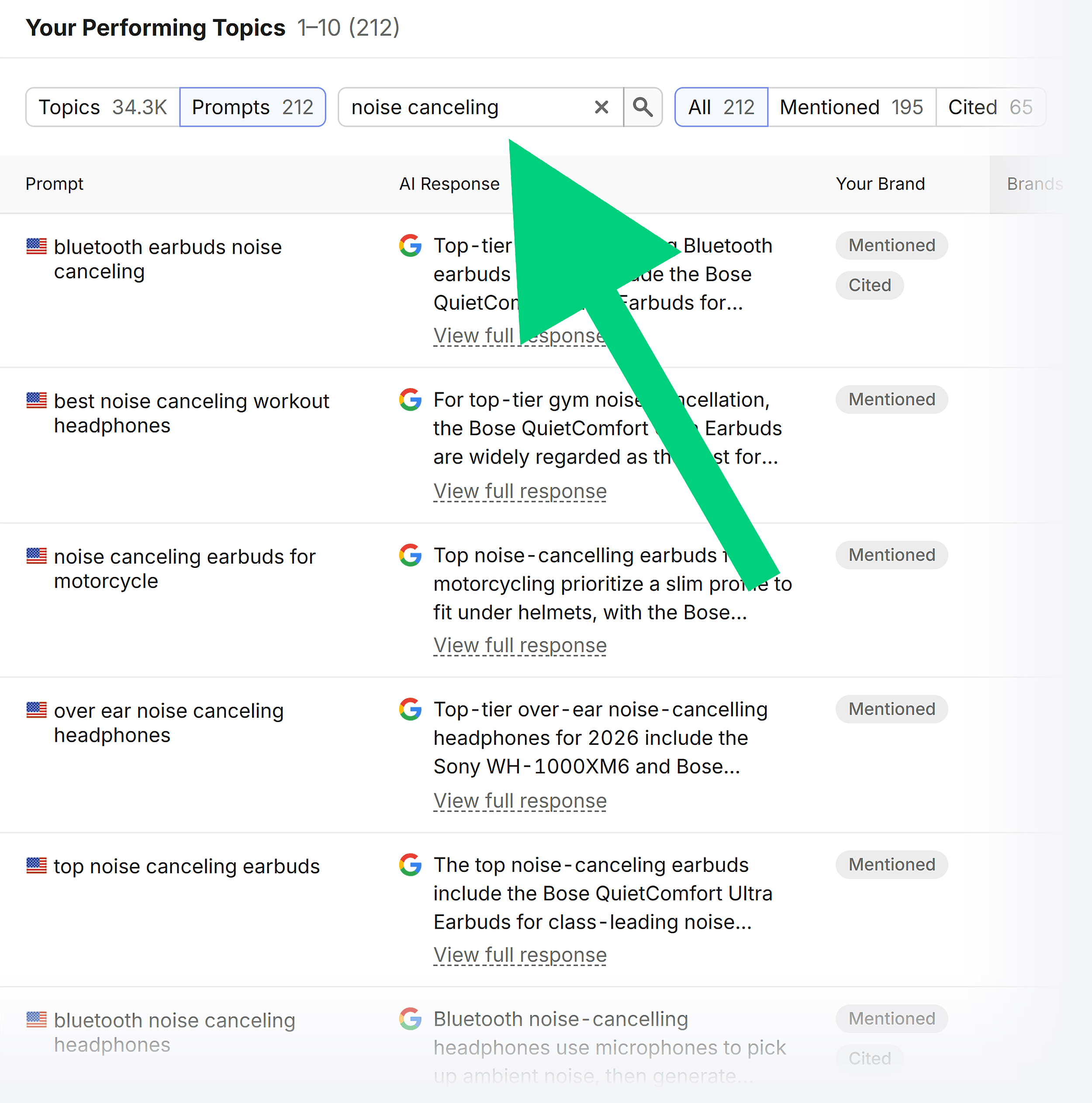
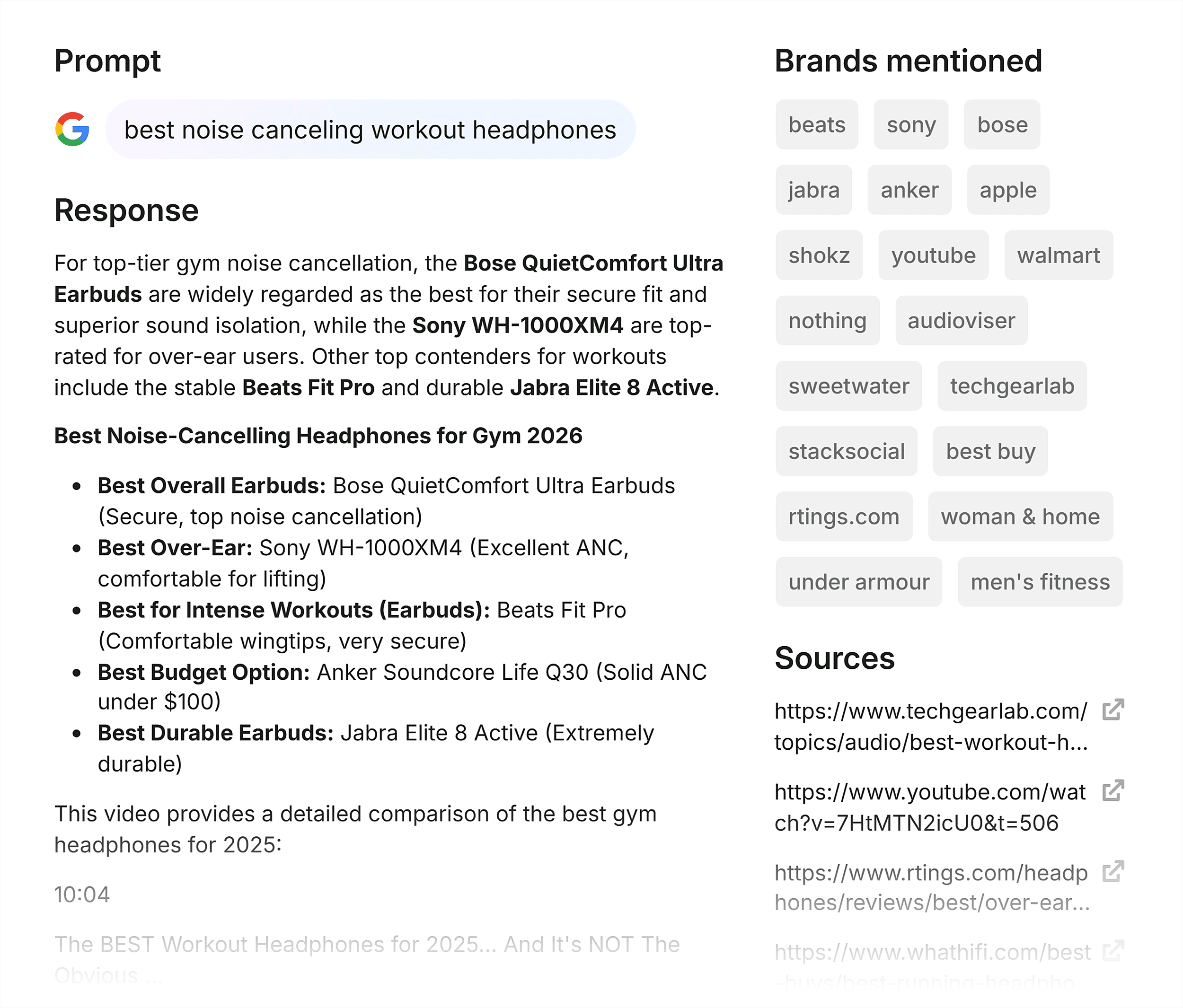
The audio equipment manufacturer Bose serves as a primary example of a brand that has successfully optimized for AI extraction. With over 63,900 mentions across AI platforms in the United States, Bose’s digital strategy emphasizes structured, scannable data.
Technical reviews of Bose’s product pages show that the company front-loads specific claims—such as "24 hours of battery life"—as scannable elements rather than burying them in long-form copy. Furthermore, Bose utilizes structured comparison tables and creates dedicated landing pages for specific use cases, such as "noise-canceling headphones for flights." Because query fan-out often generates use-case-specific sub-queries, Bose’s decision to build content around "scenarios" (e.g., flying, exercising, working) makes their data highly "retrievable" for AI systems looking to fulfill a specific part of a user’s prompt.
Platform-Specific Variations in Fan-Out Behavior
While the general principle of query fan-out remains consistent, different AI platforms execute the process with varying degrees of complexity and data reliance.
- ChatGPT: Utilizes a reasoning-first approach. For simple informational queries, it relies on training data, but for complex or current topics, it triggers live web searches, often pulling from dozens of sources simultaneously.
- Perplexity: Combines conversational context with real-time search. Perplexity’s fan-out is unique because it also scans the user’s conversation history to refine its sub-queries, creating a highly personalized retrieval process.
- Claude: Developed by Anthropic, Claude often takes a more cautious approach, frequently asking clarifying questions to narrow the user’s intent before launching a targeted, more limited set of sub-queries.
- Google AI Overviews (SGE): Synthesizes Google’s existing web index into condensed summaries. While Google does not publicly expose its sub-queries, SEO researchers using API-based extraction tools have found that Google’s fan-out behavior mirrors its "People Also Ask" logic but with a greater emphasis on passage-level synthesis.
The Collapse of the Marketing Funnel
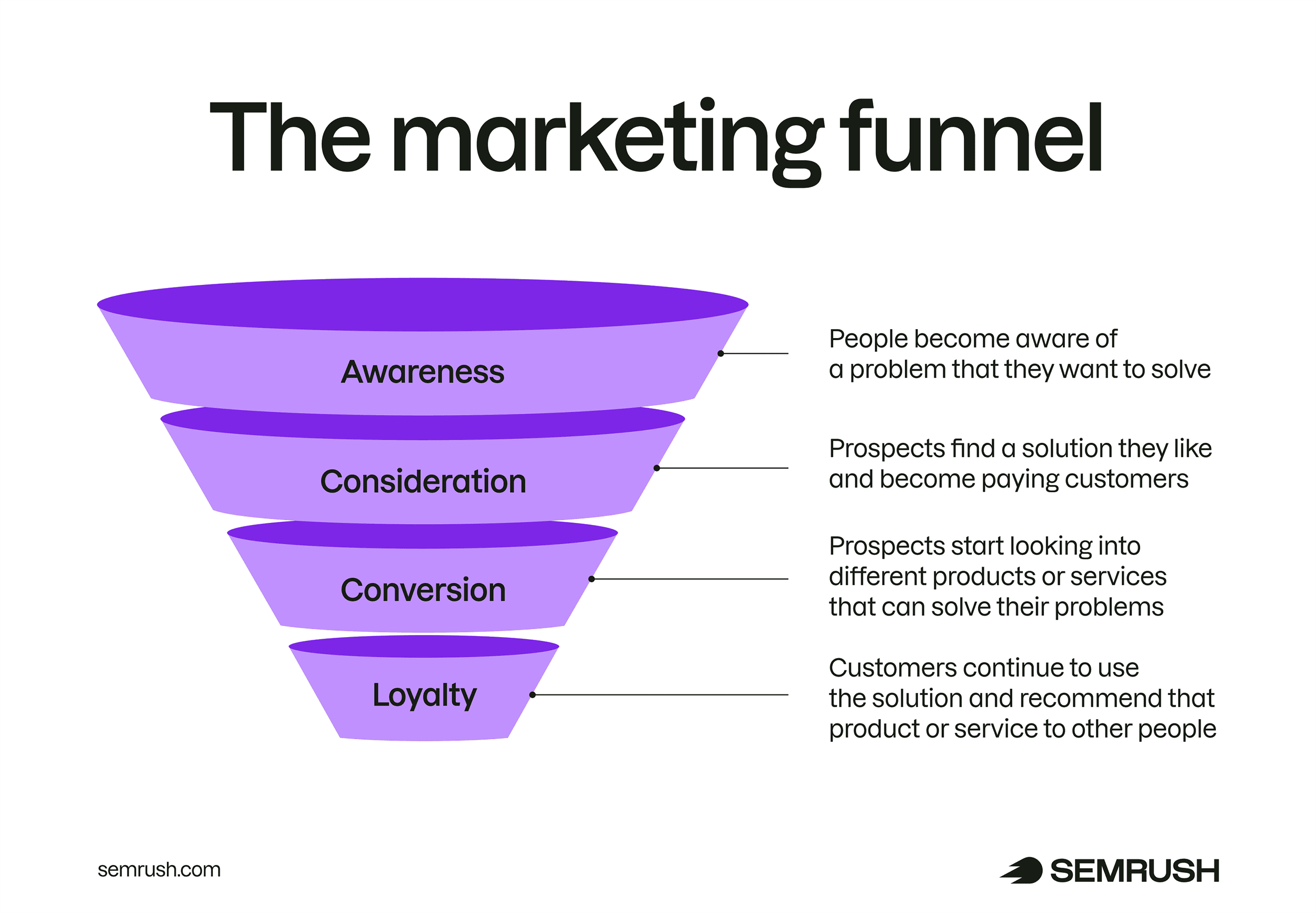
Perhaps the most significant implication of query fan-out is the "collapse" of the traditional marketing funnel. Historically, the buyer’s journey was viewed as a linear progression from awareness to consideration and finally to a decision. Marketers created different content for each stage.
In the era of AI search, these stages are merged into a single interaction. When a user asks a complex question, the query fan-out process pulls awareness-level context (e.g., "What is active noise cancellation?"), consideration-level comparisons (e.g., "Bose vs. Sony"), and decision-level specifics (e.g., "Where can I buy these for under $300?") into a single response. This necessitates a content strategy where every page must be capable of serving multiple stages of the funnel simultaneously.
Broader Industry Implications and Future Outlook
As AI search becomes the primary interface for information discovery, the role of the website is changing from a destination to a data source. This shift poses a challenge for traditional publishers who rely on click-through rates for advertising revenue, as AI syntheses often provide the user with the answer they need without requiring them to visit the source site.
However, for brands and e-commerce entities, the rise of query fan-out offers a new path to visibility. By focusing on "coverage" and "retrievability," smaller brands with high-quality, specific information can bypass the dominance of larger domains that have historically occupied the top spots in Google’s organic results.
The future of search will likely be defined by "Agentic Search," where AI agents conduct deep research on behalf of the user. In this environment, the winners will be those who provide the most structured, honest, and accessible data for the AI to "fan out" into. The metrics of success are shifting from "rankings" to "mentions" and from "keywords" to "citations," marking a new chapter in the history of the internet. Companies that fail to adapt their content structure to the realities of query fan-out risk becoming invisible in a world where the AI—not the user—is the primary reader of the web.