Apple Previews iOS 27.2: A Major Health App Overhaul, Expanded Apple Intelligence, and New Accessibility Features

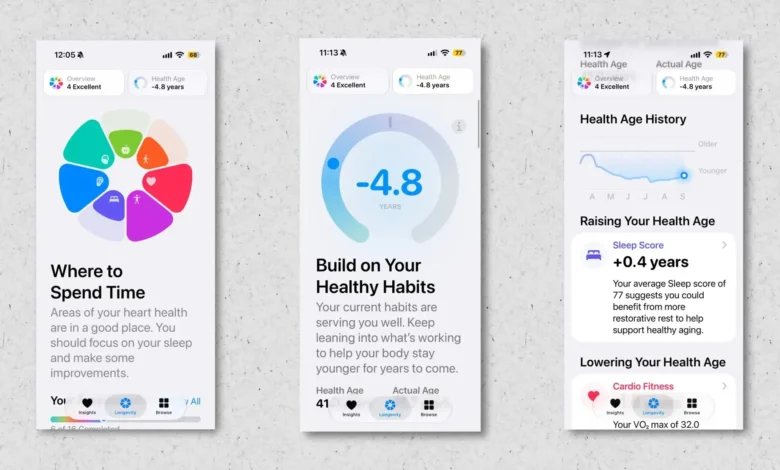
As users continue to adapt to the foundational changes introduced with iOS 27 and navigate early maintenance patches like iOS 27.0.1—largely deployed to address initial hardware bugs on the iPhone 18 Pro—Apple has officially opened the beta testing period for its next incremental software update: iOS 27.2. While mid-cycle updates traditionally focus exclusively on bug fixes and minor under-the-hood adjustments, iOS 27.2 represents a substantial feature drop. The forthcoming release introduces the most comprehensive redesign of the native Health application in years, expands the capabilities of Apple Intelligence, brings American Sign Language (ASL) interpreter support to FaceTime, and introduces user profile management to the Apple TV app on iOS and iPadOS.
Developers and public beta testers enrolled in Apple’s software beta program can install the pre-release software to evaluate the new features ahead of its wider public rollout. As standard practice with pre-release operating systems, analysts recommend that users secure a comprehensive data backup via iCloud or a local computer before installing the beta profile to prevent potential data loss or operational instability.
The Health App Redesign: A Paradigm Shift for Personal Wellness
The centerpiece of the iOS 27.2 update is an extensive, ground-up redesign of the native Health application. In recent years, Apple has steadily integrated deeper biometric monitoring, clinical record integrations, and emotional wellbeing metrics into its ecosystem. iOS 27.2 accelerates this trajectory by merging previously fragmented fitness data and introducing predictive, long-term health tracking tools.
Among the most visible structural changes is the integration of physical activity metrics. Users can now view their daily Fitness rings directly inside the primary Health application rather than being required to open the standalone Fitness companion app. This consolidation aims to present a unified dashboard where movement, sleep, nutrition, and clinical metrics intersect seamlessly.
Furthermore, the update introduces a dedicated "Longevity" tab designed to aggregate and analyze longitudinal data across multiple health vectors. This tab synthesizes insights regarding:
- Mental wellbeing and cognitive health tracking
- Nutritional intake and dietary habits
- Daily movement and sedentary time patterns
- Cardiovascular metrics, including resting heart rate and heart rate variability
- Metabolic health indicators
- Sleep hygiene and architecture
- Hearing health and environmental noise exposure
To help users interpret this vast array of data, Apple has embedded interactive assessments, including a new "Health Age" diagnostic feature. This tool evaluates systemic physiological markers to provide an estimated biological age relative to chronological age, accompanied by actionable recommendations for lifestyle improvements. Additionally, users can opt to utilize the iPhone’s front-facing TrueDepth camera to monitor real-time exercise form, generating automated analytical ratings for functional categories such as flexibility, balance, estimated VO2 max, and muscular strength.

This overhaul signals Apple’s deepening commitment to shifting consumer health technology away from passive data collection and toward active, preventative wellness management.
Apple Intelligence Expands: Contextual Awareness and Multilingual Support
Apple Intelligence, the company’s proprietary suite of generative AI and personal context models, receives several notable capability expansions in iOS 27.2.
The "Call Context" feature, which utilizes on-device machine learning to cross-reference incoming and outgoing phone numbers with data found across a user’s device (such as emails, messages, and calendar entries), has been expanded to include anniversary alerts. When participating in an active voice call with a contact whose profile contains a saved anniversary date, the system surfaces a subtle on-device reminder directly on the call screen. This proactive prompting is designed to assist users with interpersonal relationship management without compromising user privacy, as the underlying processing occurs locally via Apple’s on-device foundation models.
Simultaneously, Apple is moving forward with its geographical and linguistic rollout of Siri AI. At the initial launch of iOS 27, advanced Siri AI functionalities were restricted to English-speaking markets. iOS 27.2 broadens this accessibility by introducing native support for French, Japanese, Korean, Portuguese, and Spanish, significantly expanding the global addressable market for Apple’s AI infrastructure.
Accessibility and Cross-Device Usability Enhancements
Apple continues to refine its accessibility framework, fulfilling long-awaited software commitments originally previewed earlier in the year.
Most notably, iOS 27.2 incorporates API-level support within FaceTime to enable seamless integration for human American Sign Language (ASL) interpreters. Originally announced as part of Apple’s broader accessibility roadmap, this feature allows users to bring a professional interpreter directly into a video transmission stream, reducing communication barriers in both personal and professional virtual interactions.
In the entertainment and media sphere, iOS and iPadOS 27.2 are bringing multi-user profile support to the Apple TV application. Previously restricted to dedicated set-top Apple TV hardware boxes, individual user profiles will now function locally on iPhones and iPads shared among family members or households. This functionality ensures that recommendation algorithms, watch histories, and personal queues remain distinct when multiple individuals utilize a single mobile device for streaming media.

User Interface Refinements and System Tweaks
Beyond major functional additions, iOS 27.2 implements a series of targeted user interface (UI) modifications designed to improve visual hierarchy and operational clarity across native applications.
- Apple Music: Apple has dialed back the heavy reliance on red accent elements introduced in the initial iOS 27 release. Specific primary operational elements—such as the Play and Shuffle buttons, alongside navigation icons within the Library sections—have transitioned from red to a high-contrast black aesthetic.
- Clock Application: The visual weight of interface typography has been adjusted when setting alarms, with the "AM" and "PM" designators rendered in a noticeably smaller font size relative to the primary time digits.
- Podcasts App: The historical queue label "Up Next" has been officially renamed "New Episodes," a semantic change intended to minimize user confusion regarding automated content downloads versus active manual queues.
- Siri Privacy Controls: The menu designation for managing app integrations has been updated. "App Access" under Siri settings is now officially titled "Excluded Apps," and the interface now permits users to multi-select and toggle restrictions for multiple applications simultaneously.
Broader Implications and Industry Context
The deployment of iOS 27.2 reflects Apple’s broader software engineering philosophy: utilizing incremental point releases not merely for bug remediation, but to systematically roll out major platform features that require extended testing phases.
The aggressive expansion of the Health application underscores a high-stakes race among major consumer technology conglomerates to dominate personal digital health ecosystems. By centralizing metabolic, cardiovascular, and physical longevity metrics into a single device interface, Apple aims to entrench its hardware ecosystem deeper into the daily routines of users, potentially setting the stage for future integration with institutional healthcare providers and clinical research networks.
Concurrently, the rapid localization of Apple Intelligence into additional languages is critical for maintaining competitive parity in the global smartphone market. As generative AI features become baseline consumer expectations rather than novel differentiators, accelerating multilingual support in key international territories remains paramount for Apple’s hardware shipment volumes and services revenue growth.
As the beta testing cycle progresses over the coming weeks, developers and public testers will continue to evaluate system stability, battery optimization metrics, and performance benchmarks. A stable, public release of iOS 27.2 is anticipated to deploy to all compatible iPhone and iPad models later this quarter.