The Art of Urban Exploration: Maximizing Cultural Experiences Without the Financial Burden

The prevailing myth in international tourism suggests that the most profound travel experiences are tied to high-cost ticketed attractions. However, empirical data from the global tourism sector indicates that the most authentic cultural engagement occurs outside the perimeter of paid exhibitions and luxury excursions. As travelers increasingly seek sustainable and budget-conscious ways to interact with foreign environments, the focus has shifted toward public infrastructure, open-access historical sites, and community-led initiatives that require little to no capital expenditure.
The Institutional Shift Toward Free Access
The democratization of art and history has become a strategic priority for many global metropolitan centers. Historically, the museum model relied heavily on gate receipts to maintain operations. Over the last three decades, however, national governments have recognized the socio-economic benefits of free cultural access.
The Smithsonian Institution serves as the primary benchmark for this policy. Established in 1846 with funds bequeathed to the United States, the institution operates under a congressional mandate that keeps its 21 museums and the National Zoo entirely free to the public. According to the Smithsonian’s annual visitation reports, this policy facilitates over 20 million visits annually, fostering a level of public engagement that would be statistically impossible under a tiered pricing model.
Similarly, in the United Kingdom, the government introduced the "Free Admission" policy in 2001 for major national museums, including the British Museum and the Victoria and Albert Museum. Subsequent economic impact studies conducted by the Department for Digital, Culture, Media and Sport (DCMS) revealed that free access led to a 130% increase in visitor numbers within the first five years. This influx of visitors generated indirect revenue through increased foot traffic in neighboring retail sectors and hospitality services, proving that the removal of admission fees functions as a catalyst for broader urban economic vitality.
The Economics of Self-Guided Exploration
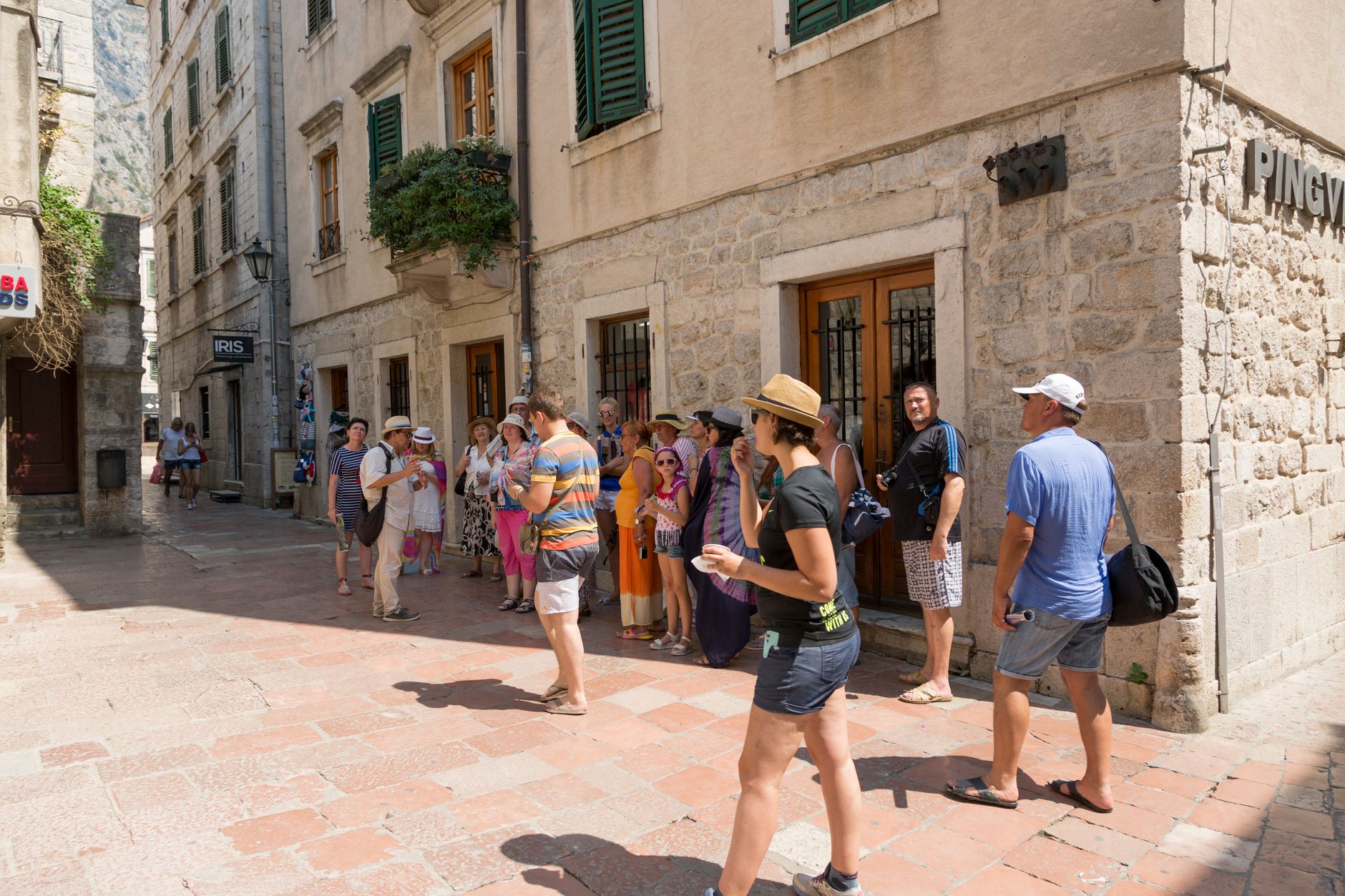
While professional guided tours offer curated historical narratives, the rise of digital mapping and open-data initiatives has empowered travelers to conduct high-quality, self-guided explorations. Tourism boards, such as those in Berlin, Barcelona, and Dublin, have transitioned from traditional printed brochures to interactive, geolocated itineraries accessible via mobile devices.
This shift has created a unique dynamic in the travel market: the "tip-based" tour. Unlike conventional agencies that charge a fixed, non-refundable fee, tip-based tours rely on a voluntary gratuity model. Industry analysts observe that this structure inherently forces tour guides to maintain higher standards of engagement and local expertise. A 2023 study by the World Tourism Organization (UNWTO) highlighted that cities with a high density of tip-based walking tours report higher levels of visitor satisfaction, as the interaction between locals and tourists tends to be more organic and less transactional.
Marketplaces as Socio-Cultural Anchors
For the observant traveler, local markets serve as the most accurate barometer of a city’s daily rhythm. Unlike high-street shopping districts, which are often homogenized by international retail chains, traditional farmers’ markets and weekend flea markets offer a localized view of regional supply chains and culinary traditions.
Data from the Food and Agriculture Organization (FAO) suggests that local markets act as essential nodes for urban resilience, preserving regional agricultural heritage and fostering social cohesion. In Southeast Asia, night markets function as critical nighttime economies, while in Europe, the weekend flea market serves as a decentralized museum of material culture. The economic implication is significant: when travelers spend their discretionary budget at these markets, the capital remains within the local community rather than being siphoned off by global tourism corporations.
Strategic Planning for Urban Mobility
Effective urban exploration requires a shift in logistical planning. The "sprint" method—where travelers attempt to visit as many landmarks as possible in a single day—is increasingly viewed as inefficient. Instead, urban planners and tourism experts recommend the "neighborhood-centric" approach.
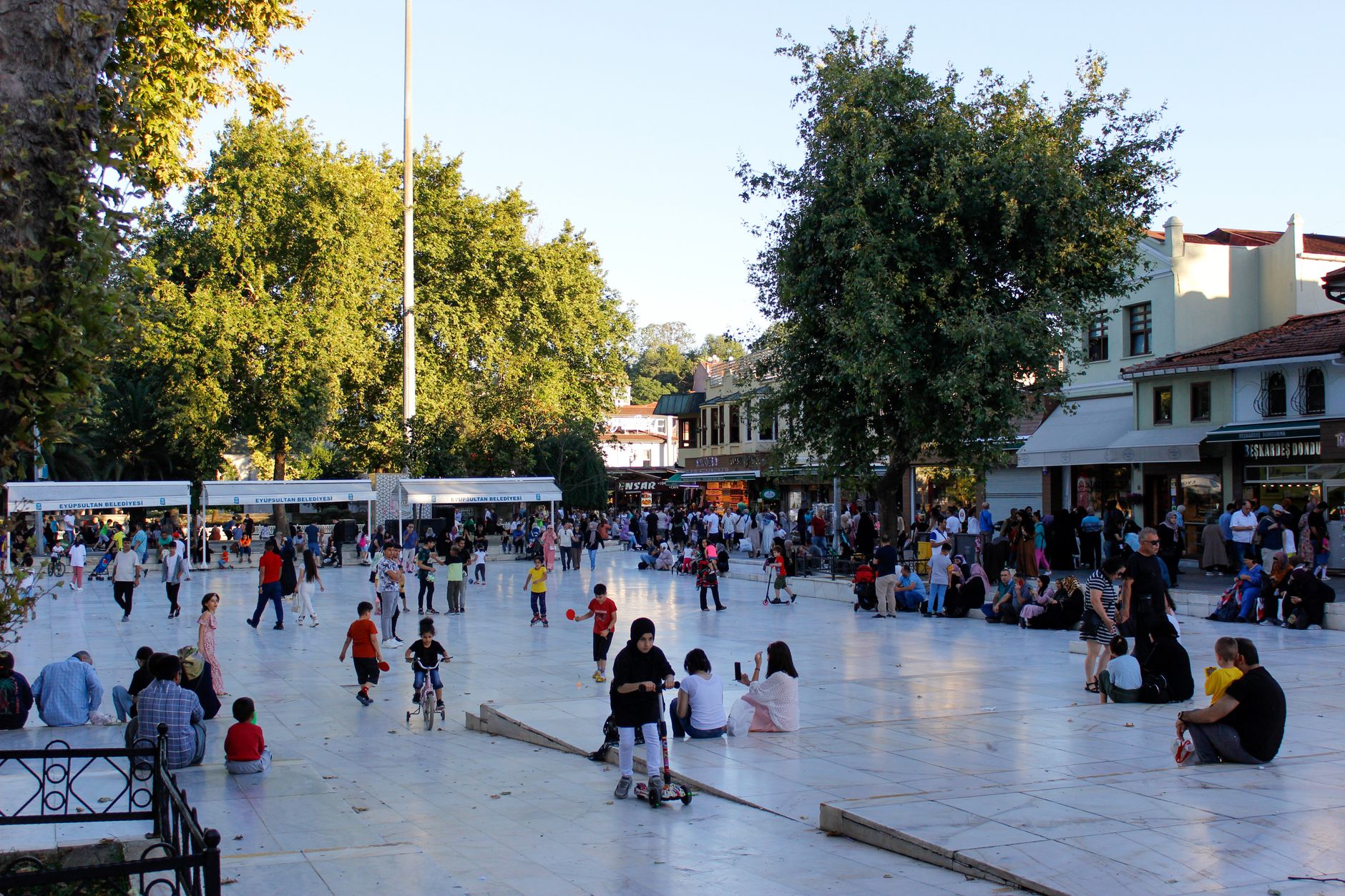
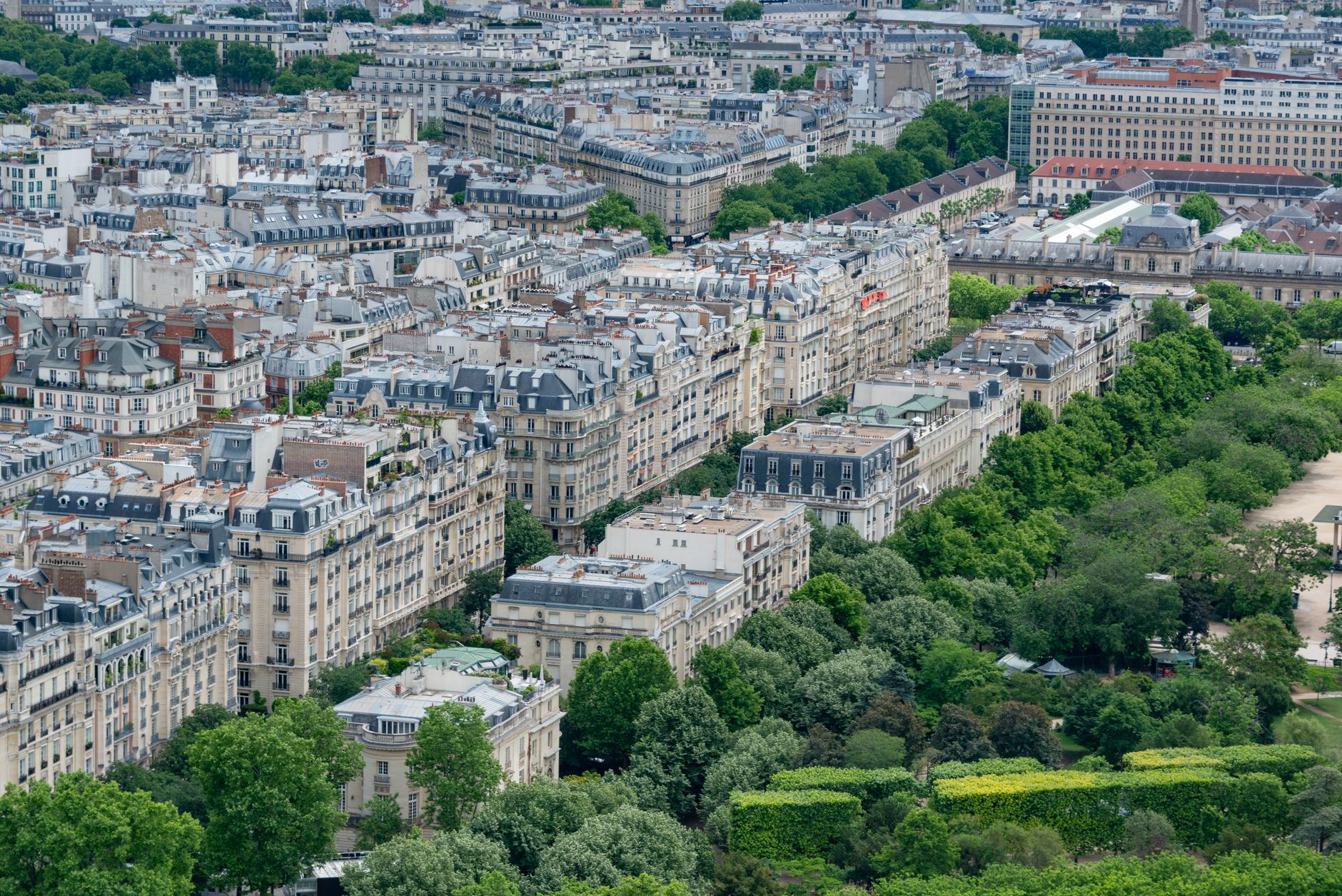
By focusing on a single district per day, travelers can significantly reduce transit costs and carbon footprints. This strategy allows for the discovery of non-monetized assets: public parks, architectural heritage, and community-run pop-up events. In New York City, for instance, the conversion of the High Line—an abandoned elevated rail line—into a public park has redirected millions of visitors away from traditional, congested tourist hubs and into a linear, free-to-access urban landscape.
The National Park Service (NPS) in the United States manages over 400 units, many of which provide historical and ecological context that is otherwise inaccessible. Accessing these sites requires minimal planning and, in many cases, no entrance fees, yet they provide the foundational context necessary to understand the development of the surrounding metropolitan areas.
Leveraging Digital Tools for Real-Time Discovery
The technological barrier to discovering free events has effectively been eliminated. Platforms such as Eventbrite, Meetup, and localized Facebook Groups have replaced the outdated reliance on physical bulletin boards or concierge recommendations.
A technical analysis of event-discovery algorithms shows that travelers who utilize location-based filtering can identify neighborhood-level cultural events—such as gallery openings, outdoor cinema screenings, or language exchange meetups—in real-time. From a sociological perspective, these events are particularly valuable because they are designed for residents, not tourists. Attending these gatherings allows for an immersion experience that is impossible to replicate through paid, commercialized entertainment packages.
Evaluating the "No-Spend" Philosophy
The growing trend of the "no-spend day" represents a fundamental change in the travel mindset. By intentionally setting a zero-dollar budget for a 24-hour period, travelers are forced to slow their pace and re-evaluate their perception of value.
Academic researchers in the field of tourism psychology have noted that "time affluence"—the feeling that one has enough time to enjoy life—is a primary driver of happiness during vacations. When travelers remove the pressure of "getting their money’s worth" from expensive attractions, they experience lower levels of stress and higher levels of serendipitous discovery.
This is not a matter of austerity, but one of strategic resource allocation. By reallocating funds previously earmarked for entry fees toward higher-quality local food or community-supported businesses, the traveler creates a more sustainable and equitable footprint.
Conclusion and Future Outlook
As cities continue to grapple with the pressures of over-tourism and inflation, the value of non-monetized travel will only increase. Public policy will likely continue to favor the preservation of free cultural spaces as a means to ensure that historical education remains accessible to all demographics, regardless of economic status.

The trajectory of modern travel is moving away from the consumption of pre-packaged, high-cost experiences and toward the exploration of the city as a living, breathing ecosystem. By prioritizing the market, the park, the self-guided route, and the community-led event, the modern traveler does not simply "see" a city—they participate in its ongoing history. The most effective way to engage with a new destination remains, ultimately, the most accessible: walking, observing, and participating in the public life of the city itself.