Failure Mode and Effects Analysis: A Strategic Framework for Mitigating Operational Risk in High-Stakes Environments

In the modern landscape of interconnected global operations, a single point of failure can trigger a cascade of systemic collapse, resulting in millions of dollars in losses and severe reputational damage. Failure Mode and Effects Analysis (FMEA) serves as a critical, proactive methodology designed to identify, quantify, and mitigate potential points of failure within a product, service, or process before those failures can impact the end user. By adopting a "worst-case scenario" mindset, organizations can transition from reactive crisis management to a disciplined, preventative posture.

The 2017 British Airways IT outage stands as a quintessential case study in the necessity of such rigor. The incident, which paralyzed the airline’s global operations during a peak travel holiday, demonstrated how a localized technical failure could propagate through an entire network, grounding thousands of flights and leaving tens of thousands of passengers stranded. While early estimates suggested financial damages reaching £100 million, IAG (International Airlines Group) later confirmed a gross cost of approximately £80 million. Beyond the balance sheet, the event exposed structural vulnerabilities in critical infrastructure, emphasizing that operational resilience is not merely an IT concern, but a core business mandate.
The Mechanics of FMEA: A Disciplined Approach to Risk
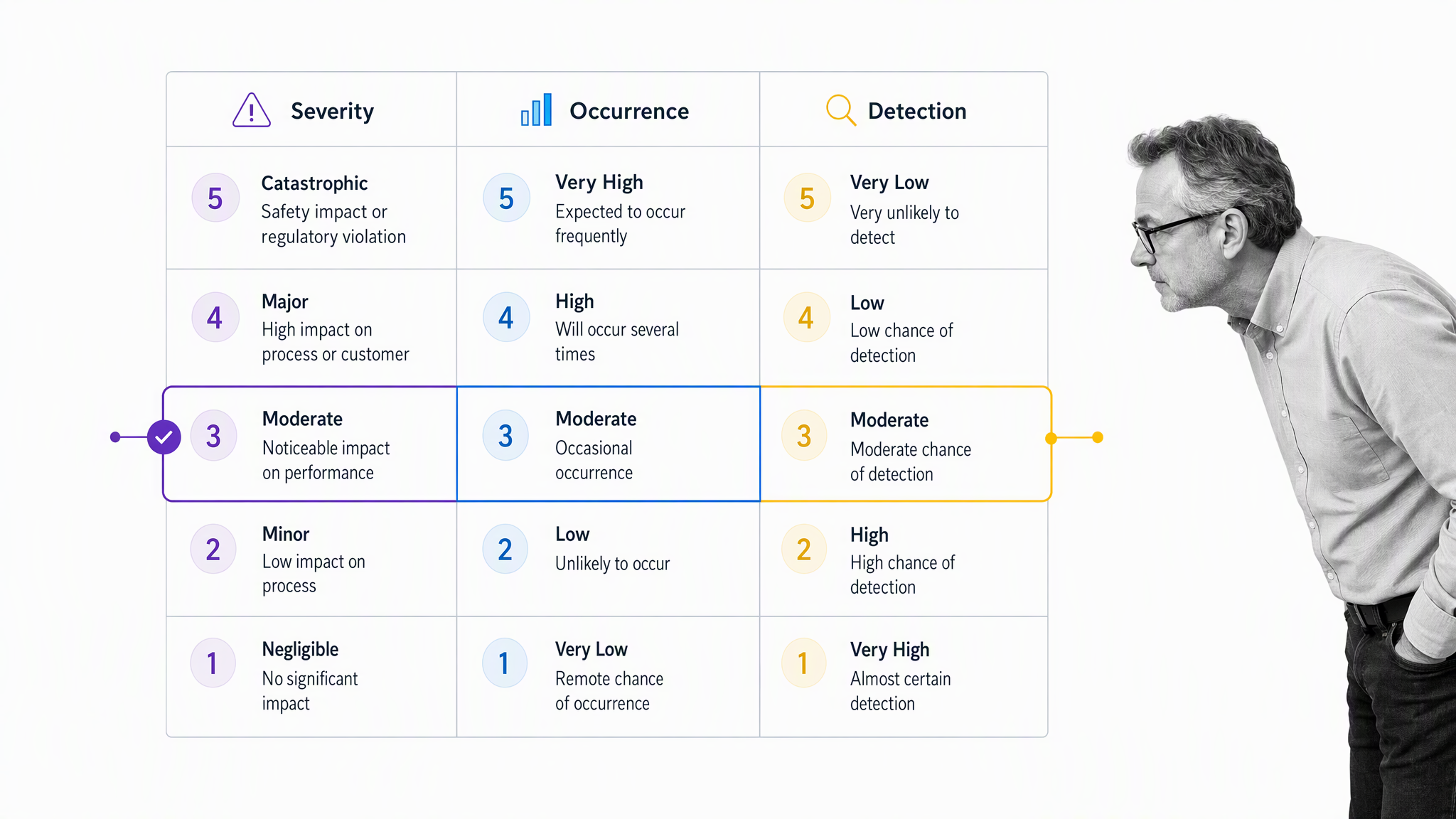
At its core, FMEA is a systematic, team-based exercise that shifts the focus from fire-fighting to fire-prevention. It requires a cross-functional group—comprising experts in technology, operations, and quality assurance—to evaluate a process through three distinct lenses:
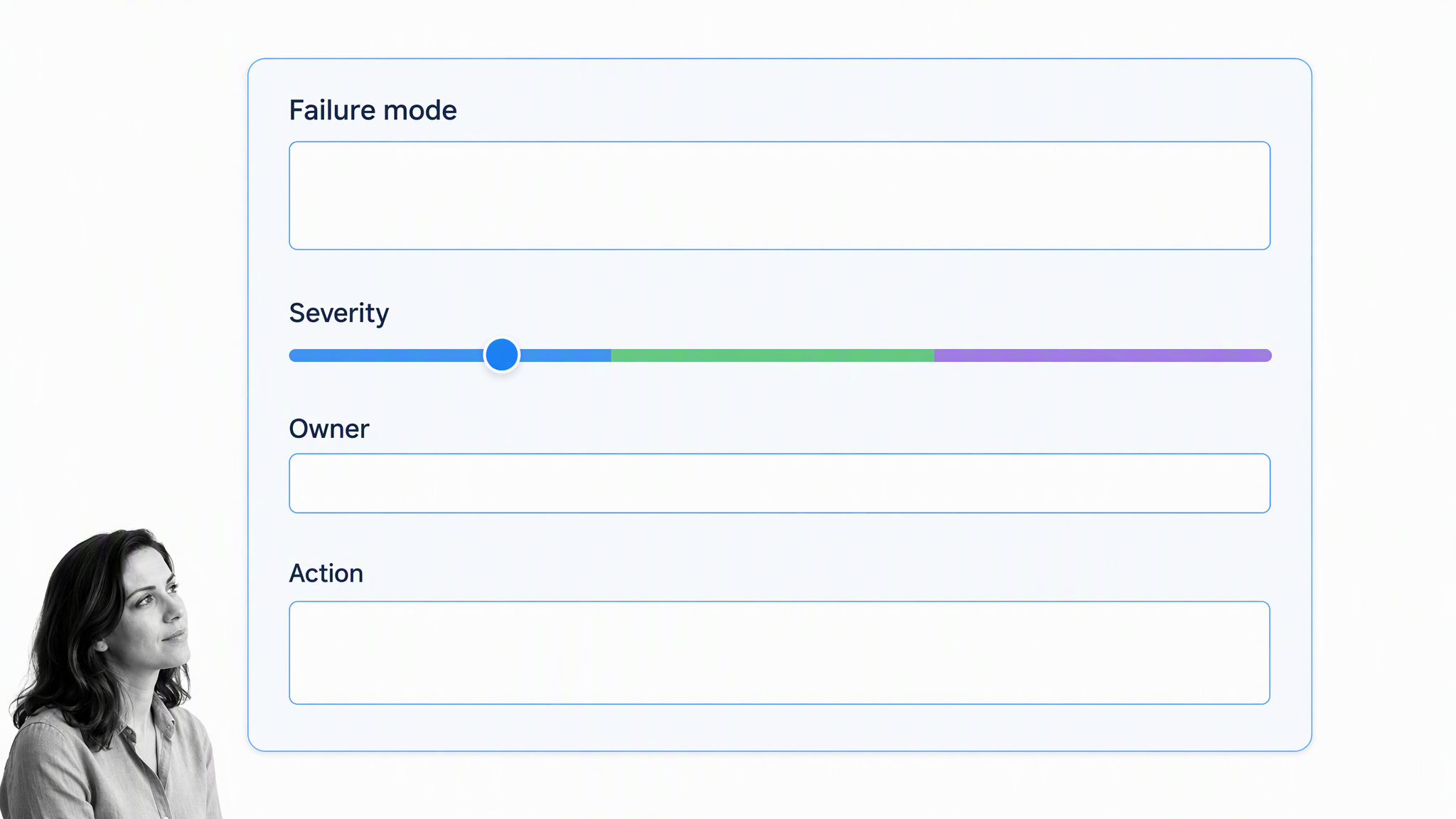
- Severity (S): An assessment of the impact on the customer or the business should the failure mode occur. In the case of aviation, this ranks from minor delays to catastrophic service interruptions.
- Occurrence (O): An evaluation of how frequently the failure mode is likely to manifest. This involves analyzing historical data, wear-and-tear projections, and human factor vulnerabilities.
- Detection (D): A measure of how easily the system can identify a failure before it reaches the customer. A high detection score indicates that a failure is elusive and likely to remain hidden until it is too late.
By calculating the Risk Priority Number (RPN)—the product of S, O, and D—organizations can objectively rank their risks. This allows leadership to allocate resources toward the most dangerous failure paths, ensuring that the highest-risk areas receive the most robust preventative controls.
Anatomy of the 2017 British Airways Outage
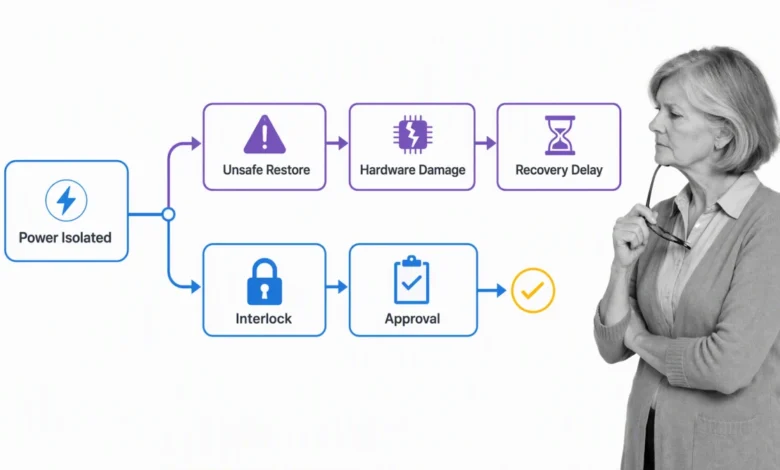
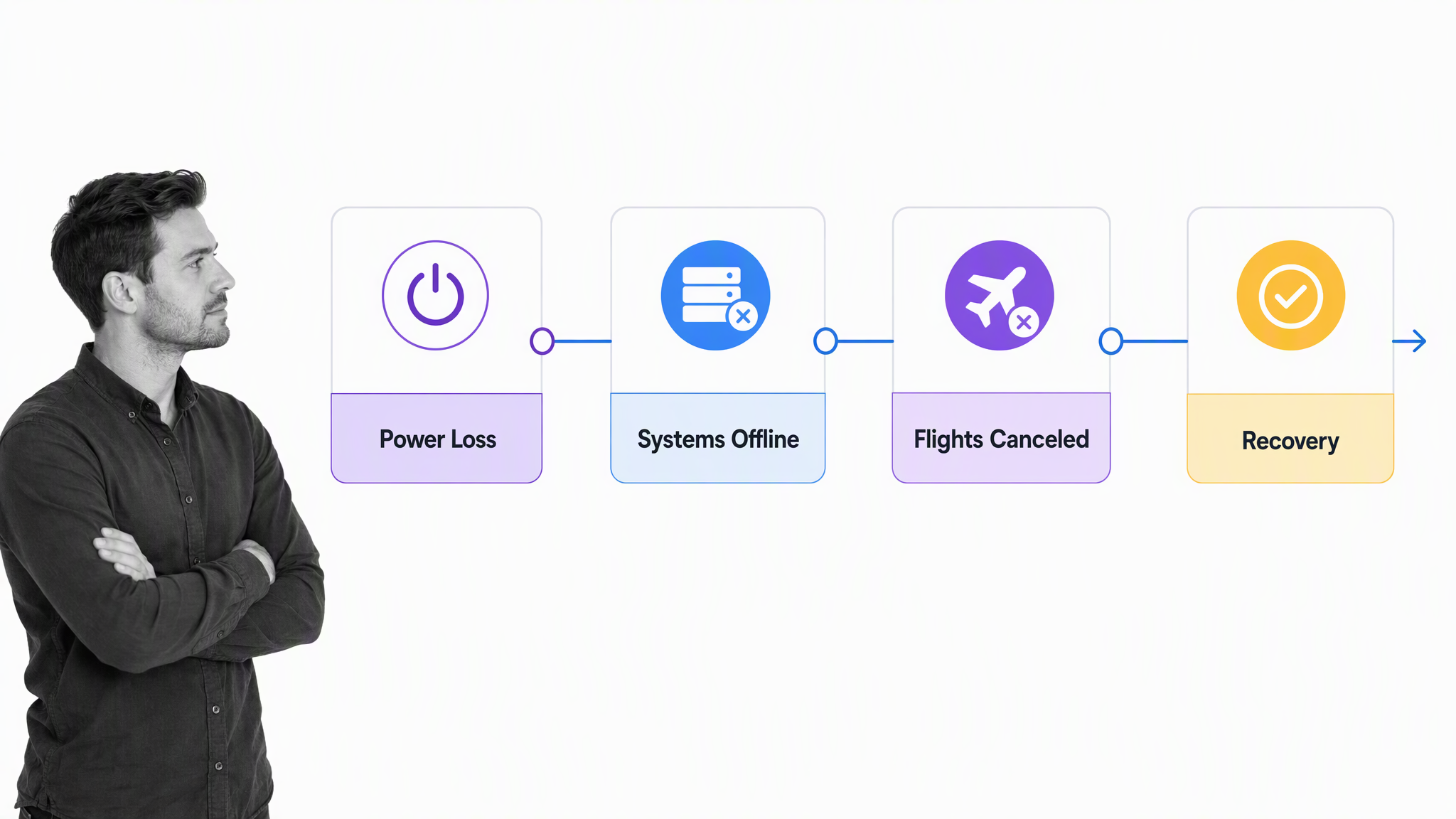
On May 27, 2017, the start of a busy UK bank holiday weekend, British Airways suffered a catastrophic power failure at a primary data center. The initial loss of power was compounded by an "uncontrolled" restoration of electricity, which reportedly caused physical damage to IT hardware.
The timeline of the failure was rapid and devastating:
- The Trigger: Power supply instability at a UK-based data center.
- The Cascade: The failure of the Uninterruptible Power Supply (UPS) system, intended to act as a buffer during mains power fluctuations, failed to maintain the stability required for critical systems.
- The Impact: Immediate loss of check-in, baggage handling, and flight dispatch systems.
- The Fallout: Over three days, more than 700 flights were canceled, affecting approximately 75,000 travelers. The disruption extended beyond the UK, causing a domino effect across the airline’s international hub network.
Lessons in Operational Resilience
In the aftermath, the incident prompted a broader conversation regarding the "normalization of deviance"—the tendency for organizations to become complacent as they repeatedly operate on the edge of failure. When power systems are maintained or updated, the risk of "human error" is often cited as the cause. However, a rigorous FMEA approach would likely have identified the lack of redundant, automated interlocks and the potential for a surge during manual power restoration as a high-risk failure mode.
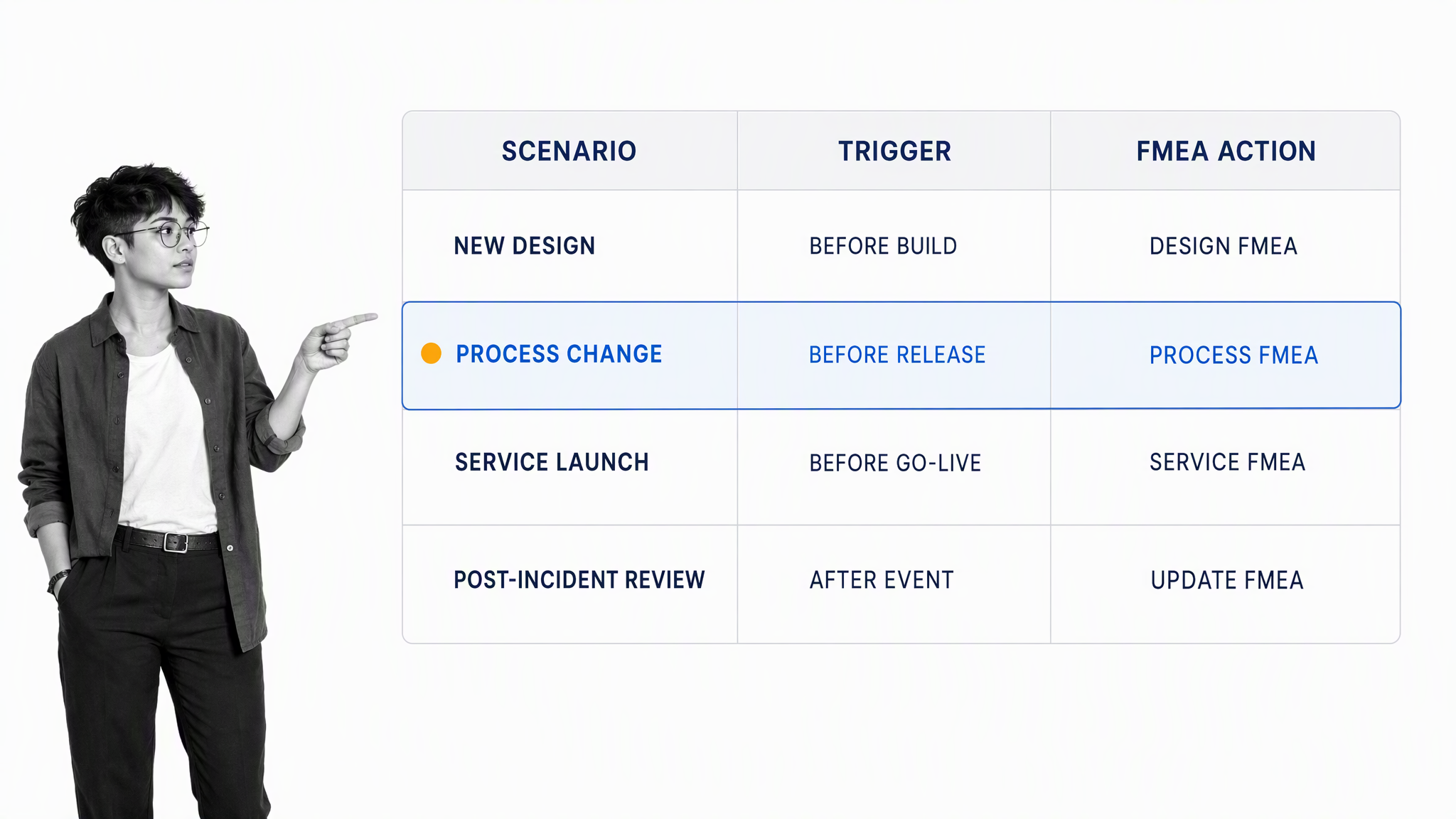
The implication is clear: human error is rarely the root cause; rather, it is a symptom of a process that allows for high-risk actions without sufficient safeguards. In a resilient system, software or physical interlocks should prevent an operator from executing a dangerous restart sequence, regardless of their level of expertise.
Implementing FMEA for Sustainable Quality
To effectively implement FMEA, organizations must move beyond static spreadsheets and integrate risk assessment into their active management systems. A robust FMEA workflow follows a five-step lifecycle:
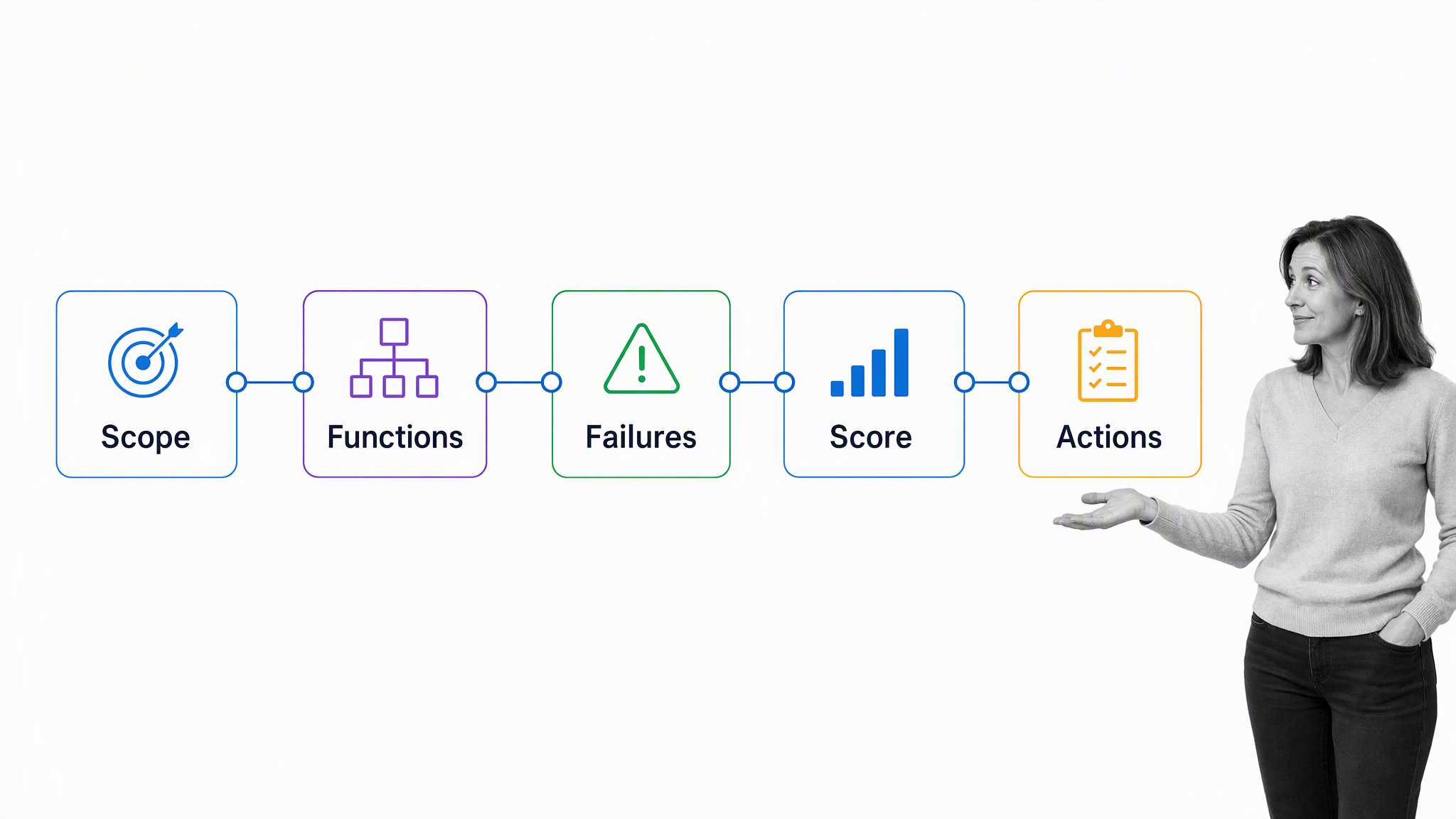
- Scoping: Defining the boundary of the process under review.
- Identification: Brainstorming potential failure modes for each step of the process.
- Assessment: Assigning scores for severity, occurrence, and detection.
- Action: Developing corrective actions (e.g., automated monitoring, redundant hardware, or revised training protocols).
- Verification: Re-scoring the risk after the control has been implemented to ensure the danger has been successfully mitigated.
Modern process management platforms facilitate this by allowing teams to link documentation with execution. By embedding the FMEA directly into the workflow—using tools that track ownership, evidence of completion, and audit trails—organizations ensure that risk management is not a one-time activity but a living, breathing component of their operational culture.
Broader Implications for Industry
The British Airways event serves as a stark reminder that in the digital age, technology is the backbone of operational continuity. When that backbone fractures, the resulting costs—compensation, rebooking, logistical support, and, most importantly, the erosion of brand trust—are immense.
The lesson for modern enterprises is that complexity does not excuse vulnerability. Whether a company is in manufacturing, logistics, or software services, the objective remains the same: identify where the process can fail, understand the chain of causality, and build the physical and procedural barriers necessary to stop a small hiccup from becoming a systemic disaster.
By formalizing the "pessimist’s approach"—the proactive search for flaws—companies can achieve a level of stability that their competitors, who rely on reactive fixes, simply cannot match. FMEA is not merely a tool for engineers or quality managers; it is a strategic imperative for any leader tasked with protecting the integrity and longevity of their business in an increasingly volatile global market. As the industry looks to the future, the integration of AI-driven diagnostics and real-time process monitoring will likely further enhance the efficacy of FMEA, allowing for even faster identification of hidden risks. However, the fundamental discipline of mapping failure paths and designing robust controls will remain the bedrock of true operational excellence.