The Economic Shift Behind the Rise of Funflation and the Changing Landscape of American Leisure Spending

The cost of leisure in the United States is undergoing a significant transformation, driven by shifting generational priorities and a phenomenon economists are calling "funflation." While Americans are increasingly prioritizing recreational activities and personal hobbies as central components of a balanced life, the financial commitment required to sustain these pursuits has climbed sharply. Recent data from the Bank of America Institute highlights a 7.9% year-over-year increase in hobby-related spending as of August 2026, a trend that underscores the growing intersection of discretionary income, inflation, and the post-pandemic desire for meaningful experiences.
This rise in spending is not merely a reflection of increased participation; it is a testament to the surging costs of entertainment, travel, and hobby-related equipment. As households navigate the broader economic climate, the "hobby economy"—a sector encompassing everything from artisanal crafts and sports to digital gaming and travel—has become a significant indicator of how different demographics allocate their wealth.
The Phenomenon of Funflation and Market Dynamics
The term "funflation" describes a specific economic trend where the prices of entertainment, leisure, and experiential goods outpace broader inflation metrics. Following the mass lockdowns of 2020 and 2021, consumers emerged with a renewed urgency to reclaim "lost time." This behavioral shift created a surge in demand for live events, travel, and high-quality recreational activities, allowing providers to increase prices with minimal resistance.
According to the Bank of America Institute’s analysis, the 7.9% rise in hobby spending significantly outpaced the growth in actual transaction volume. This discrepancy is a primary indicator of inflationary pressure. When spending rises at double the rate of transaction frequency, it confirms that consumers are paying more for the same level of activity. For the average American, this means that the "cost of fun" has become a non-trivial line item in the monthly budget, necessitating a reevaluation of discretionary spending habits.
Generational Disparities in Recreational Investment
The financial approach to leisure varies drastically across the age spectrum. Bank of America’s data provides a granular look at how different cohorts manage their hobby budgets, revealing a landscape defined by life stage and financial responsibility.
At the top of the spectrum are older millennials, who lead the country in monthly hobby expenditure, averaging approximately $220 per person. Economists suggest this figure is skewed upward by "parental drag"—the added cost of funding hobbies for children. As this demographic balances career advancement with the demands of raising families, their leisure spending becomes intrinsically linked to the extracurricular lives of their dependents.
Baby Boomers and Gen X consumers follow closely, with both groups spending upwards of $200 per person on a monthly basis. For Boomers, this expenditure often reflects a post-retirement lifestyle characterized by travel, specialized equipment for outdoor activities, and high-end hobby pursuits. Gen X, currently in their peak earning years, demonstrates a similar commitment to leisure, often prioritizing experiences that offer a reprieve from high-stress professional environments.
In contrast, younger millennials and Gen Z consumers exhibit more modest spending patterns. Younger millennials average approximately $140 per month, while Gen Z spends closer to $100. These figures likely reflect the entry-level status of these cohorts in the workforce and the prioritization of debt repayment, housing, and savings goals over high-cost recreational activities. However, it is important to note that for Gen Z, the definition of a "hobby" is evolving; digital experiences, content creation, and community-based online gaming often require less capital than traditional, physical hobbies, which may account for the lower monthly outlay.
Chronology of the Hobby Economy Surge
The trajectory of the hobby economy over the past six years provides a roadmap of how external crises influence personal consumption.
- 2020: The Quarantine Pivot. As the global pandemic restricted mobility, millions of Americans pivoted toward home-based hobbies. Gardening, baking, DIY home improvement, and creative arts saw a massive influx of participants. During this period, the hobby economy was primarily defined by goods—purchasing supplies to facilitate at-home activities.
- 2021–2022: The Re-emergence. As restrictions lifted, the hobby economy shifted from goods to services and experiences. Travel bookings, concert attendance, and professional classes replaced home-centric activities. This transition catalyzed the first wave of "funflation," as supply chain issues and labor shortages made experiences more expensive.
- 2023–2024: The Normalization of Costs. High inflation became a permanent fixture in the economic conversation. While general consumer goods saw price fluctuations, leisure and entertainment costs remained stubbornly high, as consumer demand remained resilient despite the economic headwinds.
- 2025–2026: The Maturity of the Hobby Economy. The current environment reflects a stabilization of interest, but at a higher price floor. Americans continue to prioritize these activities, but they are increasingly budget-conscious, leading to the rise of side hustles and the "hobby-to-business" pipeline.
From Leisure to Liquidity: The Rise of the Hobbyist Entrepreneur
The economic pressure of funflation has sparked a secondary trend: the professionalization of hobbies. A LendingTree study conducted in the wake of the pandemic revealed that nearly 60% of Americans adopted a new hobby during the quarantine period, and roughly half of those individuals explored ways to monetize their newfound skills.
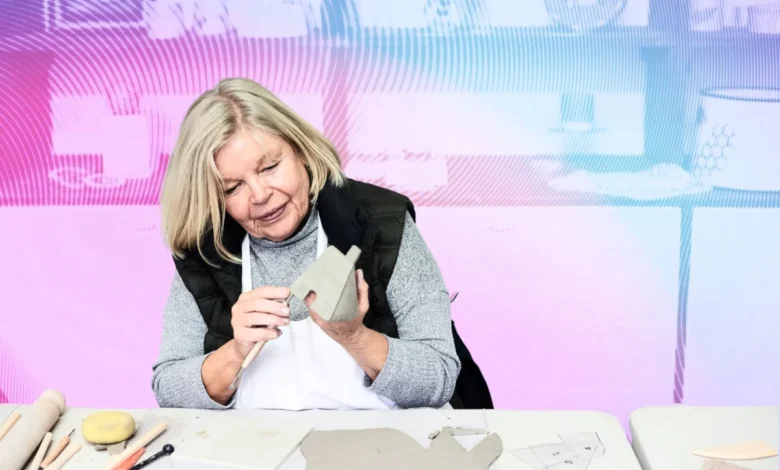
This shift is not merely about financial necessity; it is a fundamental change in the American perception of labor. Many individuals, like retired engineer Anna Hudick, represent a growing movement of people who view their creative output as a viable business model. After retiring from a decades-long career, Hudick transitioned into the jewelry-making industry, eventually launching a business that includes both product sales and the instruction of craft classes.
This trend carries significant implications for the broader economy. When hobbies become side hustles, the lines between personal time and productive time blur. For the individual, this can offer a sense of fulfillment and financial security. For the economy, it signals an expansion of the creator economy and a diversification of small-business structures. Teaching, as a component of a hobby business, also addresses a social need, providing stressed professionals with an environment to unplug, learn, and engage in tactile, non-digital work.
Analysis of Implications: Is Leisure Sustainable?
The persistence of funflation raises important questions about the long-term sustainability of the current leisure market. If the cost of hobbies continues to rise at rates higher than wage growth, consumers will eventually reach a "spending ceiling."
- The Substitution Effect: Consumers may move away from expensive, professional-led experiences toward lower-cost, DIY alternatives. We may see a return to "analog" hobbies that require a one-time equipment investment rather than recurring monthly fees.
- The Professionalization of Leisure: As the barrier to entry for hobbies rises, the "side hustle" model may become the only way for middle-class Americans to afford their passions. By monetizing their skills, participants can offset the costs of their hobby, effectively creating a self-sustaining loop of consumption and production.
- Well-being and Public Health: The Gallup data suggesting that Americans view hobbies as "extremely important" indicates that leisure is no longer viewed as a luxury, but as a mental health necessity. If inflation forces individuals to abandon these activities, the social cost—measured in increased stress and decreased life satisfaction—could be substantial.
Conclusion
The evolution of the American hobby economy is a complex interplay of post-pandemic recovery, generational demographic shifts, and inflationary pressure. While "funflation" presents a clear challenge to the household budget, it has also acted as a catalyst for innovation, encouraging a significant portion of the population to transform their leisure time into entrepreneurial ventures.
As the data from the Bank of America Institute and other research firms suggests, the appetite for recreational activity remains robust. Whether through the lens of a retiree teaching a craft class or a millennial balancing the costs of family activities, the American public continues to define itself by what it does in its spare time. Moving forward, the resilience of this sector will likely depend on the ability of hobbyists to balance the increasing costs of their passions with the creative potential of turning those passions into profit. The hobby economy is no longer just a reflection of how we spend our money; it is becoming an essential pillar of how we structure our lives and our livelihoods in an increasingly expensive world.