The Evolution of Everyday Carry: How Minimalism and Technology are Redefining Personal Efficiency

The modern concept of Everyday Carry (EDC)—the collection of items a person carries on their person daily—is undergoing a profound transformation driven by the convergence of digital integration and a renewed focus on intentional minimalism. As consumers increasingly rely on multifunctional hardware, the physical clutter that defined the early 21st-century pocket is being systematically replaced by streamlined, tech-enabled solutions. From the integration of smart wearables into professional environments to the re-evaluation of auxiliary gear, the shifting habits of the modern professional indicate a move toward “upstream” simplification, where the necessity of an object is dictated by the habit it supports.
The Rise of Hands-Free Capture and Invisible Tech
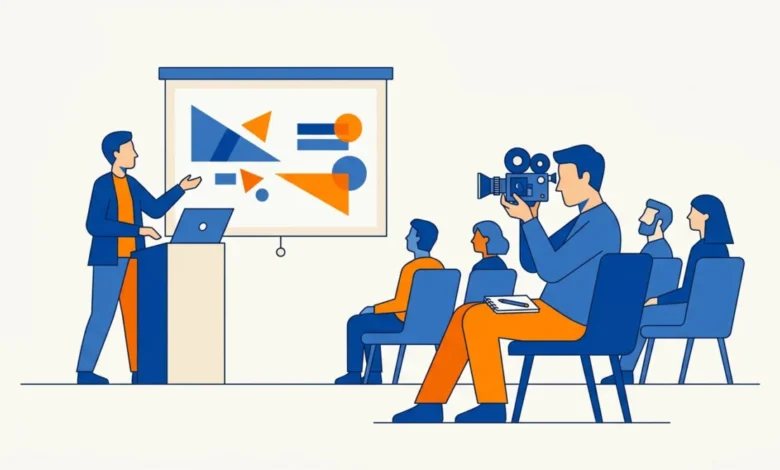
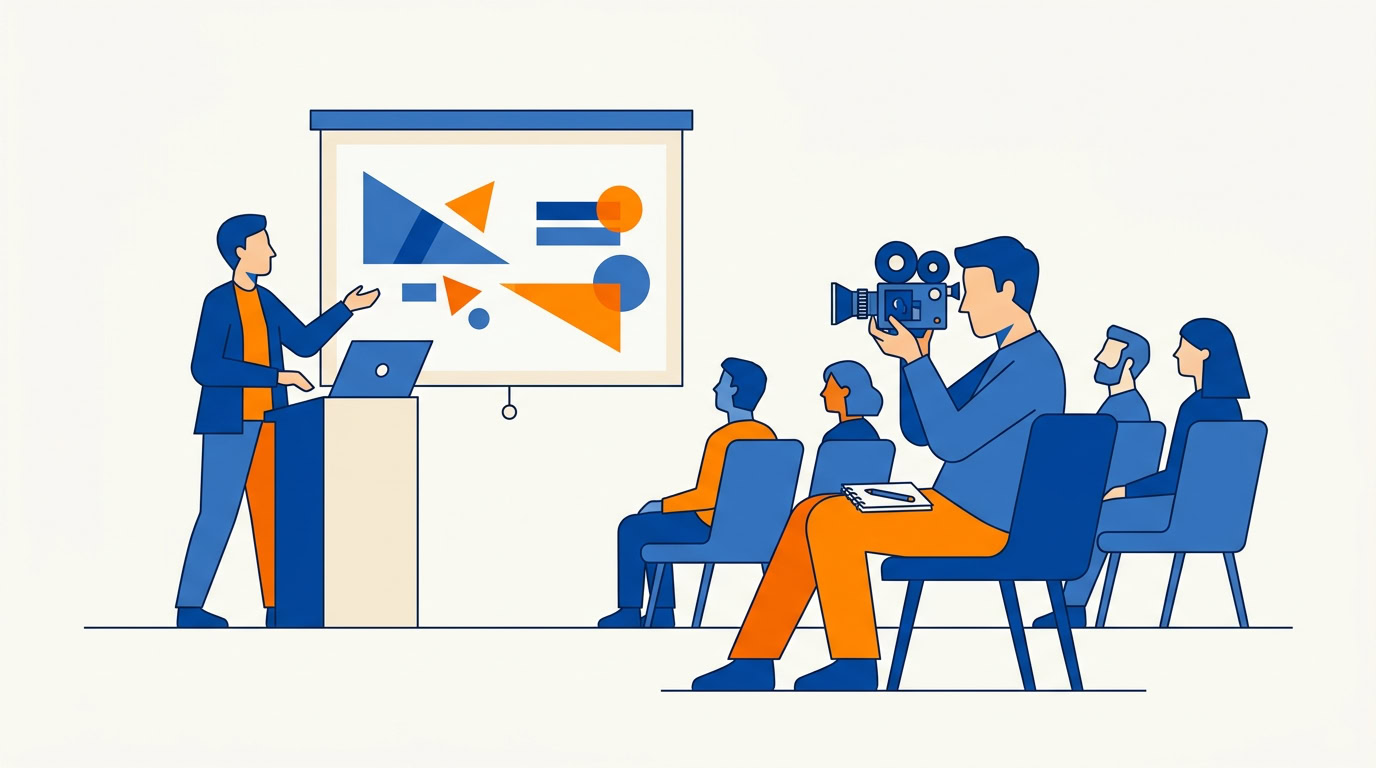
The recent emergence of smart glasses, specifically models like the Ray-Ban Meta, represents a significant shift in how information is captured during professional engagements. At a recent industry conference, attendees observed a distinct departure from traditional documentation methods. Rather than reaching for a smartphone to photograph slide decks—a process requiring the removal of the device from a pocket, unlocking the screen, launching a camera application, and physically stabilizing the device—users were observed utilizing integrated optical sensors.
By tapping the frame of the glasses, users could capture high-resolution images of presentations instantaneously. This method provides two distinct advantages: it minimizes disruption to the speaker and the audience, and it eliminates the “fumbling” period that often results in missed data. Analysts suggest that the adoption of clear-lens versions of these wearables allows for a seamless transition between indoor and outdoor environments, effectively masking the “smart” functionality of the device and normalizing its use in business settings. This transition marks a departure from earlier iterations of augmented reality hardware, which were often criticized for their obtrusive aesthetics and social awkwardness.
The Chronology of Digital Displacement
To understand the current trend toward minimalism, one must examine the timeline of technological displacement. Over the past decade, the smartphone has acted as a catalyst for the obsolescence of several traditional EDC staples:
- 2010–2015: The rise of digital payment systems and mobile ticketing began to reduce the necessity for physical wallets and bulky ticket books.
- 2016–2020: The widespread adoption of cloud-based keyless entry systems for residential and commercial buildings initiated the decline of traditional metal keyrings.
- 2021–Present: The maturation of biometric identification and digital government documentation has allowed a growing segment of the population to move through their daily routines without a traditional driver’s license or physical identification, provided they remain within jurisdictions that accept digital variants.
This chronology demonstrates that as the digital ecosystem surrounding an individual becomes more robust, the physical load decreases. For those who have adopted a “car-free” lifestyle, the elimination of vehicle keys and registration documents serves as the most significant factor in reducing daily pocket clutter. When the "anchor habit"—in this case, driving—is removed, the associated physical items naturally follow.
Fact-Based Analysis: The "Habit-Item" Audit
Productivity experts and organizational consultants often recommend a “table-dump” audit to streamline one’s daily carry. By placing every item on a surface and identifying the specific habit each object supports, individuals can quantitatively assess the necessity of their possessions.
Data from recent productivity studies indicate that the average professional carries between six and twelve items daily, with roughly 30% of those items serving as redundant backups for digital processes already handled by a smartphone. For instance, carrying a physical key for a door that can be opened via a mobile app is a clear example of habit-based redundancy. By consciously dropping the habit—or upgrading the infrastructure to support a digital-first approach—individuals can effectively reclaim space and reduce cognitive load.
Strategic Redundancy: The Wired Backup
While minimalism is the goal, the reality of hardware failure remains a persistent concern in professional environments. A common strategy employed by frequent travelers and remote workers is the inclusion of "zero-weight" backups. The primary concern is not the weight of the items, but the catastrophic failure of a critical tool during a high-stakes moment, such as a client conference call.
Industry standards for professional kits currently suggest the inclusion of a "fail-safe" layer. For audio, this often manifests as a pair of wired earbuds paired with a compact USB-C adapter. While wireless technology like AirPods offers convenience, wired backups provide a reliable, battery-independent solution that requires minimal space. Similarly, the industry standard for power management has shifted toward high-density power banks paired with a single, high-quality, universal charging cable. This approach ensures that the professional remains operational for extended periods, such as a ten-hour workday, without the need for multiple proprietary cables.
The "Workhorse" Philosophy in Equipment Selection
A parallel trend in EDC is the movement away from high-value, status-driven equipment toward "beater" gear—items designed to withstand abuse without requiring constant maintenance. This is particularly evident in the choice of carry-on bags. Professional-grade totes, often featuring minimalist, geometric designs, are gaining popularity over luxury leather goods because they do not require "babying."
In urban environments where bike commuting and frequent travel are common, equipment that can withstand dings, dirt, and potential theft attempts provides a psychological advantage. By choosing a bag that serves as a tool rather than a status symbol, professionals can engage with their environment more fluidly. This philosophy of "unremarkable gear" is increasingly favored for its practicality and the freedom it affords the user to focus on the task at hand rather than the protection of their belongings.
Implications for Future Packing Strategies
The final decision in the EDC evolution is the choice between "individual" and "communal" packing. There exists a distinct divide between those who pack exclusively for their own needs—adhering to a strict, minimalist kit—and those who choose to carry a "Snake Charmer" style pouch, stocked with a variety of cables (Lightning, USB-C, multi-tip) to assist others in their professional circle.
Research into workplace dynamics suggests that the latter approach, while adding bulk to one’s carry, serves as a social asset in collaborative environments. However, for the individual looking to maximize mobility, the consensus is clear: the most efficient system is one that assumes the only devices requiring power or repair are those belonging to the user.
Conclusion: The Upstream Simplification
The transition to a streamlined daily carry is not merely an aesthetic choice; it is a byproduct of a simplified lifestyle. As demonstrated by the integration of smart wearables and the elimination of redundant physical items, the most effective way to carry less is to ensure the life "upstream"—the habits, the transport, and the digital workflow—is as simple as possible.
When a professional empties their pockets onto a table, the goal should be to identify not what they can carry, but what they no longer need to carry. By aligning one’s physical gear with the actual requirements of the day, rather than the habits of the past, individuals can achieve a higher level of operational efficiency. In the modern era, the best piece of equipment is often the one that was never packed in the first place, replaced instead by a smarter, more integrated way of navigating the world.
Related posts: