ElevenLabs Leads AI Voice Market with Unrivaled Realism, But Pricing Transparency Remains a Key Consideration for Consumers

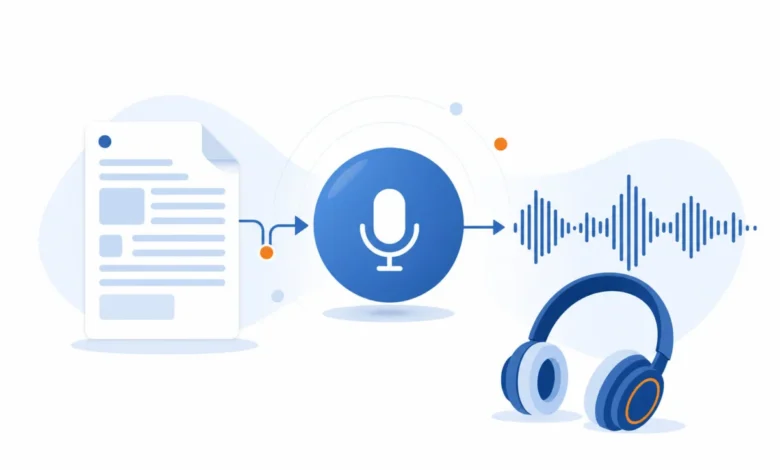
ElevenLabs has emerged as the frontrunner in the burgeoning artificial intelligence voice market, consistently producing the most natural-sounding AI-generated voices and offering the industry’s best voice cloning capabilities across all tools tested. However, prospective users are urged to exercise vigilance regarding its advertised pricing structure; the widely promoted "$11/month" Creator tier is a first-month promotional offer, not the standard ongoing rate, which reverts to $22/month thereafter. For podcasters and video editors already integrated into the Descript ecosystem, the Overdub feature presents a seamless and cost-effective alternative for correcting audio errors without the need for an additional subscription. This nuanced landscape of advanced AI voice synthesis underscores both the remarkable technological progress and the evolving commercial models within the sector.
The Ascendance of AI Voice Synthesis: Market Dynamics and Technological Leap
The global market for AI voice generation, encompassing text-to-speech (TTS) and voice cloning, is experiencing exponential growth, driven by increasing demand across diverse sectors such as content creation, accessibility services, customer support, and interactive entertainment. Industry reports project this market to reach multi-billion dollar valuations within the next few years, with a compound annual growth rate (CAGR) often exceeding 25%. This rapid expansion is fueled by significant advancements in deep learning and neural network architectures, enabling AI models to generate speech that closely mimics human intonation, emotion, and cadence.
Historically, text-to-speech technology has evolved from robotic, monotonic voices to increasingly natural-sounding outputs. The current generation of AI voice models, particularly those leveraging advanced neural networks, has fundamentally transformed this capability, making it difficult for casual listeners to distinguish between human and synthetic speech. This breakthrough has profound implications for how digital content is produced and consumed, offering unprecedented efficiency and flexibility for creators.
ElevenLabs: Setting the Standard for Voice Quality and Cloning
At the forefront of this revolution is ElevenLabs, a platform that has rapidly gained recognition for its superior audio fidelity. The company’s core strength lies in its ability to generate AI voices that not only sound human but also convey genuine emotional range, natural pacing, and appropriate emphasis on specific words—qualities often lacking in competing solutions. This significant gap in realism makes ElevenLabs a preferred choice for professionals demanding the highest quality synthetic audio.
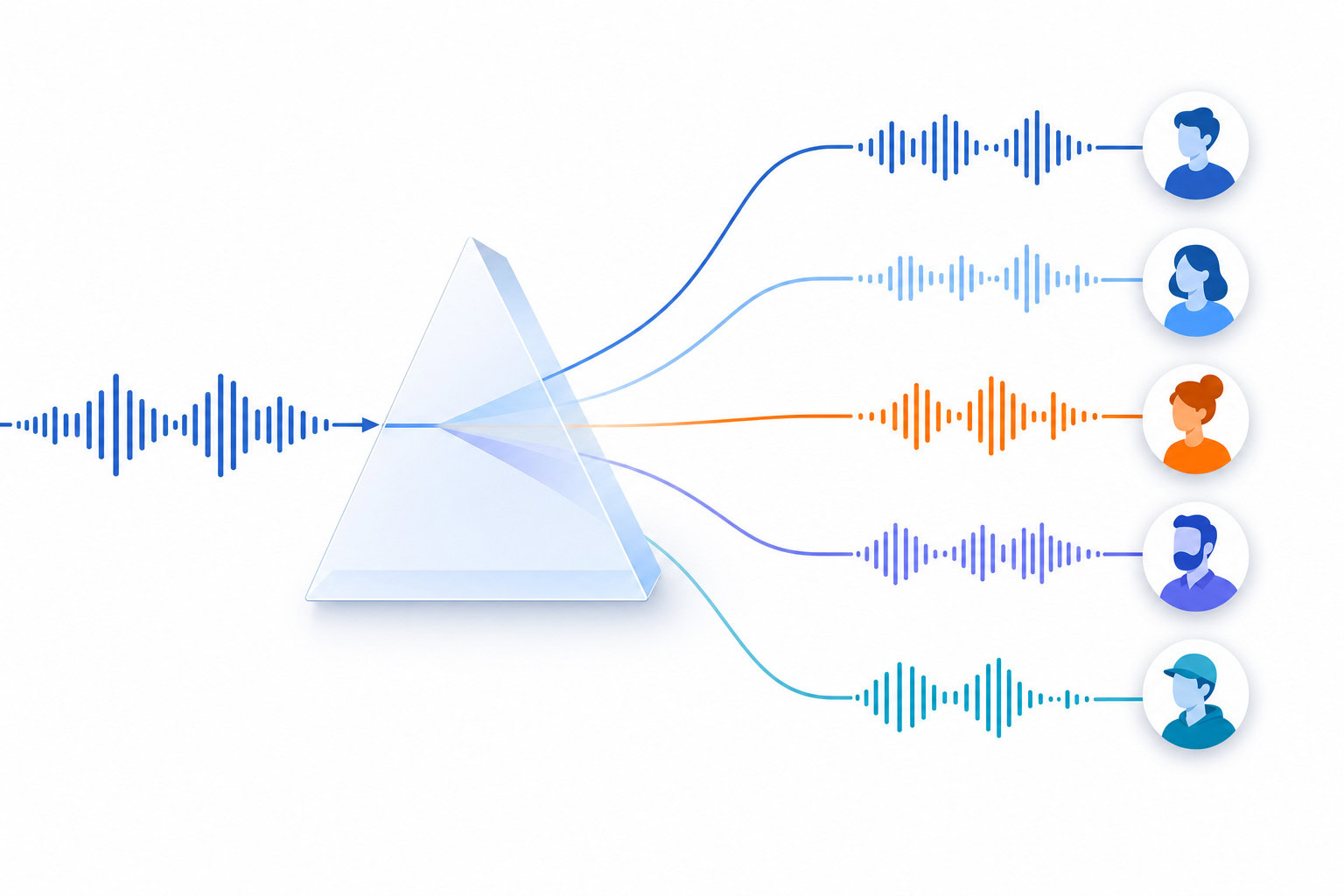
Beyond its impressive text-to-speech capabilities, ElevenLabs excels in voice cloning. The process involves uploading a brief audio sample (often just a few minutes) of a person’s voice, which the AI then uses to create a highly accurate digital replica. Independent evaluations confirm that the resulting cloned voices are so close to the original that "casual listeners can’t tell the difference." This feature is particularly valuable for podcasters, voiceover artists, and content creators who wish to maintain a consistent brand voice or make edits without the need for time-consuming re-recordings. The accessibility of a free tier offering 10,000 credits per month further lowers the barrier to entry, allowing potential users to thoroughly test the quality on their own content before committing to a paid subscription.
The Promotional Pricing Paradox: A Common Industry Practice
A critical aspect for potential ElevenLabs subscribers to note is the widely advertised "$11/month" rate for its Creator tier. While accurate for the initial billing cycle, this is a promotional first-month rate for new subscribers. The standard, ongoing price for this tier is $22/month, or $18.33/month if committing to annual billing. This practice of offering attractive introductory prices, only for them to double or significantly increase thereafter, is not unique to ElevenLabs but is a prevalent strategy across many AI-driven subscription services. Users, especially those migrating from free trials or expecting long-term affordability, should carefully review the terms and conditions to avoid unexpected increases in their second invoice. This pricing structure highlights the importance of transparent communication from service providers and diligent research from consumers in the fast-paced subscription economy.
Comparative Analysis of Leading AI Voice Platforms
While ElevenLabs leads in raw quality, the market offers specialized alternatives catering to different needs and budgets, each with its own strengths and target audience.
1. Murf AI: Value and Versatility for Budget-Conscious Creators
Murf AI positions itself as an excellent choice for creators seeking a strong balance of quality, features, and affordability, particularly for those whose primary need is voiceovers rather than ultra-realistic voice cloning. Its Creator plan, priced at $19/month, provides 2 hours of generated audio, a substantial allocation for many monthly projects. Murf boasts an extensive library of over 200 voices across more than 30 languages, alongside features like built-in video editing, AI dubbing in 44 languages, and PowerPoint integration. This comprehensive suite makes it ideal for course creators, presentation designers, and marketing teams who require regular voiceover work and appreciate integrated workflows. While its voices may not possess the absolute naturalness of ElevenLabs, they represent a significant step up from older TTS technologies and offer excellent value.
2. Play.ht: The Developer’s Choice for Extensive Voice Libraries
For developers and organizations building voice-enabled applications, Play.ht stands out due to its vast voice library and robust API access. With 829 voices spanning 142 languages, it offers the widest selection in the market, making it an indispensable tool for projects requiring global linguistic diversity. Whether developing chatbots, audiobook platforms, or accessibility tools, Play.ht’s strong API integration simplifies the process of embedding high-quality synthetic speech into complex systems. Its pricing, while subject to some market fluctuation (around $19-39/month for Creator, with an Unlimited tier at $49/month), is competitive for the feature set it provides, particularly for technical users who prioritize comprehensive language support and integration capabilities.
3. WellSaid Labs: Enterprise-Grade Solutions with Legal Assurance
WellSaid Labs caters specifically to enterprise clients who prioritize brand safety, legal compliance, and ethical sourcing of AI voices. Recognizing the growing concerns around intellectual property and consent in the age of synthetic media, WellSaid Labs ensures that every voice avatar is created with the full consent and fair compensation of the original voice actor. This commitment to ethical AI provides a crucial layer of legal defensibility for corporations, eliminating potential liabilities associated with unauthorized voice cloning. With professional-grade quality, WellSaid voices are deployed in corporate training modules, product demonstrations, and marketing materials by organizations that cannot afford legal risks. Its higher pricing tiers, starting at $49/month for Maker and scaling up to $199/month for Team, reflect its enterprise focus and the specialized value it offers to large organizations rather than individual creators.
4. Descript Overdub: Seamless Integration for Podcast Corrections
Descript Overdub represents a highly practical solution for podcasters and video creators already utilizing the Descript platform for their editing needs. Included in the Descript Creator plan ($24/month annually, offering 2 hours of AI speech), Overdub allows users to clone their voice from as little as three minutes of training audio. Its standout feature is the ability to correct recording mistakes simply by typing the desired correction. The system then generates the revised audio in the user’s cloned voice, seamlessly blending it into the existing track. This functionality dramatically reduces post-production time, eliminating the need for re-recording flubbed lines or entire segments. The recent addition of emotional control in Overdub 3.0 further enhances its utility, allowing creators to direct the AI’s performance (e.g., whisper, shout, excited tone) through simple text commands, making it an invaluable tool for maintaining workflow efficiency and consistency.
Ethical and Legal Landscape of AI Voice Technology
The rapid advancement of AI voice technology, particularly voice cloning, has brought forth significant ethical and legal considerations. While cloning one’s own voice is generally legal, the unauthorized cloning of another individual’s voice carries substantial legal risks in many jurisdictions. This is particularly relevant in discussions around "deepfakes" and the potential for malicious use, such as impersonation, fraud, or the creation of misleading content.
Recognizing these challenges, reputable AI voice providers like ElevenLabs, Descript, and WellSaid Labs have implemented strict consent verification protocols. These measures typically require explicit permission from the original speaker before their voice can be cloned, often involving a verification phrase spoken into the system. This proactive approach aims to safeguard individuals’ biometric data and prevent misuse. However, the legal framework is still evolving globally, with new regulations like the EU AI Act beginning to address synthetic media. The industry also faces the challenge of developing robust detection mechanisms to identify AI-generated audio and differentiate it from authentic human speech, an area of ongoing research and development.
Transformative Use Cases and Future Outlook for AI Voice
The applications for AI voice technology are expanding rapidly, transforming how content is created, consumed, and interacted with.
- Content Creation: AI voices are invaluable for generating audiobooks, podcasts, video voiceovers, and marketing materials, significantly reducing production time and costs.
- Accessibility: Text-to-speech provides essential assistance for individuals with visual impairments or reading difficulties, making digital content more accessible.
- E-Learning and Training: AI voices can narrate educational modules, corporate training videos, and interactive learning platforms, offering personalized and scalable instruction.
- Customer Service: AI-powered virtual assistants and chatbots with natural-sounding voices enhance user experience in call centers and online support.
- Gaming and Entertainment: Developers use AI voices for non-player characters (NPCs), interactive stories, and localization, bringing games to life with diverse vocal performances.
- Personalized Media: The ability to clone voices opens doors for personalized news feeds, customized audio experiences, and even virtual companions.
Looking ahead to the end of 2026 and beyond, the fidelity gap between AI-generated and human voices is expected to narrow even further, potentially becoming imperceptible to the human ear in most contexts. Future developments may include real-time voice modification, more nuanced emotional control, and the integration of AI voices into immersive virtual and augmented reality environments, creating truly interactive and dynamic digital experiences. The focus will also shift towards robust ethical guidelines, watermarking of AI-generated content, and sophisticated detection tools to ensure responsible use of this powerful technology.
Expert Recommendations and Consumer Guidance
For individuals and small teams considering AI voice solutions, the recommendation remains consistent:
- Start with ElevenLabs’ free tier. Its 10,000 monthly credits offer ample opportunity to evaluate the unparalleled quality on actual content.
- Existing Descript users should leverage Overdub. It is a powerful, integrated tool that offers significant workflow efficiencies without additional subscriptions.
- Carefully review pricing structures. Always verify the ongoing rate after any promotional period to avoid unexpected costs.
For larger organizations or specialized needs, Murf AI provides excellent value for comprehensive voiceover projects, Play.ht offers unmatched linguistic diversity and developer-centric APIs, and WellSaid Labs delivers legally defensible, brand-safe solutions for enterprises. The choice ultimately depends on specific requirements, budget, and the desired balance between quality, features, and ethical compliance.
Frequently Asked Questions (FAQ)
Is voice cloning legal?
Cloning one’s own voice for personal or commercial use is generally legal. However, cloning another person’s voice without their explicit, verifiable consent is illegal in many jurisdictions and raises significant ethical concerns. Reputable platforms like ElevenLabs, Descript, and WellSaid Labs incorporate stringent consent verification processes to ensure compliance and ethical use.
Can people tell if it’s AI?
With the highest quality AI voices, particularly from ElevenLabs’ best models and voice clones, most casual listeners find it challenging to distinguish between AI-generated and human speech. While subtle differences may still be discernible upon careful side-by-side comparison, the technology is advancing rapidly. By late 2026, the realism is expected to be nearly indistinguishable.
Which one should I try first?
For general content creation and evaluating top-tier quality, begin with the ElevenLabs free tier, which provides 10,000 credits per month. If you are already an active user of Descript for audio or video editing, then utilizing its integrated Overdub feature is the most logical and efficient starting point.
How much audio can I generate for $5-20/month?
The amount of audio varies by platform and plan:
- ElevenLabs Starter ($5/month): Approximately 30 minutes of generated audio.
- Murf Creator ($19/month): Provides 2 hours of generated audio per month.
- ElevenLabs Creator (standard $22/month): Offers roughly more than 100 minutes of audio, though this can vary based on voice selection and content complexity.
It is crucial to check each platform’s current credit or usage limits as these can be updated periodically.
The landscape of AI voice technology is dynamic and evolving, offering incredible tools for creators and businesses. By understanding the nuances of quality, features, pricing, and ethical considerations, users can make informed decisions to harness the full potential of synthetic speech.