The Rise of Digital PR: Why Earned Media Is Driving the Future of AI Search Visibility

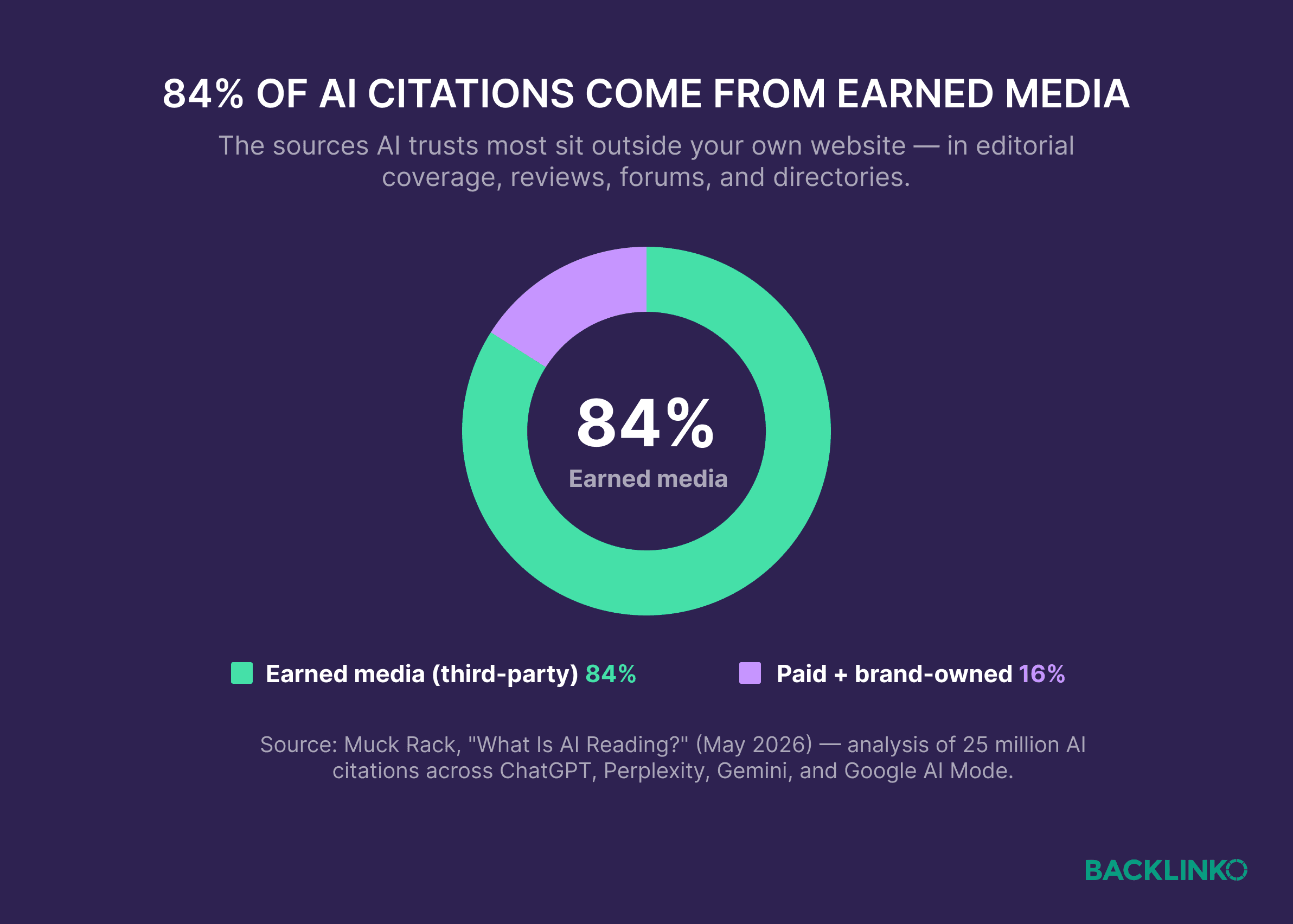
The paradigm of search engine optimization has fundamentally shifted, with new industry data revealing that traditional keyword optimization and self-published website content are no longer sufficient to secure visibility in generative artificial intelligence platforms. According to a landmark study conducted by public relations software provider Muck Rack, an overwhelming 84% of all AI citations originate from earned media—spanning third-party editorial coverage, independent product reviews, and active community forums. This empirical finding underscores a broader evolution in how large language models (LLMs) synthesize information: third-party validation has decisively eclipsed direct brand self-promotion.
Background and Context of the Shift in Search Architecture
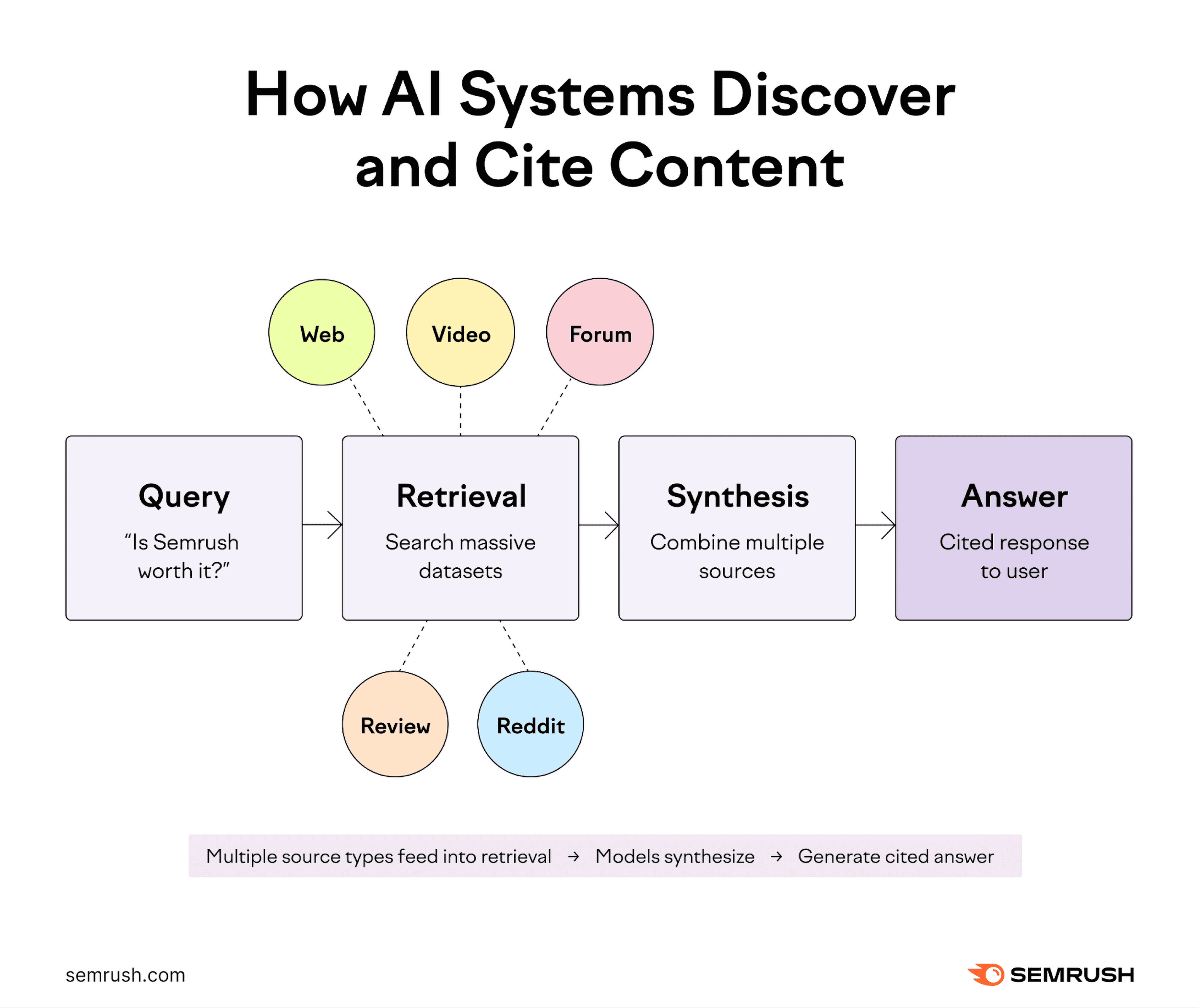
For decades, digital marketers optimized web content primarily for deterministic search engine crawlers that evaluated on-page keywords, technical structure, and direct backlinks. However, the rapid adoption of generative AI search engines, AI overviews, and conversational chat interfaces has transformed information retrieval. When a user submits a complex query to an LLM, the system does not simply retrieve a list of blue links pointing to a single authoritative URL. Instead, it aggregates data from dozens of disparate web sources simultaneously, cross-referencing claims to formulate a single, cohesive synthesized response.
Consequently, an enterprise’s visibility within AI-generated answers is no longer governed solely by the architecture of its own domain. Rather, it is determined by the breadth and frequency of its presence across the broader digital ecosystem. If a brand name appears repeatedly across high-authority external publications, industry roundups, and peer review sites, LLMs assign a higher confidence score to that entity, ultimately choosing to recommend it to the end user. This modern reality has elevated digital public relations from a secondary brand-awareness tactic to the single most critical strategy for achieving dominance in AI search algorithms.
The Mechanics of AI Visibility: Correlating Backlinks and Domain Authority
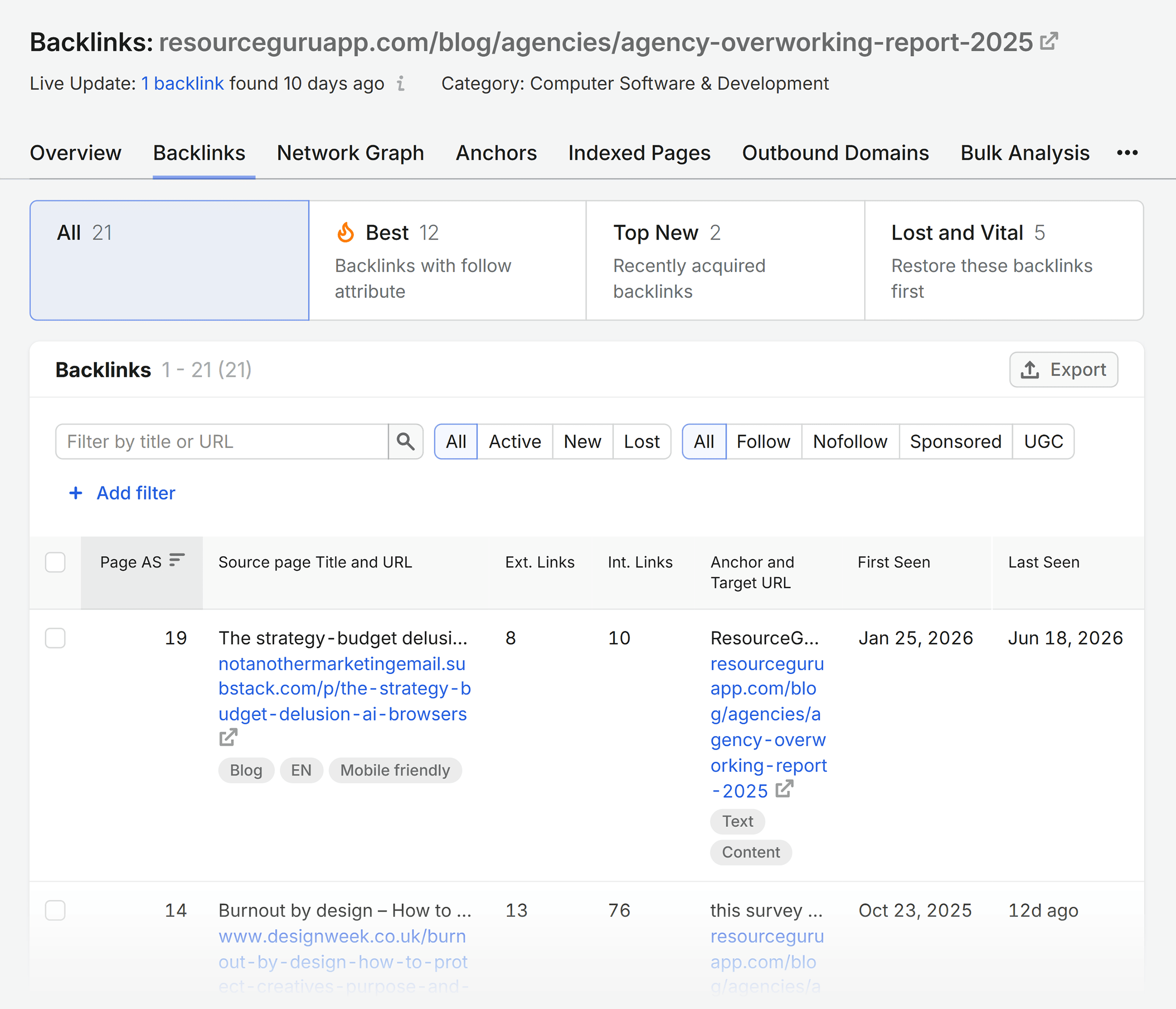
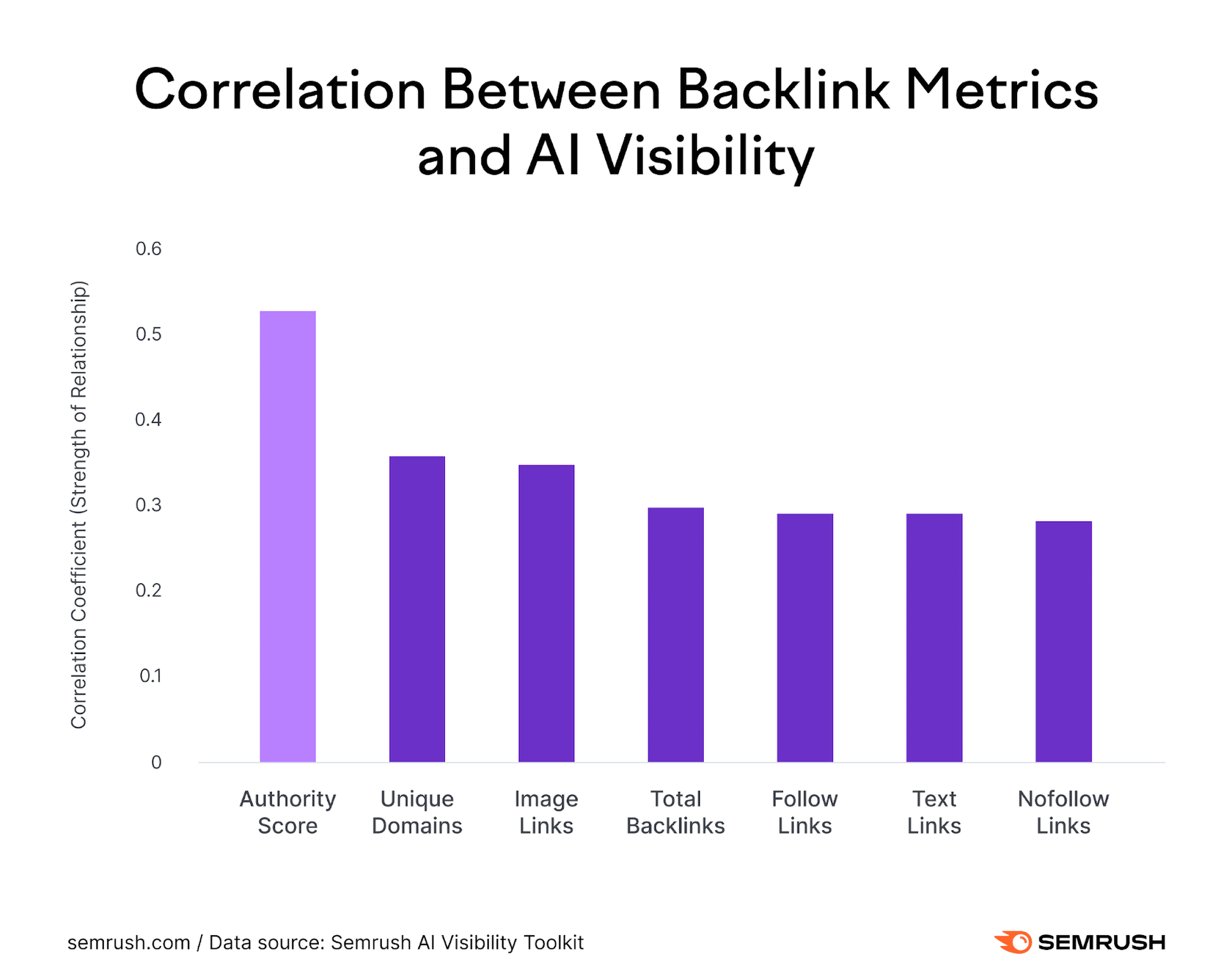
Recent empirical studies conducted across thousands of domains by prominent digital marketing analytics firms, including Semrush and Seer Interactive, validate the enduring value of authoritative backlinks within generative engine optimization (GEO). The data indicates a direct, measurable correlation between a brand’s overall domain authority—particularly high-quality inbound links originating from websites with a Domain Authority of 60 or higher—and its frequency of appearance in AI search results.
Because LLMs are trained to weight information based on the perceived reliability and credibility of the source, earned media acts as a primary trust signal. When respected journalistic outlets and industry publications cite a brand’s proprietary research or feature its executive leadership, those external validations are ingested into the foundational training data and real-time retrieval-augmented generation (RAG) pipelines of AI systems.
Core Strategies for Modern Digital PR Execution
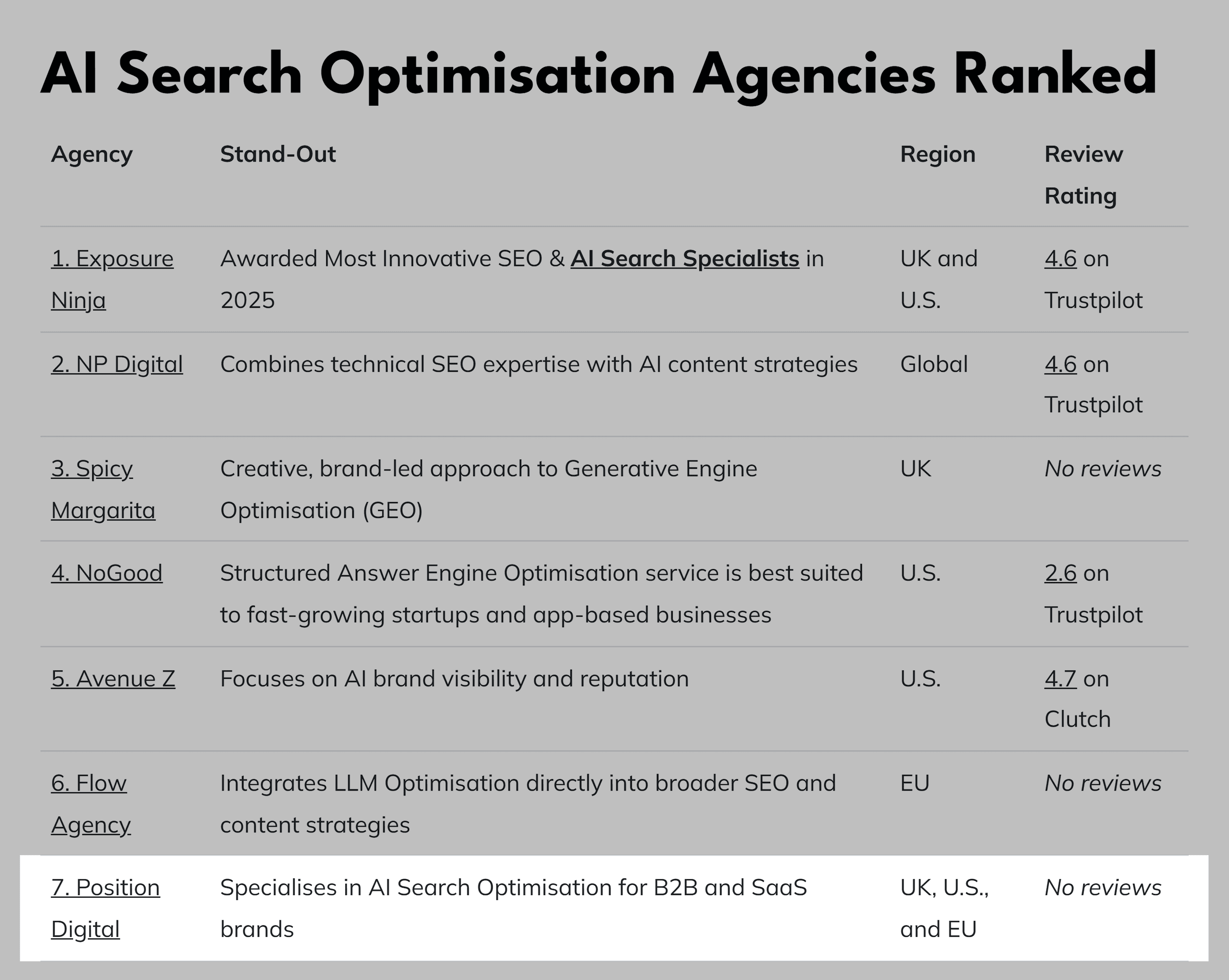
To navigate this transformed landscape, digital communications and SEO professionals are deploying structured, multi-channel PR methodologies designed specifically to capture LLM citations. Industry experts categorize these approaches into six primary pillars: data-led PR, AI citation outreach, reactive PR, ego bait, thought leadership, and community building.
Data-Led Public Relations and Original Research
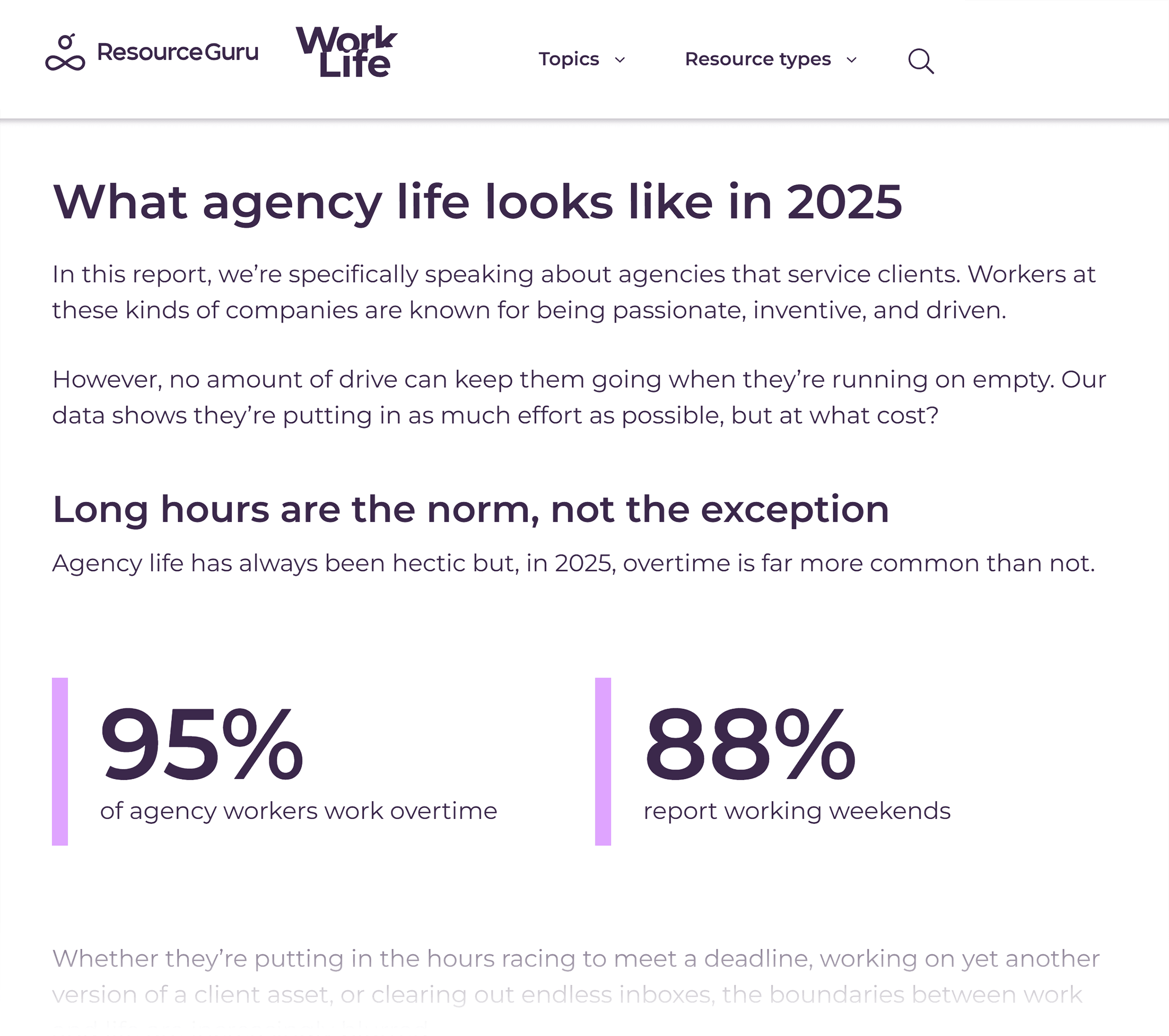
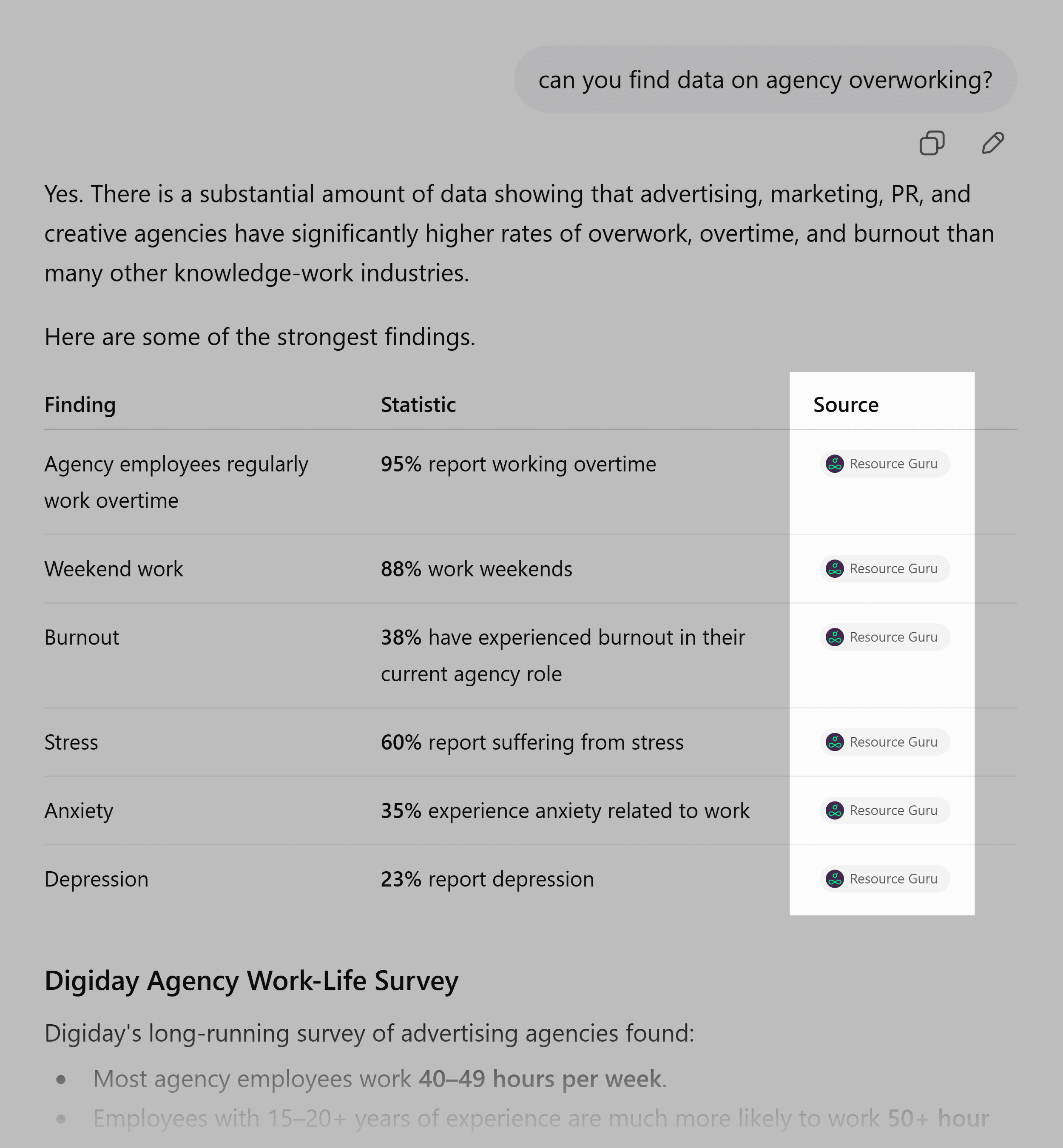
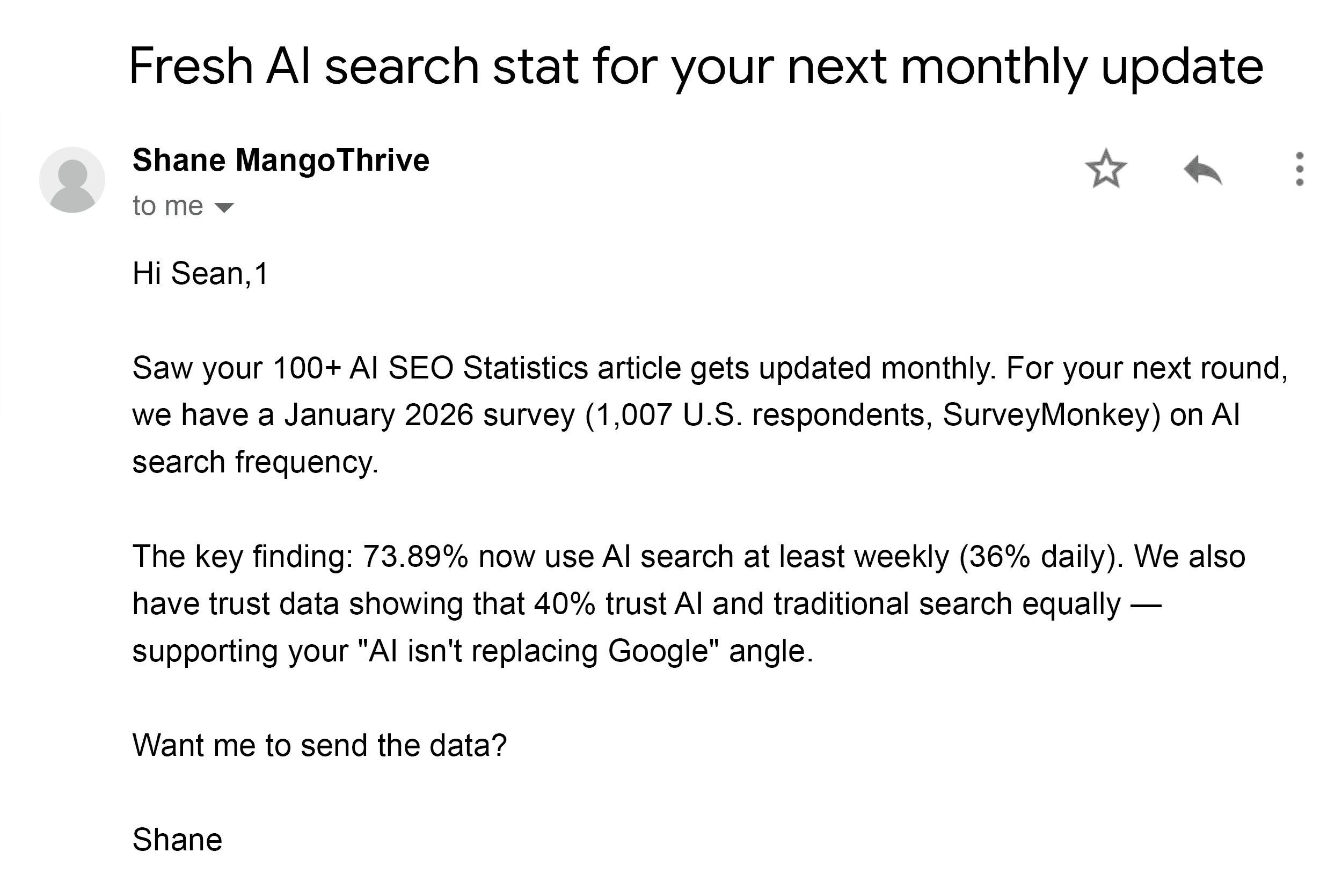
Publishing original research, proprietary datasets, and exhaustive statistical roundups remains one of the most reliable methods for earning high-tier media coverage and valuable backlinks. Journalists, researchers, and content creators continually seek credible, fresh numerical data to substantiate their reporting. When a brand releases an industry benchmark report—such as comprehensive workplace or economic studies—other publications readily cite the statistics, embedding natural hyperlinks back to the originating source. These data points are subsequently indexed by AI systems, allowing the originating brand to be cited as the primary authority on the topic.
AI Citation Outreach and Targeted Placement
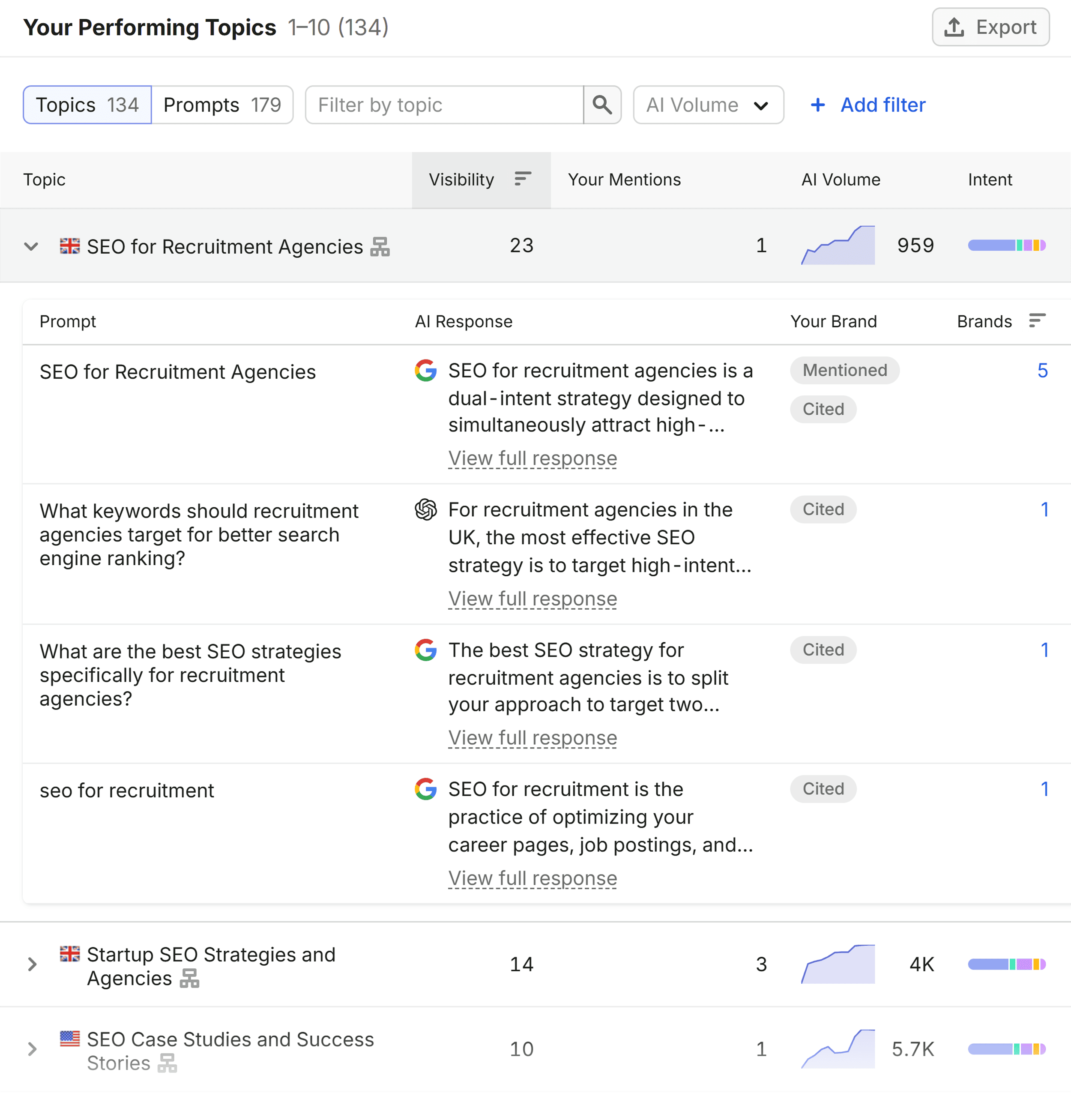
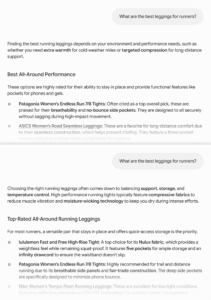
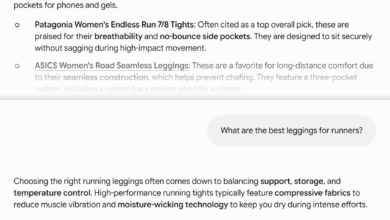
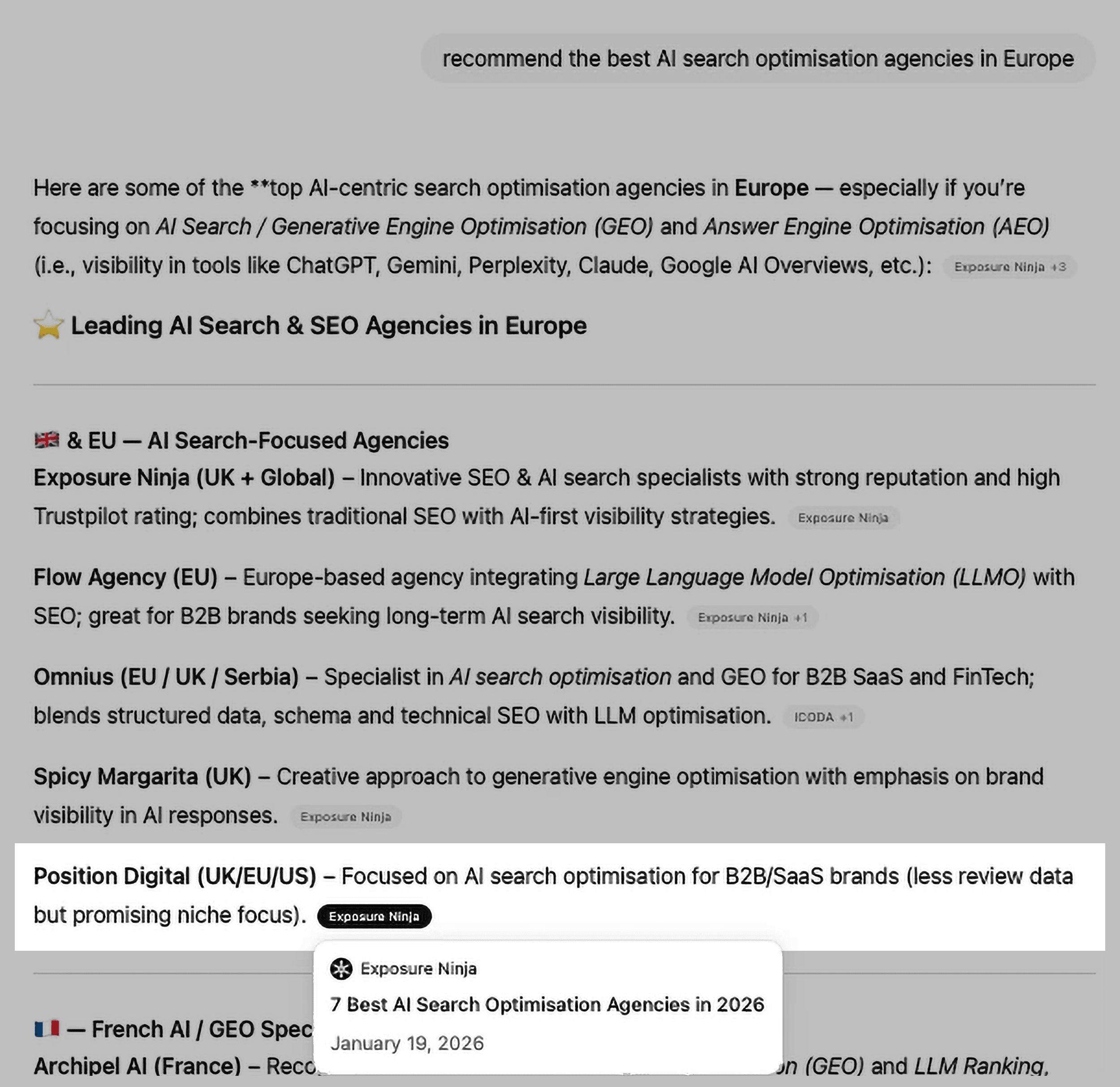
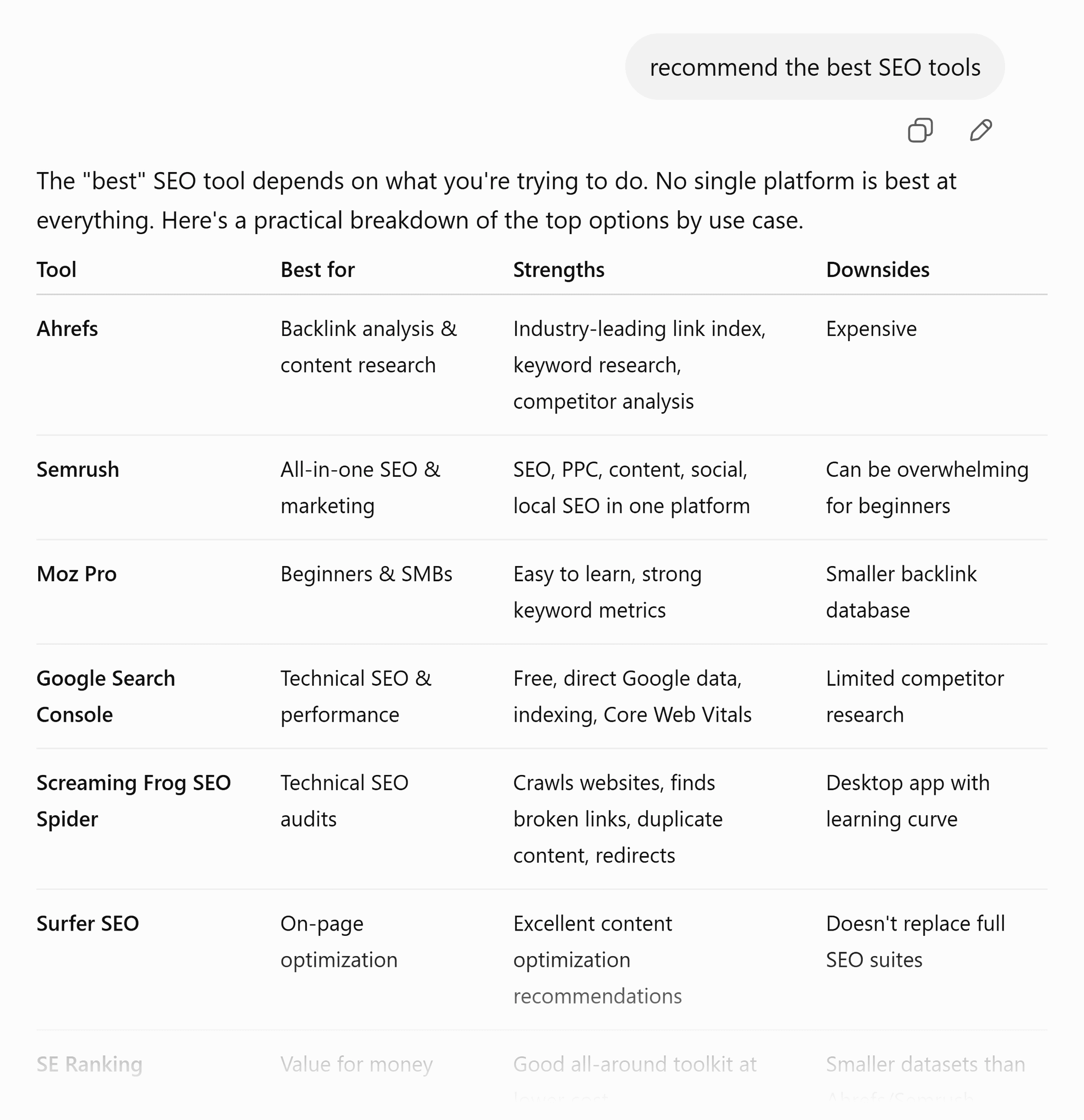
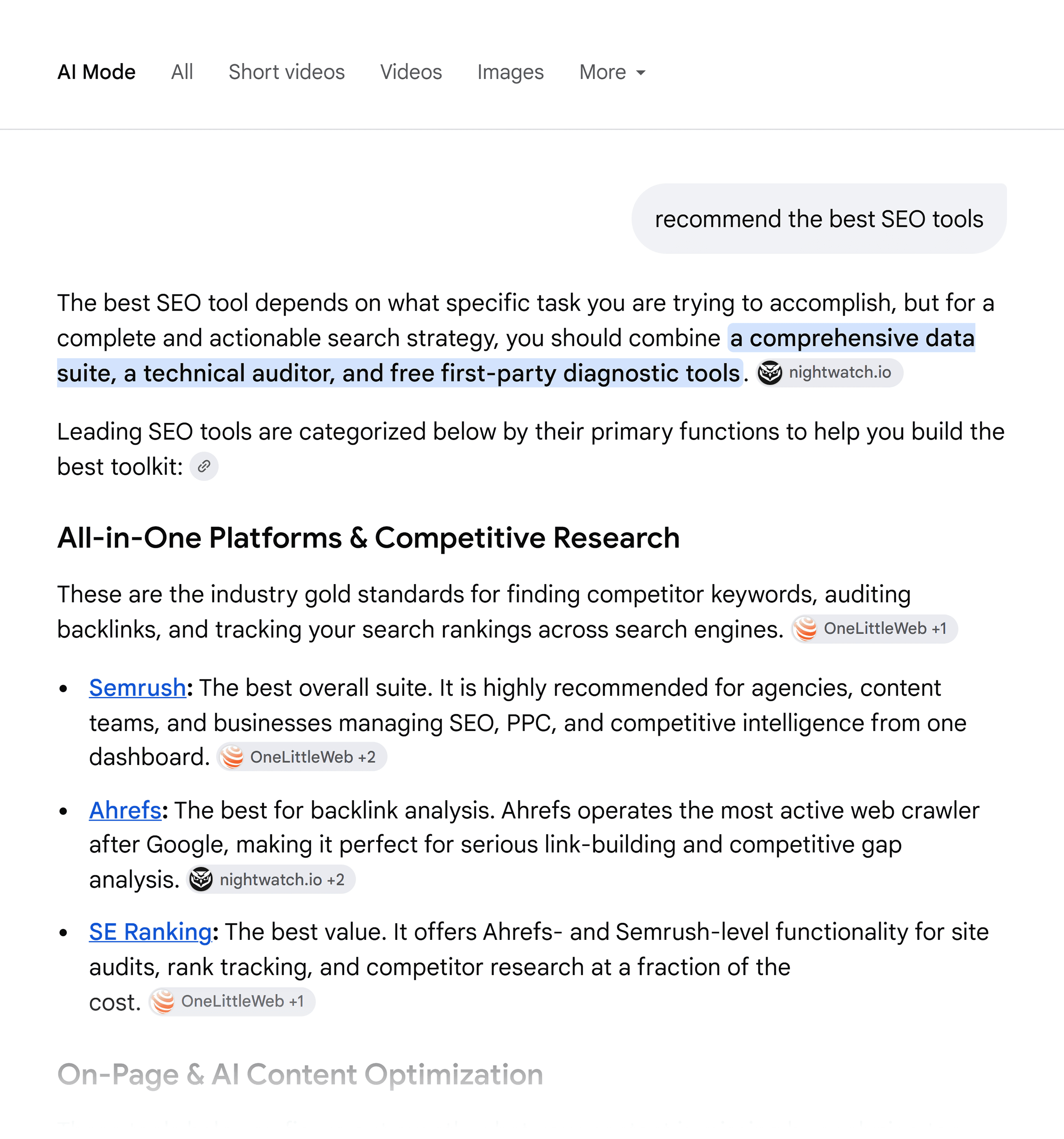
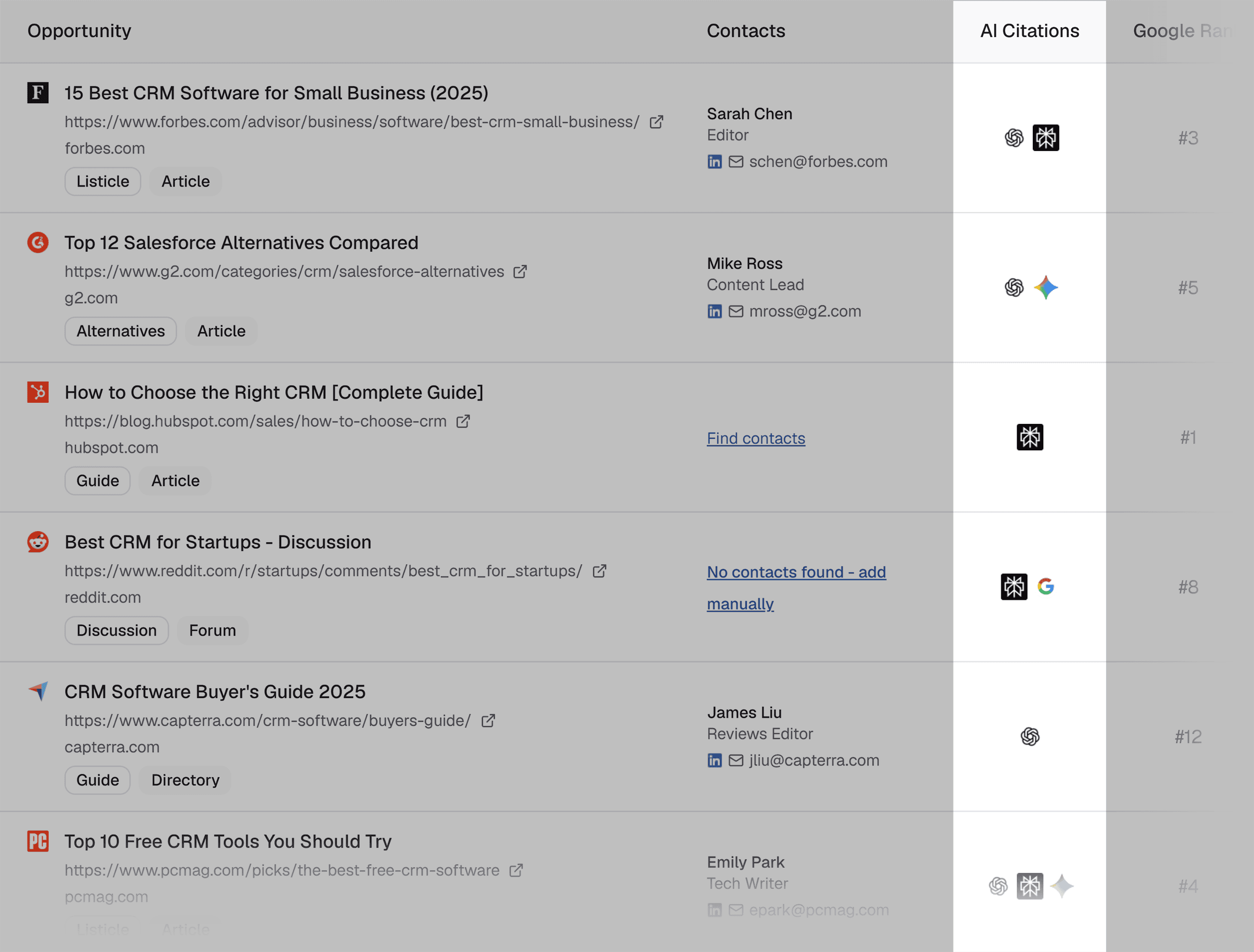
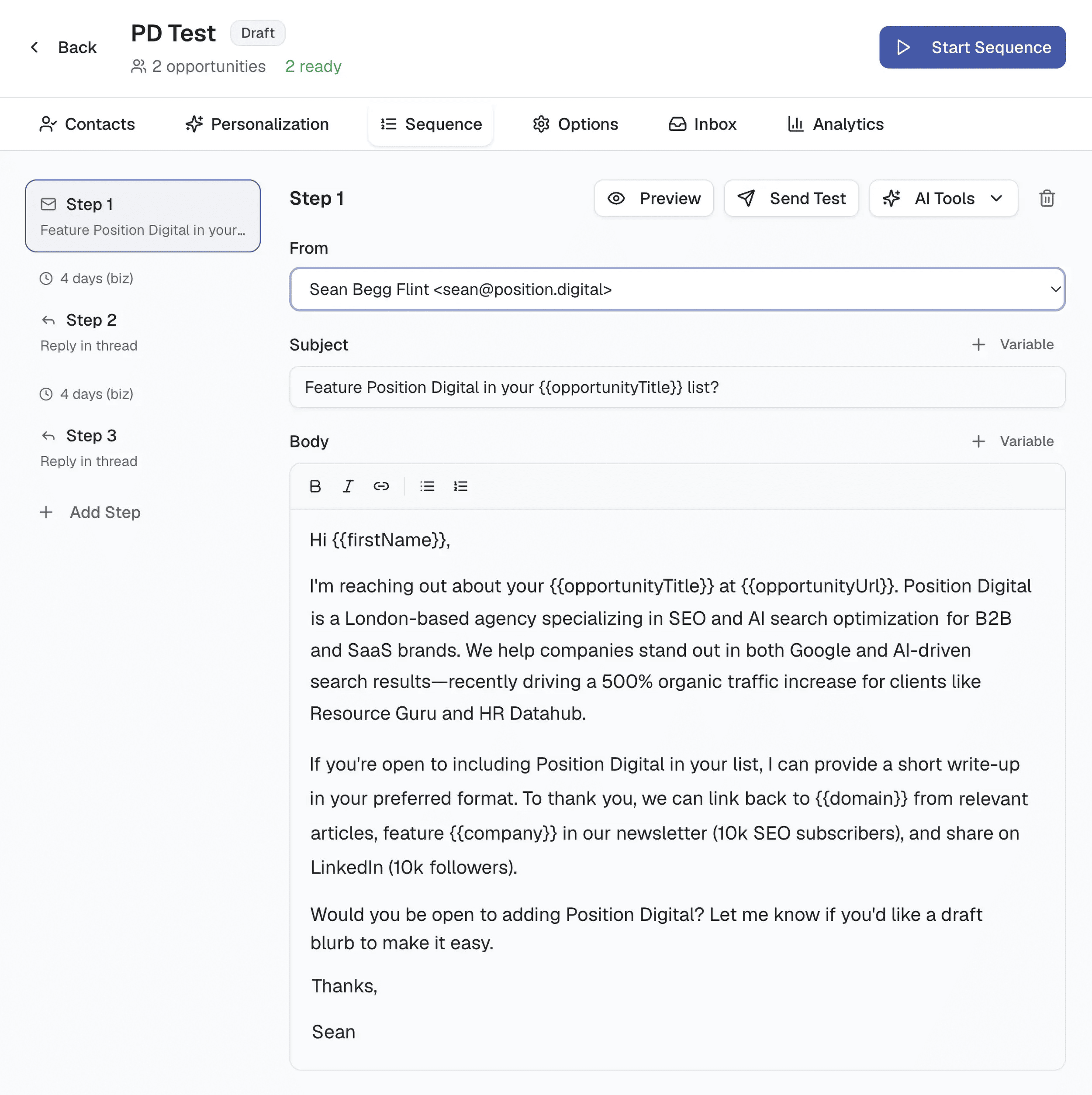
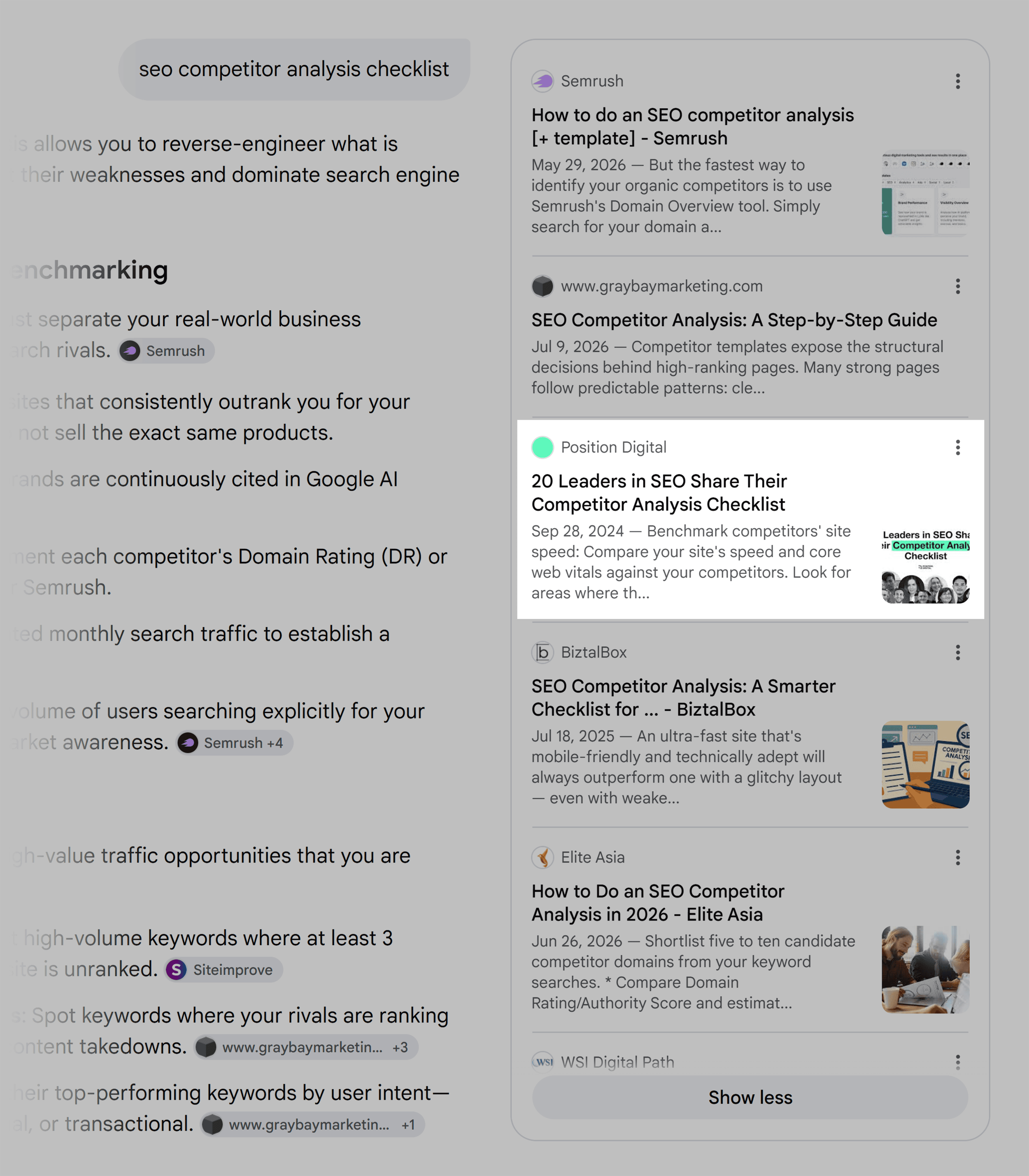
AI citation outreach involves proactively identifying the specific third-party articles, listicles, and comparison guides that LLMs routinely reference for high-intent user prompts, and subsequently securing brand placement within those pieces. Because different AI models exhibit distinct citation patterns and preferences, modern optimization requires mapping target audience prompts across platforms like ChatGPT, Google AI Mode, and Perplexity. By auditing the sources cited for these specific queries, outreach professionals can pitch journalists and editors to include their services, software, or products in existing roundup articles, often supplying concise, ready-to-publish blurbs to streamline the editorial process.
Reactive PR and Real-Time Industry Commentary
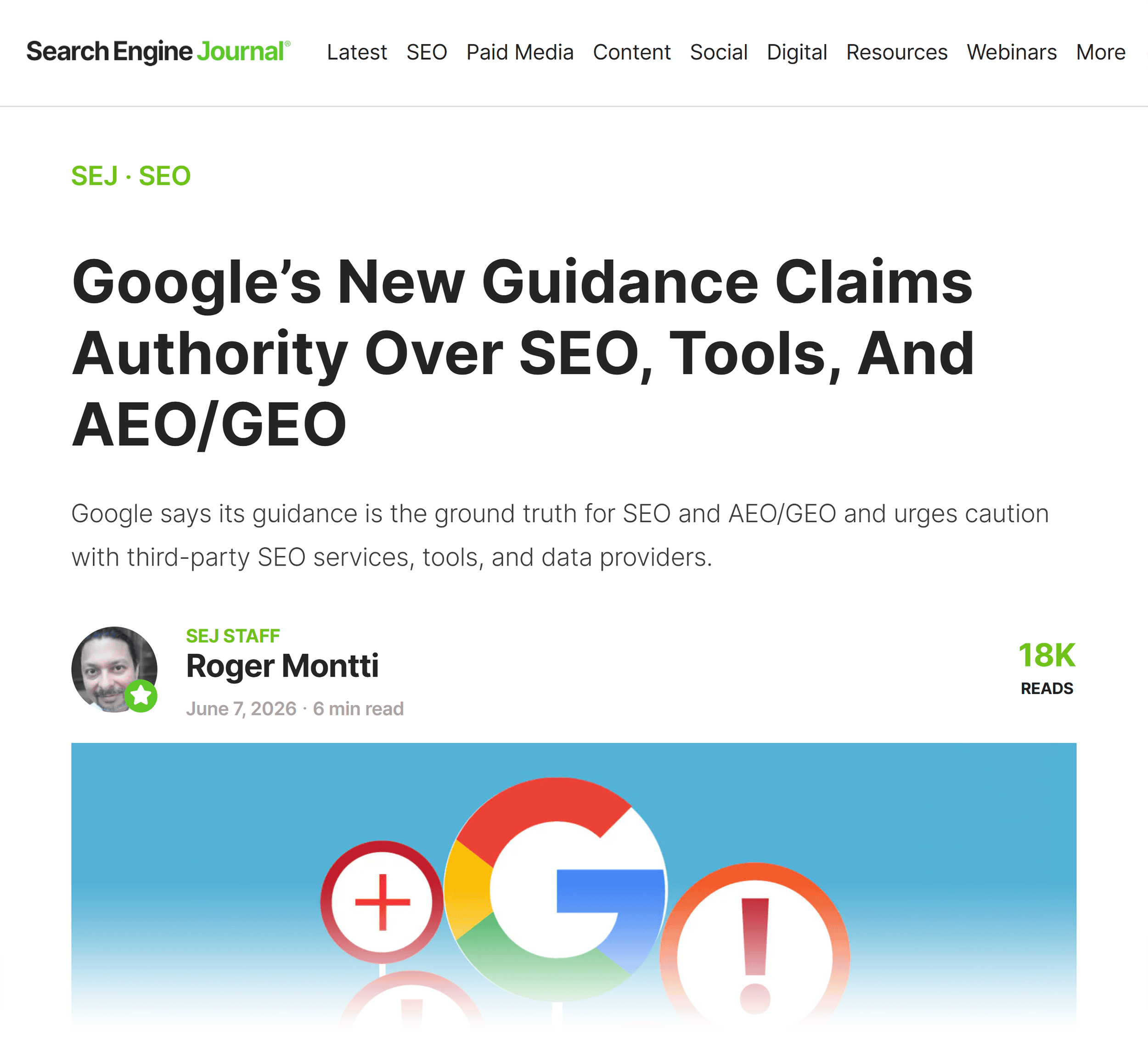
While traditional PR campaigns require months of planning, reactive PR relies on speed and agility. LLM training datasets feature temporal cutoffs, meaning that when breaking news or emerging industry trends occur, models must actively search the live web for reliable, up-to-date commentary. Brands that are among the first to publish insightful analyses, expert reactions, or factual reporting on breaking developments capture a vital window of opportunity. Being cited by early-moving journalistic outlets during a breaking news cycle dramatically increases the likelihood that an AI system will reference the brand when answering user queries about the event.
Ego Bait and Expert Collaboration
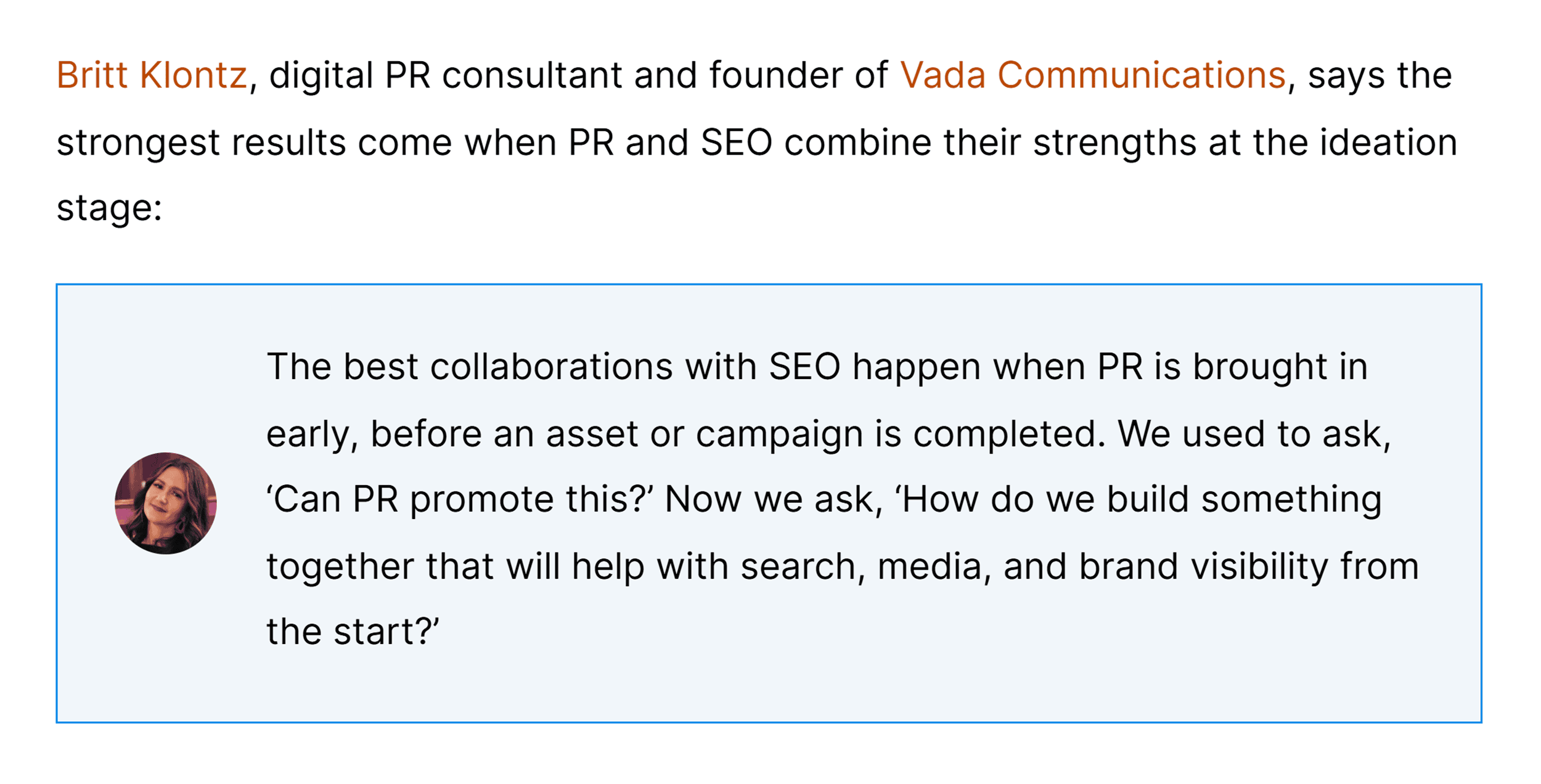
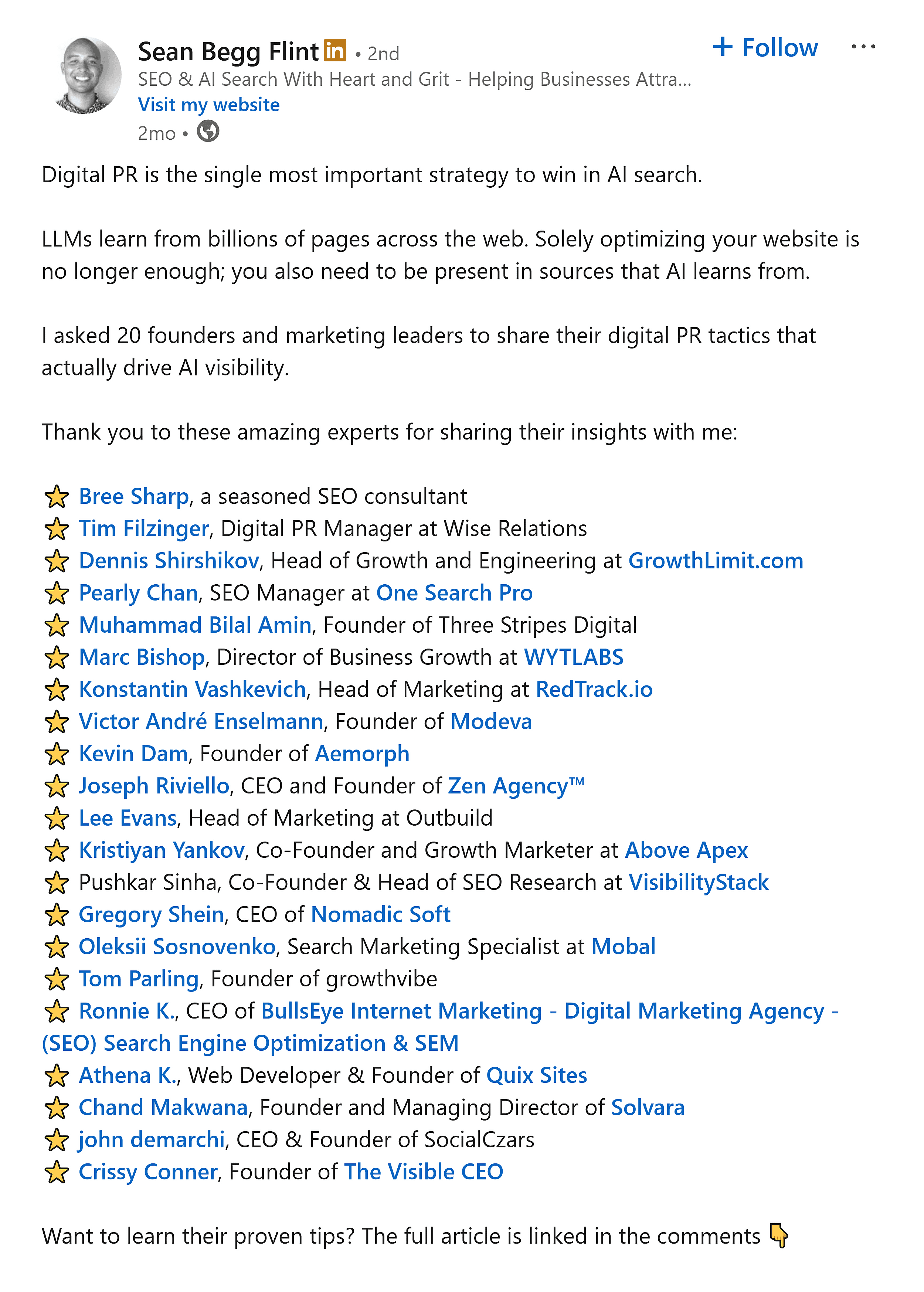
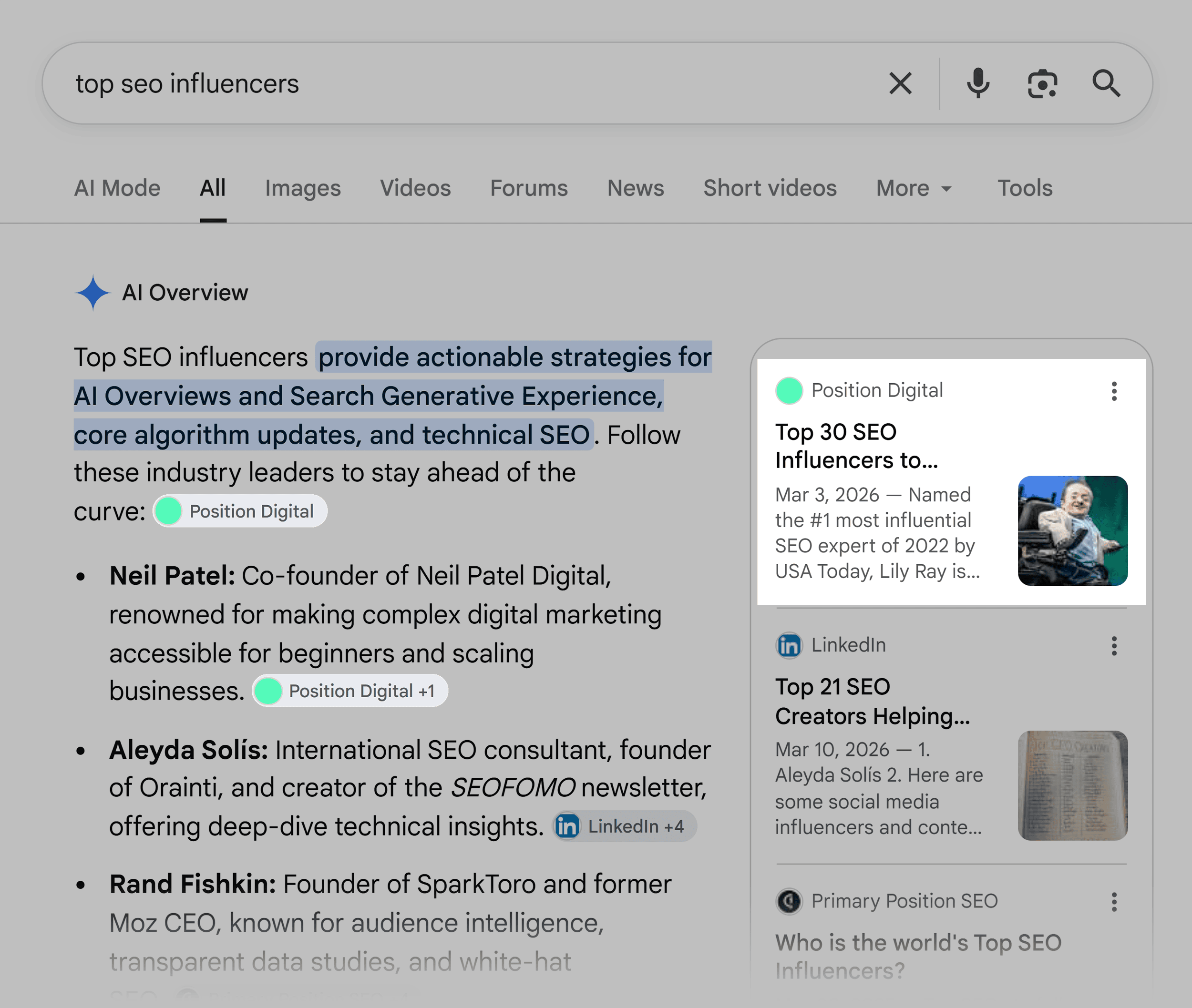
Ego bait strategies involve integrating insights, quotes, and commentary from recognized industry leaders and influencers into original content. Empirical analyses of AI citation patterns indicate that web pages featuring verified expert commentary secure significantly more citations in AI models compared to pages lacking external validation. This dual-purpose strategy not only strengthens the objective credibility and depth of the content for LLM evaluation, but it also creates an organic distribution channel. When featured experts share the published piece with their respective professional networks across social media platforms, it generates a cascade of secondary backlinks, brand mentions, and heightened digital footprint visibility.
Thought Leadership and Cross-Platform Syndication
Establishing individual executives and corporate entities as recognized thought leaders requires publishing perspectives that challenge conventional industry wisdom and spark active debate. Data from major search studies highlights that professional networking platforms, notably LinkedIn, frequently rank among the most heavily cited domains across leading AI search engines. Implementing structured frameworks—such as the "Guest Post Engine," where an original thesis is published on a primary corporate domain and thoughtfully adapted for high-authority external publications—ensures that multiple trusted sources point back to the brand as the definitive originator of an idea. Furthermore, guest appearances on niche industry podcasts contribute valuable transcript data that is systematically indexed by search crawlers and AI retrieval systems.
Community Building and Third-Party Validation Platforms
Perhaps the most striking revelation in modern AI search behavior is the extent to which LLMs prioritize neutral, community-driven platforms over corporate self-promotion. Data demonstrates that conversational models frequently cite discussion threads on platforms like Reddit and Quora over official brand documentation, treating user-generated peer reviews as unbiased sources of truth. Similarly, maintaining active, positively rated profiles on independent review ecosystems such as Trustpilot and G2 heavily influences an enterprise’s median AI citation rate. Brands with robust, authentic community engagement and consistent customer review profiles are vastly favored by AI architectures over those relying exclusively on owned media channels.
Implications and Future Outlook for Brand Discovery
The convergence of digital public relations and artificial intelligence search represents a permanent shift in how brand reputation and discoverability are managed. As generative engines continue to refine their algorithms, the dividing line between traditional SEO, public relations, and brand marketing will continue to dissolve. Enterprises that cling strictly to insular, self-published optimization strategies risk digital obscurity. Conversely, organizations that successfully integrate data-led research, reactive commentary, expert collaborations, and authentic community engagement into a cohesive digital PR framework will secure sustained visibility, establishing enduring authority in the era of AI-driven discovery.