How to Analyze an Article: A Systematic Framework for Evaluating Evidence and Business Claims

In an era defined by an unprecedented influx of information, the ability to critically evaluate digital content has become a fundamental professional competency. Whether assessing market trends for a startup, reviewing industry research, or vetting news reports, the process of article analysis serves as a critical defense against misinformation, flawed methodology, and cognitive bias. Business analysts and researchers increasingly find that a confident claim, when unsupported by robust evidence, can lead to substantial operational losses and misallocated resources.

The discipline of article analysis involves a rigorous identification of an author’s core argument, followed by a systematic verification of the evidence and methodologies employed. By tracing claims back to their primary sources, evaluating potential conflicts of interest, and comparing independent reporting, professionals can effectively distinguish between probable insights and anecdotal conjecture.
The Cost of Unverified Assumptions: A Case Study in Startup Failure
The necessity of this analytical rigor is often highlighted by the high cost of failure in early-stage ventures. Years ago, the founders of the language-exchange app Idyoma discovered that relying on surface-level research could have catastrophic consequences for product development. During the app’s MVP phase, the team conducted in-person surveys at language exchange events, finding that 30% of their 150 respondents expressed a willingness to pay for a premium security feature at a price point of $3.
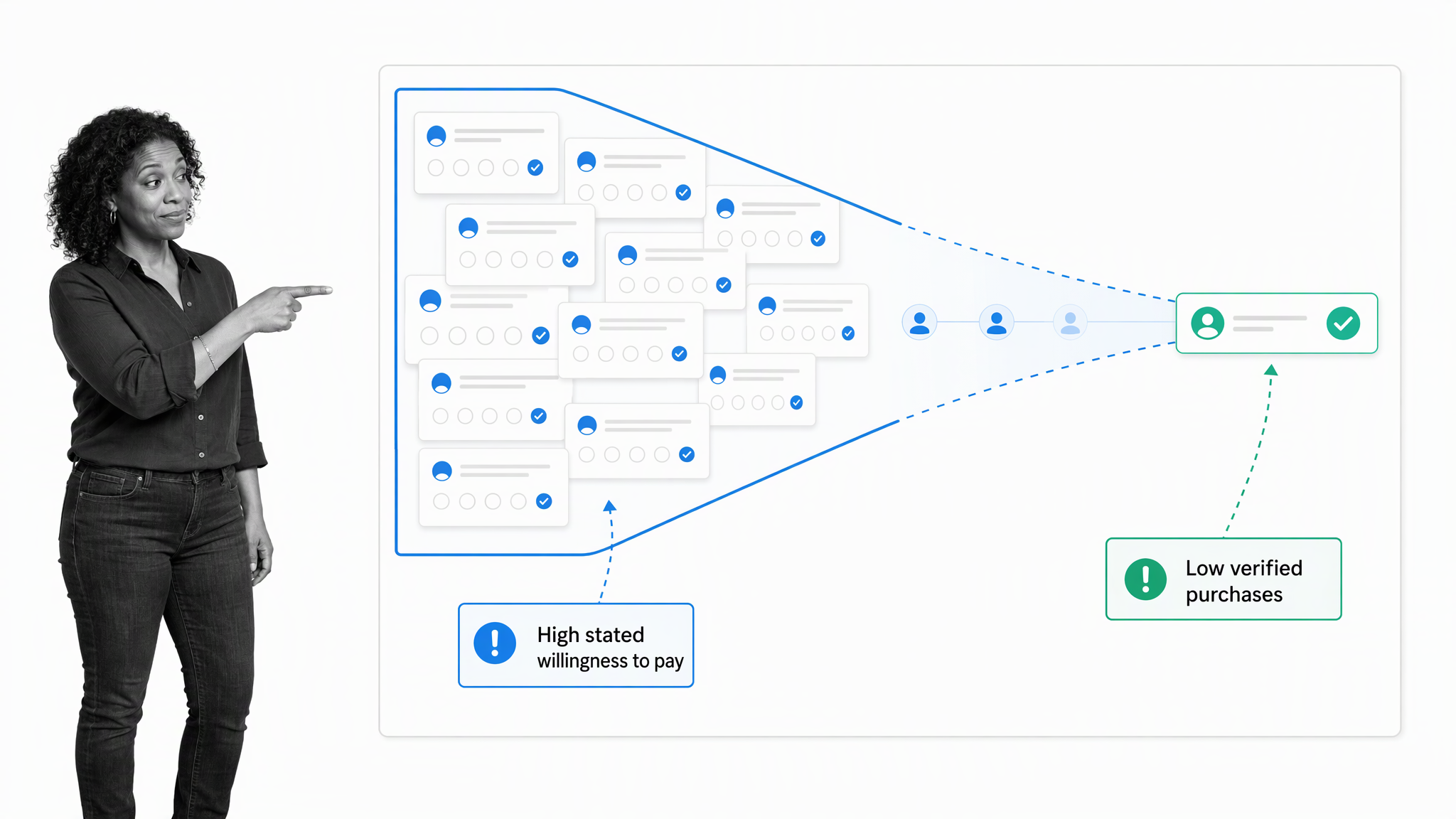
Based on this projection, the team developed business models and sought investment, assuming a realistic conversion rate of 10% to 15%. However, the actual market performance deviated significantly from these projections. Upon launch, the premium conversion rate sat at approximately 1%, resulting in a negligible first-year revenue of $111. This disparity between survey data and actual user behavior illustrates the "say-do" gap—a common pitfall where stated intent in a controlled environment fails to manifest as purchase behavior in the wild. This experience underscored a vital business lesson: research must be validated through behavioral data rather than relying solely on self-reported preferences.
The Anatomy of Media Manipulation: From Outrage to Echo Chambers
The propagation of unreliable information is often accelerated by the incentives inherent in digital media. Provocative, novel, or emotionally charged claims are prioritized by distribution algorithms, leading to a phenomenon where a claim is detached from its original context.

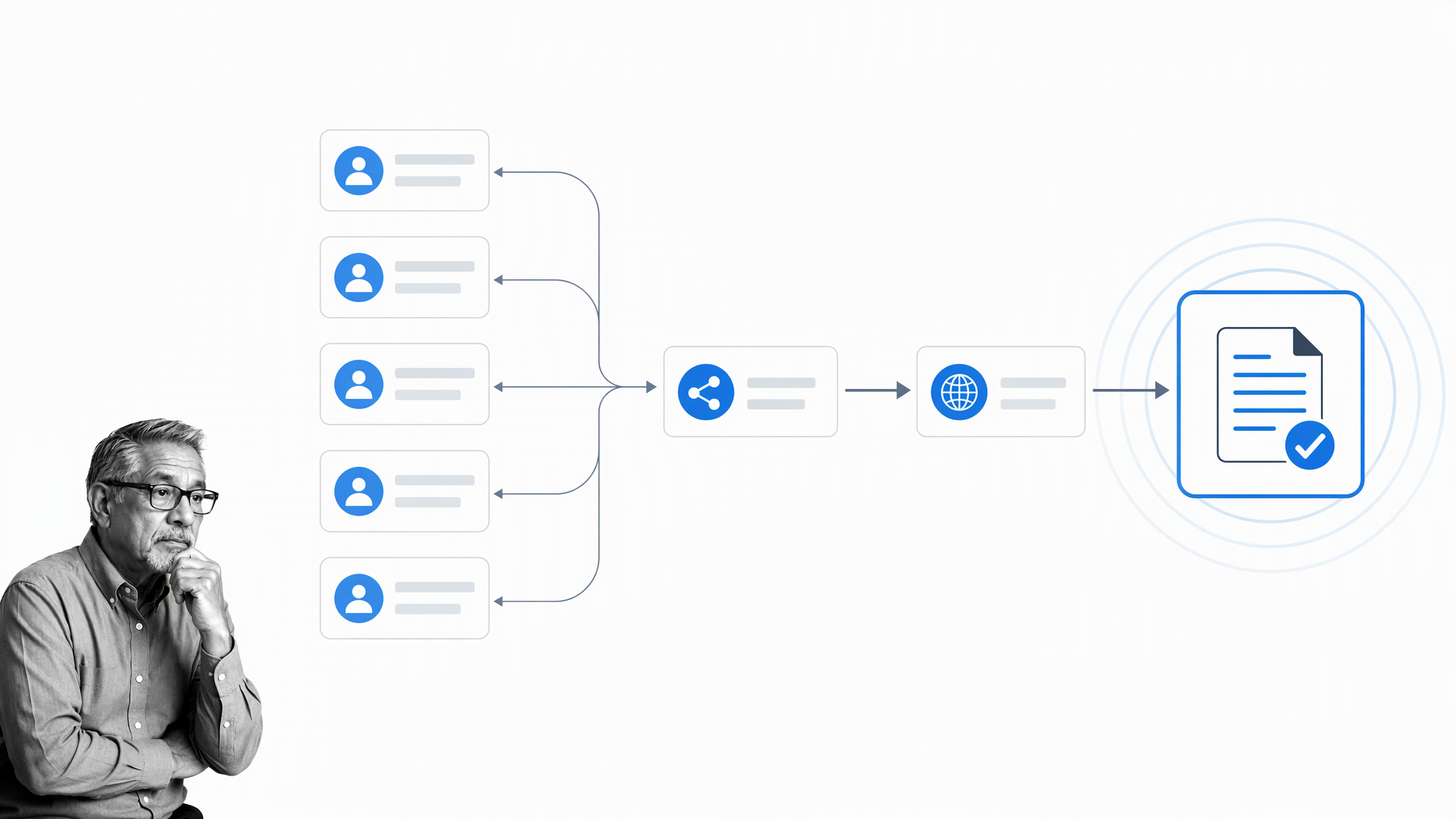
Media manipulation expert Ryan Holiday has documented how this cycle functions: a source initiates a provocative claim, secondary outlets repeat the narrative, and major publications cite the coverage rather than the original evidence. This creates a false sense of corroboration, as multiple articles appear to validate a single, unsupported assertion. A BuzzFeed News analysis of partisan Facebook pages identified this trend, noting that misleading posts were pervasive across the political spectrum, regardless of ideology. The core issue remains that publishers often prioritize engagement over veracity, and audiences frequently share content before verifying the underlying facts.
Methodologies for Critical Evaluation: The SIFT Framework
To combat these challenges, information literacy experts advocate for the SIFT sequence—a four-step method for navigating complex information environments:
- Stop: Before reacting to a headline, pause to consider the source’s credibility and your own emotional response.
- Investigate the source: Use lateral reading to open new browser tabs, researching the author’s credentials, the publication’s ownership, and any potential conflicts of interest.
- Find better coverage: Search for independent, reputable reporting on the same topic to see how other organizations verify or refute the central claim.
- Trace claims to their original context: Locate the primary dataset, transcript, or study. Confirm that the data is being interpreted accurately and that the quote has not been cropped to distort its meaning.
Navigating Complexity in Fiscal Policy Reporting
The challenge of analysis is further complicated when experts and publications disagree on complex issues, such as macroeconomic policy. In 2017, when the International Monetary Fund (IMF) released a fiscal report that shifted toward advocating for progressive taxation to stimulate growth—a departure from its traditional austerity-focused stance—the reporting varied wildly across the political spectrum.
Left-leaning outlets like The Guardian interpreted the report as a vindication of progressive economic agendas, while right-leaning platforms such as Order Order argued that the data actually justified further tax cuts, citing specific variables within the report. The reality was that the IMF report was nuanced, emphasizing that there is no "one-size-fits-all" strategy and that tax policy must be tailored to a country’s specific administrative capacity and social preferences. The failure of many outlets to report the full context—choosing instead to curate fragments that supported a pre-existing narrative—demonstrates how reality is often obscured by selective reporting, even when no single outlet is technically "wrong" on the facts.
Statistical Literacy and the Limits of Data
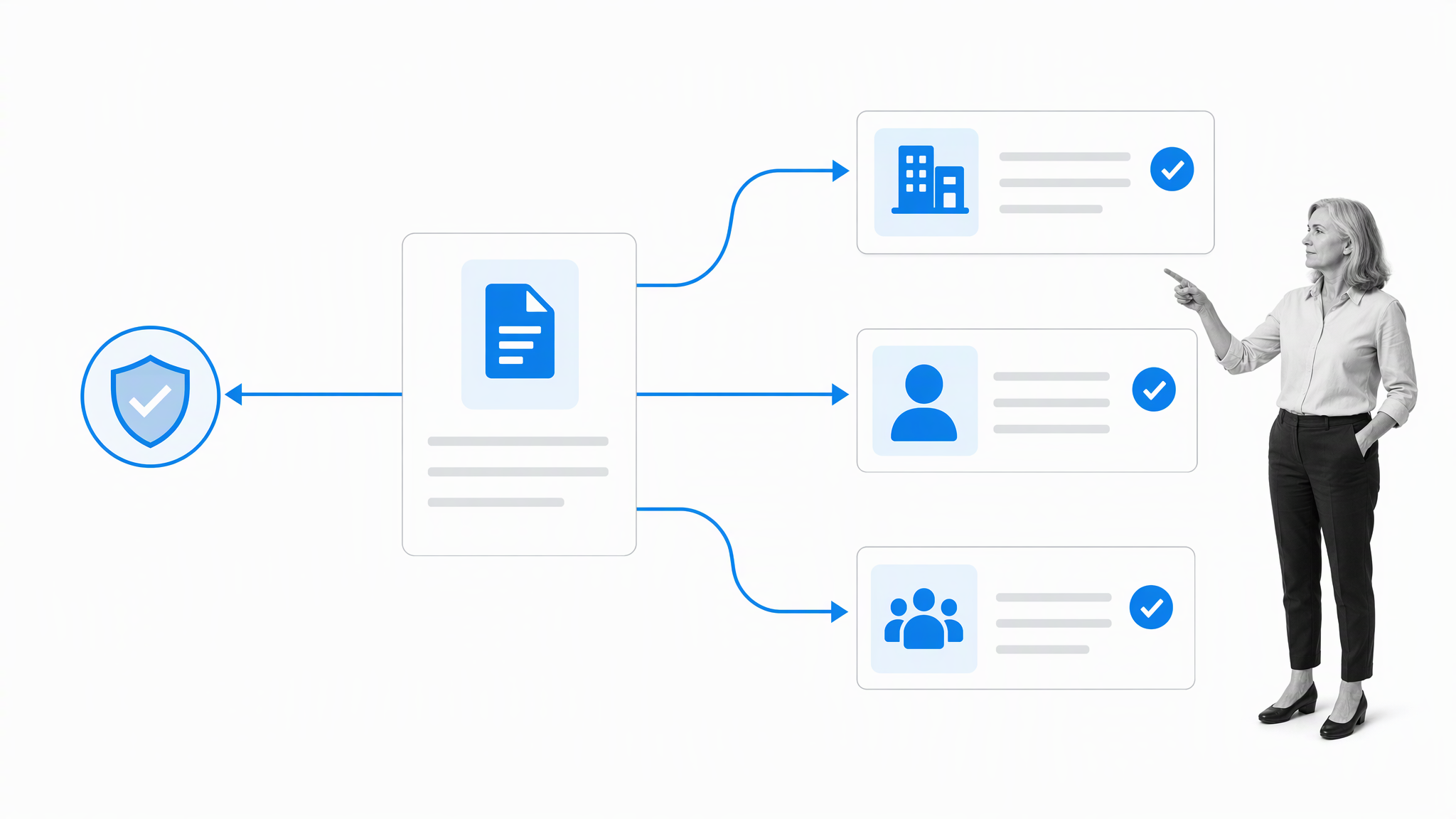
Data-driven journalism often falls into the trap of the "Woozle effect," where a weakly supported claim is repeated until it is accepted as conventional wisdom. To avoid this, analysts must maintain a high level of skepticism regarding statistical significance and probability.
A 70% probability forecast does not equate to a guarantee of an outcome. As seen in the work of Nate Silver at FiveThirtyEight, a calibrated forecast represents a range of possibilities, not a binary event. Similarly, p-values in research studies do not indicate the probability that a hypothesis is true; they merely measure the evidence against a null hypothesis within a specific experimental design. When reviewing research, analysts must look for:
- Sample Size and Selection: Was the sample representative or biased?
- Methodological Design: Did the study use a comparison group or proper controls?
- Conflict of Interest: Who funded the research, and what were their potential motives?
- Correlation vs. Causation: Is the study merely observing a relationship, or has it tested for a causal mechanism?
A Ten-Step Framework for Professional Analysis
To institutionalize these habits, teams can adopt a structured ten-step analysis framework:
- Define the Argument: Summarize the author’s thesis in one sentence and list the foundational claims required for that thesis to hold.
- Audit the Source: Investigate the author’s track record, the publication’s editorial standards, and its funding sources.
- Determine Purpose: Identify the primary intent—to inform, persuade, sell, or entertain—to account for potential framing biases.
- Deconstruct Evidence: Separate factual claims from interpretations and value judgments.
- Trace Primary Sources: Follow all citations to the original document to verify the accuracy of the representation.
- Evaluate Methodology: Scrutinize how data was collected, identifying any selection bias or missing variables.
- Test Logic and Alternatives: Construct the strongest possible alternative argument and determine if the author has adequately addressed it.
- Conduct Lateral Research: Search for substantive, expert-led critiques rather than relying on echo-chamber agreement.
- Verify Citations: Ensure that the dates, corrections, and retractions do not invalidate the article’s current conclusions.
- Assess Personal Bias: Acknowledge your own incentives for wanting the claim to be true and identify the evidence that would be required to change your position.
Implications for Modern Business Operations
For organizations, the cost of failing to analyze information is high. In an age of AI-generated content and rapid-fire news cycles, the burden of verification lies with the decision-maker. Whether managing a startup, overseeing compliance, or executing investment strategies, the goal is not to be cynical, but to be calibrated. By documenting the analysis process—recording the sources, confidence levels, and unresolved questions—teams can create an auditable, repeatable workflow that transforms critical reading into a sustainable competitive advantage. This systematic approach ensures that decisions are based on the most accurate available reality, minimizing risk and fostering long-term organizational success.