The Economic Imperative: How Subscriptions Are Reshaping the Fight Against Misinformation


Fake news—defined as the intentional creation or dissemination of false, misleading, or context-stripped information—has emerged as one of the most significant challenges to modern democratic discourse. While the term has become a political buzzword, the phenomenon itself is a systemic byproduct of an attention-based economy that prioritizes viral engagement over verified reporting. As digital platforms continue to reward rapid dissemination over careful investigation, the media industry is increasingly turning to direct-reader revenue models, such as subscriptions and memberships, to recalibrate the incentives governing news production.

The crisis of trust in media is not merely a social issue; it is a structural one. For decades, the dominant business model for journalism was advertising-based, incentivizing publishers to chase volume and page views. In this environment, the faster a story travels, the more valuable it becomes, regardless of its factual integrity. By shifting the economic engine from mass-scale advertising to direct support from readers, publishers aim to decouple editorial success from click-driven metrics. While this transition is not a panacea for the broader issue of misinformation, it represents a critical pivot toward a more sustainable, value-driven model of journalism.
A Chronology of Deception: From The Moon Hoax to Modern Algorithmic Distortion
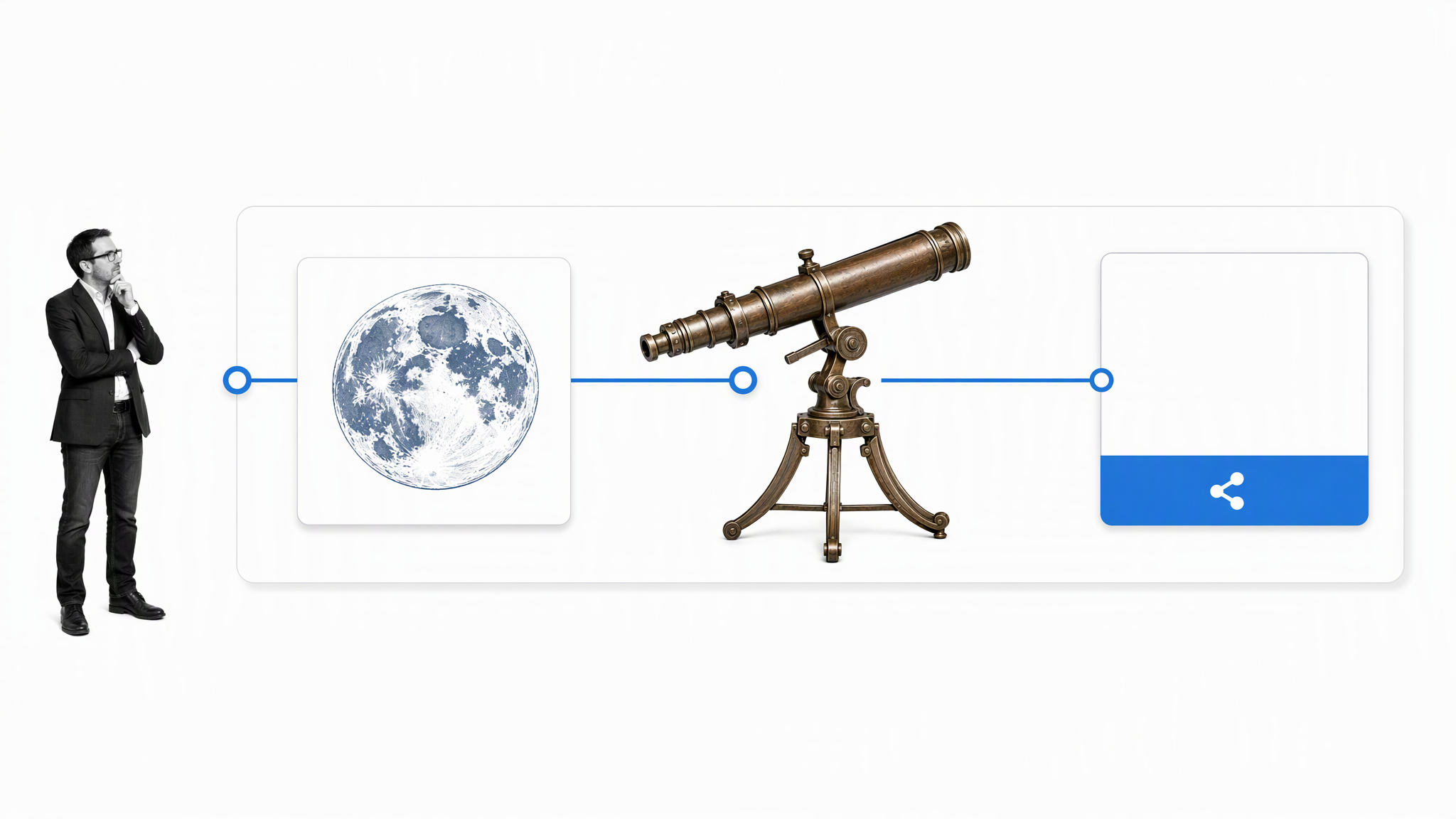
The misconception that misinformation is a uniquely digital-age phenomenon ignores a long history of deceptive journalism. The "Great Moon Hoax" of 1835 serves as a foundational example of how sensationalist reporting can capture the public imagination for profit. When the New York Sun claimed that Sir John Herschel had discovered life on the moon—including winged "man-bats" and lunar bison—the report caused a massive circulation spike. The Sun benefited from the public’s appetite for wonder, proving that the marriage of fabrication and mass distribution is an old, lucrative enterprise.

The 20th century saw the weaponization of misinformation take more devastating forms. In 1989, following the Hillsborough disaster, The Sun newspaper published a front-page headline titled "The Truth," which falsely accused Liverpool FC supporters of looting and assaulting police officers during the tragedy. This report, which stood uncorrected for decades, served as a case study in how institutional media could inflict deep, lasting harm through fabricated narratives. The subsequent 2016 inquest into the disaster formally debunked these claims, highlighting the role of collusion between law enforcement and media outlets in perpetuating systemic lies.
In the digital era, the landscape has shifted from institutionalized propaganda to algorithmic amplification. A 2016 analysis by BuzzFeed News revealed that the prevalence of false or misleading content was not limited to the fringes of the political spectrum. During the lead-up to the 2016 U.S. presidential election, the study found that large hyper-partisan Facebook pages—both left and right-leaning—published false or misleading information with alarming frequency. This shift marked a transition where the distribution mechanism itself, rather than just the publication, became a primary driver of misinformation.
The Economics of Attention vs. The Economics of Trust
The fundamental problem facing modern journalism is that the cost of producing high-quality, verified reporting is significantly higher than the cost of producing or aggregating sensationalized content. When a publication relies solely on ad revenue, the financial return on a "high-effort" investigative report is often lower than that of a "low-effort" clickbait article.
The subscription model attempts to correct this imbalance. By moving to a model where the reader is the primary customer rather than the product being sold to advertisers, publishers gain the freedom to prioritize depth over virality. According to the Reuters Institute Digital News Report, approximately 17% of news consumers across mature markets now pay for online news. While this represents a minority of the total population, these users are often highly engaged, providing a stable, recurring revenue stream that allows newsrooms to invest in long-term investigative projects.

This transition is exemplified by organizations like The Guardian, which has successfully utilized a reader-supported model to maintain a vast, open-access news operation. By asking readers to contribute financially—without necessarily locking all content behind a hard paywall—the organization has demonstrated that a mission-driven, rather than ad-driven, approach can achieve economic viability.
The Role of Platforms and AI in the Information Ecosystem
The rise of AI-generated content and sophisticated recommendation algorithms has compounded the challenges for newsrooms. Platforms now act as the primary gatekeepers of discovery, and the incentive structures of these systems—which favor high-engagement, emotionally resonant content—often prioritize misinformation over verified facts.

Because social platforms and AI chatbots are now the leading sources of news for many demographics, the link between the publisher and the reader has become increasingly mediated. Research indicates that trust in news encountered via social platforms is significantly lower than trust in news consumed directly from reputable sources. This creates a "trust deficit" that is difficult for traditional journalism to bridge, as publishers are forced to optimize their content for algorithms they do not control.
Building Resilience: Verification, Literacy, and Governance
Solving the misinformation crisis requires a multi-layered response. Verification must occur before amplification, a standard that is increasingly difficult to uphold in a 24-hour, AI-accelerated news cycle. For newsrooms, this necessitates the implementation of rigorous, repeatable content workflows that govern how stories are sourced, reviewed, and corrected. Tools and platforms designed for compliance and documentation—such as Process Street—are becoming essential for editorial teams aiming to preserve their reputation through transparent, verifiable processes.
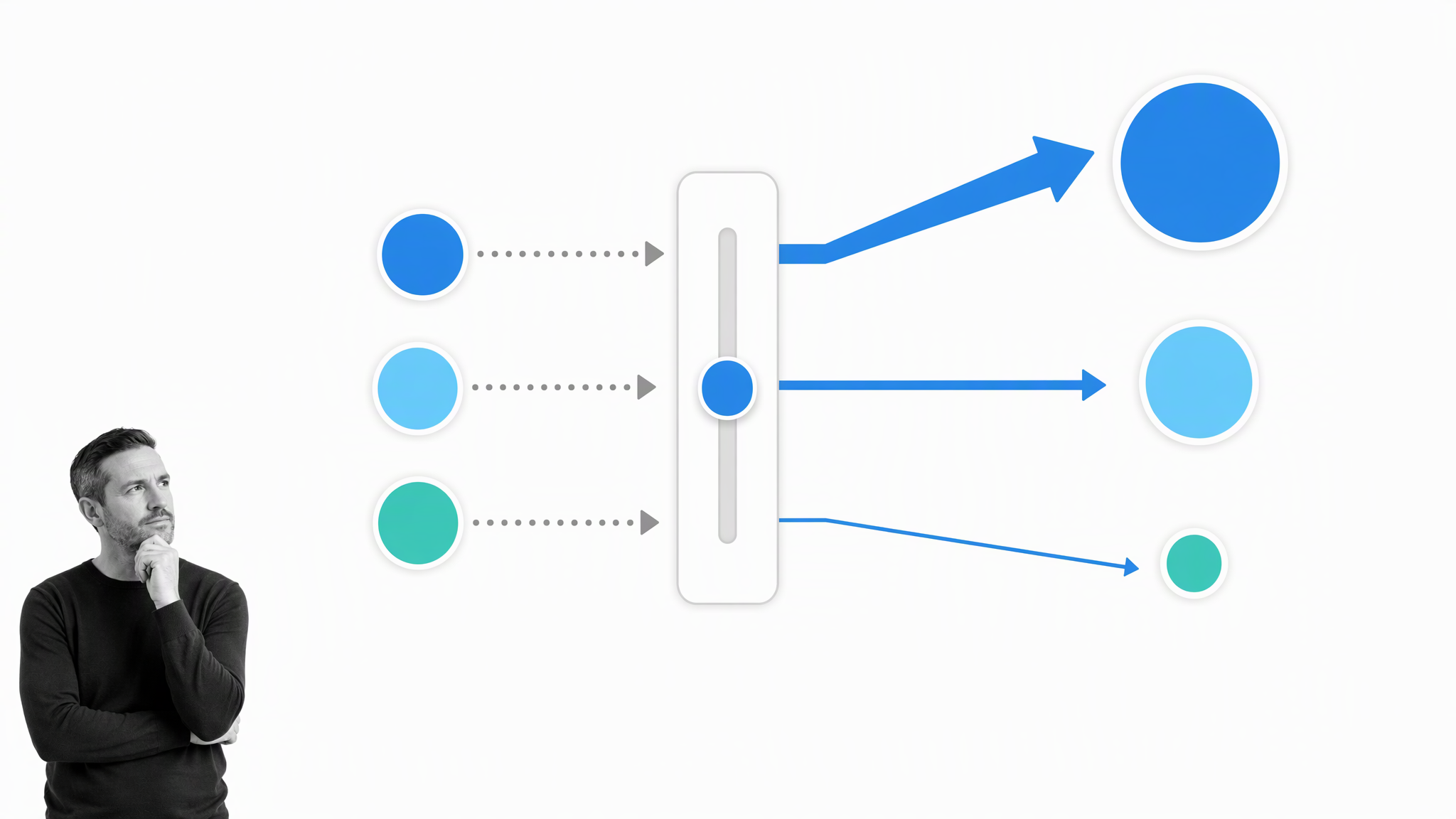
Media literacy also remains a crucial component of the solution. The burden of verification has, in many ways, shifted to the reader. Developing the habit of checking original sources, cross-referencing information across multiple platforms, and pausing before sharing content designed to trigger an immediate emotional response are essential practices for a healthy information ecosystem.
Furthermore, the design of access models is evolving. The most successful organizations are moving away from monolithic paywalls toward a hybrid approach. This includes:

- Bundling: Combining access to multiple publications to reduce the financial barrier for readers.
- Nonprofit Partnerships: Leveraging grants and donations to keep critical public-interest reporting free to the public.
- Direct Creator Models: Platforms like Patreon or Substack allow individual journalists to build direct, accountability-based relationships with their audiences, bypassing traditional institutional gatekeepers.
Implications for the Future of Journalism
The shift toward subscription-based journalism is not merely a survival tactic; it is a necessary evolution of the information economy. By aligning the financial success of a news organization with the long-term value they provide to their subscribers, publishers can move away from the "outrage-cycle" that has characterized much of the digital age.
However, this transition introduces its own risks. A subscription-only environment could inadvertently create information silos, where high-quality reporting is accessible only to the affluent, leaving the general public vulnerable to the lower-quality, often misleading, free content that proliferates on social platforms. Therefore, the future of the industry likely lies in a diverse ecosystem of funding models—a mix of paid subscriptions, philanthropic support, and public-interest journalism that remains accessible to all.
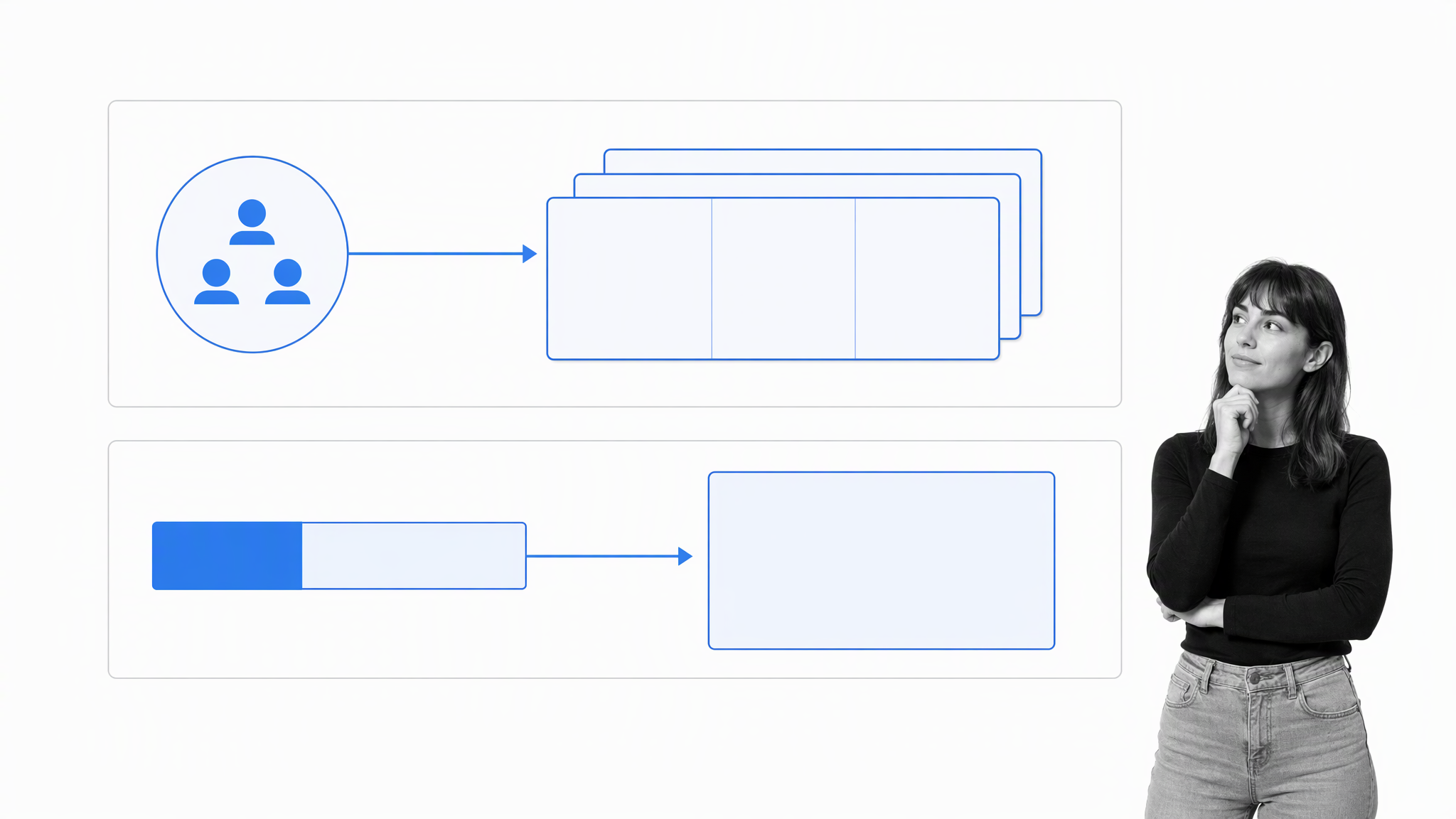
The ultimate objective of any media organization should be to establish a durable relationship with the reader based on transparency and integrity. When a reader chooses to pay for journalism, they are effectively casting a vote for the type of information environment they wish to inhabit. By supporting reporting that is verified, objective, and deeply researched, the public can help ensure that the truth does not simply "come limping after" the lie, but is instead supported by the resources and attention required to compete in a crowded digital landscape. The fight against fake news will not be won by a single technology or policy, but by the collective decision to prioritize quality, accountability, and the direct, value-based relationship between those who report the news and those who rely on it to understand their world.