Elevating Ecommerce Standards Through Multi-Model AI Fusion: A New Approach to Evaluating Amazon A+ Content

The digital storefront has become the primary battleground for modern commerce, where the visual and textual presentation of a product—collectively known as "A+ Content"—serves as the definitive bridge between consumer curiosity and a final purchase. As Amazon continues to scale its global marketplace, the disparity in content quality between high-performing brands and smaller, resource-constrained merchants has created a fragmented shopping experience. To solve this, technical teams have pioneered a new evaluation framework using a multi-model fusion approach, combining Vision-Language Models (VLMs) and Optical Character Recognition (OCR) to provide a holistic, automated quality assessment that significantly boosts conversion potential.
The Evolution of Digital Merchandising
Since its inception, Amazon’s A+ Content has provided selling partners with a canvas to articulate brand identity through rich media. Statistics from recent internal assessments indicate that merchants who invest in high-quality visual assets and cohesive storytelling witness sales increases ranging from 8% to 20%. However, this creative freedom is a double-edged sword. Without strict mandates on image ratios, typography, or layout density, the platform has seen a surge in inconsistent content.

Historically, automated systems struggled to evaluate these pages. Conventional computer vision could detect technical flaws—such as a blurry image or a grammatical error in a bulleted list—but it lacked the "contextual eye" required to judge the page as a cohesive narrative. A product detail page might be technically perfect in its individual components, yet functionally disastrous if a lifestyle photo contradicts the product’s technical specifications or if the layout forces a user to scroll past critical information.
Bridging the Gap: The Multi-Model Fusion Strategy
The breakthrough, finalized in late 2026, involves shifting from isolated asset checks to a "snapshot" evaluation methodology. By rendering a full product page as a single visual snapshot, the system mimics the human browsing experience.
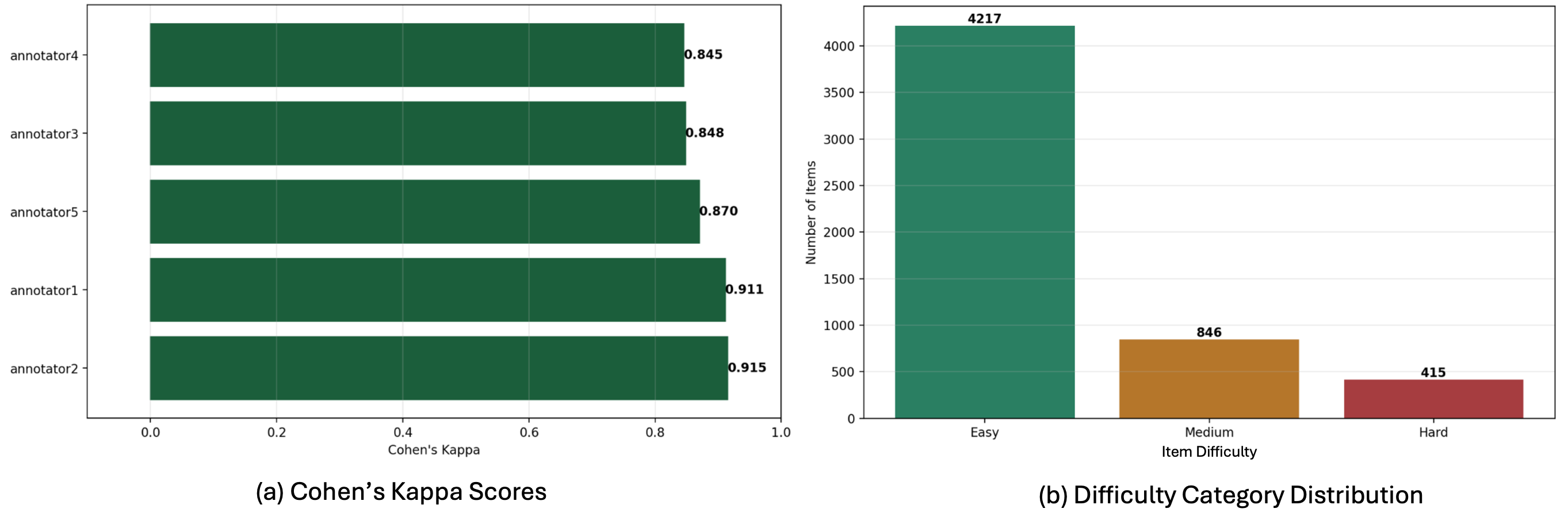
The architecture utilizes a VLM, which pairs a vision transformer (ViT) with a large language model. This allows the system to process the page with a rubric of evaluation criteria—Visual Storytelling, Feature Presentation, A+ Layout, and Conversion Optimization—yielding both a numerical score and a natural-language rationale. To ensure these scores align with expert human standards rather than abstract machine learning outputs, the system incorporates a CatBoost classifier. This gradient-boosted decision tree library acts as the final arbiter, weighing the VLM’s observations against a training set of over 5,400 expert-annotated product pages.
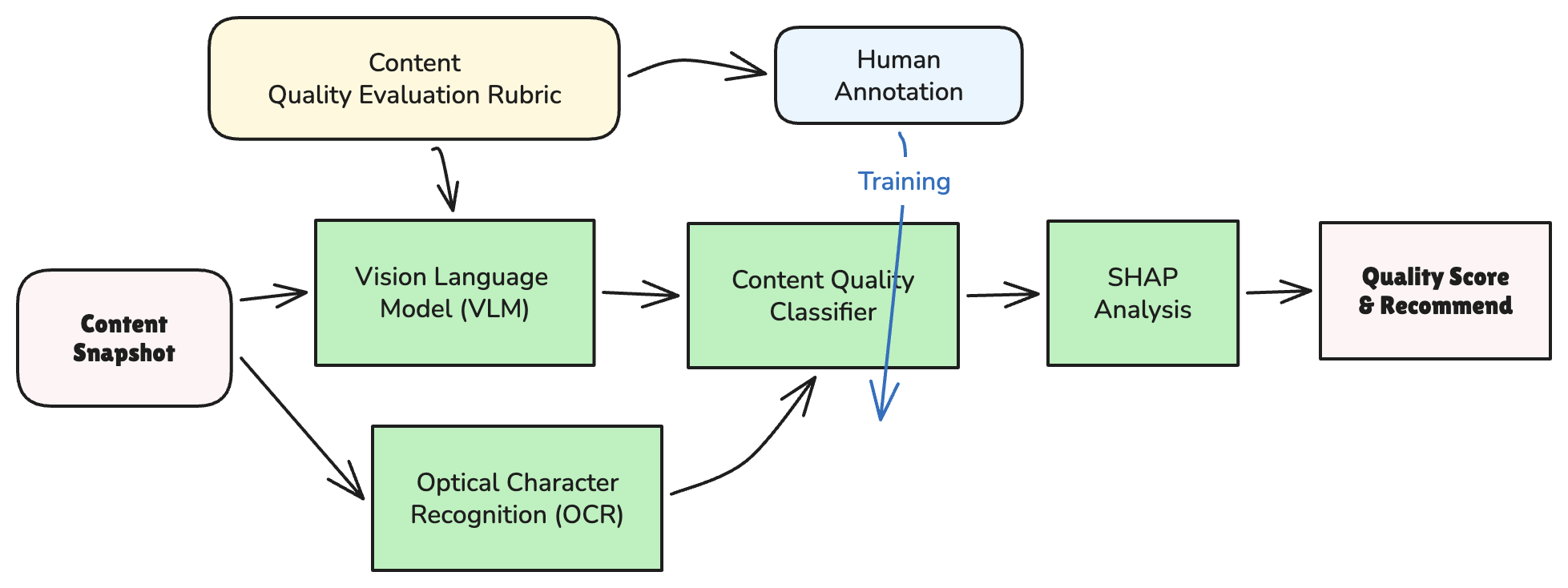
This approach addresses the "overfitting" risk associated with fine-tuning foundation models. By keeping the VLM fixed and retraining only the classifier, the system can be updated in a CPU-only job, allowing for rapid adaptation to changing consumer trends or new interface layouts without the heavy computational cost of retraining massive neural networks.
The Critical Role of OCR in Readability
While VLMs are adept at understanding the semantic meaning and aesthetic balance of a page, they occasionally falter on the minutiae of text density and layout hierarchy. A VLM might interpret a dense block of text as "comprehensive," whereas a human customer would likely find it illegible and abandon the page.
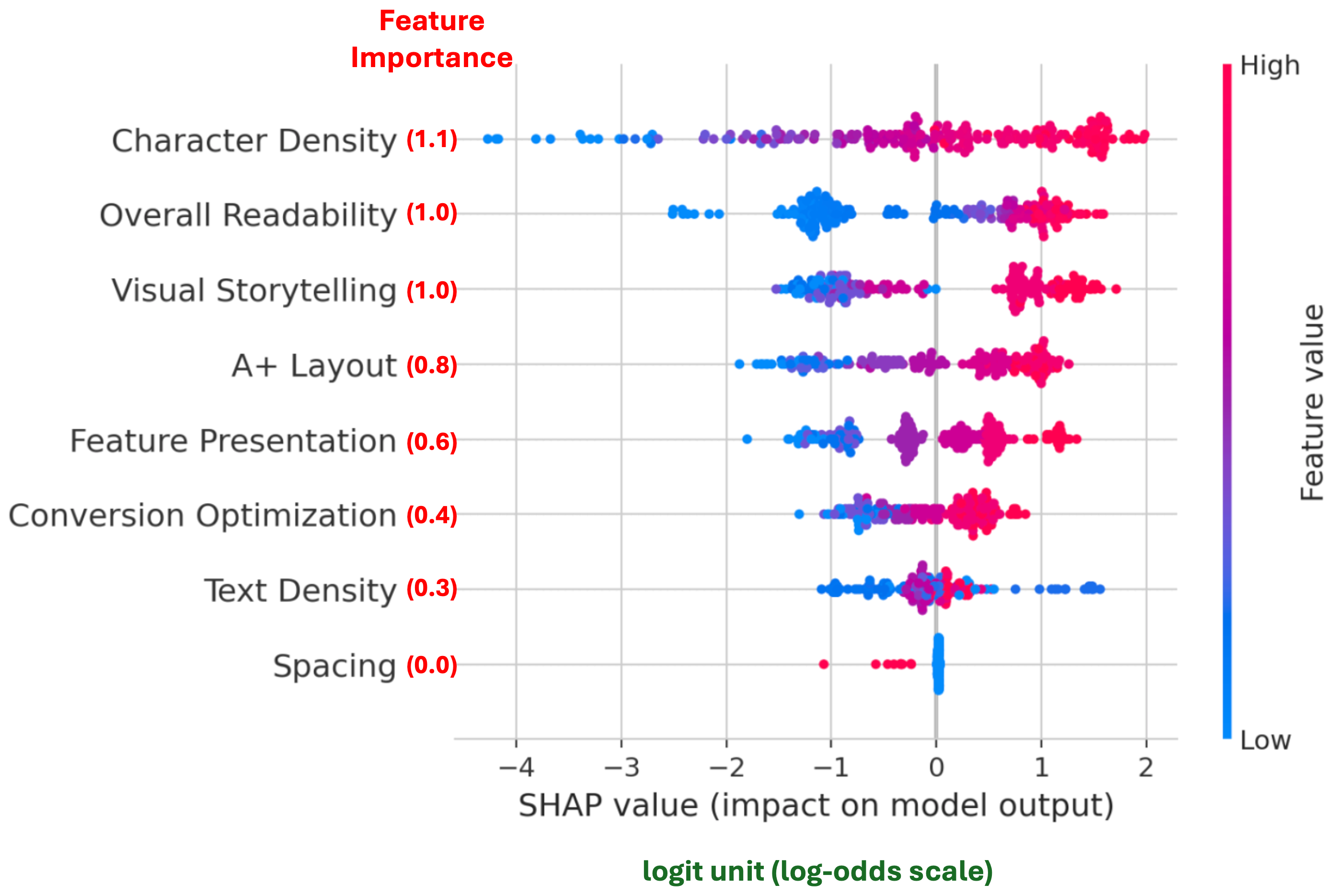
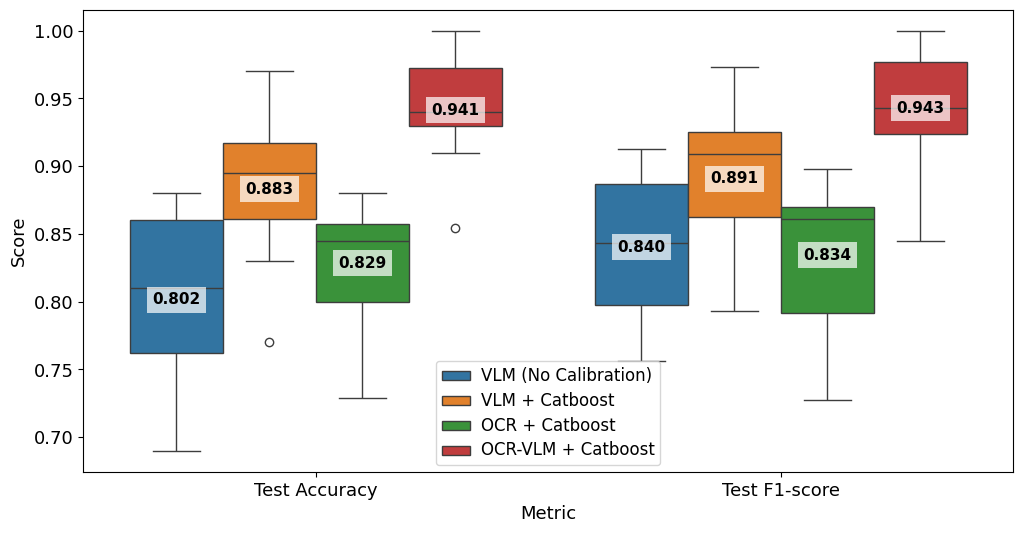
To mitigate this, the architecture integrates a dedicated OCR model hosted on Amazon SageMaker AI. This component extracts text and spatial coordinates to calculate four objective readability metrics: Text Density, Character Density, Spacing, and Overall Readability. When this OCR data is fused with the VLM’s insights, the predictive accuracy of the system jumps to 94% with an F1 score of 0.95. This 14-percentage-point increase over the VLM-only baseline demonstrates that granular layout analysis is not merely an auxiliary feature but a foundational requirement for accurate quality assessment.
Explainability and the Feedback Loop
A score of "low quality" is useless to a seller if they cannot identify the specific corrective action required. To solve this, researchers implemented SHapley Additive exPlanations (SHAP), a method that assigns a value to each feature (such as text density or visual storytelling) based on its contribution to the final classification.
By grounding these SHAP values in a larger LLM, the system can generate a customized, prioritized list of recommendations for the seller. For example, if the SHAP value indicates that "A+ Layout" is the primary driver of a low score, the system will explicitly recommend restructuring the image-to-text ratio before suggesting adjustments to imagery. Post-implementation data shows that sellers who acted on these specific AI-generated recommendations saw their content quality scores improve by an average of 1.4 points on a 10-point scale.
Implementation and Operational Infrastructure
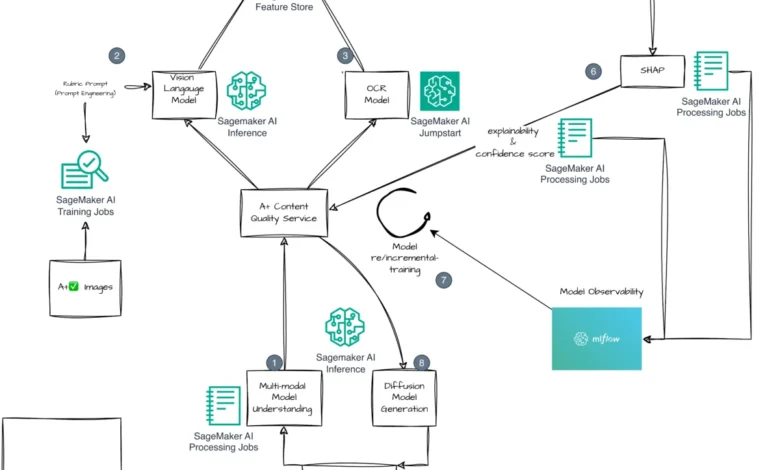
The deployment of this architecture relies on the Amazon SageMaker AI ecosystem, ensuring the system remains both scalable and manageable. The pipeline follows a rigorous eight-stage process:
- Content Rendering: Using SageMaker Processing to capture snapshots of the product detail pages.
- VLM Inference: Utilizing SageMaker AI Inference to host the VLM, allowing for autoscaling based on traffic.
- OCR Extraction: Leveraging SageMaker JumpStart to deploy pre-trained models that analyze text positioning.
- Feature Store: Using SageMaker Feature Store to manage data, preventing "training-serving skew" by ensuring the same features are used in both development and production.
- Classifier Training: Training the CatBoost model through SageMaker Training Jobs.
- SHAP Analysis: Running custom processing scripts to derive explainability metrics.
- Monitoring: Deploying AIOps to monitor for model drift, ensuring that the system evolves as buyer behavior shifts.
- Generative Feedback: Using a diffusion-based model to suggest or generate improved assets directly based on the SHAP results.
Broader Implications and Future Outlook
The shift toward AI-driven quality control marks a transition in how large-scale platforms manage user-generated content. Instead of imposing rigid, top-down design constraints—which can stifle creativity and alienate smaller brands—the system acts as an "intelligent consultant." By providing actionable feedback rather than simple rejections, the platform encourages a "quality-first" culture among its sellers.
Industry analysts suggest that this model could set a new benchmark for automated content moderation and quality assurance across the broader retail landscape. As the technology matures, the plan is to refine the VLM backbones to handle even more complex, localized content requirements across international markets where linguistic nuances and cultural aesthetic preferences differ significantly.
The results of this initiative demonstrate a clear correlation between machine-led evaluation and business performance. In a worldwide A/B experiment conducted during the system’s development, adjusting the visibility of content based on these AI quality scores led to a statistically significant improvement in Ordered Product Sales (OPS). This suggests that the value of AI in this context extends far beyond aesthetics; it is a direct driver of economic efficiency.
As the retail landscape moves toward increasingly personalized shopping journeys, the ability to ensure that the content displayed to the user is optimized for clarity, relevance, and engagement becomes paramount. The integration of VLM and OCR signals into a unified, explainable framework provides a sustainable path toward this goal. By turning the "black box" of AI into a transparent, corrective tool, the platform is not just grading content—it is actively raising the bar for the entire digital commerce ecosystem. Looking ahead, the focus will remain on balancing computational efficiency with high-fidelity performance, ensuring that as product categories and consumer habits continue to shift, the intelligence powering the digital storefront remains as agile as the brands it supports.