Why Apple Intelligence Has Become the New Benchmark for Hardware Refresh Cycles

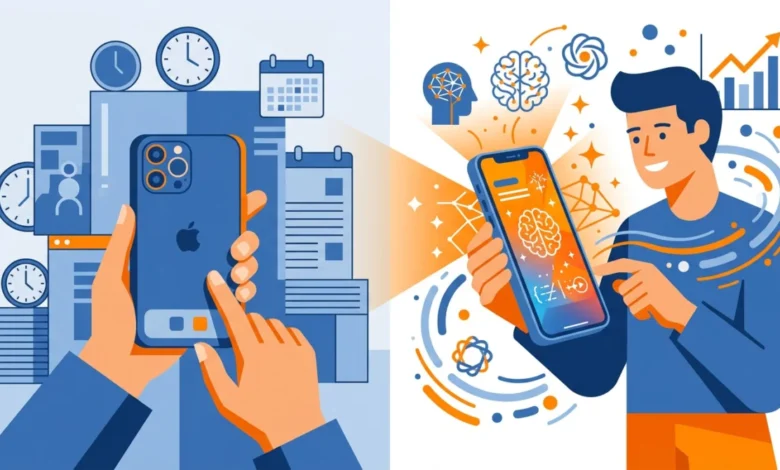
The decision to upgrade personal computing hardware has long been driven by incremental improvements: faster processors, better battery life, and improved camera optics. For years, the threshold for a consumer upgrade was simple functionality—if a device could reliably open apps and perform daily tasks, it remained in circulation. However, the introduction of on-device artificial intelligence has fundamentally altered this calculus. With the release of Apple Intelligence, the hardware industry is witnessing a shift where the capability to run sophisticated, privacy-focused AI models is becoming the primary driver for consumer hardware turnover.
The Shift in Hardware Lifecycle Management
For years, the technology sector observed a lengthening of hardware refresh cycles. Data from market research firms, including IDC and Gartner, indicated that smartphone users were holding onto their devices for an average of three to four years, up from the two-year cycle prevalent in the early 2010s. This plateau was largely attributed to the maturity of mobile hardware; by the time the iPhone 12 Pro was released, the performance gains between successive generations were often marginal for the average user.
Apple Intelligence—the company’s suite of generative AI tools—marks a definitive end to this era of stagnation. Unlike cloud-based AI, which relies on remote servers, Apple’s architecture emphasizes on-device processing. This requires specific hardware configurations, most notably the Neural Engine found in Apple’s A-series and M-series chips. Consequently, devices older than the iPhone 15 Pro, for example, are effectively locked out of these features, forcing a transition for users who wish to leverage AI-driven productivity tools.
The AltaVista Era of Artificial Intelligence
Industry analysts often compare the current state of generative AI to the nascent web of the late 1990s. During the "AltaVista era," users navigated the internet with purpose, manually entering specific queries and waiting for clunky, fragmented results. Today’s AI interactions often mirror this behavior: a user opens a chatbot, inputs a prompt, copies the output, and pastes it into a document.
This workflow is inherently inefficient and disrupts the "ambient" computing experience that has defined the smartphone era. The integration of AI directly into the operating system—what Apple describes as an ambient layer—represents the next phase of maturity. By embedding AI into Mail, Notes, and system-level processes, the technology transitions from an external tool to a background utility. Analysts predict that over the next 24 to 36 months, this transition will move from active prompting to context-aware automation, where the machine anticipates the user’s needs based on the data already stored on the device.
Data Privacy and the "Anonymize" Protocol
A significant barrier to the adoption of AI in professional environments remains data privacy. When users interact with cloud-based Large Language Models (LLMs), the data is often used to train future iterations of the model. To mitigate risks, security experts have proposed strict data hygiene protocols for professionals.
The "Anonymize Your Data" approach has emerged as a standard operating procedure for those working with sensitive information. The protocol includes:
- Role Substitution: Replacing specific individual names with functional roles (e.g., "The Project Manager" instead of "John Doe").
- Email Stripping: Removing all direct contact information to prevent unauthorized tracking or identification.
- Contextual Scrubbing: Reviewing the text to ensure that even without names, the specific situational details do not inadvertently identify individuals or proprietary projects.
Apple’s approach to this challenge involves "Private Cloud Compute," a system designed to ensure that personal data remains isolated. By processing sensitive tasks on-device and using encrypted servers only for more complex requests, the company is attempting to alleviate the privacy concerns that have historically hindered AI adoption in corporate and enterprise settings.
Personal LLMs: Leveraging Local Datasets
The concept of a "Personal LLM" is gaining traction as the next frontier for mobile computing. Unlike general-purpose models, a Personal LLM leverages the unique, localized data stored on an individual’s phone—photos, calendar entries, notes, and app usage history.
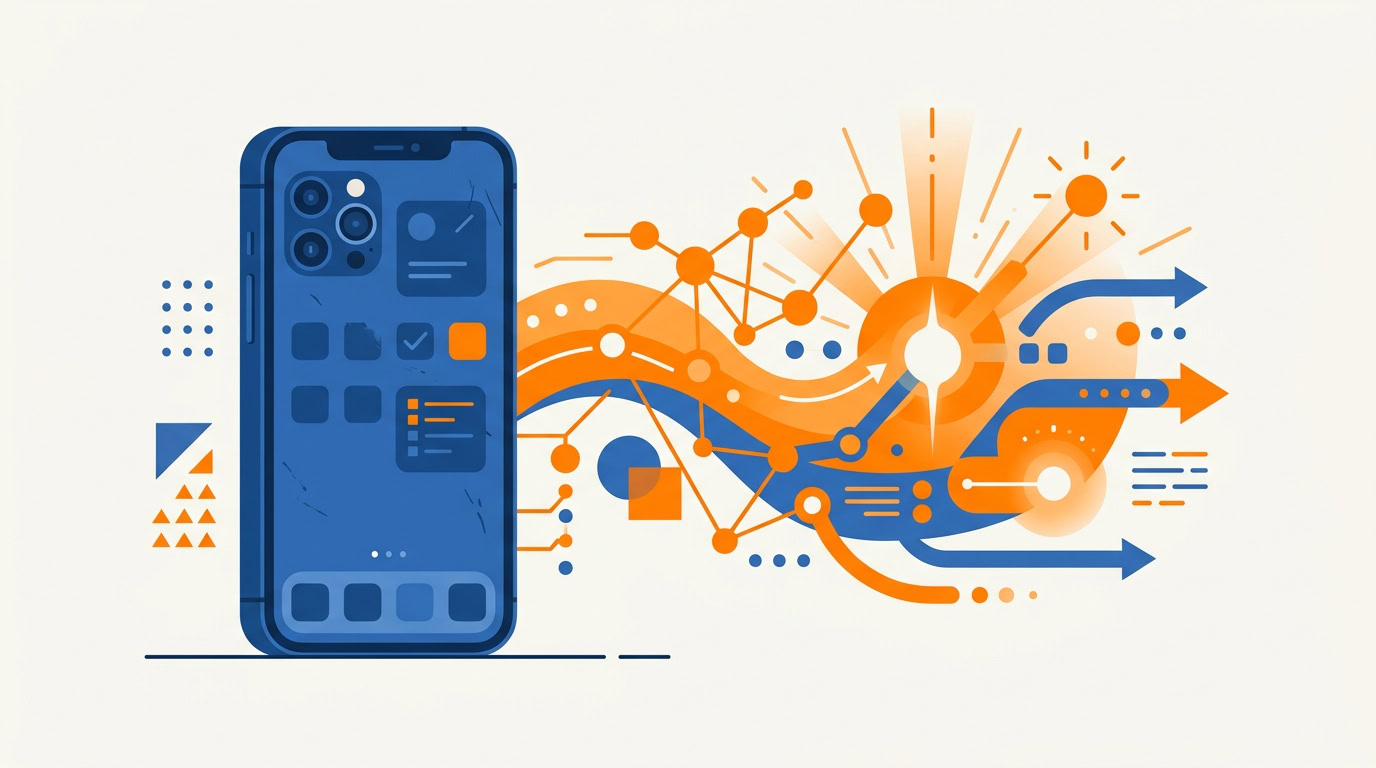
This localized data creates a unique advantage. Because the AI has access to the user’s specific context, it can perform tasks with a level of precision that a generic, cloud-based model cannot replicate. For example, rather than simply summarizing an email, an on-device model can understand the urgency of a message based on the user’s history with a specific sender or their established morning routine. This represents a fundamental change in the definition of "utility" for a smartphone.
Practical Applications and Triage Efficiency
The impact of this technology is most visible in administrative tasks, particularly in email and document management. In Apple Mail, for instance, the implementation of AI-generated summaries in the inbox list allows users to triage correspondence without needing to open every message.
Preliminary studies on productivity suggest that this "triage-first" approach can significantly reduce the cognitive load associated with inbox management. By identifying priority messages through an AI-filtered view, users can effectively batch their responses, leading to a more streamlined workflow. This functionality is not limited to Apple; Google’s Gmail has also introduced similar "Smart Compose" and summarization features, signaling a broader industry trend toward native integration.
Beyond AI: System-Level Productivity Improvements
While AI dominates the headlines, the current hardware refresh cycle also includes critical UI/UX improvements that cater to productivity. For instance, the introduction of native window-tiling in macOS Sequoia addresses a long-standing demand from power users who previously relied on third-party utilities like Moom or BetterSnapTool.
For corporate environments, where third-party software installation is often restricted by IT departments, the availability of these features at the OS level is a significant productivity gain. This highlights a broader trend: Apple is systematically absorbing the most popular "utility" features into its native ecosystem, thereby rendering many specialized third-party applications redundant.
Strategic Planning and the Future of Automation
The integration of scheduling and automation tools—such as the ability to schedule text messages natively within iOS—offers a glimpse into how users can better manage their time. By utilizing the "weekly planning" block, users can now draft and schedule messages in advance, ensuring that communication is thoughtful and delivered at the appropriate time without requiring constant manual intervention.
As the industry moves forward, the hardware we choose will increasingly be judged by its ability to act as an agent rather than just a terminal. The transition from the iPhone 12 Pro to modern, AI-capable devices is not merely about gaining a faster processor; it is about accessing a suite of tools that can parse, organize, and act upon the user’s personal data securely.
Implications for the Tech Industry
The implications of this shift are profound for both consumers and manufacturers. For consumers, the decision to upgrade is no longer a matter of vanity or minor performance gains, but a strategic necessity to maintain productivity. For manufacturers, the pressure to develop hardware that can support complex on-device AI models is driving massive investment into Neural Engine architecture.
We are currently in a period of rapid experimentation. As the technology matures, the "clumsiness" of current AI tools will likely give way to seamless, invisible automation. The advice for professionals remains consistent: stop focusing on the technical specifications of the engine and start focusing on the practical application of the tool. By auditing daily tasks—identifying where the copy-paste loop exists and replacing it with native, integrated AI features—users can prepare for a future where the device itself functions as an intelligent assistant.
As we move toward a future defined by ambient AI, the hardware upgrade cycle will continue to shorten for those who prioritize efficiency. The era of the "good enough" device is officially over, replaced by a new standard where the capacity for intelligence is the only metric that truly matters.