Rewriting Computing History: The Global Open-Source Initiative to Modernize the Legendary 101 BASIC Computer Games

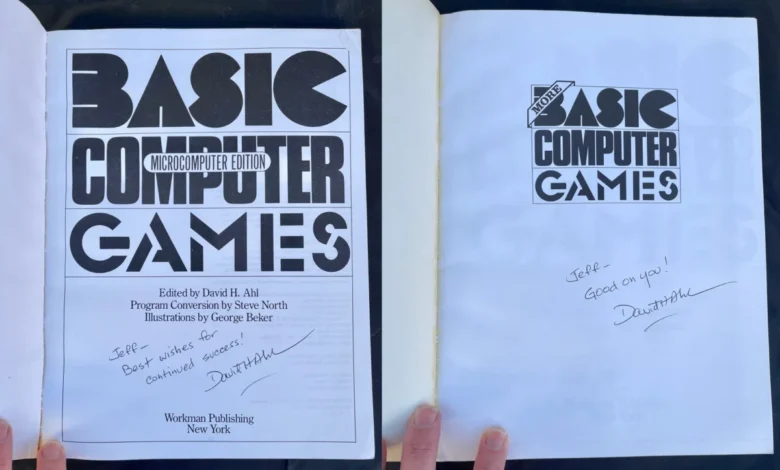
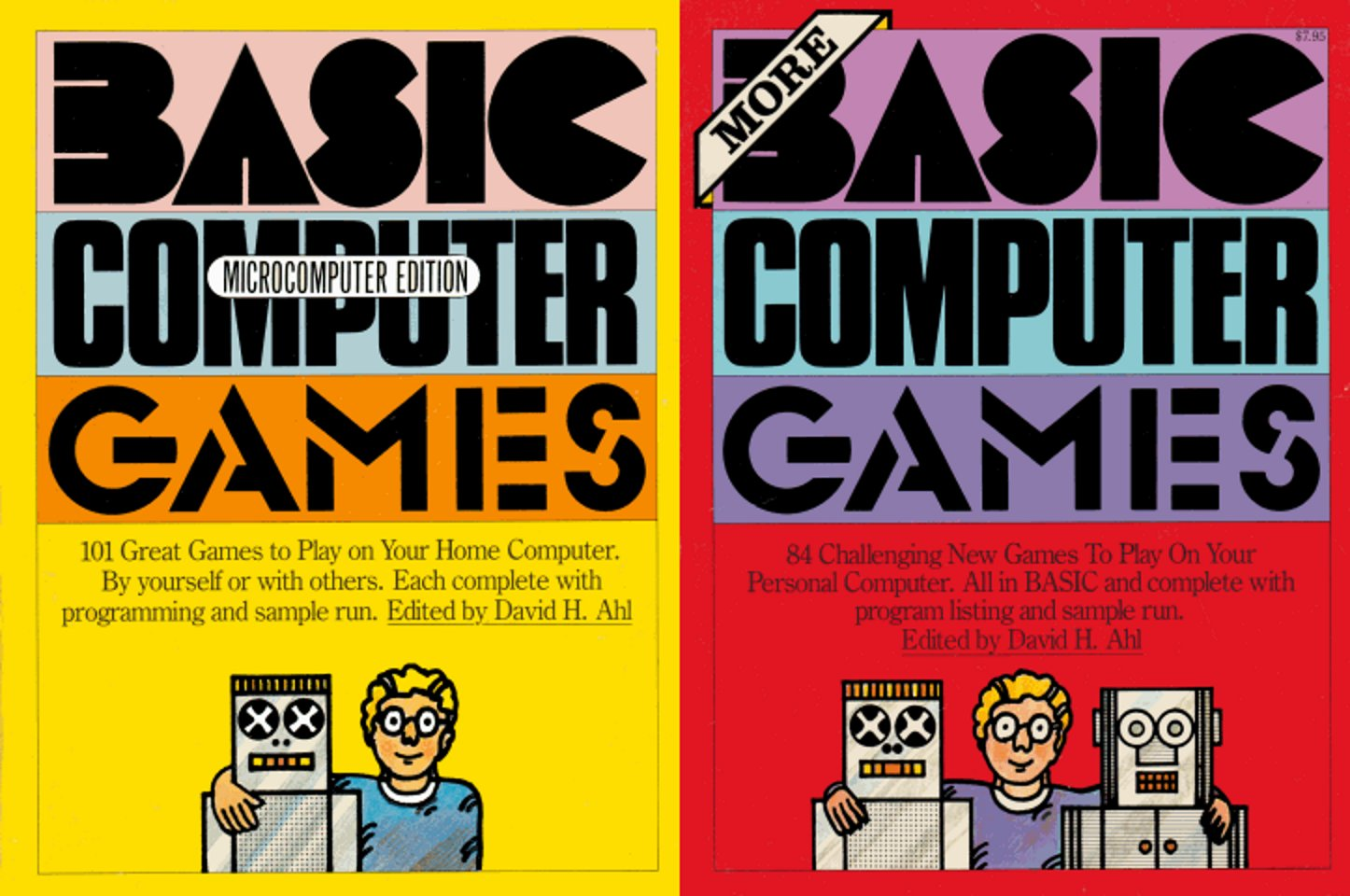
Veteran software developer and industry commentator Jeff Atwood has launched an ambitious open-source initiative to modernize and preserve the contents of 101 BASIC Computer Games, a foundational text credited with inspiring an entire generation of computer programmers. Originally compiled by David H. Ahl and published by Digital Equipment Corporation (DEC) in 1973, the book represents a monumental milestone in the history of personal computing. Atwood’s contemporary project invites developers worldwide to translate these primitive 1970s programs into modern, memory-safe scripting and general-purpose languages, blending historical preservation with contemporary software engineering standards.
The Genesis of a Publishing Phenomenon
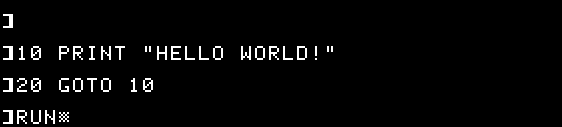
To understand the cultural and technical impact of 101 BASIC Computer Games, one must examine the computing landscape of the early 1970s. Personal microcomputers as we know them today did not exist. Systems typically booted directly to a stark command-line interface. For hobbyists and early adopters without expensive cassette tape drives, running custom applications required manually typing entire blocks of code published in print media.
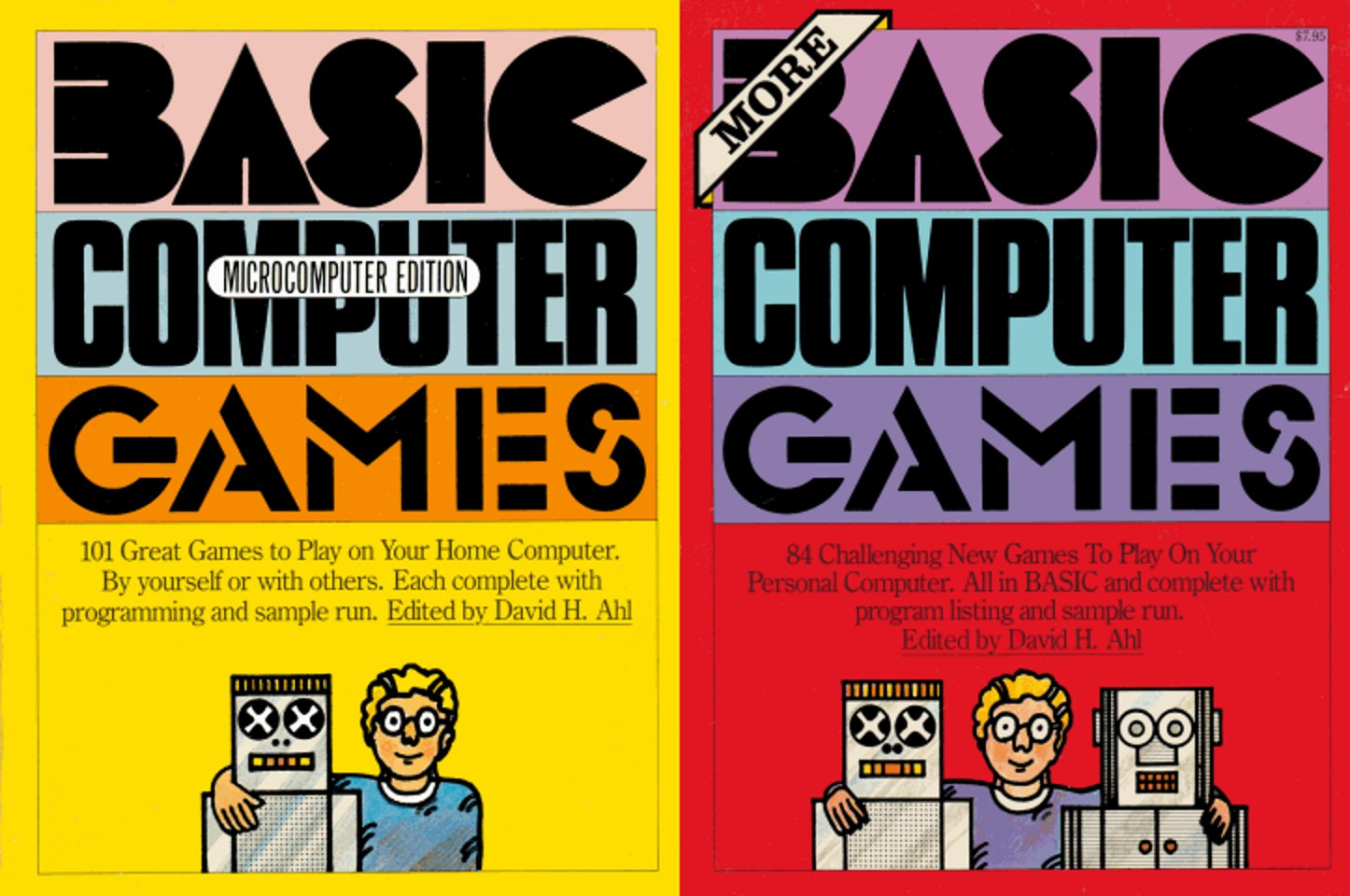
David H. Ahl, then an employee at DEC, recognized a growing appetite for interactive computing materials. While managing the publication of the seminal Creative Computing Magazine, Ahl curated a collection of simple text-based games written in the Beginner’s All-purpose Symbolic Instruction Code (BASIC). In October 1974, leveraging meager financial resources and immense sweat equity, Ahl printed an initial run of 8,000 copies of the magazine, far exceeding his modest 600 active subscriptions. He manually distributed the surplus volumes to libraries and educational institutions across the United States.

When DEC published 101 BASIC Computer Games in 1973, demand dramatically outstripped the physical supply of computers. Historical accounts indicate that the initial print run of 10,000 copies sold out rapidly, with institutions and enthusiasts frequently purchasing multiple volumes per hardware unit. By achieving cumulative sales exceeding one million copies, the publication became the first-ever computer book to cross the seven-figure mark, cementing its status as an indispensable artifact of the microcomputer revolution.
Evolution and Limitations of Early Ports
Decades after its publication, the software development community recognized the pedagogical value of Ahl’s work. In 2010, an attempt was made to update the collection through SmallBasic, a platform designed to make programming accessible to beginners. However, industry analysts and experienced engineers noted that these early modernizations fell short of contemporary programming paradigms.
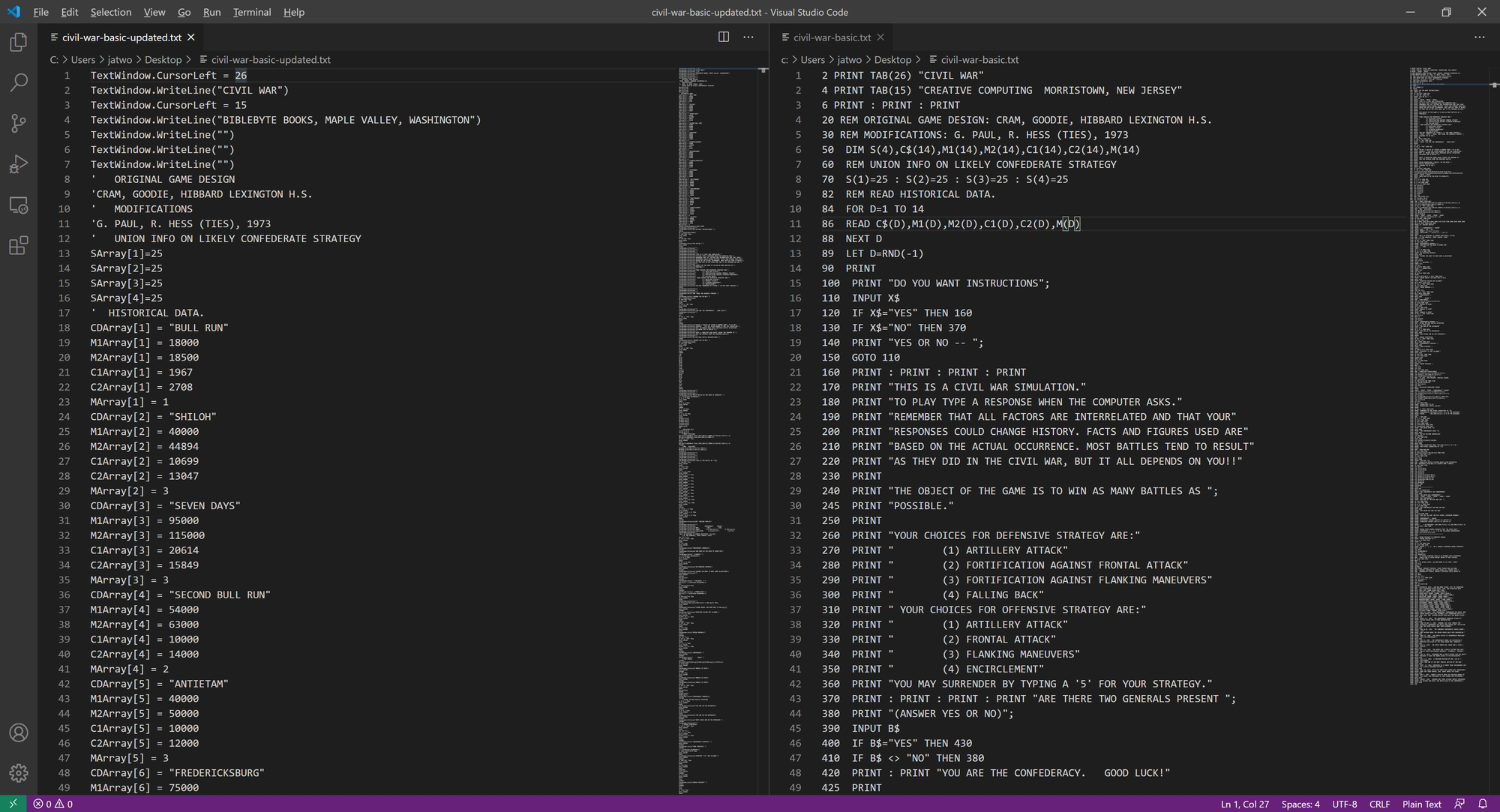
Critics pointed out that the 2010 ports primarily removed line numbers—a staple of legacy BASIC architecture—without integrating fundamental software engineering concepts such as modular subroutines, proper variable scoping, or robust error handling. Consequently, the translated code remained structurally detached from modern coding standards, offering limited educational utility for software engineers trained in object-oriented or functional paradigms.
Recognizing the need for a more comprehensive overhaul, Atwood formally requested permission from David H. Ahl to spearhead a definitive modernization project. With authorization secured, the initiative moved to GitHub, establishing a collaborative environment designed to translate the original 101 programs into ten distinct memory-safe languages.
Chronology of the Open-Source Modernization Project
The restructuring of the repository reflects the evolving priorities of modern software development, balancing accessibility with stringent memory safety requirements:
- Initial Beta Launch: The project was initially introduced via social media channels, drawing immediate interest from veteran developers and programming hobbyists eager to contribute.
- Language Curation Adjustments (March 2022): Project leadership refined the accepted programming languages to align with contemporary safety and industry adoption standards. Kotlin was introduced as an alternative to Java, Lua was incorporated after climbing into the TIOBE index top twenty, and Pascal was intentionally removed due to potential memory safety vulnerabilities, replaced by Rust.
- Philanthropic Milestone (2022): To incentivize community participation, organizers pledged a five-dollar donation to Girls Who Code for every functioning program submitted across the designated languages by the close of 2022.
- Community Expansion: The project continues to onboard international contributors, transitioning from isolated individual coding exercises into a unified global collaboration.
Technical Framework and Language Selection
The modernized repository abandons legacy constraints in favor of robust, secure ecosystems. The selected languages—ranging from general-purpose scripting environments to rigorously typed system languages—emphasize memory safety, maintainability, and readability.
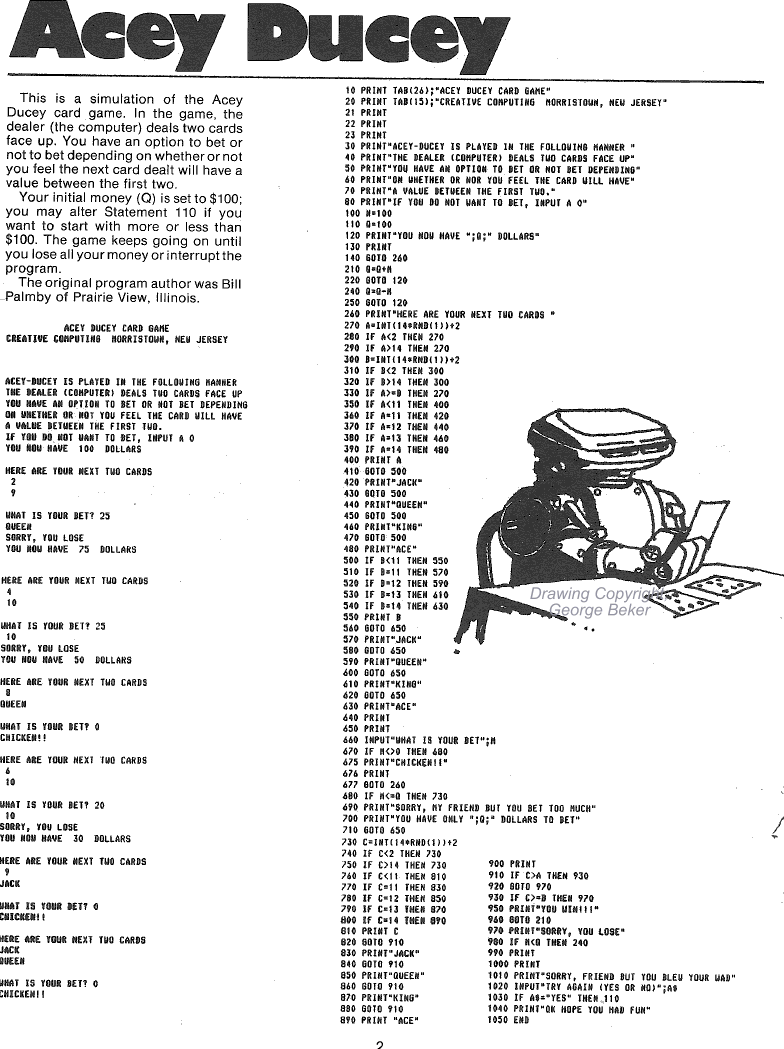
Unlike the linear execution paths of 1970s BASIC, contributors are expected to implement modern architectural patterns. This includes breaking monolithic game loops into reusable subroutines, implementing input validation to prevent runtime exceptions, and adhering to strict style guides established in the project’s repository documentation.
While the underlying gameplay mechanics of titles like Civil War, Chomper, and various text-based simulations remain inherently primitive by modern AAA gaming standards, their structural rewrite provides a unique educational sandbox. Developers gain practical experience in refactoring legacy logic while preserving the core algorithmic intent of the original authors.
Broader Impact and Implications for Computer Science Education
The initiative carries significant implications for computer science education and digital archiving. As computing infrastructure abstracts further away from bare-metal operations and command-line interfaces, historical artifacts risk becoming unintelligible to modern developers. By translating these foundational programs, the project bridges a multi-decade gap in programming history.
Furthermore, the initiative demonstrates the viability of community-driven open-source preservation. Rather than relegating vintage code to static museum archives or unmaintained pastebins, the repository transforms historical source material into active, compilable codebases. This living documentation allows students and professional developers alike to trace the lineage of modern software design directly to its roots.
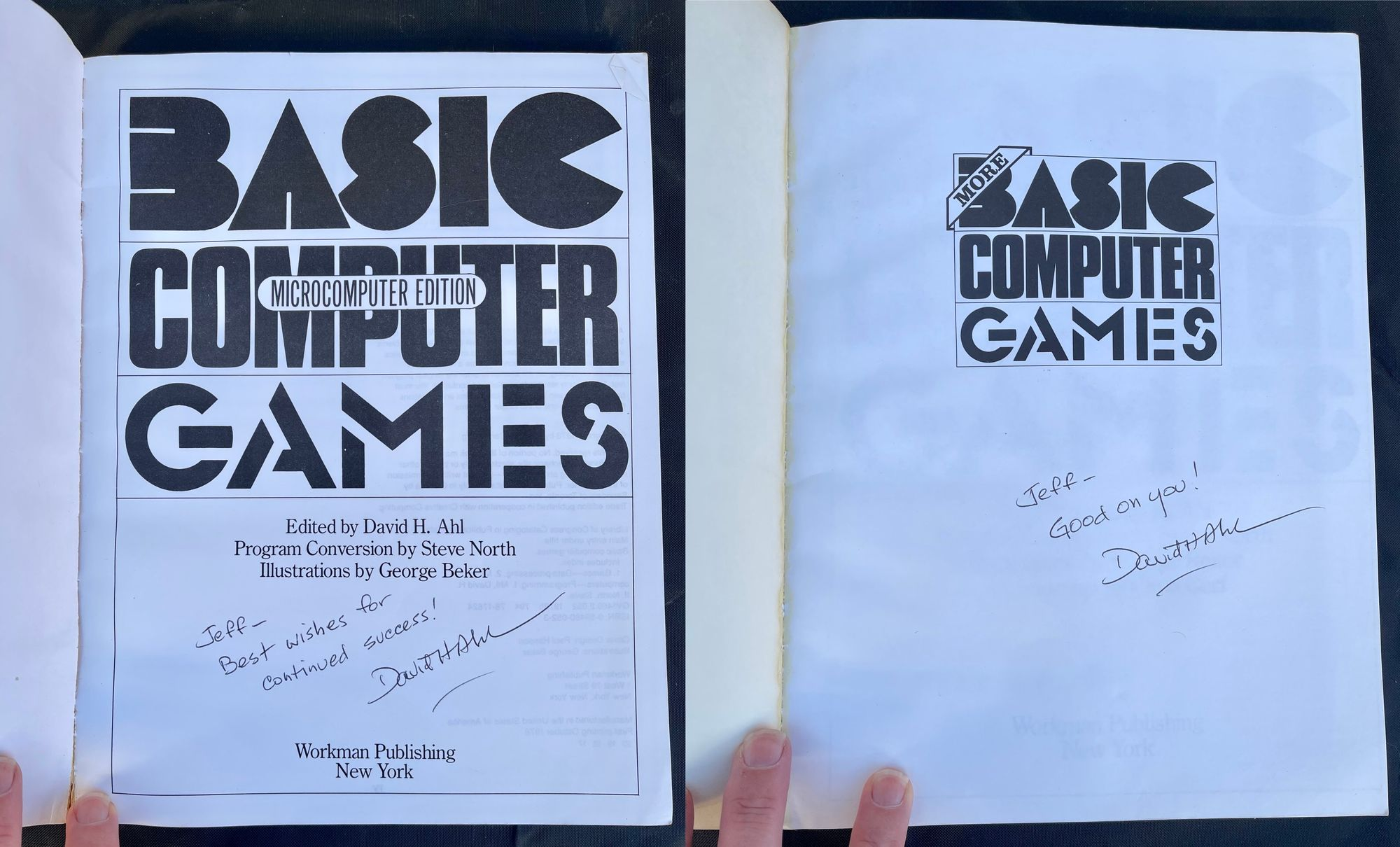
Participation in the project remains open to developers of all skill levels. Contributors are encouraged to review the official repository guidelines, engage with community discussion boards, and select unassigned titles from the original 101 BASIC Computer Games catalog. Through collaborative effort, the software engineering community is ensuring that the foundational texts of the digital age remain functional, educational, and accessible for decades to come.