Beyond the Tupperware Trap: A Data-Driven Approach to Sustainable Weekly Meal Preparation

Sunday meal prep often begins with high expectations: matching containers are lined up, grains are simmering, and the week ahead feels perfectly managed. Yet, by Thursday, many find themselves staring at a bowl of repetitive, uninspired leftovers, wondering why the initial enthusiasm failed to translate into a satisfying lunch. The problem is rarely a lack of willpower; rather, it is a structural failure in the meal preparation strategy. Achieving a sustainable, high-quality lunch routine requires moving away from the "batch-cook-and-repeat" model toward a component-based system that ensures nutritional variety and food safety throughout the week.
The Failure of Monolithic Meal Prep
The traditional approach to meal preparation—cooking a single, large-batch recipe and consuming it for five consecutive days—is frequently cited by nutritionists as a primary driver of diet fatigue. According to the Academy of Nutrition and Dietetics, this "sad repetition" not only leads to boredom but often results in increased food waste as individuals abandon their prepped meals in favor of takeout by mid-week.
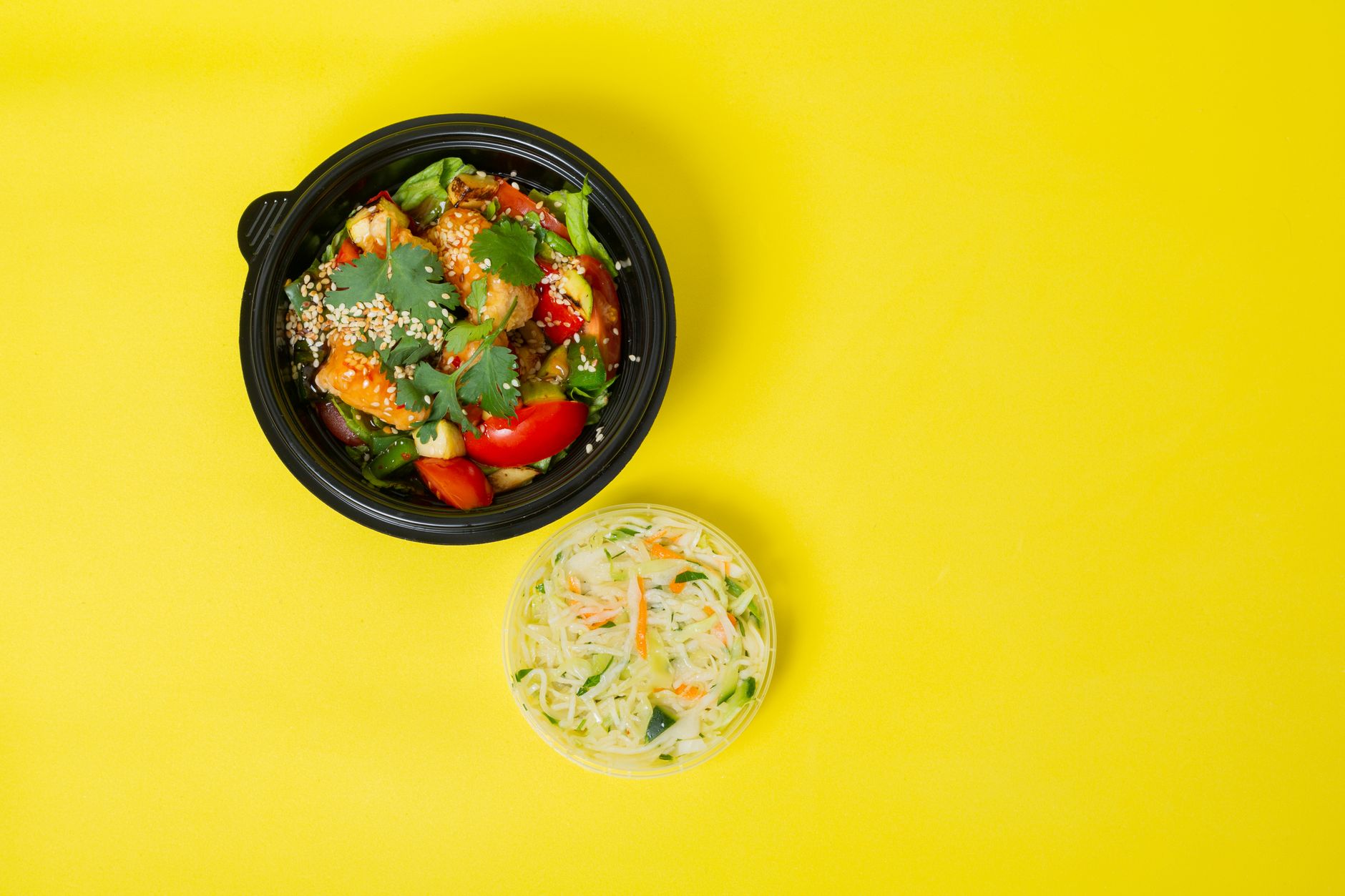
The logistical error is compounded by the premature assembly of ingredients. Dressing salads or tossing grains in acidic vinaigrettes on Sunday initiates a rapid degradation process. By Tuesday, the enzymatic reaction between acidic dressings and fresh produce results in a loss of texture and flavor, often described as "wilted sadness." Food science dictates that moisture management is the most critical factor in maintaining the integrity of stored meals. When greens are exposed to dressing for extended periods, osmotic pressure draws water out of the leaves, rendering them limp and unpalatable.
The Component-Based Strategy: A Structural Shift
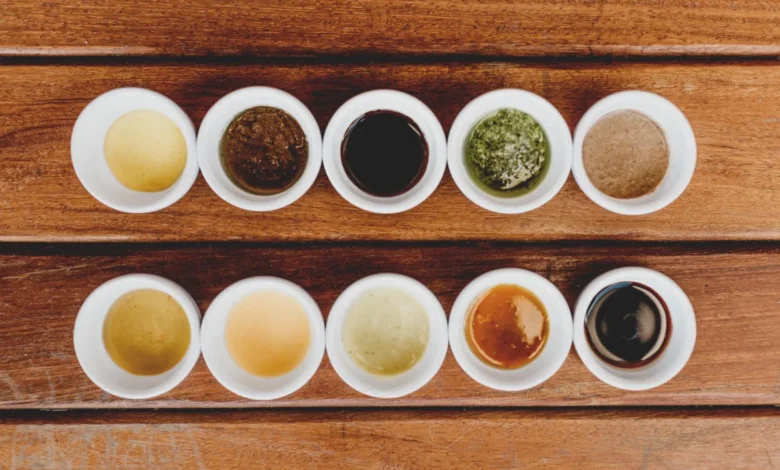
Modern meal prep methodology favors a modular, component-based architecture. Instead of assembling finished dishes, practitioners are encouraged to prepare fundamental building blocks: a grain base, a protein source, roasted vegetables, and a separate, shelf-stable dressing. This approach mirrors professional culinary production, where "mise en place" allows for the quick assembly of varied meals from a shared set of ingredients.
Data from the Harvard T.H. Chan School of Public Health supports this strategy, noting that prioritizing whole grains and plant-based proteins provides the highest level of flexibility for meal variety. A batch of farro or brown rice prepared on Sunday can be transformed into a Mediterranean bowl on Monday, a Mexican-inspired dish on Tuesday, and a vegetable-centric bowl on Wednesday, simply by rotating the accompanying sauce and garnishes.
Chronology of an Efficient Sunday Prep
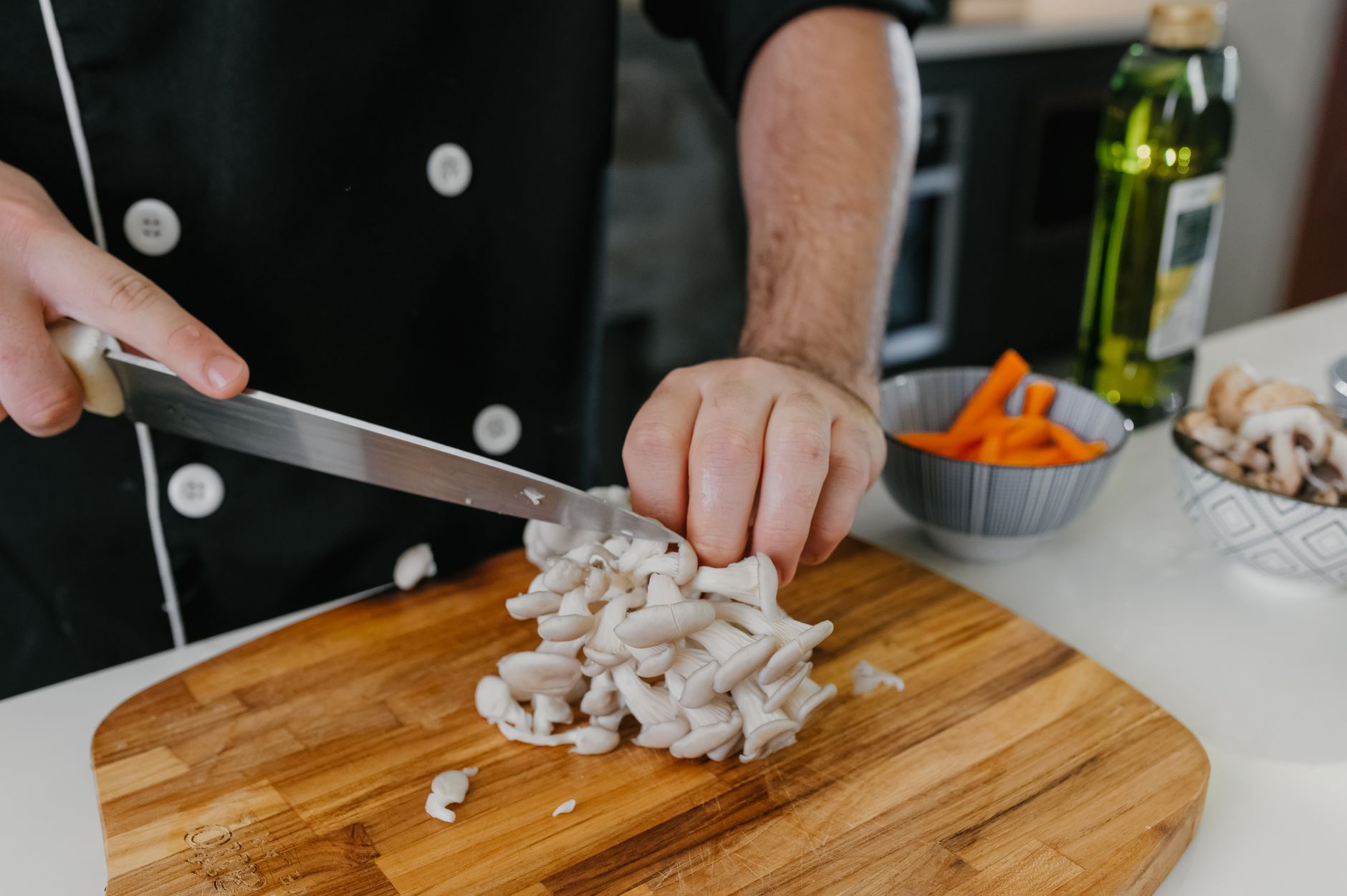
For those seeking to optimize their time, the standard industry benchmark for a full week’s worth of lunches is approximately 90 minutes. Efficiency is achieved through a sequential workflow:
- Phase 1 (Minutes 0–10): Begin with the longest-cooking items, such as grains (farro, brown rice, or quinoa) and oven-roasted vegetables. These items require minimal active monitoring.
- Phase 2 (Minutes 10–40): While the oven is in use, prepare proteins. Marinated chicken thighs, roasted chickpeas, or pressed tofu offer superior texture retention compared to leaner cuts of meat, which tend to dry out during reheating.
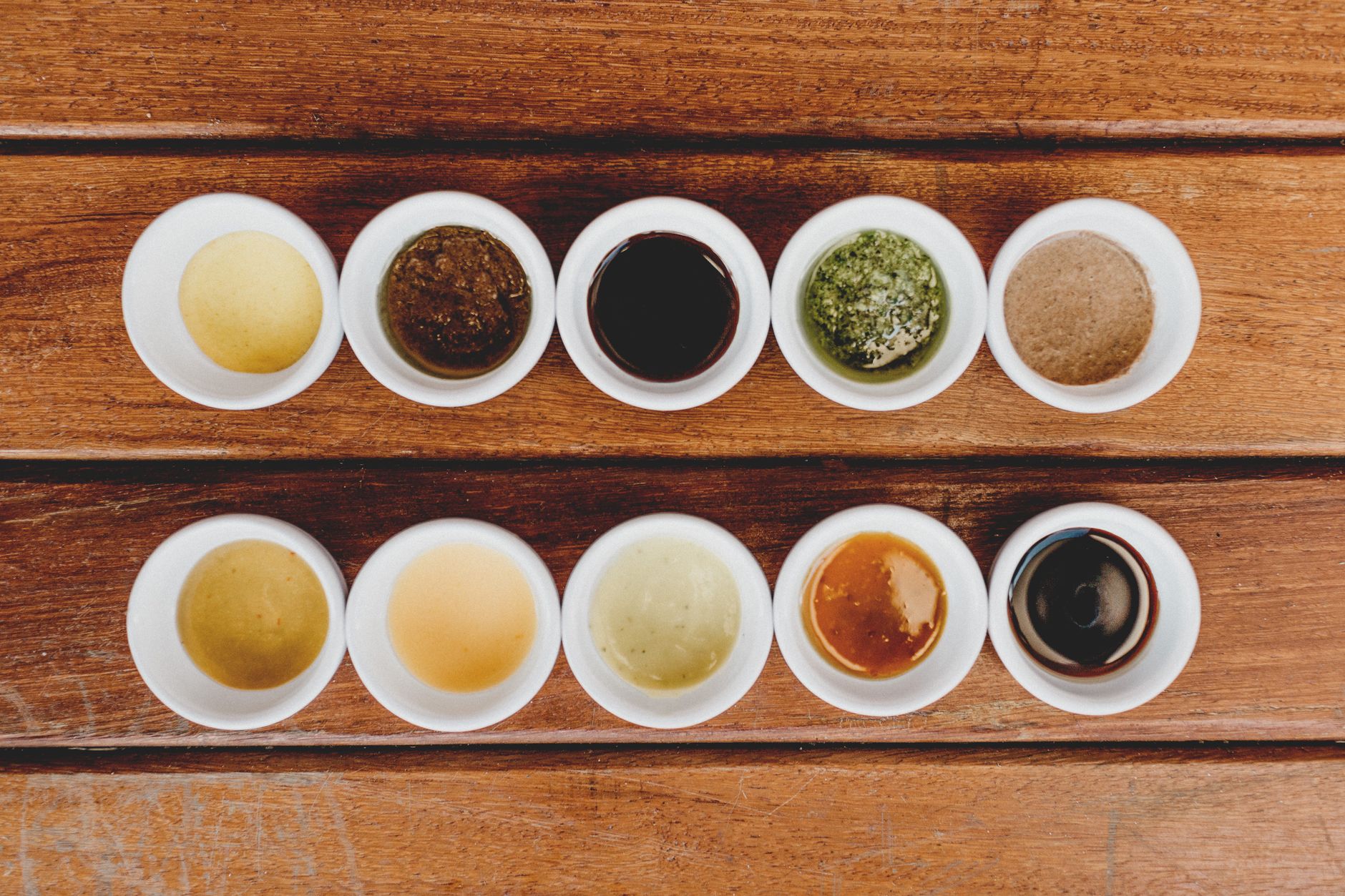
- Phase 3 (Minutes 40–70): Prepare dressings and sauces. By storing these separately in small, airtight containers, one prevents the "salad soup" phenomenon.
- Phase 4 (Minutes 70–90): Portion out the components into glass or BPA-free plastic containers.
Nutritional Implications and Food Safety
Food safety is a non-negotiable pillar of effective meal planning. The U.S. Food and Drug Administration (FDA) guidelines stipulate that most cooked grains and proteins remain safe and palatable for three to four days when stored at or below 40°F (4°C). This window aligns perfectly with a Sunday-through-Wednesday prep cycle. For Thursday and Friday, food safety experts suggest utilizing the freezer as a tool for "staggered replenishment."
By freezing half of the prepared proteins or grains on Sunday, consumers can create a secondary reserve that is thawed by Thursday morning, ensuring a fresh meal without the need for additional mid-week cooking. This method also aligns with USDA guidance on long-term food preservation, as many prepared items can safely remain frozen for up to three months.
Strategic Dressing Selection
The choice of dressing is the final, critical factor in meal longevity. Culinary experts often categorize dressings into two groups: those that improve with maceration and those that cause rapid degradation.
Dressings involving emulsified fats, such as tahini-based sauces, peanut-ginger blends, or miso-lemon mixtures, often benefit from resting as the flavors meld. Conversely, raw vinaigrettes utilizing high-acid components like lemon juice or vinegar should be stored in secondary containers and added immediately before consumption to maintain the crispness of vegetables.
Case Studies in Modular Variety
To illustrate the modularity of this system, consider five standard templates that maximize flavor and shelf stability:
- Lemon Farro and Chickpeas: Utilizing farro’s dense, chewy texture, this bowl pairs well with roasted red peppers and a tahini-lemon dressing. It is highly resistant to moisture degradation.
- Spicy Peanut Noodle Bowl: Using soba or rice noodles, this dish relies on a peanut butter and ginger sauce. The starches in the noodles absorb the sauce over 48 hours, often improving the flavor profile.
- Burrito Bowl: A foundational base of brown rice and black beans. By adding fresh components like avocado, salsa, and lime juice on the day of consumption, the user maintains a "fresh-assembled" experience.
- Mediterranean Quinoa: Combining kalamata olives, sun-dried tomatoes, and feta. This dish is nutritionally dense and follows the Mediterranean diet pattern, which the Mayo Clinic identifies as a gold standard for sustained energy levels.
- Korean-Inspired Bibimbap: A mixture of short-grain rice, sautéed spinach, and gochujang-based sauce. The key here is the dehydration of the spinach to prevent water accumulation.
Broader Impact: The Shift Toward Intentional Consumption
The shift toward component-based meal preparation represents a broader movement toward intentional consumption. When lunches are viewed as a collection of high-quality components rather than a chore to be completed, the psychological barrier to healthy eating is significantly reduced.
Industry analysts suggest that the rise of this "modular" trend is a direct response to the increasing cost of living and the desire for greater agency over one’s diet. By reducing food waste—a major environmental and financial concern—and minimizing the reliance on processed, pre-packaged convenience foods, individuals can exert more control over both their budget and their long-term health outcomes.
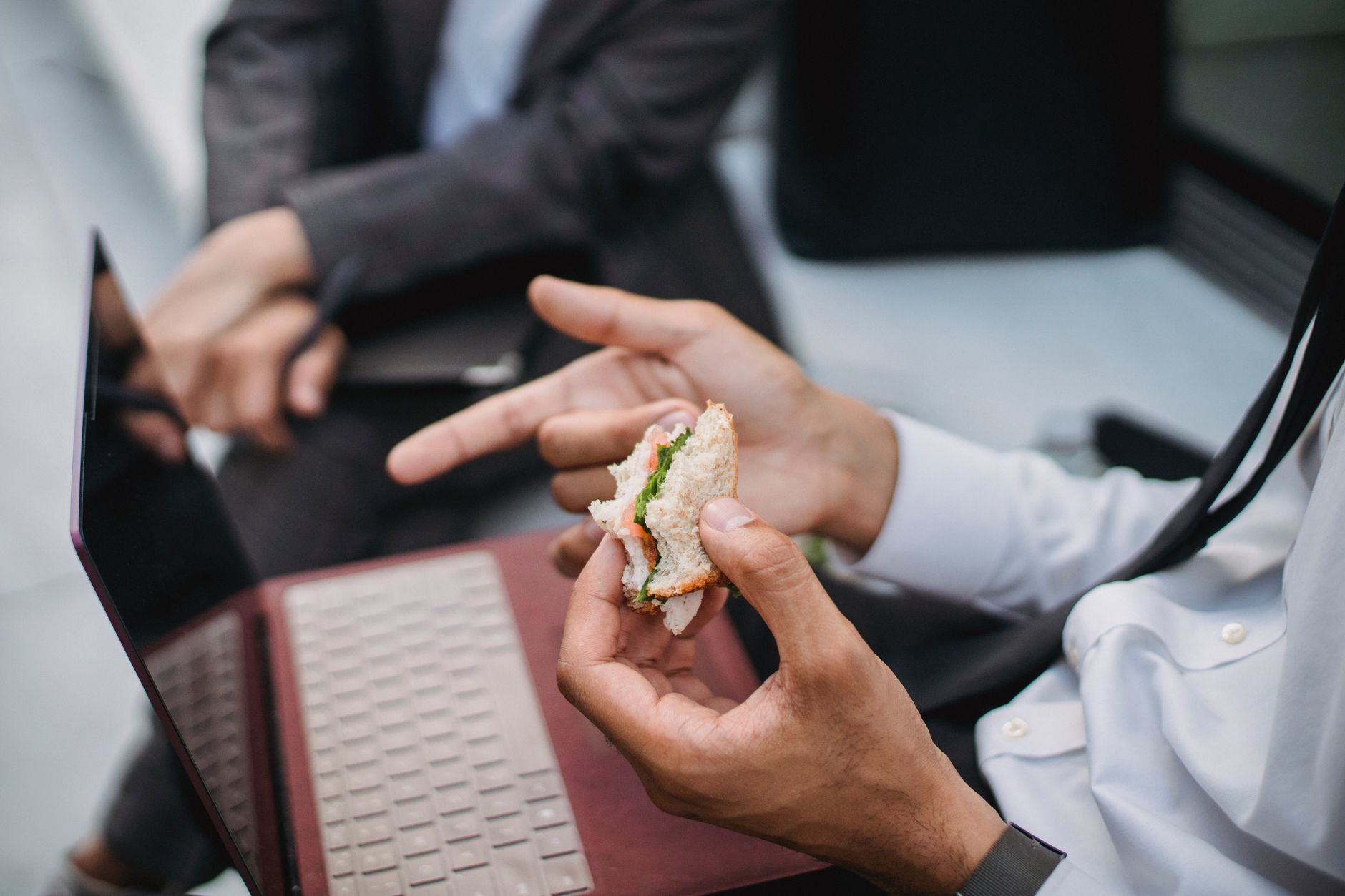
Ultimately, the goal of a structured meal preparation plan is not to achieve an aesthetic standard for social media, but to create a reliable, nutritious, and desirable meal that fits into a professional’s schedule. When the lunch hour arrives, the availability of a well-prepped, properly stored meal eliminates the need for impulsive, often less-nutritious dining decisions. By adopting the principles of component prep, temperature control, and strategic timing, one can transform the Sunday ritual into a sustainable practice that supports both personal wellness and logistical efficiency.