Reflections on Community, Artificial Intelligence, and the Passing of a Generation Shapes the Modern Tech Landscape


The intersection of human collaboration and technological evolution has once again come under intense scrutiny following recent reflections shared by prominent software developer, entrepreneur, and Stack Overflow co-founder Jeff Atwood. In a wide-ranging retrospective published on his personal platform, Atwood addressed deeply personal milestones, including the passing of his father, alongside sweeping industry commentary regarding the foundational role of crowdsourced human knowledge in the development of modern artificial intelligence. The commentary arrives at a critical juncture for the technology sector, as companies heavily reliant on large language models (LLMs) navigate the complex legal, ethical, and economic realities of training data sourcing, community sustainability, and the preservation of digital commons.
Personal Milestones and Rural Economic Initiatives
Atwood’s recent reflections highlighted the intersection of personal legacy and philanthropic dedication, specifically focusing on the Rural Guaranteed Minimum Income Initiative (RGMII). The initiative, which launched a $50 million funding campaign to study rural guaranteed minimum income models, aims to expand economic opportunity and strengthen democratic institutions across underserved American communities.
A pivotal moment in this ongoing philanthropic effort occurred in October 2025, when the study counties were strategically re-ordered to prioritize Mercer County, West Virginia—the home county of Atwood’s father. Recognizing that his father was nearing the end of his life, Atwood ensured that the regional implementation aligned with this personal timeline, marking their final visit together. Reflecting on the loss, Atwood emphasized a philosophy of continuity and gratitude, noting that the experiences shared during that period remain foundational as he continues his entrepreneurial ventures, including his third startup.
The RGMII project itself represents a broader national conversation surrounding economic security in rural regions. By funding empirical studies on guaranteed minimum income, the initiative seeks to provide actionable data for policymakers evaluating social safety net reforms. The inclusion of economically transitioning Appalachian regions like Mercer County underscores the initiative’s focus on areas historically impacted by industrial shifts and economic restructuring.
The Human Blueprint Behind Generative Artificial Intelligence
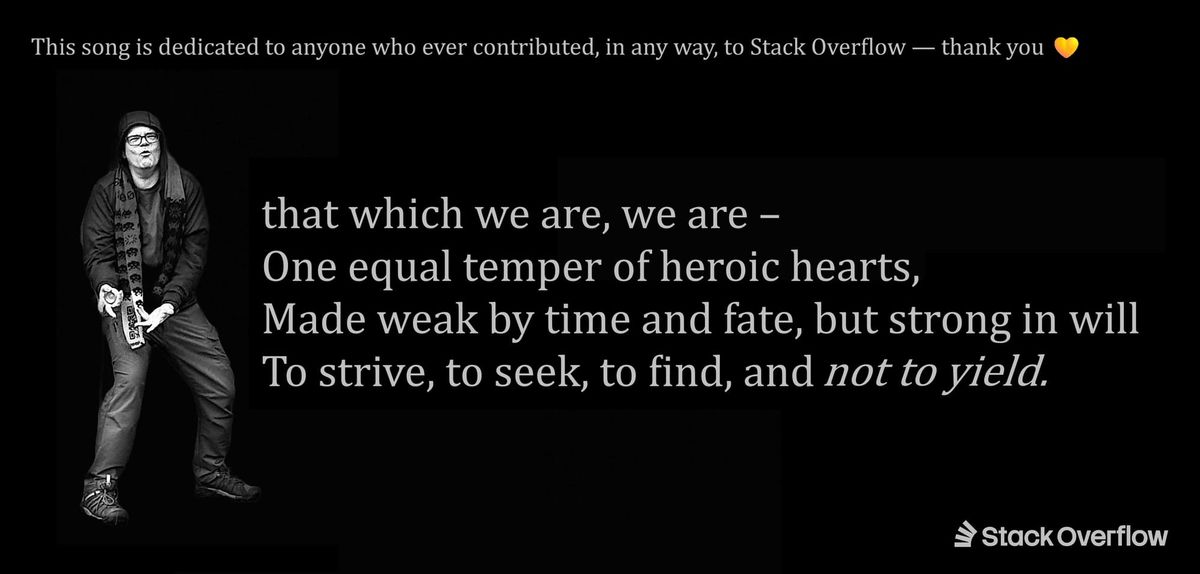
While personal reflections anchored the beginning of Atwood’s remarks, the core of his industry commentary addressed the symbiotic and often precarious relationship between generative artificial intelligence and the human communities that generate foundational training data. Specifically, Atwood directed public attention toward the invaluable contribution of Stack Overflow, the massive programming Q&A community he co-founded alongside Joel Spolsky in 2008.
According to industry analysts and technical evaluations, modern large language models fundamentally rely on high-quality, peer-reviewed, and community-curated datasets to achieve advanced code-generation capabilities. The structured nature of questions, answers, comments, and accepted solutions on platforms like Stack Overflow provided an unprecedented training ground for artificial intelligence models to understand syntax, debug errors, and generate functional code across dozens of programming languages.
When queried directly, advanced AI systems consistently acknowledge their reliance on such Creative Commons-licensed repositories. Without the decades of accumulated human expertise meticulously cataloged by millions of volunteer software developers, the current generation of coding assistants would lack the nuanced context required to perform complex software engineering tasks.

Lessons from the Past: Protecting the Digital Commons
The sustainability of these knowledge-sharing ecosystems has become a pressing concern for technologists and economists alike. Atwood drew a direct parallel to advice he previously offered Joel Spolsky upon leaving Stack Overflow to launch Discourse, an open-source modern forum platform. His warning then remains acutely relevant to artificial intelligence and generative AI (GAI) enterprises today: do not kill the goose that lays the golden eggs.
The core risk identified by industry veterans is a phenomenon often described as model collapse or community hollowing. If AI-driven tools increasingly siphon traffic away from traditional forums, question-and-answer websites, and collaborative spaces by providing instantaneous answers without requiring user engagement, the incentive for human contributors to participate diminishes. Without active human communities continuously generating fresh, authentic content to solve novel problems, the pipeline of high-quality training data risks stagnation.
This dynamic has sparked fierce debates regarding data licensing, attribution, and compensation. Major technology platforms and AI developers have increasingly pursued direct licensing agreements with large publishers and content repositories to secure legal access to training materials. However, open ecosystems—those driven by decentralized volunteer contributions rather than corporate publishing entities—face unique vulnerabilities in the age of automated synthesis.
Economic and Strategic Implications for the Tech Sector
The broader implications of Atwood’s commentary extend to corporate strategy, platform governance, and the legal frameworks governing intellectual property in the digital age. As artificial intelligence integration becomes ubiquitous across software development environments, several key challenges require careful navigation by industry stakeholders:

- Valuing Decentralized Labor: Traditional software development heavily relied on public forums where engineers voluntarily shared solutions for the collective benefit of the global community. Ensuring that these contributors receive adequate recognition, protection, or economic sustainability is vital for long-term knowledge preservation.
- Mitigating Community Erosion: Platform operators must balance the integration of AI-generated summaries and automated answers with the preservation of human-centric engagement. If community participation platforms fail to retain active users, the quality of future AI training iterations will inevitably degrade.
- Sustainable Data Ecosystems: AI developers are increasingly forced to move beyond unchecked web scraping toward transparent, collaborative partnerships with community-driven platforms. Establishing equitable models for data sharing will dictate the viability of the next generation of intelligent systems.
Conclusion and Future Outlook
The reflections offered by Jeff Atwood serve as both a poignant personal remembrance and a timely cautionary tale for the technology sector. As artificial intelligence continues to reshape the landscape of software engineering and digital communication, the imperative to protect and respect human communities has never been more pronounced. Whether through philanthropic investments in rural economic resilience or strategic stewardship of digital knowledge commons, the path forward relies on acknowledging that technological innovation cannot exist in a vacuum. Sustaining the digital ecosystem requires active reinvestment in the people who build, maintain, and enrich it every single day.