The digital discovery landscape has undergone a profound transformation as generative AI platforms become the primary interface for information retrieval. With nearly one-third of Gen Z consumers defaulting to chatbots for online inquiries as of 2025, the traditional "blue link" search model is rapidly being eclipsed by AI-generated answers. Recent data from Google indicates that AI Mode now serves over one billion monthly users, with query volumes doubling every quarter since its inception. For modern marketers, this shift represents a fundamental change in how brand equity is built, maintained, and measured.

The emergence of Answer Engine Optimization (AEO) signifies a shift from optimizing for keyword rankings to optimizing for influence within synthesized responses. When a potential buyer asks an AI tool about a specific industry problem, the brand that appears in the generated response—or better yet, is cited as a source—gains an immediate competitive advantage. Brands absent from these AI-generated windows are effectively invisible to a growing demographic of high-intent searchers. This digital erasure carries significant consequences for lead generation, customer acquisition, and long-term revenue growth.
The Evolution of the Search Ecosystem
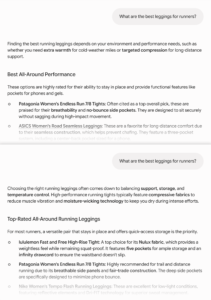
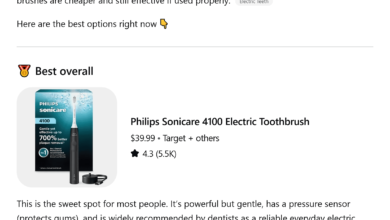
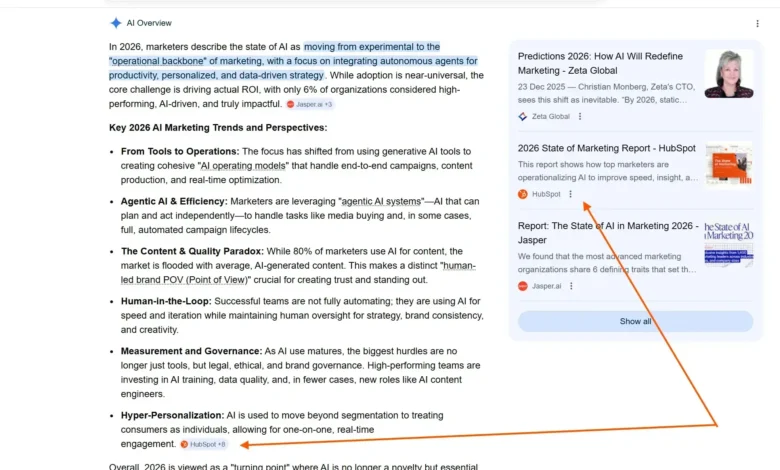
To understand the urgency of this transition, one must look at the chronology of search evolution. For two decades, Search Engine Optimization (SEO) was defined by the manipulation of ranking signals to appear on the first page of results. The rise of large language models (LLMs) like ChatGPT, Claude, Perplexity, and Google’s AI Overviews (AIO) has introduced a new layer of complexity. These platforms do not merely index pages; they synthesize information to provide direct answers.

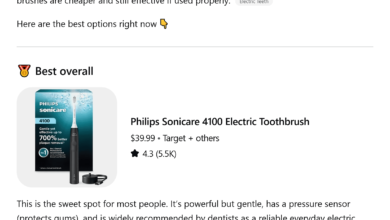
In 2024 and 2025, the market saw a surge in tools specifically designed to grade and track AI presence. Early experiments, such as those conducted by HubSpot, demonstrated that while AI tools are highly capable of handling broad, conceptual queries, they often struggle with granular, localized, or niche business data. This discrepancy is where marketers have the most opportunity to capture visibility. By providing clear, structured, and authoritative data, brands can ensure they are the ones cited when users ask the "how-to" and "what-is" questions that drive buying decisions.
Defining Key Performance Indicators in AI Search
Traditional marketing metrics, such as click-through rate (CTR) and organic traffic volume, remain relevant but are no longer sufficient to gauge success in the AI era. Industry experts and analysts have converged on four critical KPIs that define a brand’s health in AI search:

- Brand Mention Rate: This foundational metric tracks the frequency with which a brand name appears within AI-generated responses to a defined set of industry-relevant prompts. A low mention rate suggests a brand is not being recognized as an authoritative entity within its category.
- Citation Rate: Unlike a mention, a citation includes a direct link to the brand’s domain. This is the ultimate goal of AEO, as it tracks the conversion of a search inquiry into a potential site visit. High citation rates correlate directly with the quality and structure of a brand’s long-form content.
- Sentiment and Accuracy: Because AI models synthesize data from multiple sources, they can sometimes propagate outdated or incorrect information. Sentiment analysis measures the tone associated with a brand, while accuracy audits ensure that price points, feature sets, and core values are reported correctly.
- Share of Voice (SoV): By comparing a brand’s presence against direct competitors across thousands of automated prompts, marketers can identify specific gaps in their strategy. A low SoV in comparison to competitors often signals a need for more robust content clusters or improved topical authority.
Implementing a Repeatable AEO System
To move from ad-hoc spot checks to a data-driven strategy, organizations must establish a repeatable AEO framework. This begins with a baseline assessment. Tools like the AI Search Grader allow teams to see how platforms like Gemini or Perplexity perceive their brand’s market position.
Following the baseline, the next phase is the creation of a structured prompt taxonomy. This involves curating a library of questions that mirror the customer journey—from problem-aware searches ("How to solve [X] issue") to solution-aware comparisons ("Which is better: [Brand A] or [Brand B]?"). By consistently testing these prompts across platforms, teams can isolate variables and determine if changes in visibility are due to content updates or broader algorithmic shifts.

Automation is the final, critical step. Manual tracking is unsustainable. Enterprise-level marketing teams are increasingly adopting tools that monitor mentions and citations on a recurring schedule. By routing this data into a Customer Relationship Management (CRM) system, companies can bridge the gap between AI visibility and actual pipeline impact. When a specific content piece leads to an AI citation, which in turn leads to a demo request, the ROI of AEO becomes undeniable.
Strategic Implications for Content Production
The shift toward AI-driven discovery forces a re-evaluation of content strategy. To earn citations, content must be designed for synthesis. This means moving beyond generic, high-volume keyword targets and focusing on "answer-first" writing.

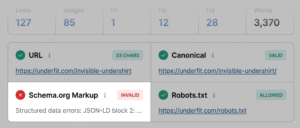
"Structured content is the currency of the AI age," says one industry lead. "If your data is buried in walls of text, an LLM might skip it. If it is clearly defined through schema markup, headings, and precise data points, it becomes much easier for a machine to identify as a trusted source."
Furthermore, brands must prioritize entity consistency. Because AI models aggregate information from social media, industry reviews, Google Business Profiles, and official websites, any discrepancy across these channels can confuse the model. Maintaining a "single source of truth" across the digital footprint is no longer just a branding exercise; it is an essential technical requirement for AI visibility.

Broader Market Impact and Future Outlook
The implications of this shift extend beyond marketing departments. As AI search becomes the default, the competition for the "first answer" will intensify. This may lead to a consolidation of traffic toward brands that prioritize transparency and data accuracy.
There is also a growing call for transparency from the platforms themselves. As brands increasingly rely on citation traffic, the relationship between AI engines and content creators will continue to be a point of negotiation. For now, however, the burden remains on the brand to ensure its content is "ready for ingestion."

The move toward AI-centric search is not a temporary trend, but a permanent architectural change in the internet. Organizations that treat AEO as an experimental side project risk losing their foothold in the minds of the next generation of consumers. By integrating AI tracking into existing SEO workflows, standardizing prompt taxonomies, and prioritizing content that answers specific user needs, marketers can secure their place in the new digital landscape. The data is clear: those who provide the most accurate, accessible, and authoritative answers will define the future of their respective industries.