How Permissionless Pilots are Inverting the Enterprise Sales Cycle and Accelerating B2B Growth

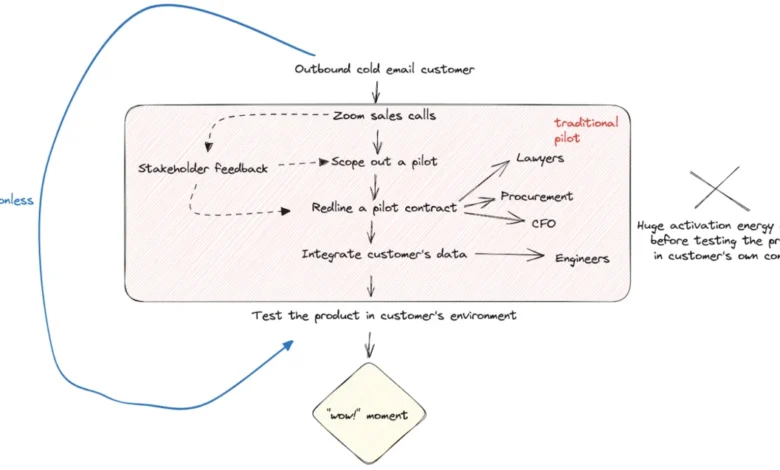
The modern enterprise software sales cycle has long been characterized by a grueling sequence of introductory calls, security reviews, procurement bottlenecks, legal negotiations, and complex technical integrations. Historically, a prospective buyer had to endure this entire administrative gauntlet before experiencing a product’s core value proposition—the critical "Time to Wow!" moment famously defined a decade ago by SaaS investor and operator David Skok. Today, however, an emerging cohort of early-stage startups is completely upending this traditional paradigm by introducing what industry insiders call "permissionless pilots."
By leveraging the explosive growth of public digital data and advanced machine learning models, innovative companies are shifting the customer’s realization of value from the conclusion of the sales cycle to its very inception. This strategy eliminates the traditional friction of B2B procurement, allowing prospective clients to witness the immediate, context-specific utility of a software product before a single sales contract is drafted or internal political capital is spent.

The Structural Flaw of the Traditional Enterprise Sales Funnel
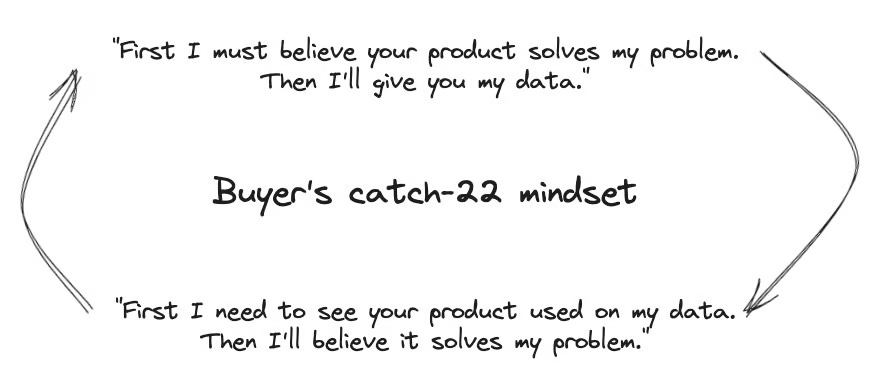
For decades, B2B software companies have struggled against a fundamental catch-22: enterprise platforms generally require proprietary customer data to function properly, yet risk-averse corporate buyers are historically reluctant to share internal data with unproven third-party vendors. To circumvent this hurdle, sales teams have traditionally relied on generic product demonstrations populated with synthetic dummy data.
Industry analysts compare this approach to watching a salesperson drive a car at a dealership rather than taking it out for a test drive yourself. While dummy data can illustrate theoretical features, it fails to resonate with a prospective buyer because it is divorced from their specific operational reality.
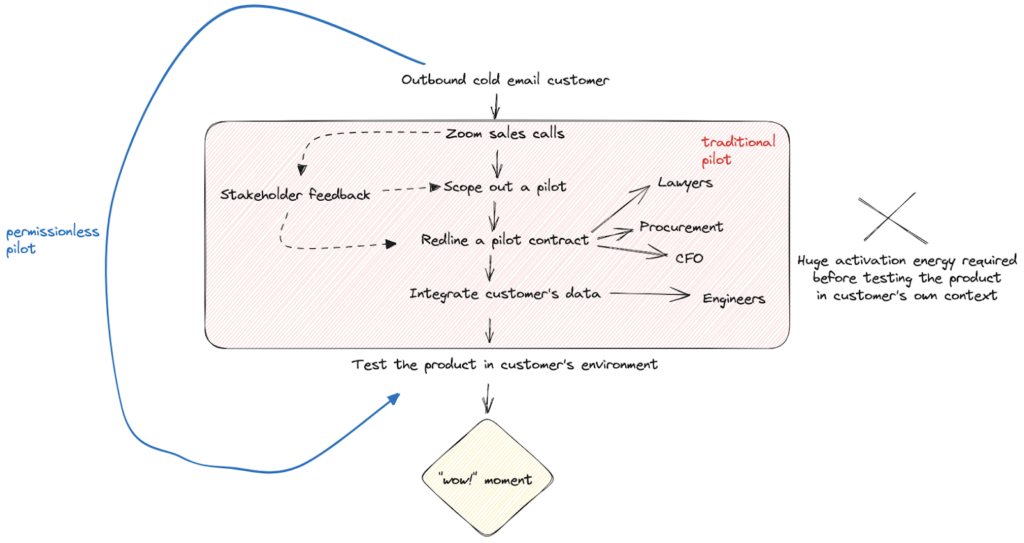
However, acquiring real data from an enterprise prospect is notoriously difficult. Navigating internal IT security protocols, compliance frameworks, and legal reviews requires a champion within the buying organization to expend substantial social and political capital. Consequently, many promising software evaluations stall indefinitely during the preliminary stages, resulting in low conversion rates and extended sales cycles that strain early-stage startup capital reserves.
Decoding the Permissionless Pilot Strategy
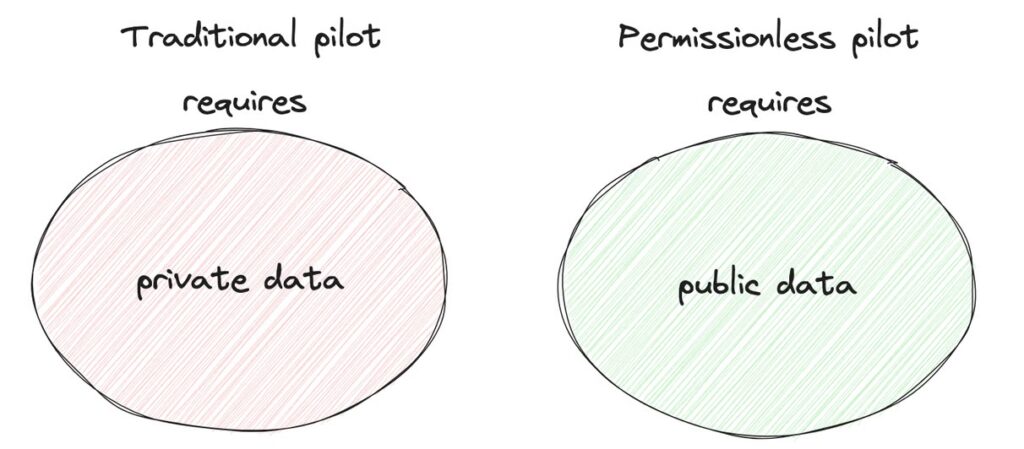
To break this vicious cycle, forward-thinking founders have pioneered the concept of the permissionless pilot. Defined fundamentally as a product demonstration that utilizes publicly available, customer-specific data to instantly deliver a product’s value proposition, this strategy resets a buyer’s time-to-value metric to zero.
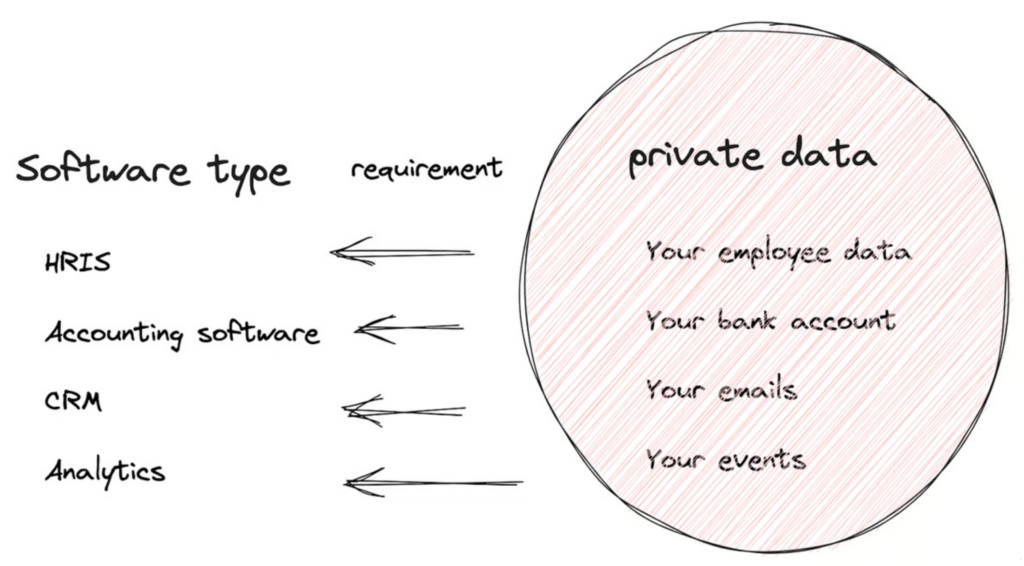
Rather than waiting for a prospect to grant permission, configure environments, or sign mutual non-disclosure agreements, a permissionless pilot operates autonomously. By tapping into the vast reservoirs of unstructured public data now available across the internet—ranging from mobile application binaries and search engine index results to regulatory filings and e-commerce catalogs—startups can generate customized, highly relevant product insights prior to any formal outreach.
This approach transforms the initial touchpoint of the sales process. Instead of asking a prospect for a meeting to discuss potential pain points, a vendor presents the prospect with an unsolicited, fully realized analysis of their own operational data, instantly demonstrating competence and concrete utility.
Real-World Implementation: The Emerge Tools Case Study
The efficacy of permissionless pilots is best demonstrated through market implementations among high-growth technology startups. A prominent example within the venture capital portfolio of Matrix involves Emerge Tools, a mobile application performance management and optimization platform designed to help engineering teams reduce app binary sizes, decrease download times, and accelerate launch speeds.
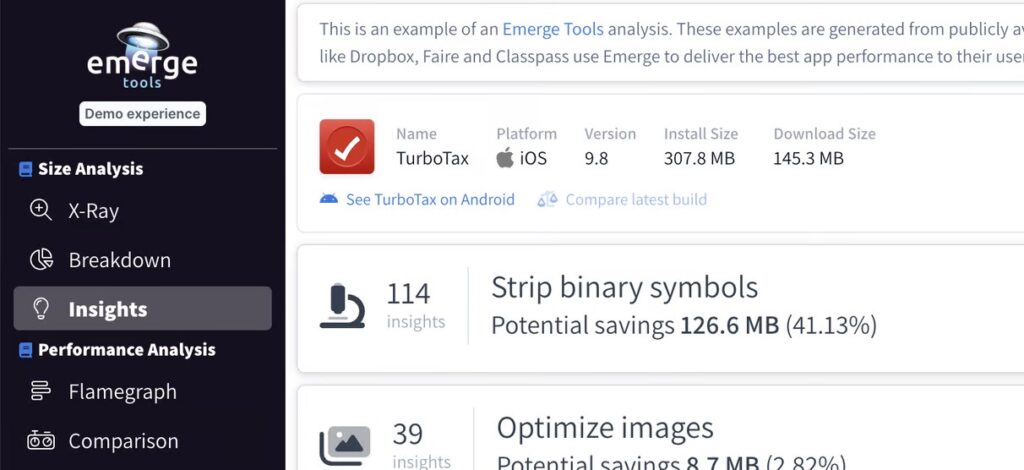
Founded less than three years ago, Emerge Tools successfully secured enterprise contracts with prominent technology leaders—including DoorDash, Square, Airbnb, Duolingo, and Dropbox—without maintaining a traditional outbound sales force. The company achieved this rapid market penetration by exploiting a unique public data source: the compiled binary code of every mobile application available in the official iOS and Android app stores.
Recognizing that enterprise mobile engineering groups face significant bureaucratic hurdles before adopting new tooling, Emerge built an automated system that reverse-engineers the publicly downloadable versions of native mobile applications. By simply looking up a prospective client’s application by name, the system generates a comprehensive performance audit without requiring any internal data sharing, API integration, or formal procurement approval.
For instance, Emerge generated public audit pages demonstrating how major enterprise applications could reduce their binary sizes by substantial margins. These autonomous analyses transformed into viral digital artifacts. Engineering leads within targeted companies frequently discovered these reports organically or shared them internally via workplace communication channels like Slack.
According to company metrics, this strategy fueled a dramatic expansion in organic search visibility, web traffic, and social media engagement. More importantly, it established an inbound sales pipeline characterized by exceptionally high conversion rates. Because prospective buyers could independently verify the software’s effectiveness using their own production applications, the traditional negotiation and proof-of-concept phases were dramatically compressed.
Cross-Industry Applications and Broader Market Implications

While mobile application optimization represents one specific vertical, the underlying architecture of the permissionless pilot is broadly applicable across diverse software sectors. The proliferation of digital information over the past decade, combined with recent breakthroughs in artificial intelligence—particularly computer vision and natural language processing models—has made the automated structuring of unstructured public data economically viable for early-stage engineering teams.
Market analysts have identified several potential verticals where permissionless pilots could disrupt traditional sales methodologies:
- Search Engine Optimization (SEO): Platforms such as Conductor can analyze public search engine index data to automatically present prospective clients with concrete architectural fixes for organic traffic growth.
- E-commerce Optimization: Infrastructure providers can cross-reference millions of public product listings to deliver automated copywriting, pricing, and visual asset recommendations designed to boost conversion rates.
- Cybersecurity and Threat Detection: Bug-bounty and vulnerability management platforms like HackerOne can run preliminary, non-destructive external scans on public web applications to highlight existing security vulnerabilities to Chief Information Security Officers.
- Financial Technology and Hedge Funds: Regulatory intelligence platforms like Bedrock AI leverage natural language processing to parse public SEC filings, autonomously surfacing hidden financial irregularities, fraud indicators, and earnings quality discrepancies for institutional investors.
- Web-Based Marketing: Conversion rate optimization tools such as Mutiny enable prospective buyers to visualize personalized landing page variations tailored to specific target audiences prior to account creation.
Strategic Considerations and Best Practices
Industry experts emphasize that executing a successful permissionless pilot requires a delicate balance between aggressive market outreach and brand preservation. Because these pilots operate without the explicit prior consent of the target organization, startups must maintain a constructive, professional tone. The objective is to highlight genuine, solvable inefficiencies in a manner that engenders trust rather than alienation.
Furthermore, early-stage founders are advised to focus initial development efforts on creating a demonstration that is fundamentally compelling—colloquially described by builders as creating "something cool"—even if the underlying analysis requires subsequent human refinement.
As the B2B software market becomes increasingly saturated, traditional outbound sales tactics continue to experience diminishing returns. By inverting the sales cycle and delivering immediate, data-backed value at the point of first contact, the permissionless pilot model offers a sustainable blueprint for scaling enterprise revenue efficiently in a competitive digital economy.